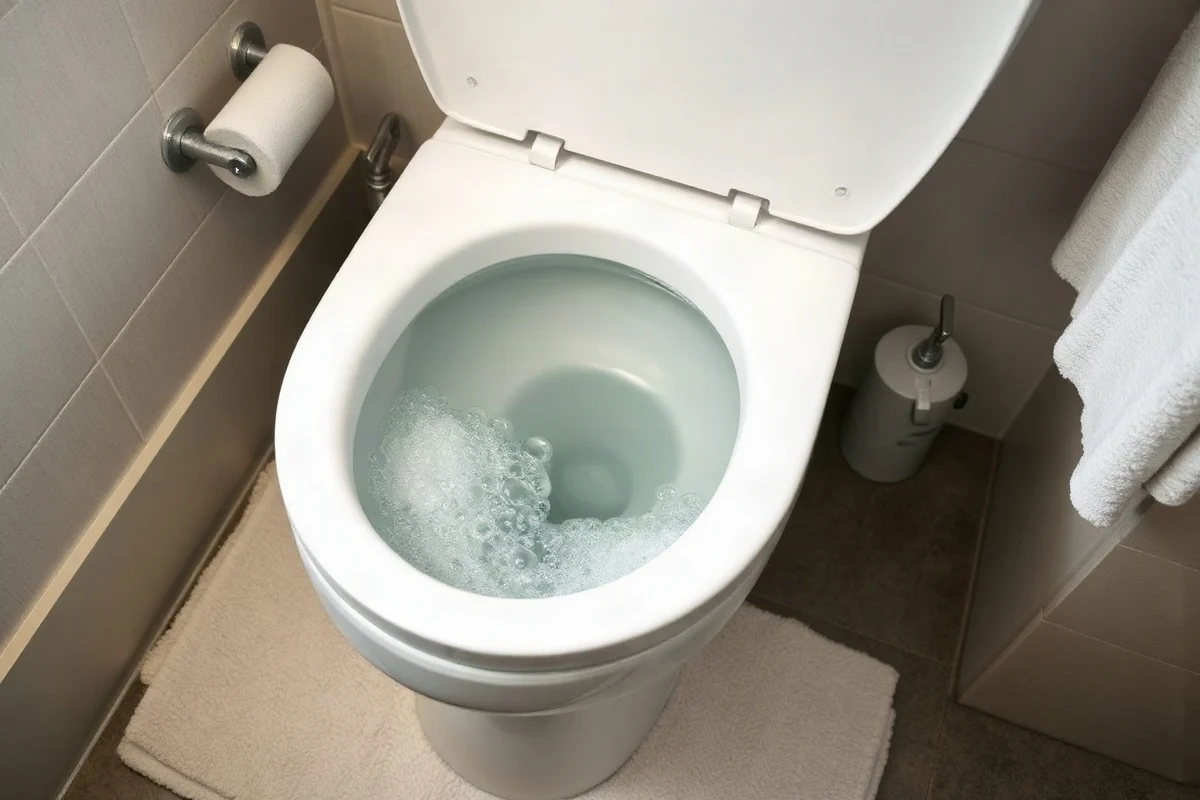
If your toilet bubbles and then overflows, the most likely problem is a blockage that is preventing wastewater and air from moving normally through the drain. The clog may be in the toilet trap, the branch drain serving the bathroom, or a larger building sewer line. Stop flushing immediately, close the toilet’s water supply valve, and protect the floor before the bowl spills further. If other fixtures are backing up, sewage is present, or the blockage does not clear with a careful plunger attempt, contact a qualified local plumber.
What toilet bubbling usually means
A toilet should fill, flush, and drain with a consistent flow. Bubbling, gurgling, or air bubbles rising through the bowl indicate that air is being displaced somewhere in the drainage system. When water cannot pass a restriction easily, pressure changes can push air back through the toilet trap. A flush may then cause the bowl to rise slowly, drain partially, or overflow.
The symptom is especially important when it occurs without anyone flushing that toilet. For example, a toilet may bubble when a nearby sink, bathtub, washing machine, or another toilet drains. That pattern can indicate a blockage farther down the shared drain rather than a simple obstruction inside the bowl.
Common causes of a bubbling, overflowing toilet
A clog in the toilet trap
The built-in trapway inside the toilet can become blocked by excess paper, wipes, a small object, or another material that should not have been flushed. A partial clog may allow some water through while trapping air, which creates bubbling and a slow drain. If the bowl rises immediately after flushing but other fixtures work normally, the obstruction may be close to the toilet.
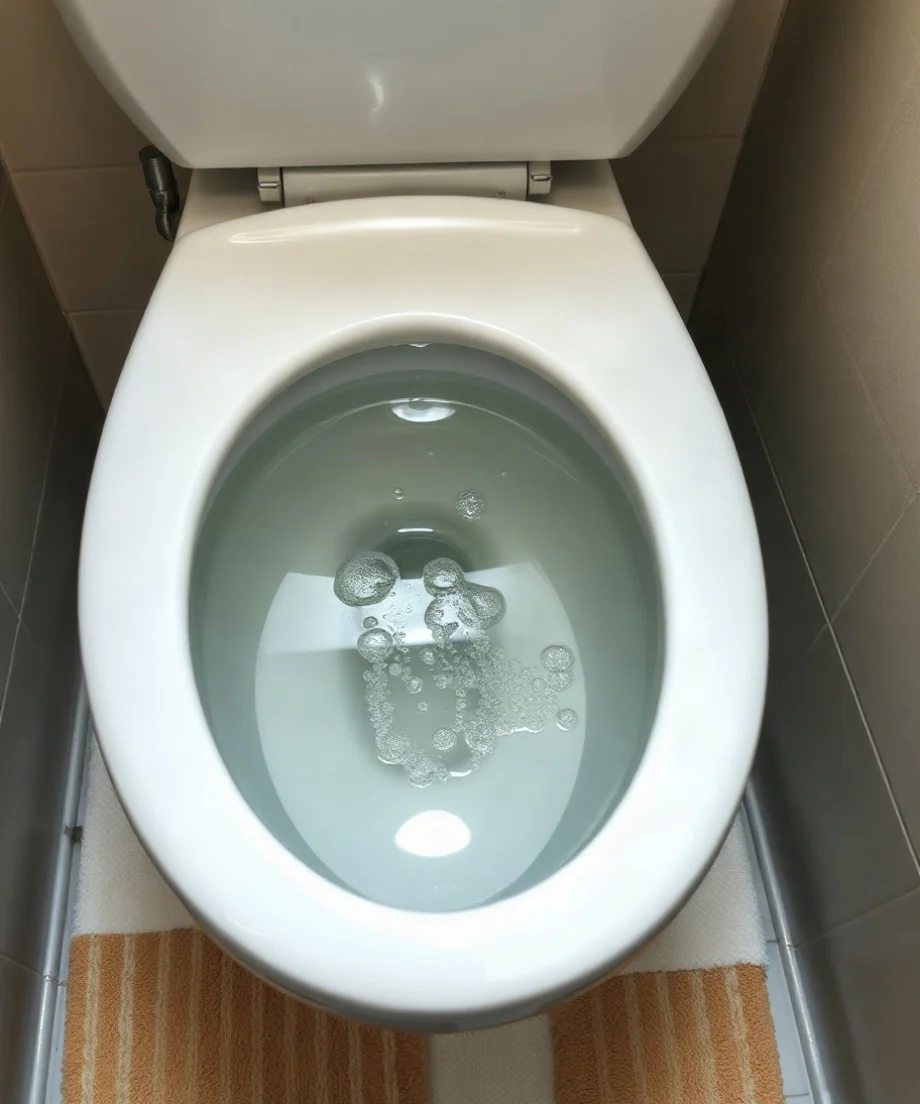
Flushable wipes can contribute to drain problems even when their packaging says they are safe to flush. Paper towels, feminine hygiene products, diapers, cotton products, toys, and cleaning materials can also obstruct the trapway. Only toilet paper and human waste should generally be flushed unless your local utility or plumbing professional gives different guidance.
A blocked bathroom branch drain
Several fixtures may connect to the same bathroom drain. A restriction in that branch can make the toilet bubble when the sink, shower, or tub drains. You may also notice that the bathtub or shower holds water, the sink drains slowly, or the toilet level changes when another fixture is used.
Because the blockage is beyond the toilet, repeatedly plunging the bowl may not solve the underlying issue. A plumber may need to access the drain through a suitable cleanout or use professional equipment to locate and remove the obstruction.
A partially blocked main sewer line
If multiple toilets or drains are slow or backing up, the problem may be in the main building drain or sewer line. Warning signs include bubbling toilets on different floors, wastewater appearing in a shower or floor drain, sewage odors, and backups that occur when a large volume of water enters the system.
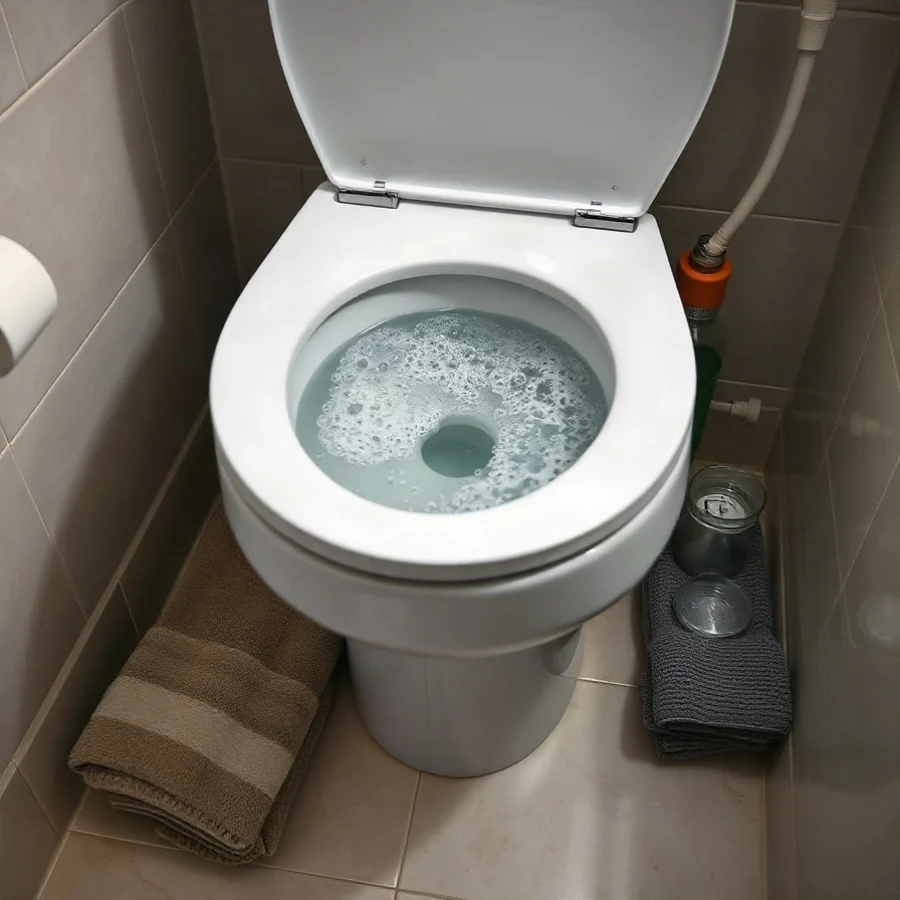
A main-line blockage can cause contaminated water to enter the home, so avoid contact with the water and keep children and pets away. Sewage exposure and a widespread backup are not good do-it-yourself projects. Arrange qualified local help promptly, especially if the affected area is growing or water is reaching electrical equipment.
A blocked or poorly functioning vent
Drain vents allow air into the plumbing system and help drainage flow smoothly. A blocked vent can cause gurgling, slow draining, sewer odors, or unusual water movement in the toilet. Leaves, debris, animal nesting material, or snow and ice can affect a vent opening, but the source is not always visible from the ground.
Do not climb onto a roof or attempt to dismantle vent piping if you are not equipped and trained to do so. Roof work creates fall hazards, and a vent problem can resemble a drain blockage. A plumber can evaluate both possibilities safely.
What to do right away
- Stop flushing. Additional flushing can send more water into a bowl that is already draining slowly.
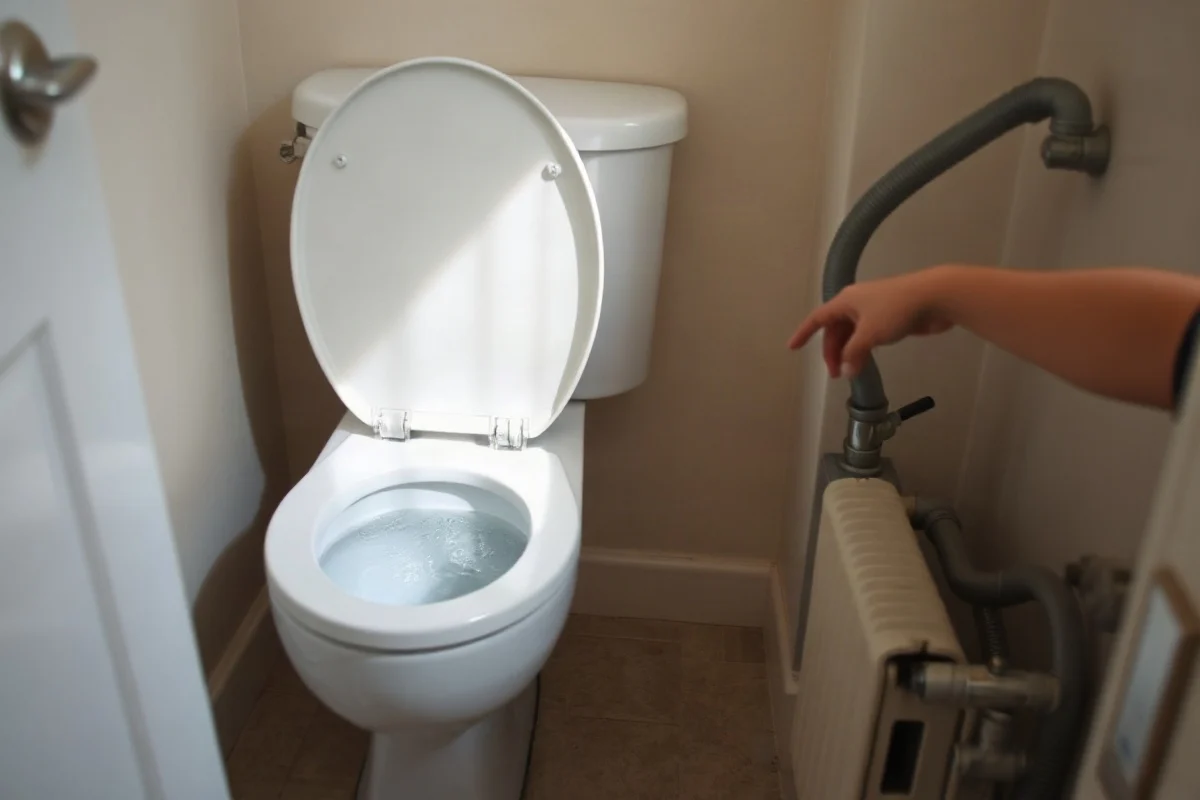
- Close the toilet’s supply valve. The valve is usually on the wall or floor behind the toilet. Turn it clockwise gently until the water stops. Do not force a stuck valve.
- Remove the tank lid if needed. If water continues entering the bowl, lift the tank lid and raise the float or close the flapper temporarily. Keep your hands away from damaged or exposed electrical equipment nearby.
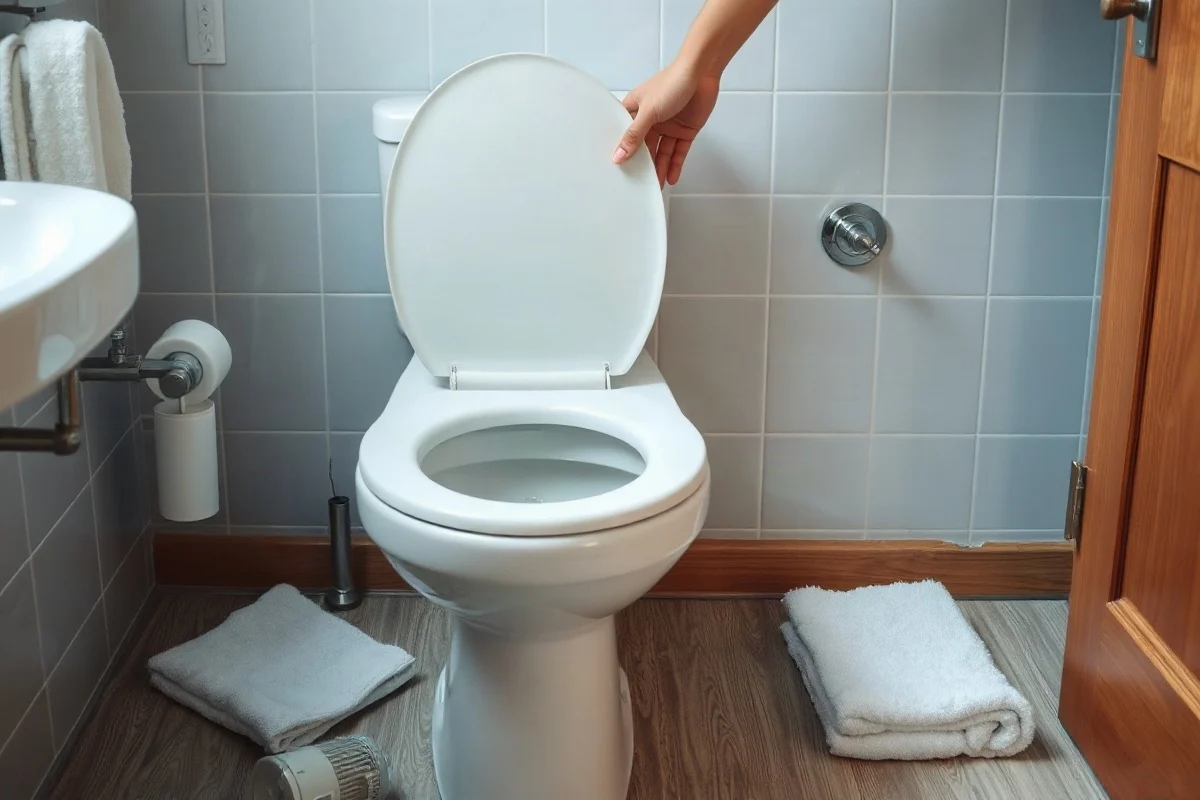
- Protect the floor. Move rugs and nearby items, and use towels or a bucket for clean water. Treat water from a toilet backup as potentially contaminated, particularly if it contains sewage.
- Keep other water use to a minimum. Avoid running sinks, taking showers, washing clothes, or using appliances that discharge water until you know whether the blockage affects a larger drain line.
If contaminated water has spread, wear appropriate protective gear and follow local public-health guidance for cleanup. Porous flooring, drywall, insulation, and other materials may require specialized assessment if sewage has soaked into them.
Safe homeowner checks
Look for a pattern across fixtures
Without adding more water, check whether the nearby sink, shower, tub, floor drain, or second toilet is slow, gurgling, or holding wastewater. This observation helps distinguish a toilet-level clog from a larger drain problem. Ask household members whether the bubbling began after a large flush, laundry cycle, or recent plumbing work.
Also check for visible water around the toilet base. Water at the base may come from an overflowing bowl, a loose supply connection, a failed tank seal, or a leak at the toilet connection. Do not assume every puddle is caused by the same blockage.
Try one careful plunger attempt
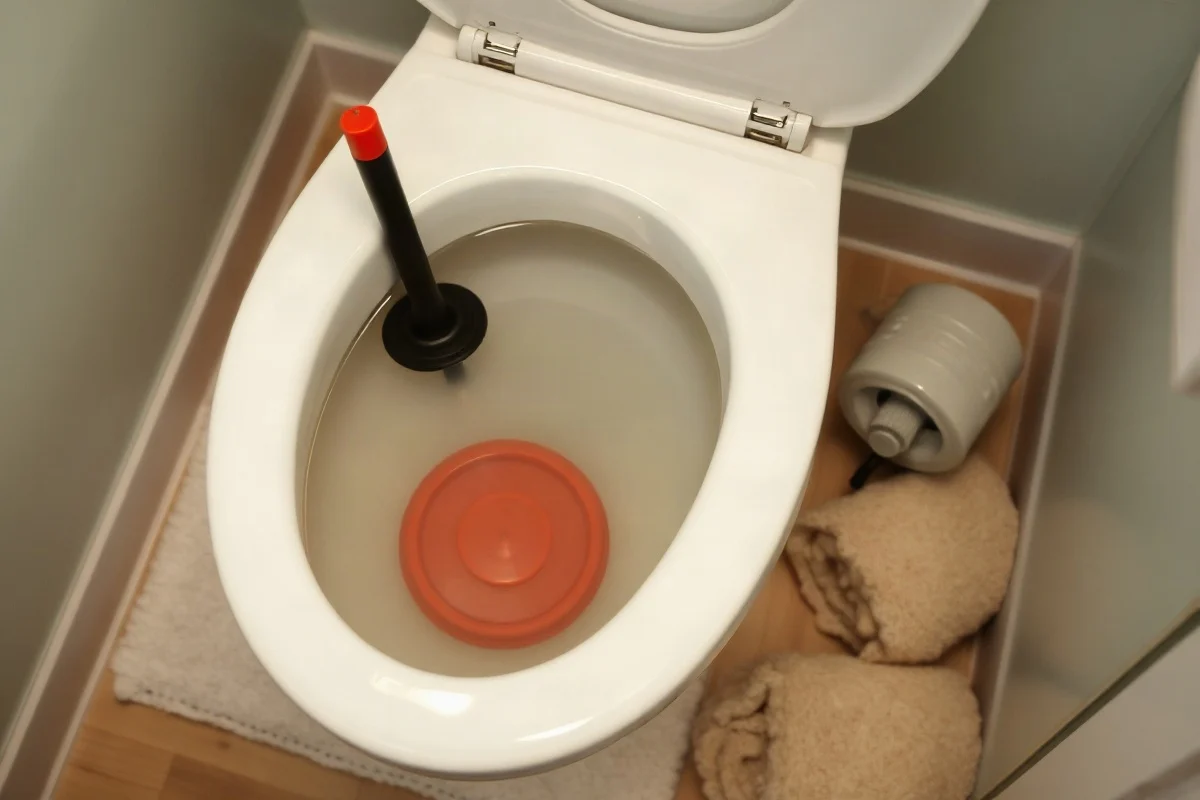
If only this toilet is affected and the bowl is not full of contaminated water, a flange-style toilet plunger may be reasonable to try. Make sure there is enough water to cover the plunger cup, but remove some water first if the bowl is near the rim. Place the flange over the drain opening and use controlled pushes and pulls rather than violent plunging.
Stop if the water rises toward the rim, if the toilet rocks, or if the seal around the base begins leaking. Do not keep plunging repeatedly when there is no improvement. You can learn more about repair options through toilet repair guidance, but a persistent backup still needs diagnosis rather than more force.
Avoid chemical drain cleaners
Liquid drain cleaners are a poor choice for an overflowing toilet. They may not reach or dissolve the obstruction, and they can remain in the bowl or trap. If someone later plunges or opens the toilet, the chemical can splash onto skin or eyes. Never mix drain-cleaning chemicals with one another or with bleach. Tell the plumber if any product has already been added.
When professional service is needed
Call a qualified local plumber when the toilet overflows again after a careful plunging attempt, when multiple fixtures are affected, or when the bowl bubbles as other drains run. Professional service is also appropriate when an object may be lodged in the trap, the toilet is repeatedly clogging, the drain line may be collapsed or damaged, or the vent system needs inspection.
Use urgent help when sewage is spreading, a backup is affecting several rooms, water is reaching electrical outlets or appliances, or you cannot stop the flow. Do not enter standing water near electrical equipment. For widespread backups or suspected sewer problems, review the sewer line service information and contact a qualified local professional.
Repair options depend on the location of the blockage
A toilet-level clog may be cleared with a plunger, closet auger, or another suitable tool. If the toilet must be removed to retrieve an object, replace a seal, or inspect the outlet, that work is better handled by a plumber unless you have the right experience and can reinstall the fixture securely.
A branch-drain or main-line obstruction may require a drain machine, inspection through a cleanout, or a camera evaluation. If roots, a damaged pipe, settlement, or recurring buildup is suspected, clearing the immediate blockage may not be the complete repair. Ask the plumber what was found, where the restriction is located, and whether the recommended work addresses the cause or only restores flow temporarily.
Drain cleaning methods should match the pipe condition and the type of obstruction. More aggressive equipment is not automatically better, particularly when older, damaged, or fragile piping may be involved. A professional should explain the approach before starting significant work.
Repair or toilet replacement?
A bubbling toilet does not automatically mean the toilet itself needs replacement. If the porcelain is intact, the fixture is stable, and the problem is a drain blockage, clearing and correcting the drainage issue may be enough. Replacement may be considered when the toilet is cracked, unstable, repeatedly obstructed because of a damaged trapway, or leaking at a connection that cannot be reliably repaired.
If the toilet rocks, do not keep using it. Movement can worsen the seal at the floor and allow water to escape beneath the fixture. A plumber can assess the mounting, connection, and surrounding floor before recommending repair or replacement. Learn more about related symptoms in this overflowing toilet resource.
What affects the cost of service?
The final cost depends on the actual cause and the work required, not simply on the fact that the toilet overflowed. Factors can include the location and severity of the blockage, whether one fixture or several are affected, access to a cleanout, the need to remove the toilet, inspection equipment, pipe damage, water damage, and the time and tools required.
Service timing can also affect a company’s charge, but you should ask the provider to explain any applicable fees before authorizing work. Request a written description of the diagnosis, recommended repair, and what is included. If the plumber proposes replacing a toilet or opening a wall or floor, ask why that step is necessary and whether a less invasive option is reasonable.
How to choose the right plumber
Look for a local plumbing professional with experience diagnosing toilet backups and drain-line problems, not just replacing visible parts. Ask whether the person who will perform the work is qualified for the job in your area, and verify any licensing, insurance, or permit details through the appropriate local sources rather than relying on an unsupported claim.
A dependable provider should explain the likely cause, distinguish an emergency from a routine repair, protect the work area, and communicate before performing additional work. Be cautious of anyone who recommends major replacement without identifying the blockage or explaining the evidence. For practical questions to ask before scheduling, see this guide to hiring a plumber.
How to reduce the chance of another overflow
Keep wipes, paper towels, hygiene products, grease, and household objects out of the toilet. Teach children not to treat the toilet as a toy or disposal chute. Pay attention to early warnings such as slow flushing, rising water, gurgling, or a bowl that takes longer than usual to empty.
If the same toilet or drain backs up repeatedly, do not rely on repeated plunging as a permanent solution. Document when the symptoms occur and which fixtures are affected. That information can help a plumber determine whether the source is inside the toilet, in a branch drain, or farther along the sewer line.
A bubbling toilet is an early warning that water and air are not moving normally. Stopping the flow, making only low-risk checks, and getting professional help when the problem extends beyond the bowl can limit contamination and prevent a small blockage from becoming a larger plumbing emergency.
Comments
0No comments yet. Be the first to share a helpful note or question.
Leave a Comment
Your email address will not be published. Comments are reviewed before appearing on the site.