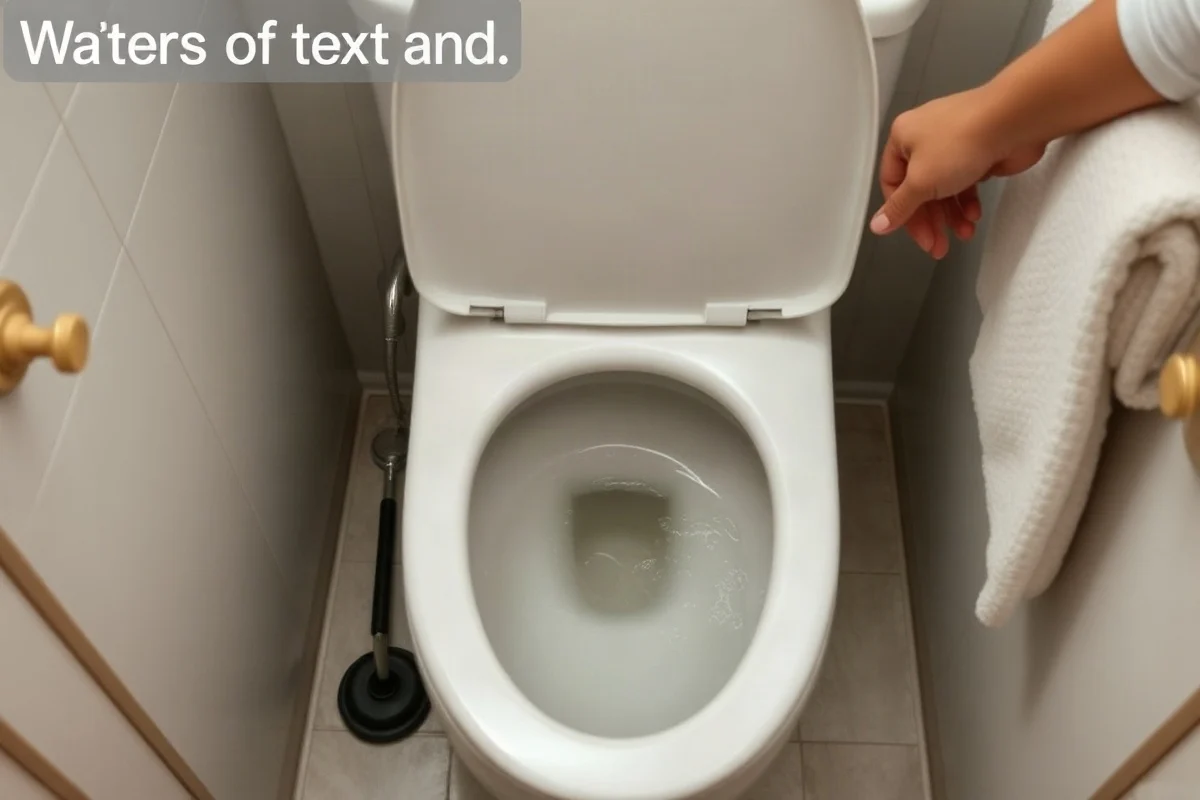
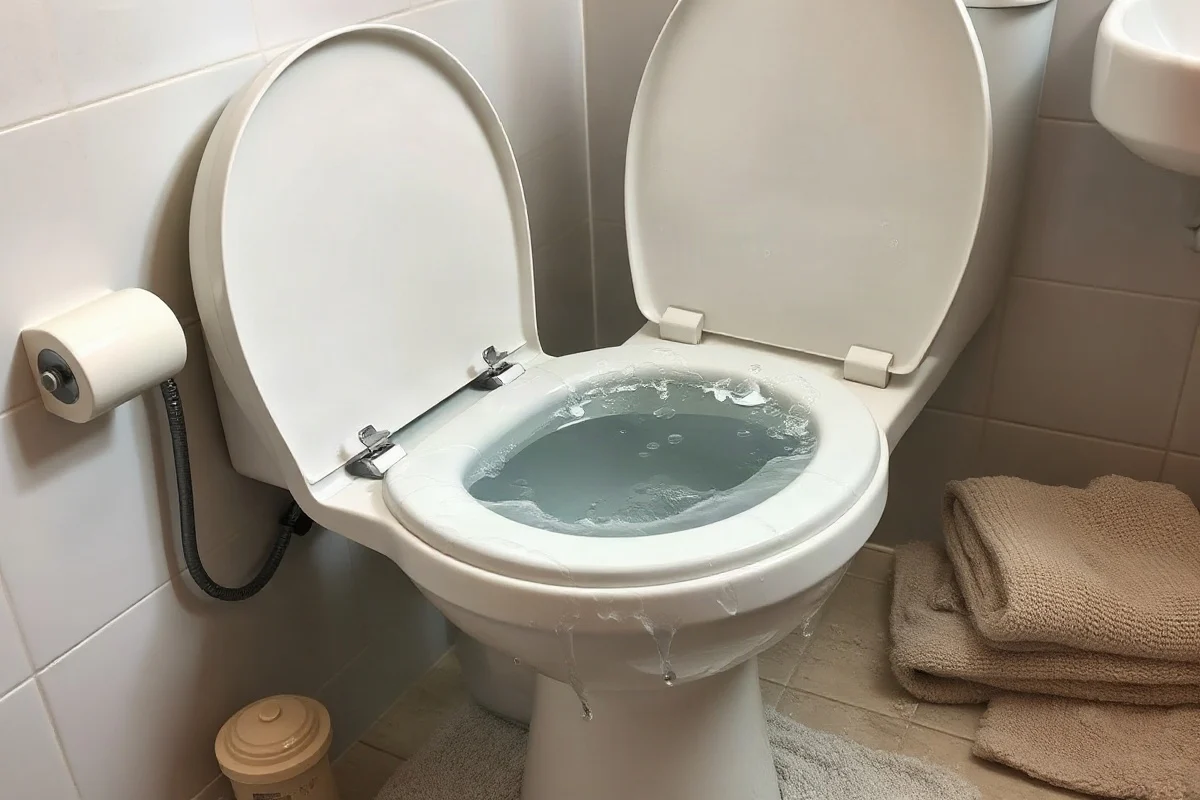
Water rising in your toilet bowl after flushing usually means the toilet trap, the drain connected to it, or a downstream sewer line is partially or completely blocked. The flush is sending more water into the bowl than the restricted drain can carry away. Stop flushing, close the toilet’s shutoff valve if the water continues rising, and check for a clog before the bowl overflows.
What to do first when the bowl starts rising
Reacting quickly can prevent contaminated water from reaching the floor. Do not flush again to “see if it clears.” If the water level is still increasing, turn the small shutoff valve on the wall or floor behind the toilet clockwise. This stops the tank from refilling, although it may not stop water already moving through the bowl.
If the bowl is close to overflowing, remove the tank lid and lift the float or close the flapper temporarily. Keep your hands away from the water if it may contain sewage, and move rugs, paper products, and other absorbent items away from the toilet. Wear gloves if cleanup is necessary, and disinfect any hard surfaces that come into contact with wastewater.
Do not pour chemical drain cleaner into a toilet. These products may not clear the obstruction, can damage some plumbing components, and create a splash hazard for anyone who later uses a plunger or opens the drain.
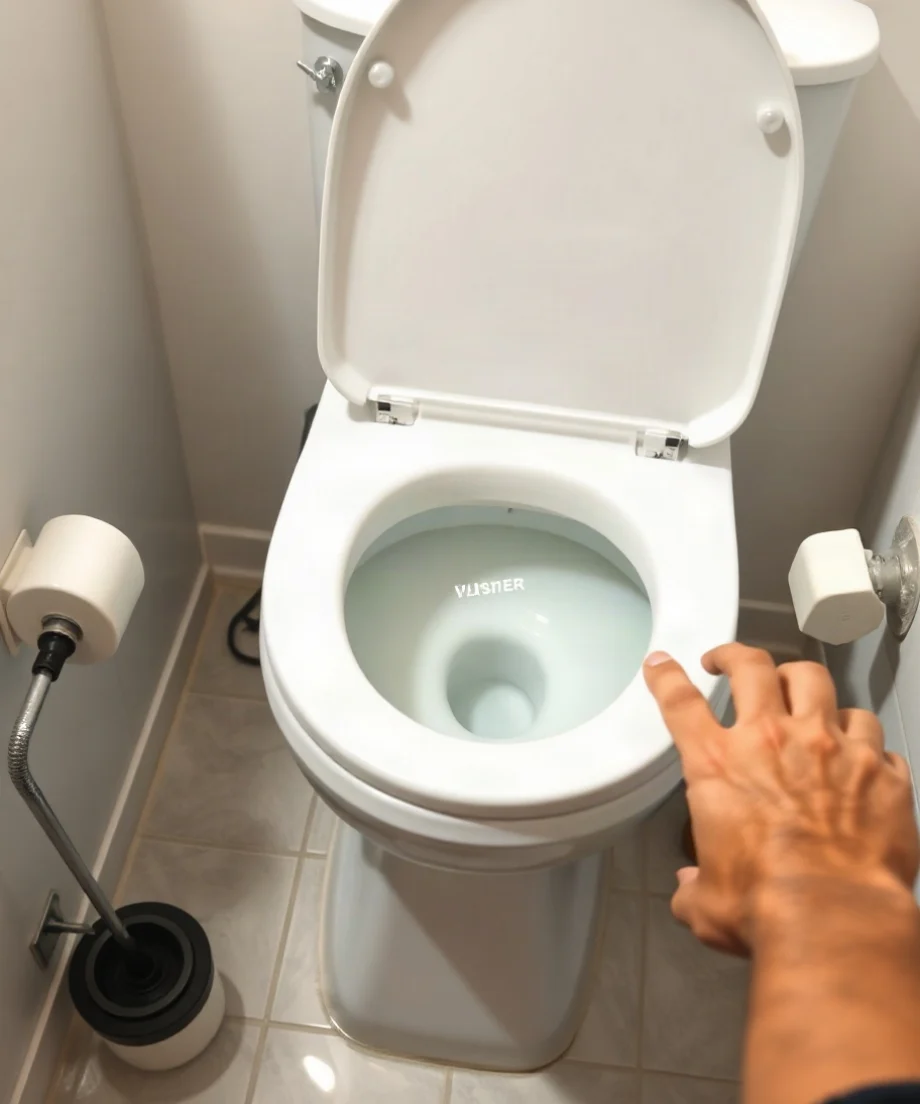
Common reasons water rises after a flush
A clog in the toilet trap
The curved passage inside the toilet, called the trap, is designed to hold water and block sewer gases. It is also a common place for excess toilet paper, wipes, hygiene products, small objects, and other materials to become lodged. A partial clog may allow the bowl to drain slowly, while a tighter obstruction causes the water to rise immediately after flushing.
“Flushable” wipes can contribute to blockages even when their packaging suggests otherwise. Paper towels, facial tissues, diapers, cotton products, and cleaning materials should not be flushed because they may not break apart like toilet paper.
A blocked branch drain
If the toilet trap is clear but the nearby drain line is restricted, water may rise in the bowl because the toilet cannot discharge normally. You may notice gurgling, slow drainage, or water backing up into a bathtub or shower in the same bathroom. These signs point beyond a simple toilet clog and may require drain-cleaning equipment.
A main sewer line problem
When several fixtures drain slowly or back up at the same time, the obstruction may be in the building’s main sewer line or a shared drain. Toilets, sinks, tubs, and floor drains can all show symptoms. Sewage odors, repeated backups, or wastewater appearing at a low drain are reasons to stop using water and arrange qualified local help.
A sewer line issue is not a good DIY excavation or drain-opening project. The cause may involve roots, a damaged pipe, accumulated deposits, or another condition that requires professional inspection. If sewage has entered the home, avoid contact and use a qualified local plumber or appropriate cleanup professional.
A venting or flushing problem
Drain vents help plumbing systems move air as water flows through the pipes. A blocked or damaged vent can contribute to gurgling, slow drainage, or an incomplete flush. However, a vent issue is less common than a physical clog when water rises immediately after one flush. Vent work may involve roof access and should generally be handled by a qualified professional, especially when the cause is not obvious.
Safe homeowner checks
Once the water level is stable, you can perform a few low-risk checks. First, look around the toilet base, nearby floor, tub, and sink for standing water. Check whether other fixtures are draining normally. Ask whether the problem started after someone flushed a large amount of paper or an object.
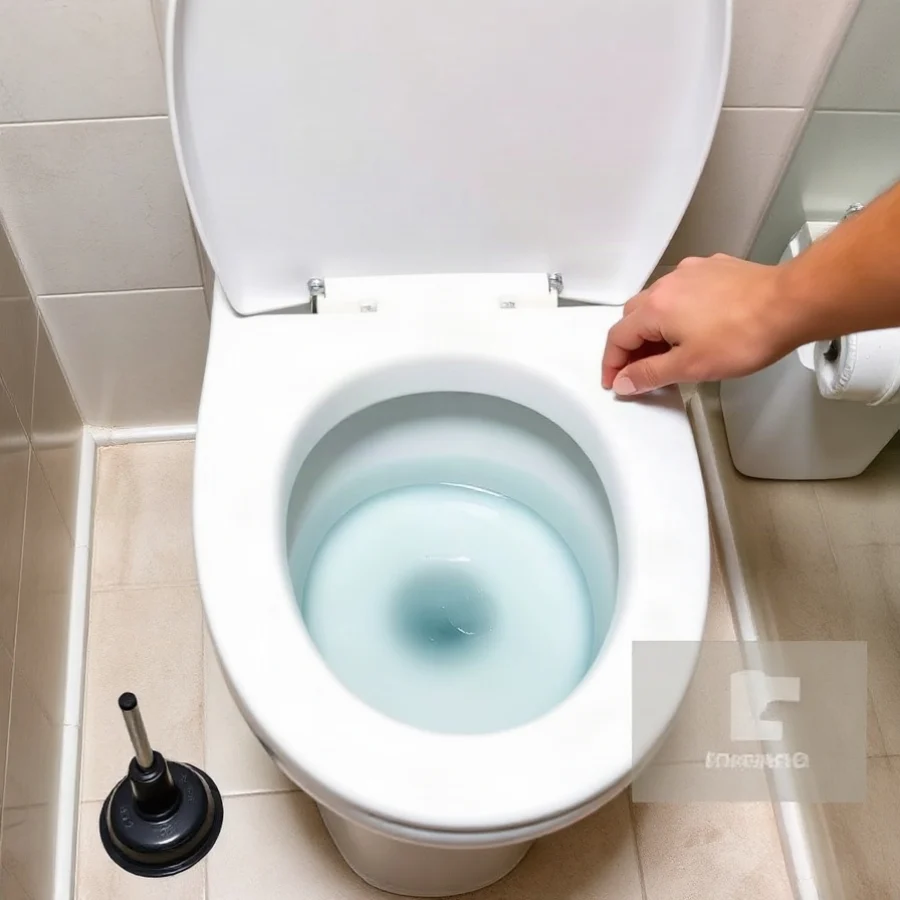
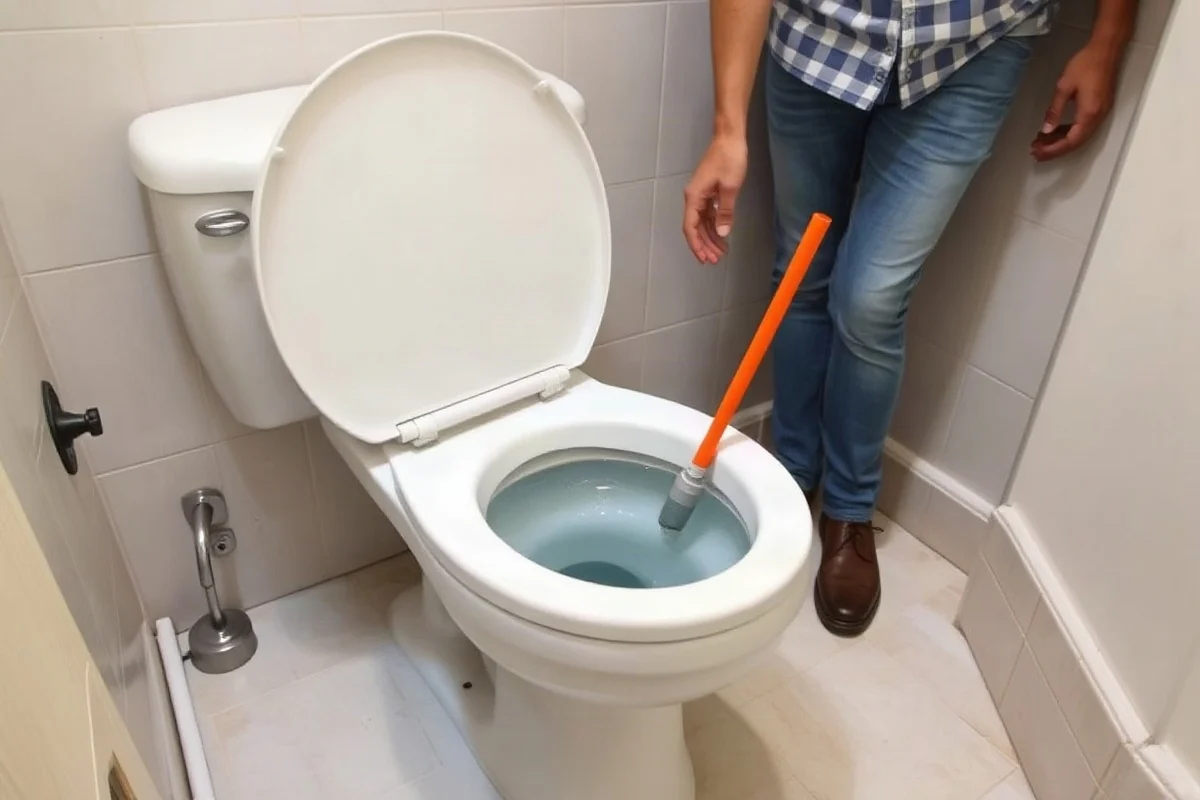
Next, try a toilet plunger designed for toilets. A flange-style plunger forms a better seal than a flat sink plunger. Make sure there is enough water in the bowl to cover the rubber cup, but do not add water if the bowl is already near the rim. Place the plunger over the outlet, press down gently to create a seal, and use controlled push-and-pull strokes. Avoid violent plunging, which can splash wastewater or damage a weak connection.
After several strokes, pause and observe the water level. If it drains, test the toilet with a small amount of water before flushing fully. If the water does not move, stop rather than continuing indefinitely. A plunger cannot reliably clear every obstruction, especially if a hard object is lodged in the trap or the blockage is farther down the drain.
A toilet auger may help with some clogs, but it must be used carefully to avoid scratching the bowl or pushing an object deeper. If you suspect a toy, brush, container, or other solid object was flushed, call a qualified plumber instead of forcing it through the plumbing.
When to stop troubleshooting and call a plumber
Contact a qualified local plumber if plunging does not restore normal drainage, the bowl repeatedly rises after flushing, or water backs up in more than one fixture. Professional help is also appropriate when the toilet overflows, the blockage may be in a shared or main sewer line, or you cannot identify what was flushed.
Use extra caution if wastewater is present. Sewage can contain harmful microorganisms, and cleanup may require more than ordinary household wiping. Keep children and pets away from the area, avoid contact, and request professional guidance.
You should also arrange professional inspection if the toilet rocks, leaks around its base, has a cracked bowl or tank, or continues to drain poorly after the apparent clog is removed. A loose or damaged toilet can allow water to reach the subfloor, where the damage may remain hidden.
For persistent overflow concerns, you can review overflowing toilet repair options or find information about professional drain cleaning.
Repair or replacement: which is more appropriate?
A simple clog usually calls for clearing the obstruction, not replacing the toilet. If the toilet works normally after the blockage is removed and there are no leaks, cracks, or repeated problems, replacement may not be necessary.
Replacement becomes more reasonable when the porcelain is cracked, the toilet is unstable, the trap is damaged, or recurring clogs continue despite proper clearing. A plumber may also recommend replacement if internal parts are worn and repair would not provide a dependable result. The decision depends on the toilet’s condition, the location of the defect, and whether the surrounding floor has been affected.
Do not ignore a toilet that leaks at the base after flushing. The visible water may be caused by a seal problem, but it can also indicate movement, damaged connections, or subfloor damage. A professional can determine whether the issue is limited to the toilet or involves concealed materials beneath it.
What affects the cost of fixing the problem?
The final cost depends on the cause and the amount of work required, so a local price cannot be determined from the symptom alone. A basic toilet clog may require less time and equipment than a blockage deep in a branch drain or main sewer line.
Important cost factors can include:
- Whether the obstruction is in the toilet, a nearby branch drain, or the main sewer line
- How difficult the blockage is to reach
- Whether specialized tools, a drain camera, or additional inspection is needed
- Whether wastewater cleanup or damage repair is required
- Whether the toilet, shutoff valve, seal, flooring, or connected piping also needs attention
- The timing and availability of service, particularly outside normal business hours
Ask the plumber to explain the suspected cause, recommended method, and scope of work before authorizing additional services. For broader planning information, see this guide to plumbing cost factors.
How to choose the right plumber
Look for a plumber who regularly handles toilet blockages, drain backups, and sewer-related problems. Ask whether the company can inspect beyond the toilet if multiple fixtures are affected. A good provider should explain what is known, what is uncertain, and why a particular tool or repair is being recommended.
Before work begins, request a clear description of the planned service and ask about any additional charges that could apply. Verify the provider’s qualifications and insurance where appropriate for your area, and review written information rather than relying only on a verbal promise. Local licensing, permit, and code requirements vary, so confirm those details with the relevant local authority or the professional performing the work.
Do not choose a contractor solely because the first proposed solution is the most aggressive. For example, a toilet clog may not require extensive drain work, while repeated backups should not be treated as a problem that a quick plunge will permanently solve. The right repair matches the evidence and addresses the underlying cause.
How to help prevent future toilet backups
Flush only human waste and toilet paper. Keep wipes, paper towels, feminine hygiene products, cotton items, dental floss, grease, and small objects out of the toilet. Teach children not to treat the bowl as a disposal container, and keep small items away from the bathroom when accidental flushing is possible.
Pay attention to early warnings such as a weak flush, bubbling, gurgling, slow bowl drainage, or water rising higher than usual. Addressing these signs promptly may prevent a complete backup. If several fixtures begin draining slowly or backing up, stop using water until the drainage system has been evaluated.
Water rising after a flush is a sign to pause, not keep testing the toilet. Start with the shutoff valve and a careful toilet-plunger attempt. If the water does not drain, the problem returns, or sewage affects multiple fixtures or the floor, arrange qualified local service through toilet repair professionals.
Comments
0No comments yet. Be the first to share a helpful note or question.
Leave a Comment
Your email address will not be published. Comments are reviewed before appearing on the site.