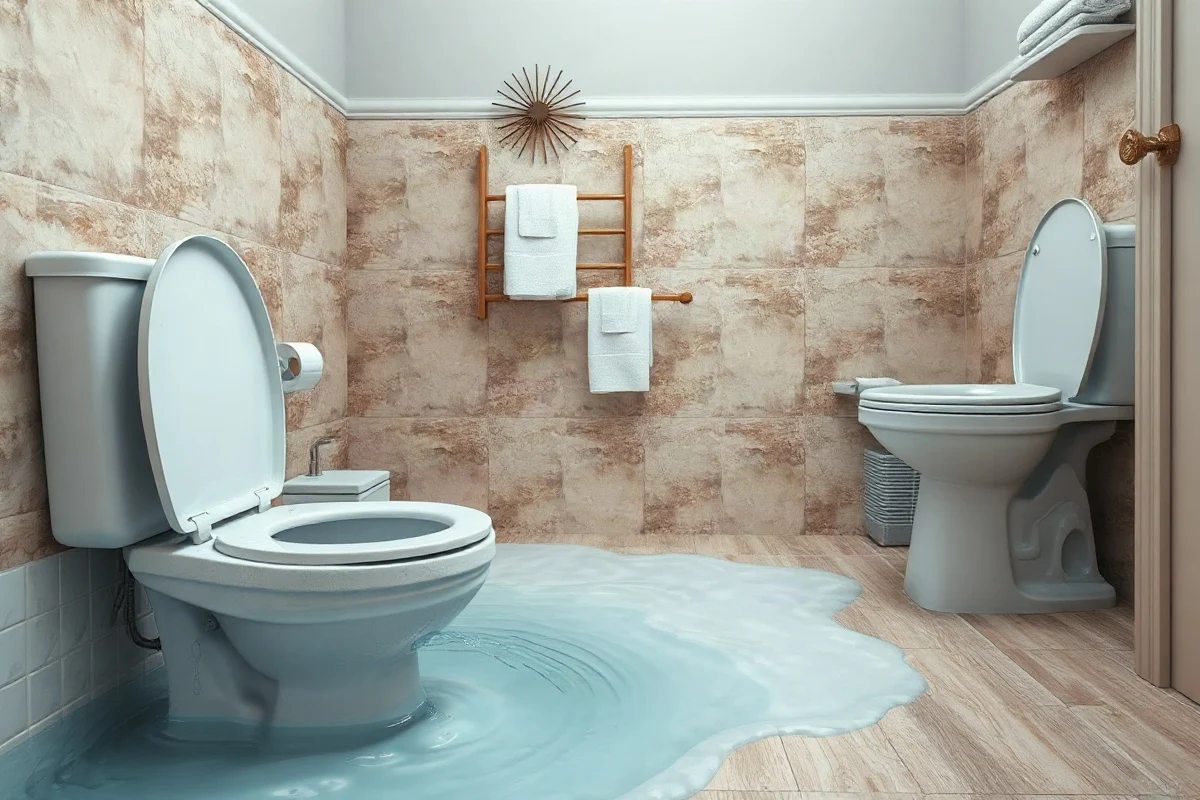
If flushing one toilet makes another toilet overflow, the most likely cause is a blockage or serious restriction in a drain line shared by both fixtures. Water from the flush cannot move normally through the pipe, so it may rise into a nearby toilet, tub, or floor drain. A clog in one toilet is possible, but when two fixtures affect each other, the problem is more likely located farther downstream in the branch drain or main sewer line.
What the flushing pattern tells you
Toilets, sinks, showers, and tubs drain through connected piping. The exact layout differs by home, but fixtures that are close together often share part of a drain system. When one toilet is flushed, a large volume of water enters that system quickly. If the pipe is partially or completely blocked, the water looks for another available path. A nearby toilet may bubble, rise, or overflow because it is one of the lowest or least restricted openings.
The pattern of the symptoms can help narrow down the location:
- Only one toilet reacts: The blockage may be in that toilet’s trap or in the short drain section serving it.
- Two nearby toilets affect each other: A shared branch drain is a likely suspect.
- Several fixtures drain slowly or back up: The restriction may be in a larger building drain or sewer line.
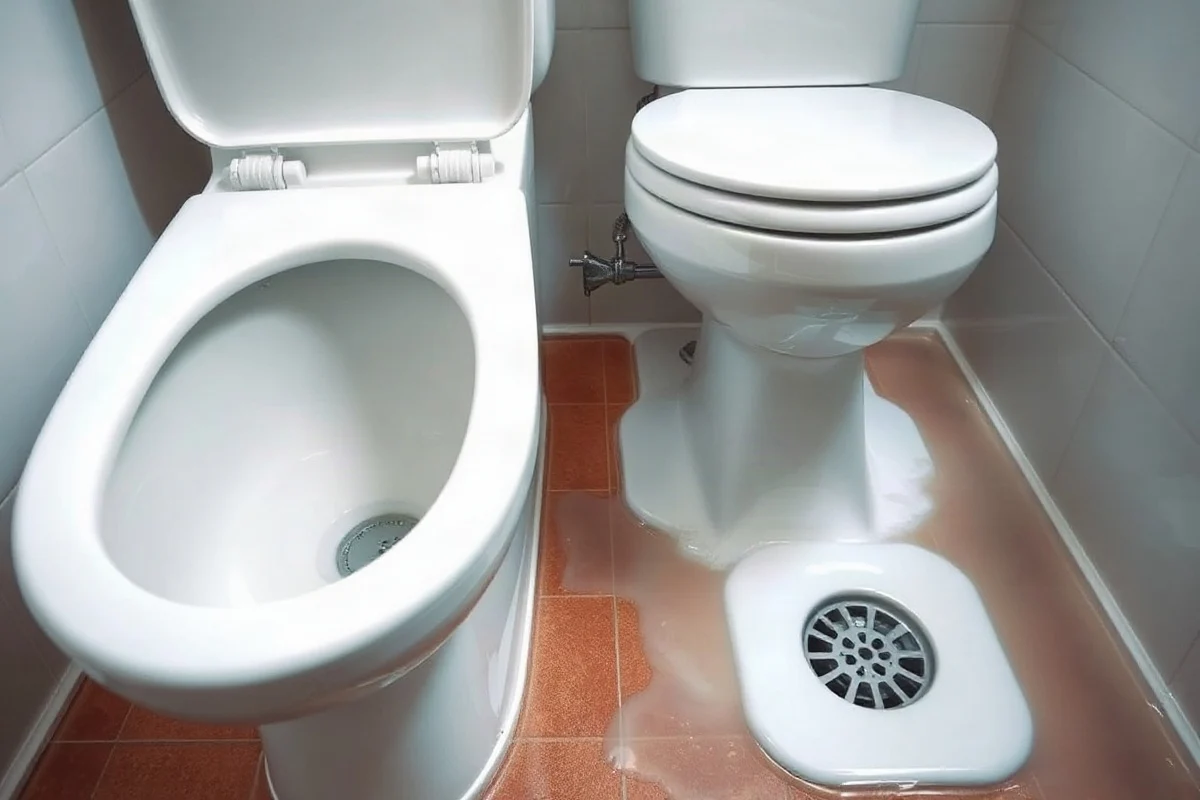
- Water backs up into a shower or tub: A downstream blockage is more likely than an isolated toilet clog.
- The problem is intermittent: A partial blockage, damaged pipe, root intrusion, or other developing drain problem may be allowing some flow but not enough during a flush.
Common causes of one toilet overflowing when another is flushed
A shared drain blockage
The most common explanation is a clog in a pipe that serves both toilets. Paper, excessive waste, wipes, and foreign objects can restrict flow. Even products marketed as flushable may contribute to blockages because they do not always break down like toilet paper.
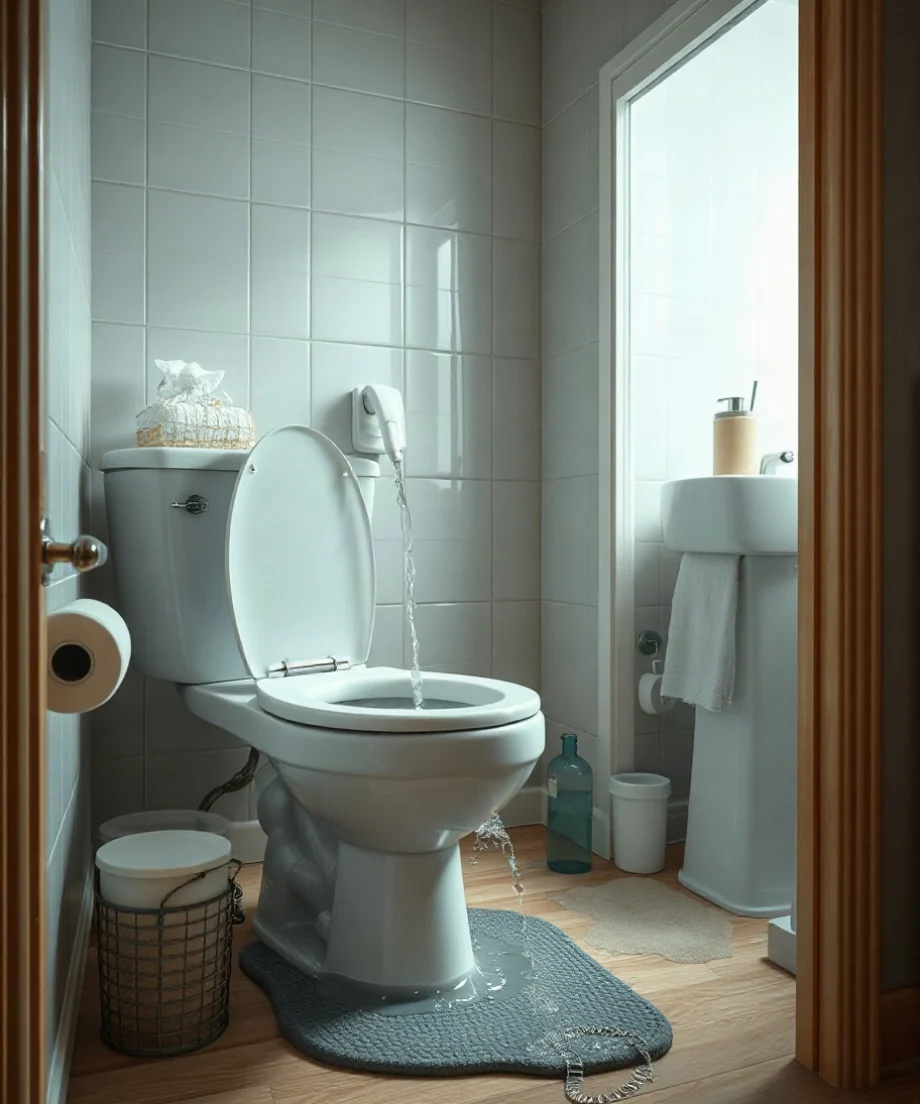
A partial blockage can be especially confusing. Water may drain normally during a small sink discharge but fail when a toilet sends several gallons into the line at once. The second toilet then becomes the visible point of backup even though the obstruction is farther along in the piping.
A blocked main sewer line
If toilets on different floors or in separate bathrooms react to flushing, the obstruction may be in the home’s main drain or sewer connection. Signs can include multiple slow drains, gurgling sounds, sewage odors, wastewater in a basement floor drain, or repeated backups after temporary plunging.
Sewer-line problems may involve heavy buildup, displaced or damaged piping, root intrusion, or a restriction outside the home. These conditions generally require professional diagnosis. Sewage exposure is a health concern, so keep people and pets away from contaminated water and arrange qualified local help.
A venting problem
Drain vents allow air to enter the plumbing system and help maintain proper pressure as water moves through pipes. A blocked or damaged vent can cause gurgling, slow drainage, bubbling, or poor flushing. However, a vent issue alone is less likely than a drain blockage to cause one toilet to overflow when another is flushed.
Vent pipes often extend through the roof or connect to concealed plumbing. Do not climb onto a roof or dismantle hidden plumbing to investigate. A qualified plumber can determine whether the symptoms point to a vent problem, drain restriction, or both.
An object lodged in a toilet or drain
Small toys, cleaning products, excessive paper, and other objects can become lodged in a toilet trap or drain. If the affected toilet is rarely used but reacts when another toilet is flushed, the obstruction may be in the shared piping rather than in the bowl itself. Avoid repeatedly flushing to “test” the system, because each flush can add more water to a developing overflow.
What to do immediately to prevent more water damage
Stop flushing all toilets until the cause is understood. If a toilet bowl is rising, turn the shutoff valve on the wall or floor behind the toilet clockwise. Turn it gently; do not force a stuck valve. If the tank lid is accessible, lifting the float or closing the flapper can stop additional tank water from entering the bowl, but shutting off the supply valve is usually the simpler first step.
Keep children and pets away from the area. If the water may contain sewage, wear appropriate protective gloves, avoid contact with your face, and clean or disinfect affected surfaces according to public-health guidance. Do not use electrical appliances near standing water. For major flooding, sewage exposure, or water reaching electrical equipment, seek qualified local assistance promptly.
Safe checks a homeowner can perform
Homeowners can make a few low-risk observations without opening walls, entering a crawl space, climbing onto the roof, or handling sewage lines:
- Ask whether sinks, showers, tubs, or floor drains are also slow or backing up.
- Check whether the affected toilets are on the same floor or near each other.
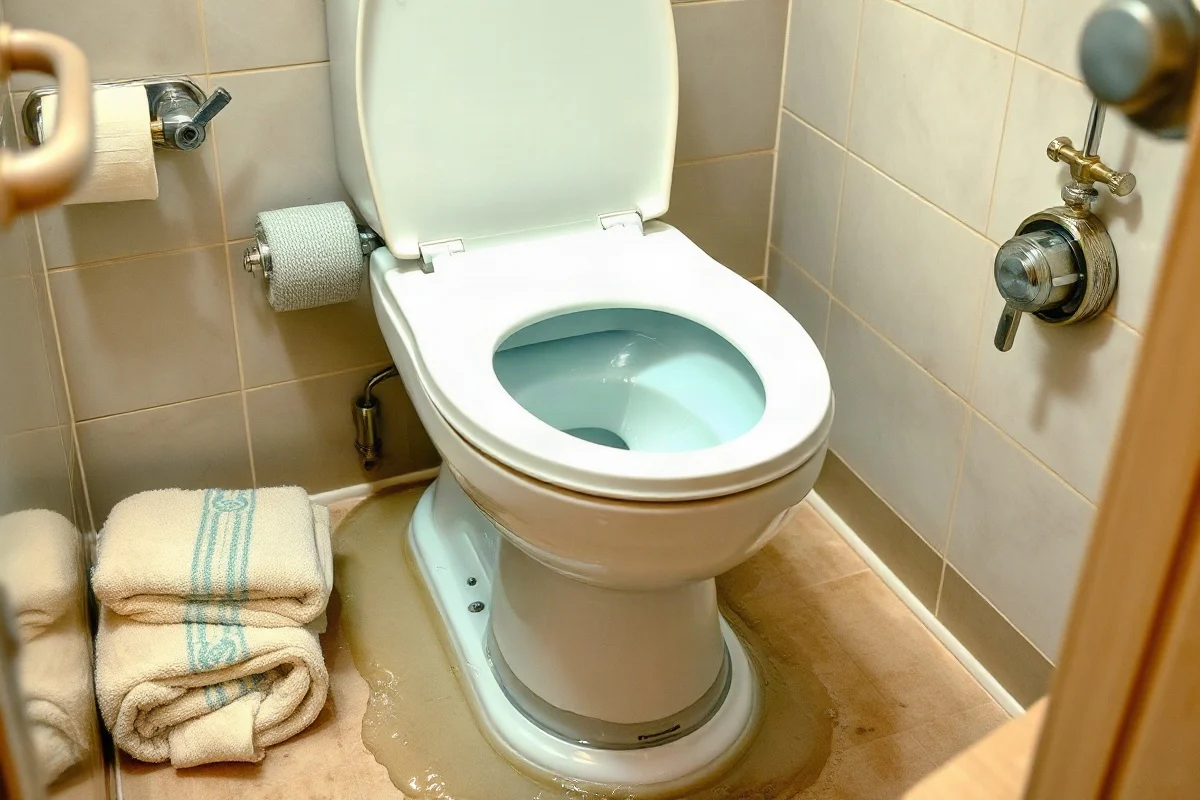
- Look for visible water around the toilet base, supply connection, or nearby flooring.
- Confirm that the toilet’s shutoff valve can close if the bowl begins to rise.
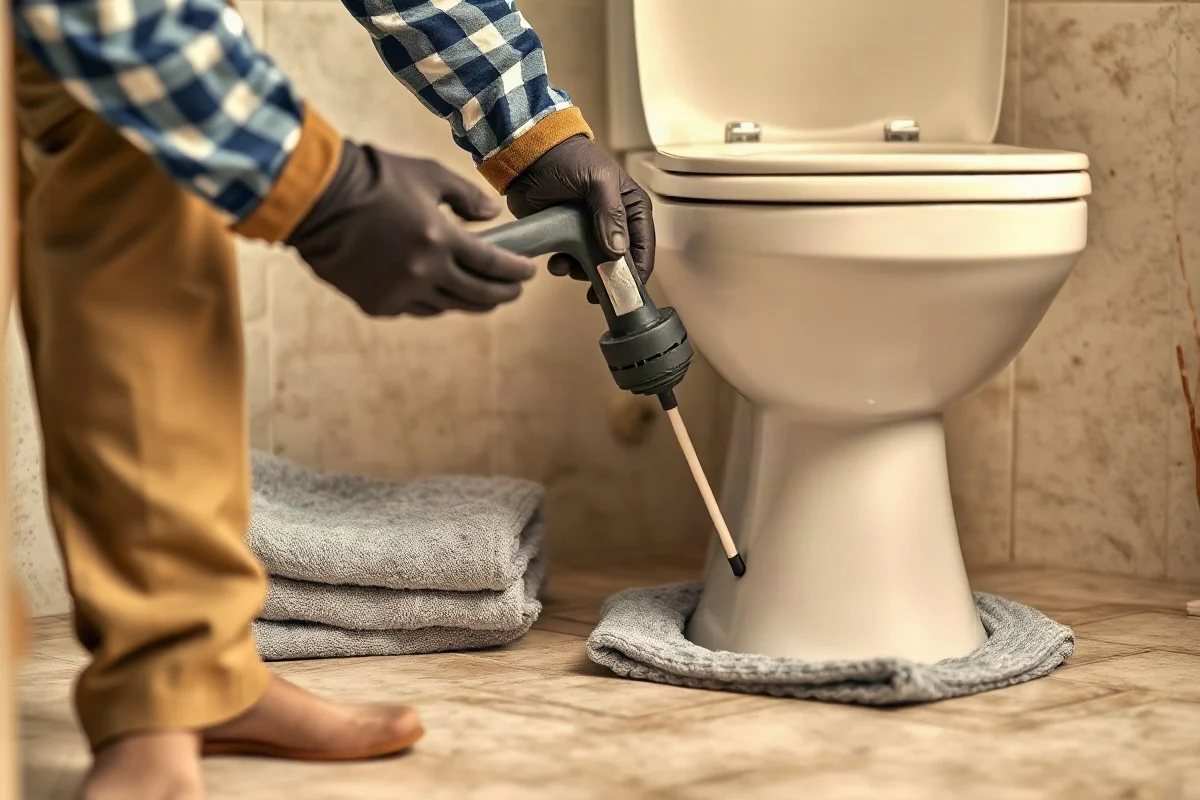
- Try one careful plunge only if the problem appears isolated to one toilet and there is no evidence that other fixtures are backing up.
Use a flange-style toilet plunger with enough water in the bowl to cover the cup. Pump steadily without striking the porcelain. Stop if the water level rises or if another fixture begins to back up. Do not keep plunging a toilet when multiple fixtures are involved; pressure may not clear a blockage and can worsen an overflow.
Avoid chemical drain cleaners in toilets. They may fail to dissolve the obstruction, can damage some plumbing components, and create a splash hazard for anyone who later works on the line. Do not use a powered drain machine unless you are trained and the equipment is appropriate for the piping. Incorrect use can damage pipes or cause injury.
When to call a professional
Contact a qualified local plumber when one toilet affects another, especially if more than one fixture backs up or the issue returns after plunging. A professional may use a properly sized auger, inspect accessible cleanouts, test the drainage system, or recommend a camera inspection when the blockage is persistent or the piping may be damaged.
Professional help is particularly important when:
- Both toilets overflow or bubble when either one is flushed.
- Wastewater appears in a tub, shower, floor drain, or basement area.
- The blockage returns soon after it is cleared.
- You suspect a sewer-line obstruction, root intrusion, or damaged pipe.
- The toilet is located near electrical equipment or extensive water has entered flooring or walls.
- You cannot identify a safe, accessible cleanout or do not have the right equipment.
For related guidance, see our information on overflowing toilet problems, professional drain cleaning, and sewer-line issues.
Repair or replacement: what is usually needed?
When the cause is a straightforward clog and the toilet itself is sound, clearing the obstruction is usually more appropriate than replacing the fixture. Replacing a toilet will not solve a blockage in a shared drain or sewer line.
A toilet may need repair when it has a damaged trap, cracked porcelain, a loose connection, or a flushing mechanism that is not working correctly. A toilet may be a candidate for replacement when it is cracked, repeatedly clogs because of its design or condition, has damaged mounting areas, or requires frequent repairs. The correct decision depends on the source of the problem, the fixture’s condition, and the plumber’s findings.
If wastewater has reached the floor, ask the plumber to check for moisture damage around the toilet base and nearby flooring. A visible leak may come from the toilet seal, supply connection, tank, or a drain connection. These are separate issues from a shared-line blockage, although they can occur at the same time.
What affects the cost of diagnosis and repair?
The total cost can vary substantially because the visible overflow does not identify the exact location or severity of the problem. Factors may include:
- Whether the obstruction is in one toilet, a branch drain, or the main sewer line.
- How accessible the cleanout or affected piping is.
- Whether basic mechanical clearing is sufficient or additional inspection is needed.
- Whether the line contains roots, damage, heavy buildup, or a collapsed section.
- Whether flooring, drywall, cabinets, or other materials require cleanup or repair after water damage.
- The time of service and the difficulty of reaching the blockage.
Before work begins, ask what the diagnostic charge includes, which repair methods are being considered, whether additional inspection may be recommended, and how you will be informed before extra work is performed. Because local service rates and conditions differ, a written estimate or clearly explained range is more useful than relying on a generic national price.
How to choose the right plumber
Look for a plumber who regularly handles drain backups, toilet overflows, and sewer-line diagnostics. Ask whether the person who will perform the work is qualified for the job in your area, whether the company carries appropriate insurance, and what documentation or explanation you will receive after the diagnosis. Local requirements can vary, so verify licensing or registration information through the relevant local or state authority when applicable.
Be cautious of anyone who recommends replacing a toilet immediately without checking the shared drain, or who proposes major excavation without explaining the evidence. A reliable professional should describe the likely blockage location, distinguish confirmed findings from possibilities, and explain practical repair options. If the problem may involve sewage, concealed piping, structural damage, or code-related work, use a qualified local professional rather than attempting an improvised repair.
Preventing repeat toilet backups
Flush only human waste and toilet paper. Keep wipes, paper towels, hygiene products, tissues, and cleaning materials out of the toilet unless local wastewater guidance specifically says otherwise. Address slow drains and repeated gurgling early instead of waiting for a complete backup.
If a plumber clears the line, ask what caused the restriction and whether follow-up inspection is appropriate. A temporary clearing may restore flow without correcting damaged or deteriorated piping. Paying attention to recurring symptoms can help you address the underlying problem before the next flush turns a warning sign into an overflow.
Comments
0No comments yet. Be the first to share a helpful note or question.
Leave a Comment
Your email address will not be published. Comments are reviewed before appearing on the site.