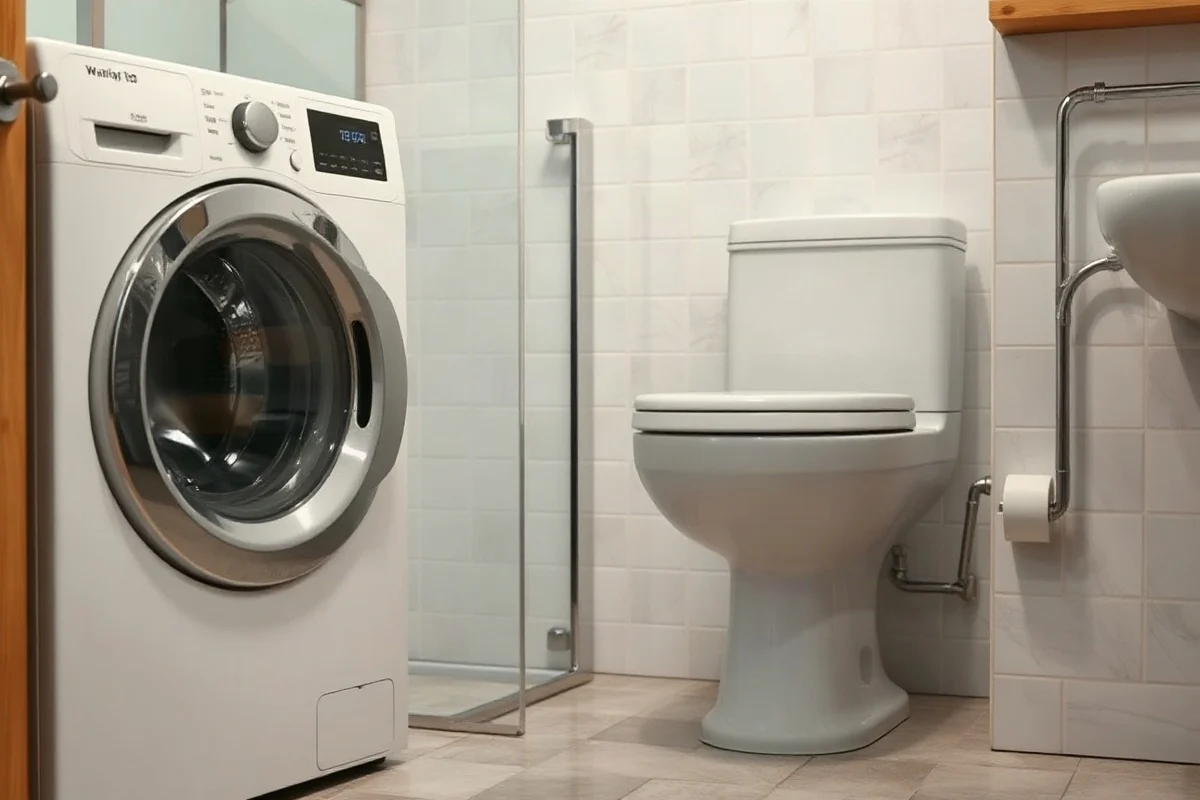
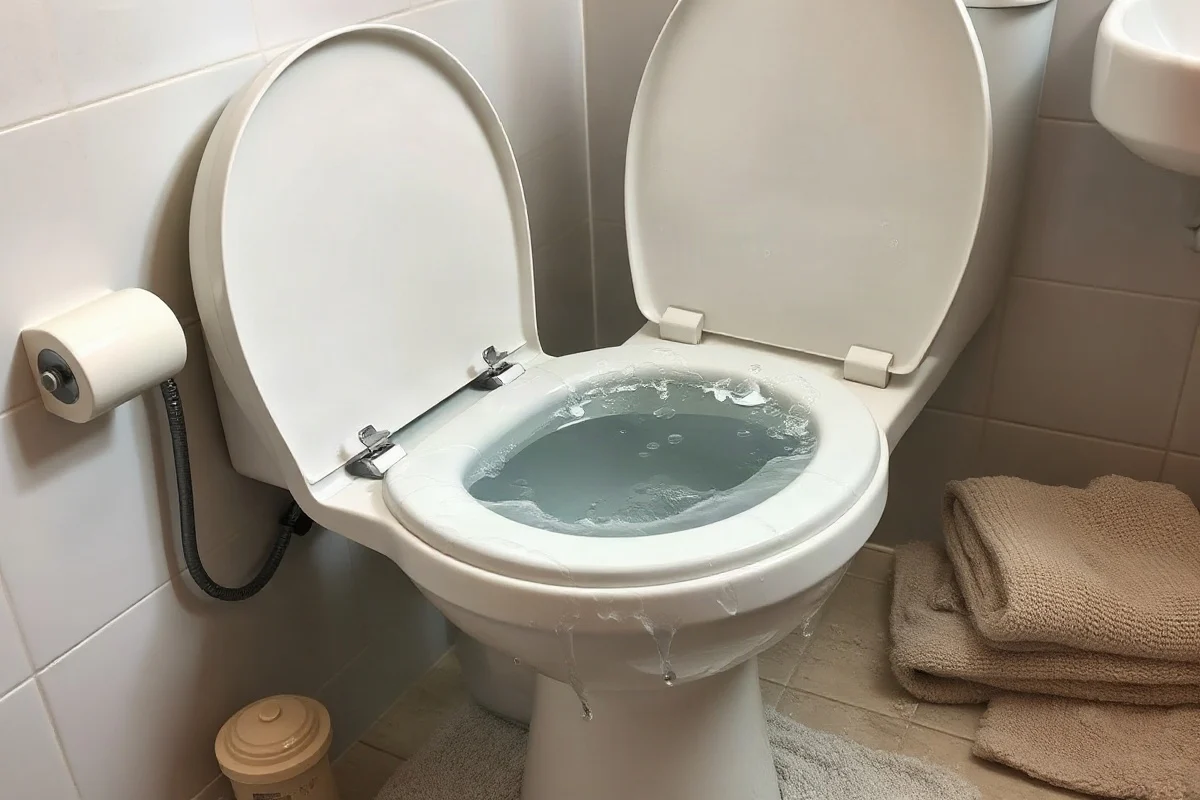
If your toilet backs up or bubbles when the washing machine drains, the most likely explanation is a partial clog in a drain line shared by both fixtures. The washing machine sends a large volume of water into the plumbing system quickly. If that water cannot move freely through the branch drain, main drain, or sewer line, pressure can push wastewater toward the toilet, which may be the lowest or most accessible opening nearby.
This symptom is more serious than an isolated slow toilet or a single small clog. It can indicate a developing blockage farther down the drainage system, and repeated use of the toilet, washing machine, sink, or shower may eventually cause an overflow. Stop using the affected fixtures if wastewater is rising, and keep people and pets away from any sewage-contaminated water.
What the symptom usually means
A toilet and washing machine often connect to the same drainage path somewhere inside the home or underground. The exact layout varies by house, but the fixtures may share a bathroom branch, a larger building drain, or a line leading toward the sewer or septic system.
When the washing machine pumps out, its discharge can expose a restriction that is not obvious during normal toilet use. Water slows at the obstruction, air pressure changes in the pipe, and the toilet may gurgle, bubble, rise, or briefly back up. You may also notice water moving in a nearby shower or floor drain.
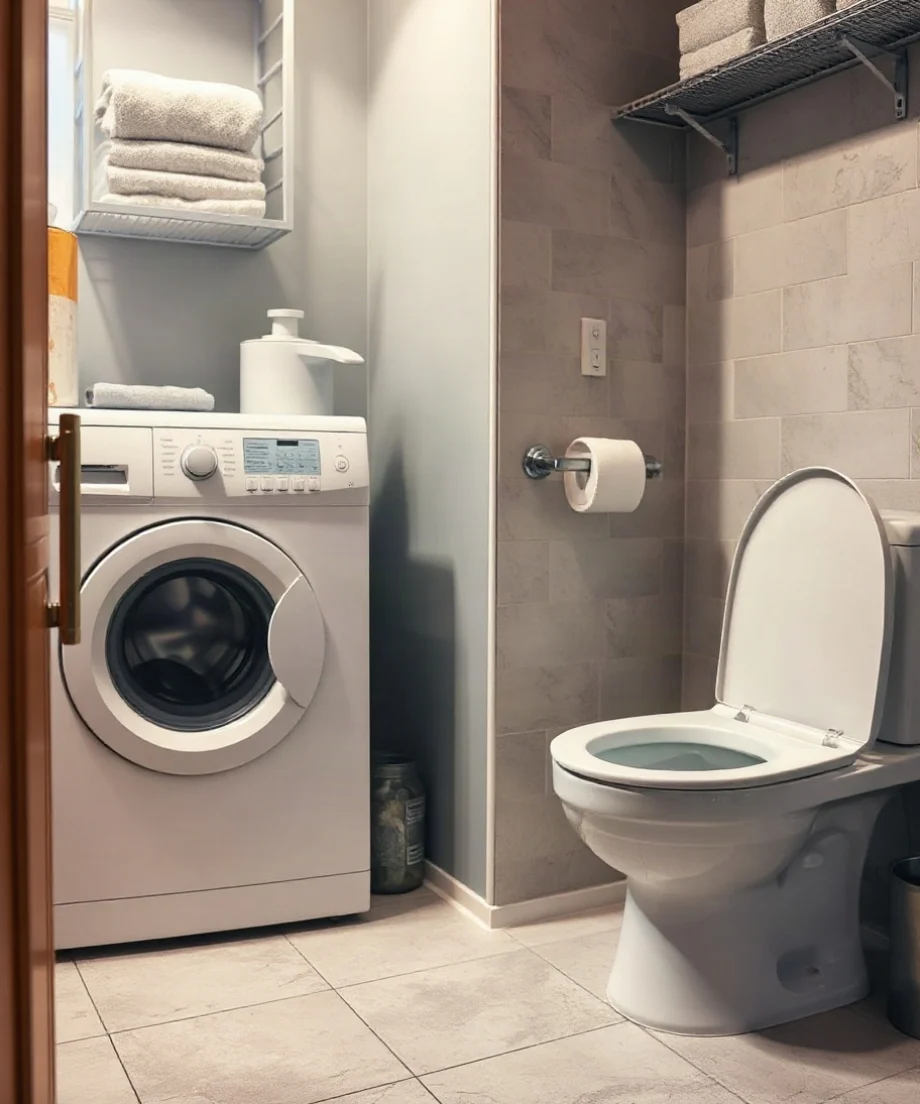
Common causes of a toilet backing up during washer drainage
A partial clog in a shared drain
This is the most common type of problem. Soap residue, lint, hair, paper, grease from other fixtures, or objects flushed into the system can narrow the inside of a drain. A partial blockage may still allow small amounts of water to pass, but the washing machine's rapid discharge can overwhelm the restricted section.
The location matters. A clog close to the washing machine may affect only that fixture, while a blockage beyond the point where several fixtures join can cause problems at the toilet, sink, tub, and laundry drain.
A blocked or poorly functioning vent
Plumbing vents help balance air pressure in drain piping and allow wastewater to flow smoothly. A vent can become obstructed by debris, a nest, ice in some climates, or another problem with the vent system. Poor venting may cause gurgling and slow drainage, although a true wastewater backup more often points to a drain restriction.
Do not climb onto a roof to inspect or clear a vent as a casual DIY task. Roof access creates fall hazards, and vent work may require professional diagnosis.
A main drain or sewer line restriction
If several fixtures back up at once, the problem may be in the main building drain or the sewer line leaving the home. Tree roots, damaged pipe, settled sections, heavy buildup, or a significant obstruction can restrict flow. In a home connected to a septic system, a full or malfunctioning tank or a problem in the outlet system may produce similar symptoms.
Main-line and sewer problems are not good candidates for repeated plunging or chemical drain cleaners. They often require appropriate inspection equipment and a qualified local plumber or sewer professional.
A laundry drain or standpipe problem
Sometimes the restriction is concentrated in the washing machine's standpipe or nearby branch drain. Water may rise in the laundry drain and send pressure through connected piping, making the toilet react. A washing machine hose inserted too deeply, an improperly arranged drain connection, or a clogged standpipe can also contribute to poor drainage. The correct repair depends on the plumbing layout and the location of the obstruction.
Safe checks you can make first
Homeowners can perform a few low-risk observations, but avoid opening pipes, working on roof vents, or handling sewage without proper protection.
- Stop the washing machine. If it is currently draining, pause the cycle if possible. Do not run another load to test the system.
- Do not flush the toilet repeatedly. Turn off the toilet's water supply valve if the bowl is rising. The valve is usually located on the wall or floor behind the toilet. Turn it clockwise gently; do not force a stuck valve.
- Check nearby fixtures. Look for slow drainage, bubbling, or water rising in a shower, bathtub, floor drain, or laundry standpipe. This helps show whether the issue is limited to the toilet or affects a larger section of the system.
- Look for visible leaks. Check around the toilet base, exposed drain connections, and the washing machine hoses. Do not remove fittings or panels just to search for a hidden blockage.
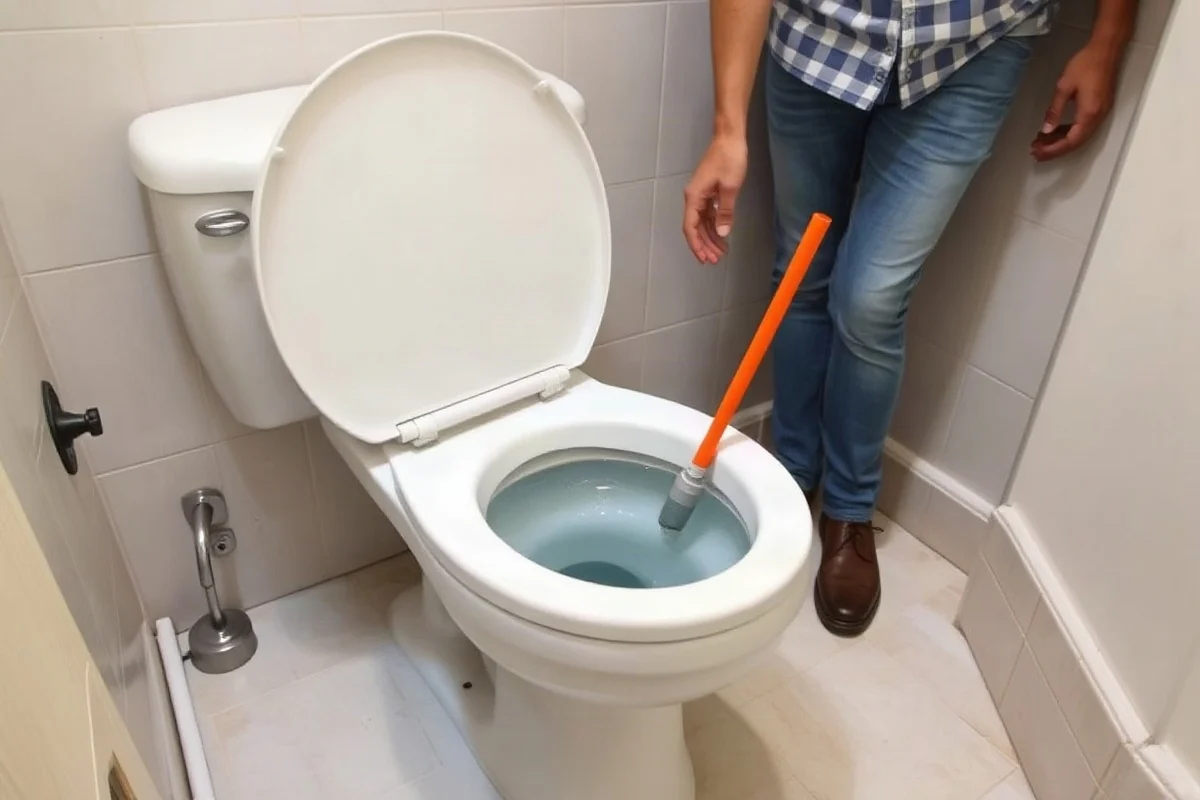
- Use a plunger only for a clearly isolated toilet clog. A flange-style toilet plunger can be reasonable when the toilet alone is slow and no other fixture is affected. Stop if water backs up elsewhere, the bowl overflows, or plunging does not improve the problem.
Do not pour chemical drain cleaner into a toilet or washing machine drain. These products may fail to clear a deeper obstruction, can damage some plumbing components, and may leave caustic material in standing water. They also create a hazard for anyone who later opens the drain or uses a professional cable.
When to call a plumber
Arrange professional service when the toilet backs up every time the washer drains, multiple fixtures are affected, the problem returns after a temporary improvement, or wastewater is entering the home. A qualified plumber can determine whether the restriction is in a fixture branch, building drain, sewer line, or septic-related component.
Call for prompt help if sewage is overflowing, the backup is spreading, a floor drain is filling, or you cannot stop water from entering the area. Avoid contact with sewage and do not use electrical equipment near standing water. If flooding has reached outlets, appliances, or electrical equipment, leave the area and contact an appropriately qualified professional. For broader emergency guidance, see this emergency plumber resource.
Plumbers may use a drain cable, an appropriate cleaning method, or a camera inspection depending on the suspected location and condition of the line. A camera inspection can be especially useful when the obstruction keeps returning or when a damaged sewer line is possible. You can learn more about when that approach may help in this drain camera inspection guide.
Repair or replacement: what may be needed?
A simple, reachable blockage may be cleared without replacing any pipe. However, clearing the immediate obstruction is not always the same as correcting the underlying cause. If roots, broken sections, severe buildup, or a collapsed line are involved, the plumber may recommend a more extensive repair.
Replacement is more likely to be considered when the pipe is structurally damaged, repeatedly fails, or cannot be restored reliably with cleaning. The decision should be based on the pipe's condition, location, access, expected service life, and the risks of leaving the problem untreated. Ask the plumber to explain whether the proposed work addresses a blockage, a structural defect, or both.
Do not assume that a new toilet or washing machine will solve a drainage backup. Fixtures can be replaced when they are damaged or improperly installed, but a restriction downstream will continue to affect new fixtures.
What affects plumbing costs?
The cost of correcting this problem depends on facts that cannot be determined from the symptom alone. Important factors may include:
- Where the blockage is located and how difficult it is to reach
- Whether the issue affects one branch drain, the main building drain, or the sewer line
- How much diagnostic work is needed before repair
- Whether the line needs cleaning, camera inspection, excavation, or another repair method
- The condition, material, and accessibility of the existing pipe
- Whether sewage cleanup, water damage restoration, or fixture repair is also necessary
Ask for a written description of the diagnosis, the proposed work, and what is included before authorizing nonemergency repairs. Be cautious of anyone who recommends major replacement without explaining where the failure is or what evidence supports the recommendation. For general planning information, review this guide to plumbing costs, while keeping in mind that actual charges vary by location and job conditions.
How to choose the right local plumber
Look for a plumber or plumbing company with relevant experience in drain backups, main-line problems, and sewer diagnostics—not only fixture replacement. Ask whether the person handling the work is qualified for the type of repair and whether the company can provide documentation of the findings, such as a camera recording or written assessment when appropriate.
Before work begins, clarify the service scope, diagnostic steps, cleanup responsibilities, and any conditions that could change the estimate. Avoid selecting a provider solely because of an unusually low initial quote. The right choice is a qualified local professional who explains the cause clearly, uses a suitable repair method, and does not encourage unsafe DIY work around sewage or concealed piping. This guide to hiring a plumber can help you prepare useful questions.
How to reduce the chance of another backup
Do not flush wipes, paper towels, hygiene products, grease, or objects that are not intended for the toilet. Use the washing machine according to its installation instructions, and respond promptly to slow drains, gurgling, or recurring toilet bubbles. If a plumber identifies a damaged or aging drain line, follow the recommended maintenance or repair plan rather than treating each backup as an isolated clog.
A toilet that reacts when the washing machine drains is a warning that the two fixtures may share a restricted drainage path. A safe observation and an isolated plunger attempt may be reasonable in limited circumstances, but recurring backups, multiple affected fixtures, sewage, or suspected main-line trouble call for qualified local help before the next load of laundry turns a warning into an overflow.
Comments
0No comments yet. Be the first to share a helpful note or question.
Leave a Comment
Your email address will not be published. Comments are reviewed before appearing on the site.