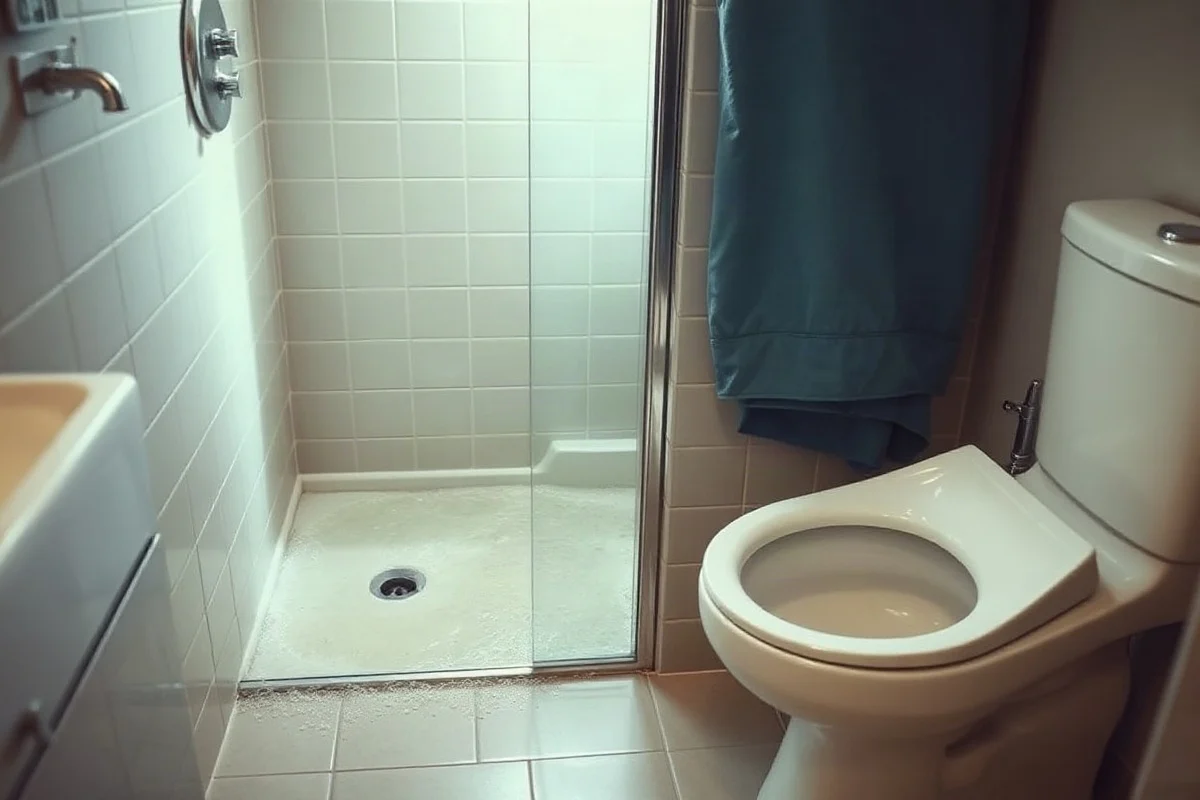
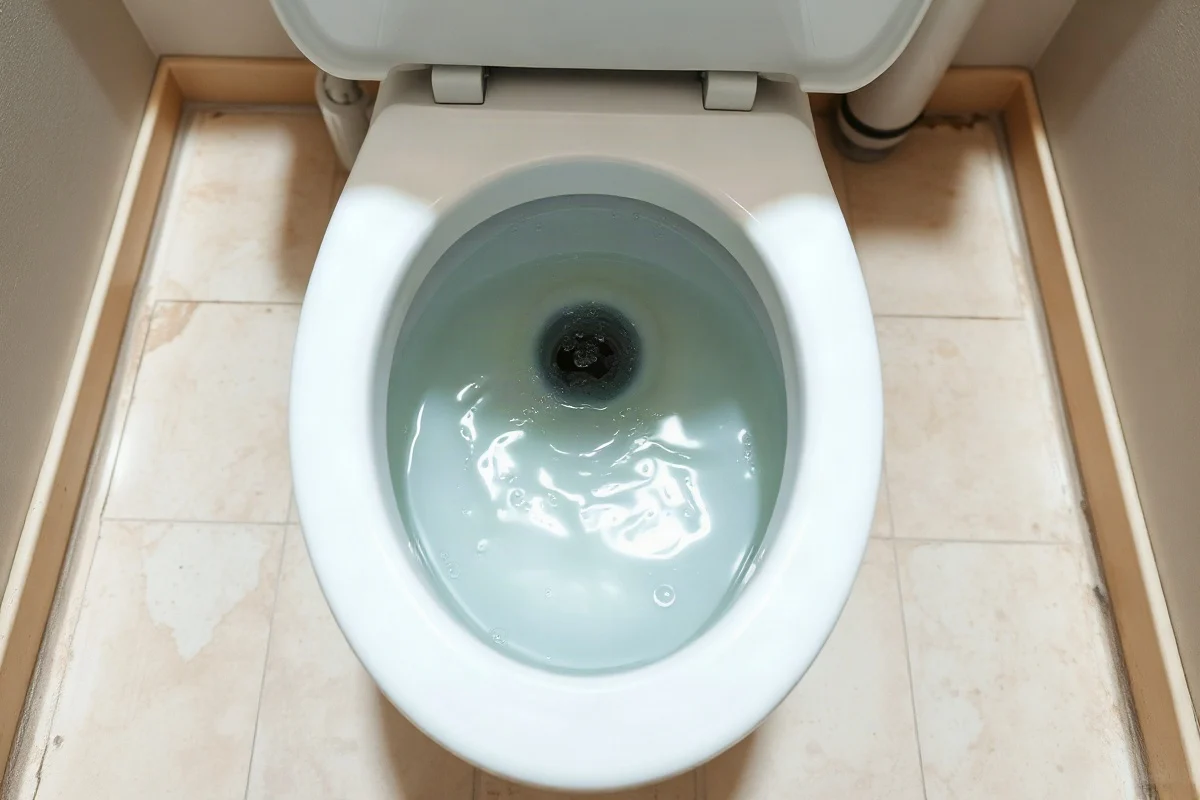
If your toilet overflows when the shower is running, the most likely cause is a clogged or restricted drain line shared by those fixtures. Water from the shower cannot move through the drain system normally, so it may push air and wastewater toward the toilet, which is often the lowest or easiest opening. A partial blockage may first cause slow drainage, bubbling, or a rising toilet bowl. A complete blockage can lead to an overflow and possible sewage exposure.
What the shower and toilet have in common
Bathroom fixtures usually connect to a network of drainpipes that carries wastewater away from the home. The shower and toilet may use different branch pipes near the fixtures, but those branches can join farther downstream. If a blockage develops after that connection point, water from the shower has limited room to escape.
When the shower runs, several gallons of water may enter the drain over a short period. If the shared line is narrowed by hair, soap residue, paper, grease, foreign objects, or buildup, the water may move slowly or stop altogether. The trapped water and air can then travel through the plumbing and disturb the toilet bowl. Common signs include:
- The toilet water rises while the shower is draining.
- The toilet gurgles or bubbles when the shower runs.
- The shower drains slowly, especially during longer showers.
- Water backs up into the tub or shower pan when the toilet is flushed.
- Several bathroom fixtures drain slowly at the same time.
- The toilet overflows even though there is no obvious object stuck in the bowl.
Common causes of this problem
A clog in the shared bathroom drain
A blockage in a branch drain or larger bathroom drain is the most common explanation. Hair and soap are frequent contributors near shower drains, while excessive toilet paper or unsuitable items can restrict the toilet branch. A blockage farther down the line can affect both fixtures at once.
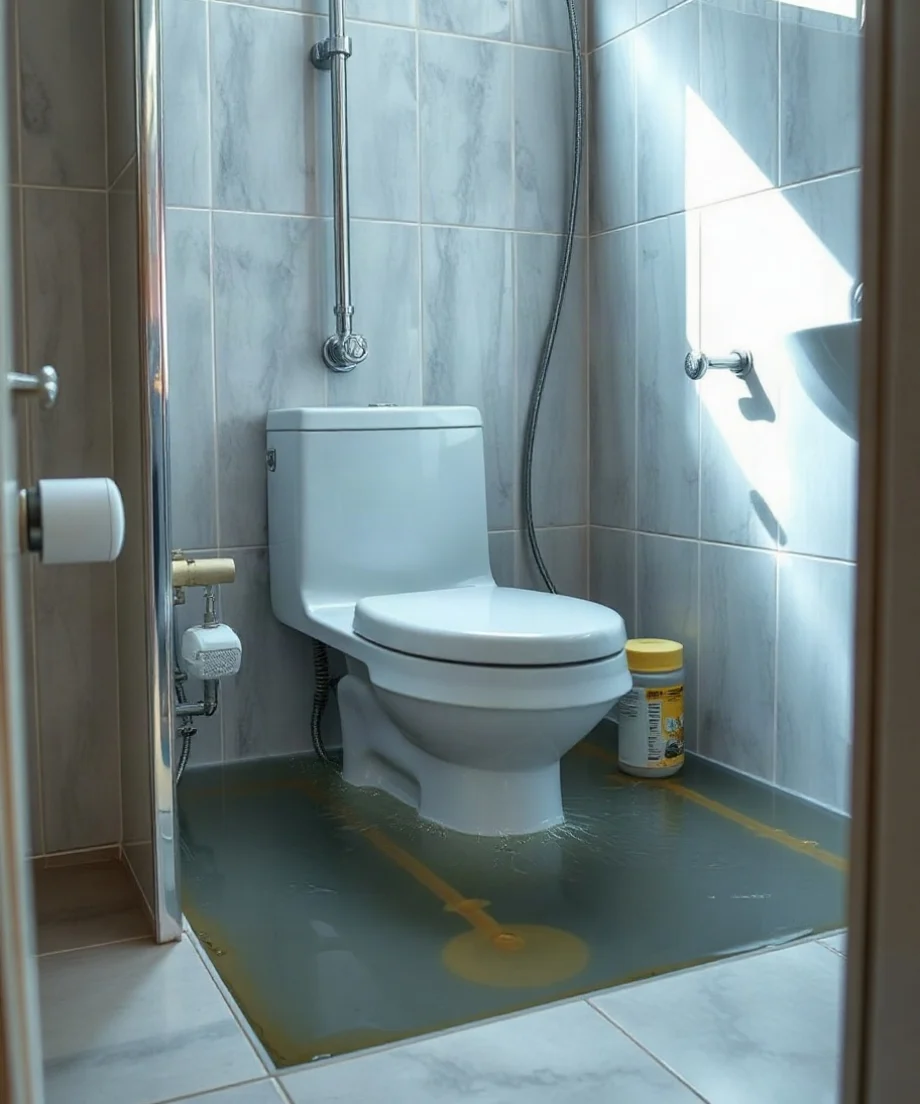
Do not assume that a shower drain cover has caught everything. Small material can pass into the pipe and combine with other debris. Over time, the opening may become narrow enough that normal shower flow overwhelms it.
A blocked main sewer line
If toilets, sinks, tubs, and floor drains throughout the home are backing up or draining slowly, the problem may be in the main building drain or sewer line rather than just the bathroom. Tree roots, damaged pipe sections, heavy buildup, or a displaced connection can restrict the line.
Sewage backups are a health concern. Avoid contact with contaminated water, keep children and pets away from the area, and contact a qualified local professional. A plumber may need to inspect the line with specialized equipment before recommending cleaning or repair. You can learn more about warning signs and professional evaluation through this sewer line service guide.
A clogged toilet trap
Sometimes the toilet itself is restricted, and the shower simply makes the problem more noticeable. A toy, wipe, sanitary product, excessive paper, or another object may be lodged in the toilet trap. If the toilet rises only when flushed, a toilet-specific clog is more likely. If it rises when the shower runs, the restriction may be farther downstream, but both possibilities should be considered.
A venting problem
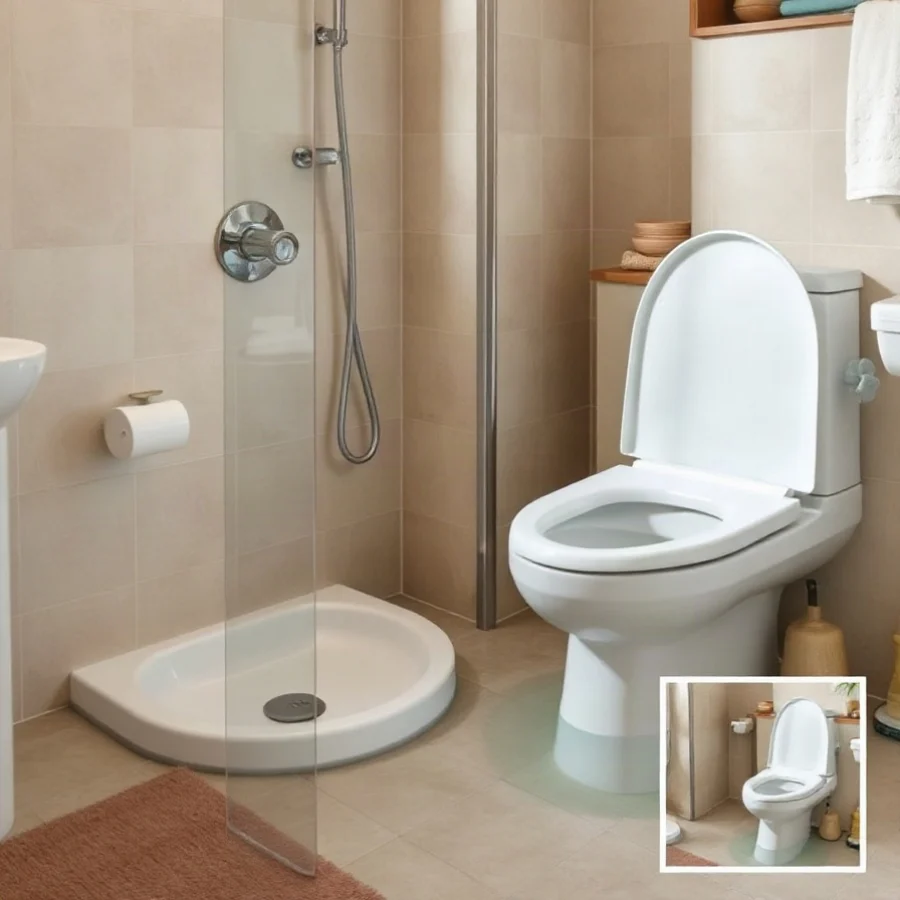
Drain vents allow air to enter the plumbing system and help wastewater flow smoothly. A blocked or damaged vent can cause gurgling, slow drainage, trap-water movement, or unpleasant odors. However, vent problems can resemble drain clogs, and diagnosing a concealed vent safely may require professional tools and access.
A damaged or poorly functioning septic system
Homes connected to septic systems can experience backups when the tank, outlet, distribution components, or drain field are not accepting wastewater properly. If multiple fixtures back up and the home uses septic service, contact an appropriate qualified professional rather than repeatedly flushing or running water.
What to do immediately if the toilet starts to overflow
Act quickly to limit water damage. If the toilet is filling, turn off the shutoff valve on the wall or floor behind the toilet by turning it clockwise. If the valve is difficult to operate, do not force it aggressively. You can also remove the tank lid and lift the float or close the flapper temporarily to stop additional tank water from entering the bowl.
Stop running the shower and avoid using nearby sinks, tubs, washing machines, and other fixtures until you understand whether the blockage affects a shared or main drain. Do not flush the toilet again to test it. Place towels around clean water only; do not handle sewage without suitable protection, and do not mix household chemicals while trying to clear the problem.
Safe homeowner checks
Some basic checks are reasonable if there is no sewage exposure, major flooding, electrical hazard, or other unsafe condition:
- Observe the pattern. Note whether the toilet rises only during the shower, whether the shower drains slowly, and whether other fixtures are affected.
- Check the toilet shutoff valve. Confirm that it is accessible and can stop water entering the tank. Do not remove the valve or supply line.
- Inspect the shower drain cover. Remove visible hair or debris from the surface using gloves or a simple tool. Do not push material deeper into the pipe.
- Try a flange-style toilet plunger. If the bowl contains clean water and there is no sign of sewage backup elsewhere, use controlled plunging rather than forceful repeated pumping. Protect the surrounding floor from splashes.
- Check for other affected fixtures. If more than one fixture is slow or backing up, stop using the plumbing and arrange professional service.
Use caution with chemical drain cleaners. They may not resolve a blockage in a shared line, can damage some plumbing components, and may leave dangerous chemicals in standing water. They also create a hazard for anyone who later removes a trap or uses drain equipment. Mechanical clearing and diagnosis by a qualified professional are often safer when the location of the blockage is uncertain.
When a plumber is needed
Call a qualified local plumber when plunging does not restore normal drainage, the toilet repeatedly overflows, or the shower and toilet affect each other. Professional help is also appropriate when several fixtures are involved, the blockage may be in a main drain, or the home has a history of recurring backups.
Do not attempt to open concealed drain lines, remove a toilet, access a sewer cleanout, or use powered drain equipment if you are not familiar with the risks. Sewage exposure, major flooding, damaged pipes, hidden leaks, and work that may involve local code requirements should be handled by a qualified professional. If wastewater is spreading through the home or threatening finished surfaces, seek prompt assistance through an emergency plumber service.
Repair options depend on the blockage location
A plumber may begin by testing fixture drainage, checking accessible cleanouts, and determining whether the issue is limited to the toilet, located in the bathroom branch, or affecting the main sewer line. Depending on the findings, possible solutions include:
- Toilet clearing: A plumber may remove a localized obstruction with appropriate hand tools or equipment.
- Branch drain cleaning: A restricted shower or bathroom line may require mechanical cleaning to remove accumulated material.
- Main line cleaning: If the blockage is farther downstream, the professional may clean the main drain using equipment suited to the pipe and obstruction.
- Camera inspection: Recurring backups, suspected root intrusion, damaged pipes, or an unclear blockage may justify a camera inspection before repair decisions are made.
- Pipe or sewer repair: If cleaning cannot correct a damaged, collapsed, separated, or severely deteriorated pipe, repair or replacement may be considered.
- Vent service: If testing points to a venting issue, the plumber may inspect and clear the accessible vent system.
Cleaning and replacement are not interchangeable decisions. A one-time obstruction with an otherwise sound pipe may need cleaning only. Repeated backups, structural damage, root intrusion, or persistent restrictions may make a repair more practical than repeated temporary clearing. Ask the plumber to explain what was found and why the recommended work addresses the cause.
What affects the cost of fixing an overflowing toilet
The total cost can vary substantially because the visible symptom does not identify the location or severity of the problem. Important factors include the time needed to diagnose the drainage pattern, the location of the obstruction, the equipment required, access to cleanouts or pipes, whether sewage cleanup is needed, and whether the issue involves a branch drain, main sewer line, vent, or damaged pipe.
Additional work may be needed if the blockage is recurring or if an inspection finds structural damage. Ask for a written description of the recommended work, what is included, whether diagnostic services are separate, and what conditions could change the estimate. A useful overview of common variables is available in this guide to plumbing costs.
How to choose the right plumber
Look for a plumbing professional who regularly handles drain backups, toilet overflows, and sewer-line problems. Before authorizing work, ask:
- Where do you believe the blockage is located, and how will you confirm it?
- What method will you use to clear or inspect the line?
- Could the problem be a damaged pipe rather than a simple clog?
- What cleanup is included if wastewater has reached the floor?
- Will you explain the findings before recommending replacement or excavation?
- What documentation, workmanship terms, or manufacturer coverage applies to any installed parts?
Choose a provider who communicates clearly, gives a scope of work before starting, and does not pressure you into replacing pipes without explaining the evidence. If you need help with a toilet-specific issue, review this toilet repair resource for related symptoms and service considerations.
How to reduce the chance of another backup
Keep wipes, paper towels, feminine hygiene products, cotton swabs, dental floss, and other non-dissolving items out of the toilet. Remove hair from the shower drain regularly, and respond to slow drainage or gurgling before the fixture overflows. Avoid flushing repeatedly when the bowl is rising, and do not pour grease or harsh chemicals into bathroom drains.
If the same toilet backs up whenever the shower runs, treat that pattern as a drainage warning rather than a minor toilet problem. Limiting water use and arranging an accurate diagnosis can help prevent contaminated water, floor damage, and a more extensive repair.
Comments
0No comments yet. Be the first to share a helpful note or question.
Leave a Comment
Your email address will not be published. Comments are reviewed before appearing on the site.