Yes, a small water pipe leak can sometimes be fixed without replacing the entire pipe, but the right repair depends on the leak’s location, size, pipe material, water pressure, and overall pipe condition. A loose connection, worn washer, pinhole, or small crack may respond to tightening, a new seal, a repair clamp, or a professionally installed coupling. However, tape and epoxy are not suitable permanent solutions for every situation. Shut off the water first, limit damage, and call a qualified local plumber for concealed leaks, major flooding, sewage, unsafe conditions, or a pipe that has multiple weak spots.
First, identify where the water is coming from
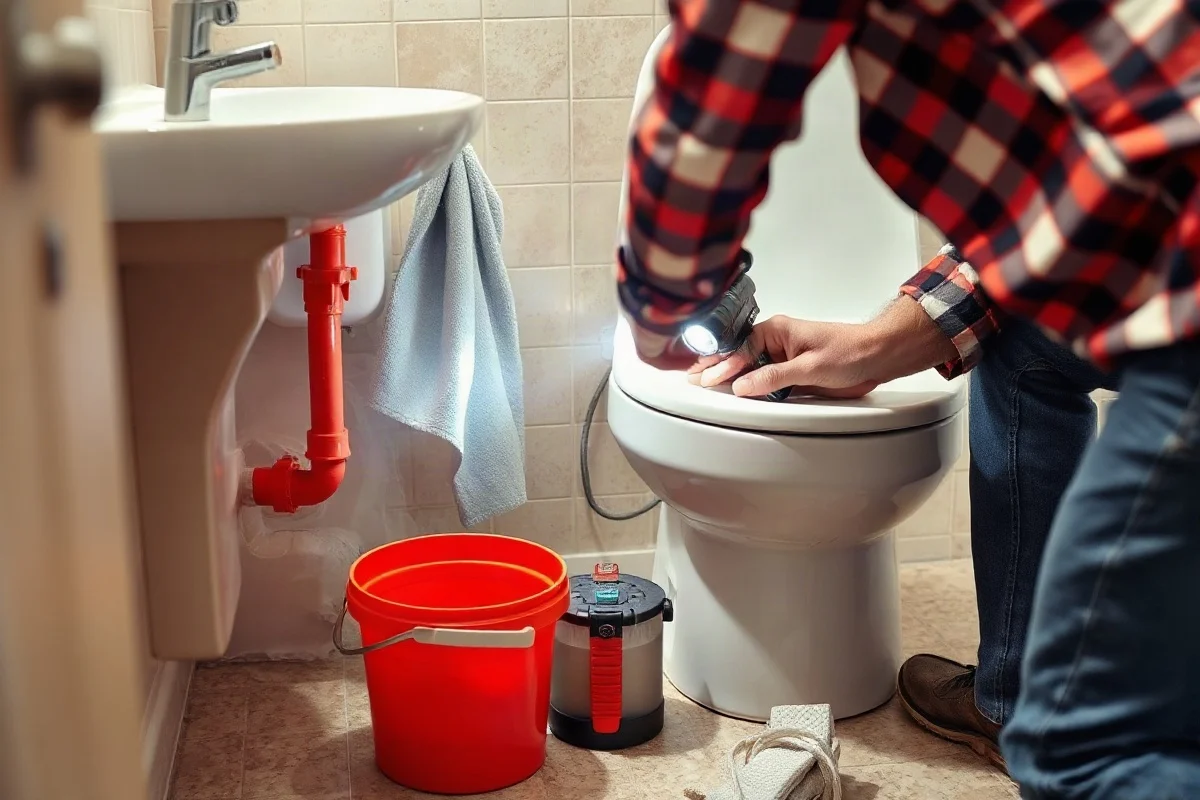
Water often travels along a pipe, wall, floor, or toilet base before it becomes visible. The wet spot you see may not be the actual source. Dry the area with a towel, then watch for the first place where moisture returns. A flashlight can help you inspect joints, valves, supply lines, and the underside of fixtures.
If the leak is near a toilet, determine whether it is coming from the tank, the supply connection, the shutoff valve, the fill valve, the flush valve, or the toilet’s connection to the drain. Water around the base can also come from a loose tank bolt, condensation, a failing wax or gasket seal, or wastewater escaping during a flush. These problems require different repairs, even though they may look similar.
Common signs of a pressurized pipe leak
- Water appears even when no fixture is running.
- A joint or fitting stays wet after the area is dried.
- The water meter moves when all faucets and fixtures are off.
- You hear hissing, dripping, or rushing behind a wall.
- Paint, drywall, flooring, or cabinets become stained or swollen.
- Water pressure drops unexpectedly.
A leak that only appears when a toilet is flushed or a faucet is used may involve a drain connection or fixture seal rather than a constantly pressurized supply pipe. If the water smells foul or appears contaminated, avoid contact and use a qualified professional.
Safe steps to take before attempting a repair
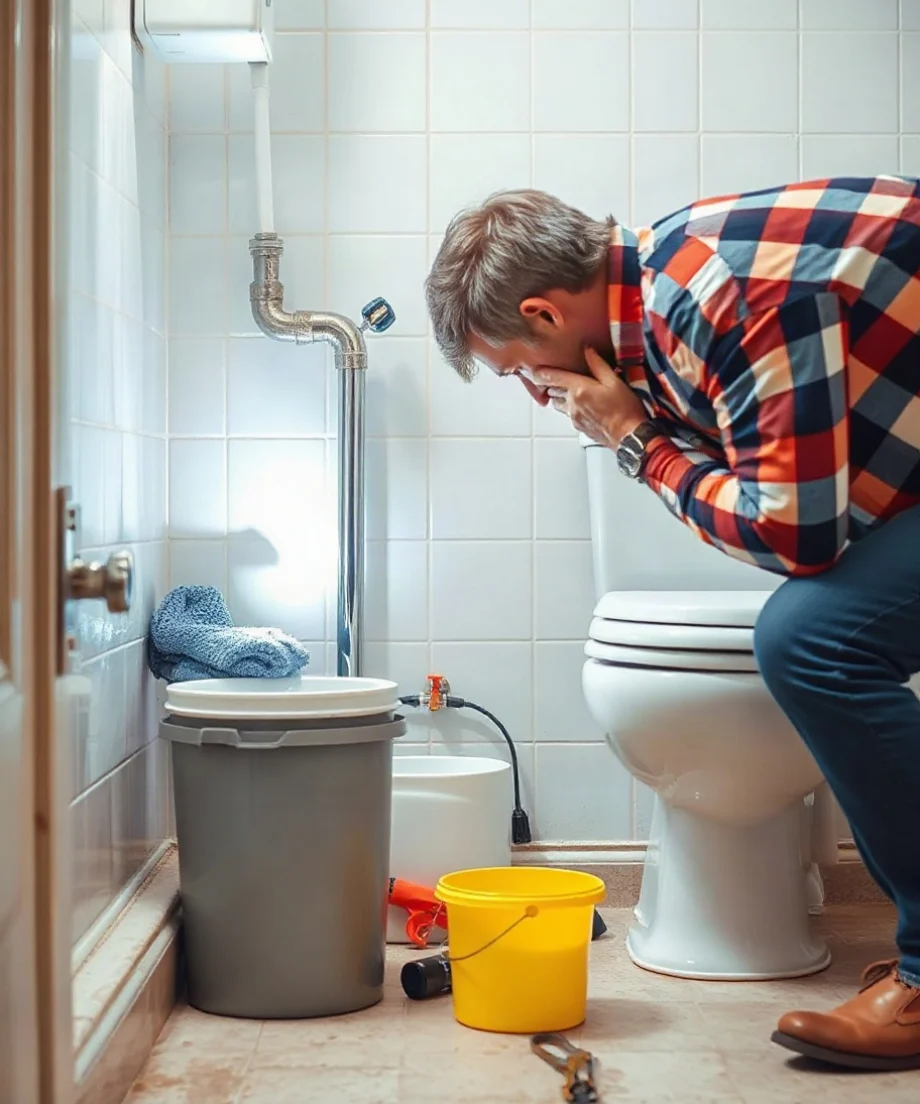
For a small, accessible leak, a homeowner can usually perform a few low-risk checks. Place a bucket or pan under the leak, remove nearby items, and wipe up standing water. If water is reaching electrical equipment, outlets, or wiring, do not touch the wet area. Move to a dry location and get professional help.
Close the small shutoff valve serving the fixture if it operates smoothly. For a toilet, this valve is commonly located near the wall or floor behind the fixture. Turn it clockwise by hand without forcing it. If the valve is stuck, corroded, or begins leaking around its stem, stop and call a plumber. If the local valve does not stop the water, shut off the home’s main water supply only if you know where it is and can operate it safely.
After shutting off the water, open a nearby faucet briefly to relieve pressure. Do not remove a fitting that is still under pressure. If you cannot stop the flow, the leak is spreading quickly, or water is entering walls, ceilings, or flooring, treat it as an urgent repair. You can review emergency leak repair guidance while arranging qualified local help.
Repair options that may avoid replacing the whole pipe
Retightening a loose connection
A threaded connection may leak because it has loosened slightly or because its sealing material has deteriorated. Once the water is off, a homeowner may be able to tighten an accessible nut modestly with an appropriate wrench. Use one wrench to hold the stationary fitting and another to turn the nut when necessary. Avoid excessive force. Over-tightening can crack a plastic fitting, distort a gasket, or damage older metal threads.
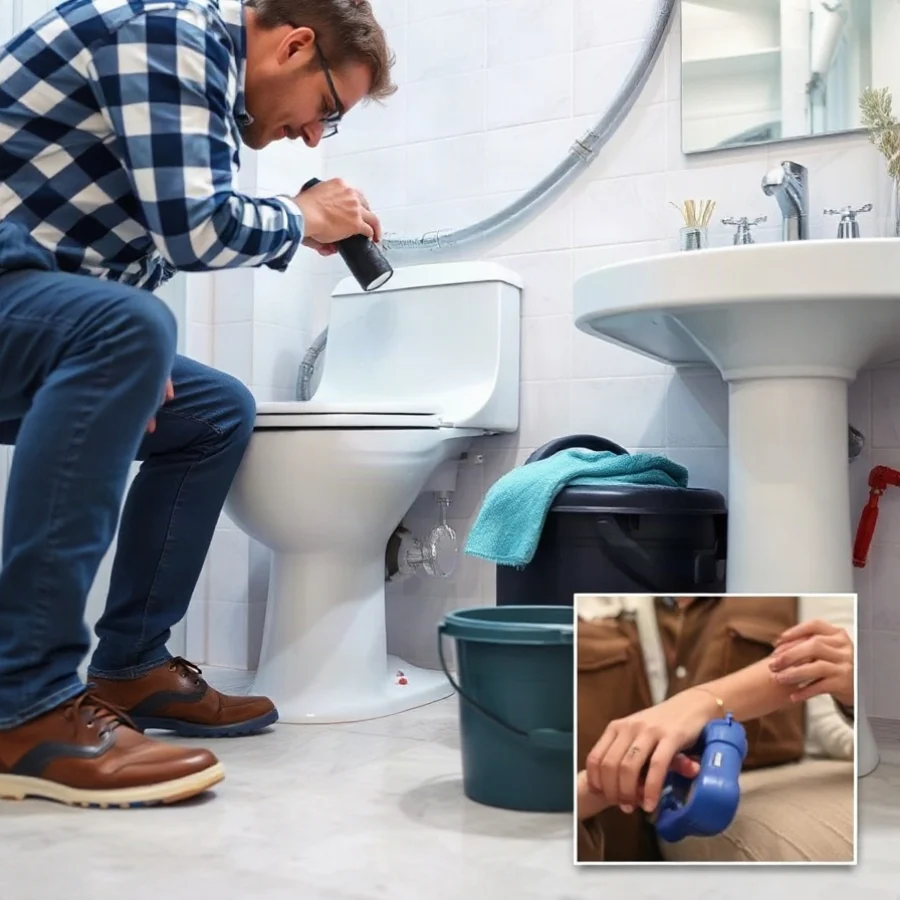
This approach is most appropriate when the pipe and fitting are in good condition and the leak clearly comes from the connection. If tightening does not stop the leak, repeated tightening is unlikely to solve the underlying problem. The fitting may need a new washer, gasket, seal, or professionally installed replacement connection.
Replacing a washer, O-ring, or gasket
Some leaks come from a failed sealing component rather than a damaged pipe. Supply-line nuts, compression fittings, toilet tank connections, and certain valves use washers or O-rings that can flatten, split, or harden over time. Replacing the correct component may restore the seal without replacing the pipe.
Take the old part to a plumbing supply store or use the fixture’s identifying information to find a compatible replacement. Do not assume that a similar-looking washer will work. Reassemble the connection carefully, keep the parts aligned, and turn the water back on slowly while checking for drips.
Using a repair clamp for a small exposed leak
A pipe repair clamp can sometimes provide a short-term or long-term repair for a small hole in an accessible, straight section of rigid pipe. The clamp uses a gasket and pressure to cover the damaged area. The pipe surface must be reasonably sound, and the clamp must match the pipe’s size and shape.
Repair clamps are not suitable for every pipe, location, or type of damage. They may not seal a split that extends along the pipe, a severely corroded section, a leaking joint, or a pipe that is moving under pressure. A clamp installed over weak or crumbling material can fail without warning. For a reliable permanent repair, a plumber may need to remove the damaged section and install a properly supported coupling, even if the entire pipe does not need replacement.
Epoxy putty and pipe repair tape
Epoxy putty and specialized repair tape can sometimes slow or stop a small leak on an exposed pipe after the water is shut off and the surface is cleaned and dried. These products may be useful as temporary measures while arranging service, especially when a full repair cannot be completed immediately.
They should not be treated as universal solutions. Moisture, movement, heat, pressure, chemical exposure, and a dirty pipe surface can prevent a proper bond. They also cannot correct a failing joint, hidden corrosion, or a pipe that is splitting in several places. Follow the product instructions exactly, and do not use a product unless it is intended for the pipe material and application. When in doubt, choose professional repair instead of relying on a patch.
When a section can be repaired instead of replacing the whole pipe
In many cases, a plumber can remove only the damaged portion and connect the remaining sound pipe with an approved repair method. This may be reasonable when the leak is localized, the surrounding pipe is structurally sound, and the damaged area is accessible.
A professional will consider the pipe material, diameter, age, corrosion, movement, support, water pressure, and location. Copper, plastic, galvanized steel, and other piping systems require different tools and connection methods. The repair must also fit the existing system and remain accessible or properly protected after the work is complete.
If the pipe has several pinholes, widespread rust, mineral buildup, repeated repairs, or damage in multiple rooms, replacing a larger section may be more practical than patching one leak at a time. A professional can explain whether a localized repair is likely to last or whether broader work is justified. For general repair options, see our pipe repair guide.
Situations that need a qualified plumber
Do not open walls, ceilings, floors, or concrete to chase a suspected leak unless you understand the risks and have a safe plan. Hidden leaks can damage framing, insulation, flooring, and electrical systems. A plumber may need to use pressure testing, moisture investigation, or other diagnostic methods to locate the source without unnecessary demolition.
Professional help is also important when:
- The leak is large, rapidly spreading, or cannot be stopped.
- The pipe is inside a wall, ceiling, slab, or crawl space with limited access.
- Sewage or contaminated water is involved.
- The pipe is connected to a water heater or another high-temperature system.
- The repair involves gas, electrical equipment, or unsafe working conditions.
- The pipe is badly corroded, frozen, cracked, or repeatedly failing.
- Water has damaged structural materials or created a possible mold problem.
- You are unsure which shutoff controls the leaking line.
For a toilet-related issue, a specialist in toilet leak repair can distinguish a supply-pipe leak from a tank, bowl, drain, or base-seal problem. A leak at the toilet base should not be assumed to be clean water.
What affects the cost of a no-replacement repair?
The cost depends on the diagnosis and the work required, not simply on the amount of water that has leaked. Important factors include the pipe material, the size and location of the damaged area, access, whether water must be shut down for the property, and whether surrounding materials need to be removed or restored.
Other factors can include the condition of nearby valves and fittings, the need for leak detection, after-hours scheduling, cleanup, and whether the repair reveals additional deterioration. A simple accessible seal replacement is different from opening a finished wall and repairing a concealed line. Ask the plumber to separate diagnostic work, repair work, material charges, and restoration when possible. You can also review general plumbing cost factors before requesting estimates.
How to choose the right local plumber
Look for a plumber who regularly handles leak diagnosis and the type of piping or fixture involved. Before work begins, describe where the water appears, when it occurs, whether the main shutoff works, and whether there has been prior patching. Ask what repair method is being recommended and why replacing only a section is appropriate.
Request a written explanation of the planned work, materials, access requirements, and any limitations that could change the scope. Verify the professional’s current qualifications and insurance as applicable in your area, and ask about their workmanship coverage rather than assuming any guarantee. A careful plumber should not promise that a patch will last indefinitely when the surrounding pipe is deteriorated.
The safest approach is to stop the water, protect the area, and use a temporary patch only when it is appropriate and clearly understood as temporary. A localized, accessible leak may not require replacement of the entire pipe, but the repair should address the actual cause and the condition of the remaining pipe. When the source is hidden, the water is contaminated, or the damage is extensive, qualified local help is the safer choice.
Comments
0No comments yet. Be the first to share a helpful note or question.
Leave a Comment
Your email address will not be published. Comments are reviewed before appearing on the site.