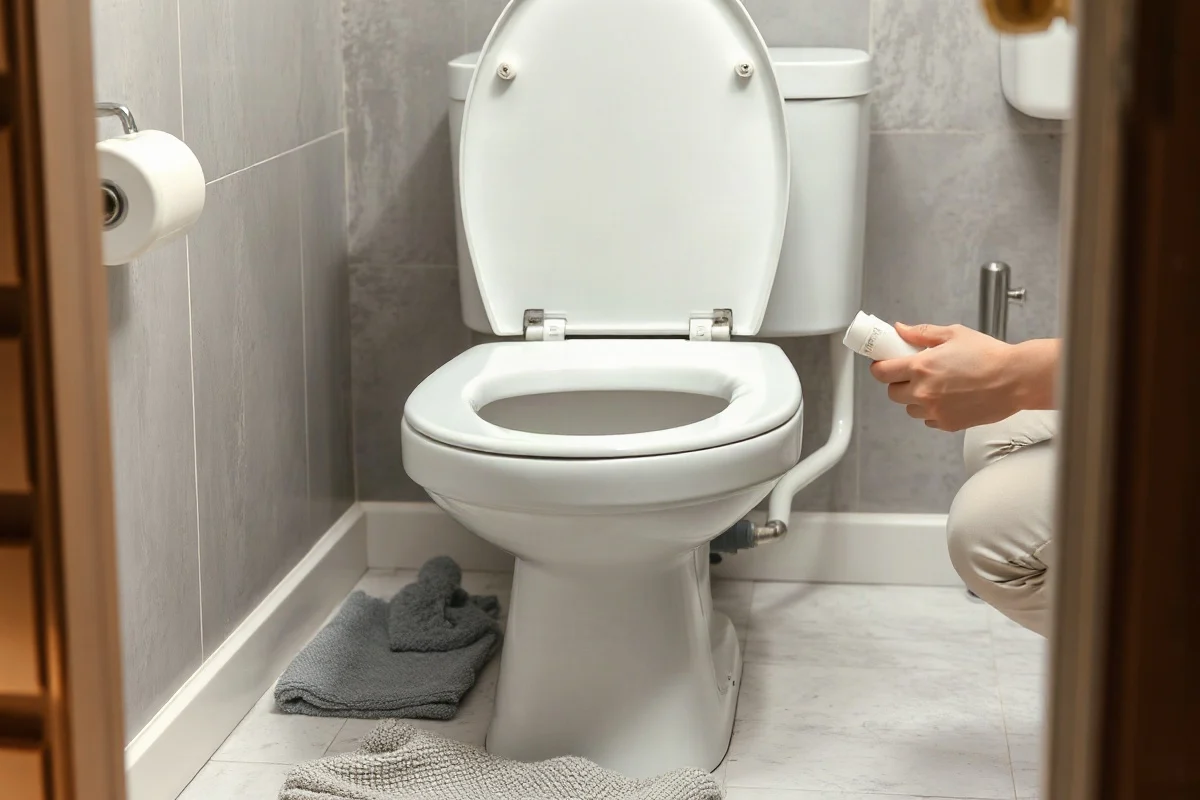
If your toilet sounds like it is always trickling, shut off the water supply temporarily and inspect the tank for a worn flapper, a misadjusted float, or a fill valve that is not closing. These are the most common causes, and many homeowners can identify them safely without removing the toilet or working on the building’s water lines. If water is leaking onto the floor, the tank is cracked, sewage is involved, or a basic adjustment does not stop the sound, contact a qualified local plumber.
What the trickling sound usually means
A properly functioning toilet should fill after a flush and then become quiet. A faint, continuous hiss or trickle means water is moving when the toilet is supposed to be at rest. That water may be flowing from the tank into the bowl, entering the tank through a faulty fill valve, or escaping from a leak around the tank or bowl.
Even a small internal leak can waste water over time and may cause the toilet to refill periodically. The sound can be easy to overlook, especially in a busy bathroom, but it is worth investigating rather than ignoring it.
Likely causes of a toilet that keeps trickling
Worn or dirty flapper
The flapper is the rubber or plastic seal at the bottom of the tank. It lifts when you flush and should close firmly afterward. Over time, the material can become brittle, warped, slimy, or damaged by cleaning chemicals. Mineral buildup on the flush valve seat can also prevent a complete seal.
When the flapper does not seal, tank water slowly enters the bowl. The float drops as the tank level falls, and the fill valve turns on to replace the lost water. This creates the familiar cycle of trickling, refilling, and occasional brief flushing sounds.
Fill valve that does not shut off
The fill valve controls incoming water after a flush. Internal wear, sediment, or a damaged seal can keep it hissing even after the tank reaches its normal level. In some cases, the valve may shut off only when you move or tap the float, which is a sign that it may need adjustment or replacement.
Water level set too high
If the tank water rises above the marked water line or spills into the overflow tube, the toilet may continue admitting water. The overflow tube is the open vertical tube inside the tank. Water should normally stop below its top, not pour continuously into it.
The correct water level varies by toilet design, so use the tank’s marked line or the manufacturer’s instructions when available. Do not assume that raising the water level will improve flushing; an overfilled tank can cause constant running.
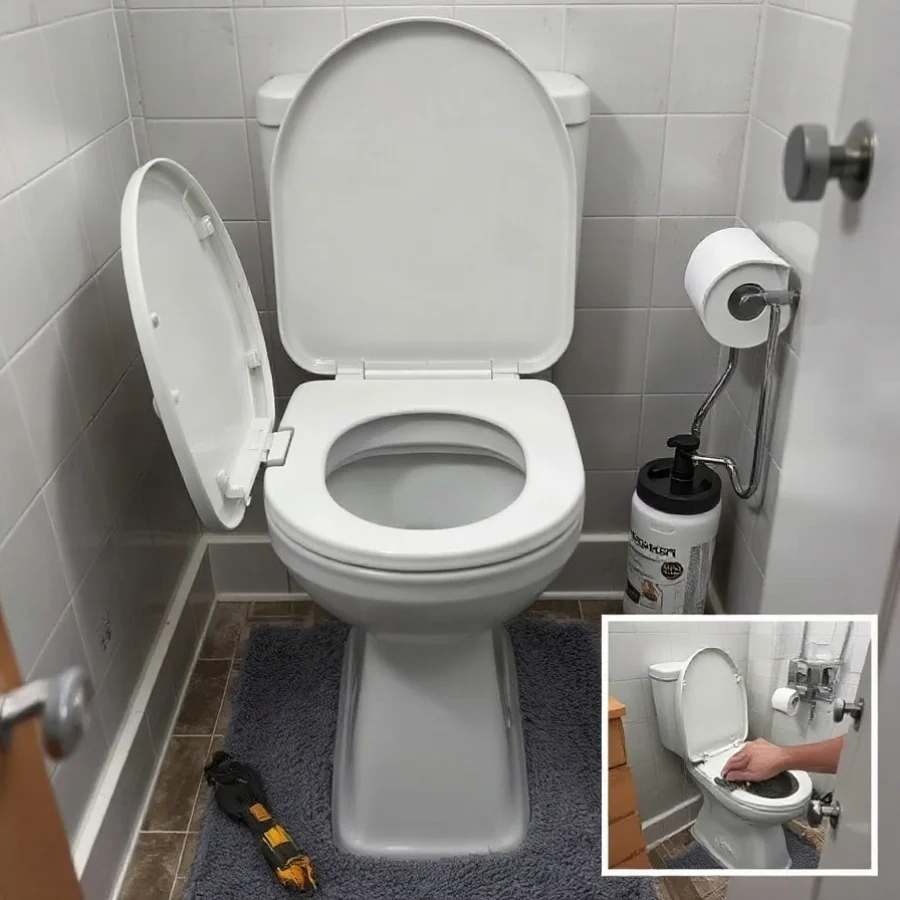
Flush handle, chain, or lift arm interference
A chain that is too short, tangled, or caught under the flapper can hold the seal slightly open. A loose or misaligned handle can also prevent the flapper from settling correctly. These problems are often visible during a simple tank inspection.
Cracked tank, bowl, or leaking connection
Not every toilet leak is internal. Water around the base, beneath the tank, or at the supply connection may indicate a failed washer, loose connection, damaged seal, or cracked porcelain. A crack in a toilet tank or bowl can worsen without warning, so stop using the fixture and arrange professional help if you see one.
Safe checks you can do at home
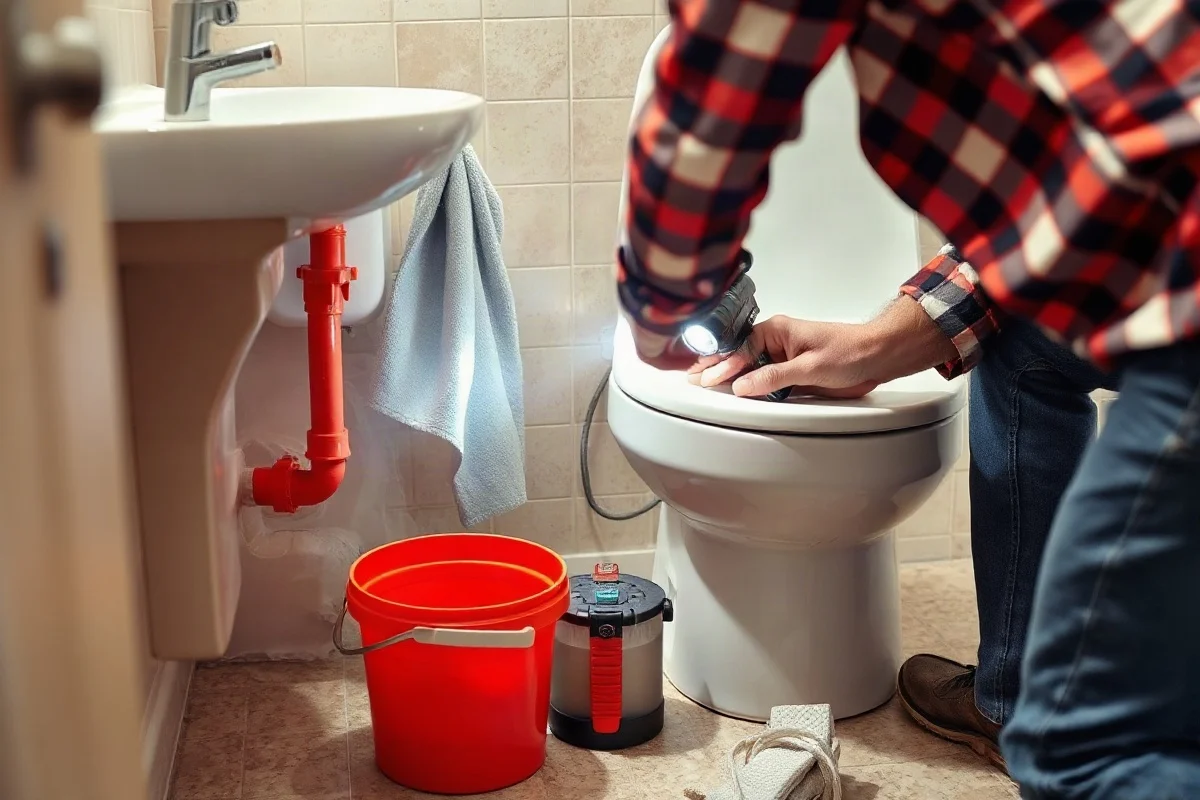
Before opening the tank, place a towel on the floor and locate the shutoff valve on the wall or floor near the toilet. Turn the valve clockwise gently if you need to stop the water. Do not force a valve that is stuck, corroded, or leaking around its stem.
1. Listen and look inside the tank
Remove the tank lid carefully and observe the water. Is it moving into the overflow tube? Is the fill valve still running? Is the chain caught? Avoid placing your hands near moving parts while the toilet is flushing.
2. Check the flapper
Make sure the flapper sits flat over the flush valve opening. The chain should have a little slack when the handle is at rest, but it should not be so loose that it bunches beneath the flapper. If the flapper looks cracked, distorted, or coated with residue, replacement is often more practical than cleaning it repeatedly.
Do not use harsh tank-cleaning tablets unless the toilet manufacturer specifically states that they are compatible. Some chemical products can damage rubber components and shorten the life of the flapper and other seals.
3. Check the water level
Compare the water level with the marked line or the overflow tube. If the level is too high, follow the adjustment method for that fill valve. Some models use a clip, screw, or adjustable float. Make only small changes, flush the toilet, and watch whether the valve shuts off.
If the adjustment is unclear, the valve is corroded, or the tank does not refill consistently, stop experimenting and ask a professional to identify the correct replacement part.
4. Use a simple bowl dye test
To check for a silent flapper leak, wait until the toilet has finished filling. Add a few drops of food coloring to the tank water, making sure the color does not come from a cleaning product. Do not flush. After about 10 to 15 minutes, look in the bowl. Colored water in the bowl indicates that tank water is passing through the flush valve seal.
Flush the toilet afterward to clear the dye. This test does not identify every possible leak, and it should not be used if the tank contains a chemical cleaner that could react with the dye.
Repair or replace the part?
A small adjustment may solve the problem when the chain is caught or the water level is slightly high. However, a worn flapper is a replaceable wear part, and installing a compatible replacement is usually more reliable than trying to reshape old rubber. The replacement must match the toilet’s flush valve design; toilets do not all use the same flapper shape or size.
A fill valve may be worth replacing when it hisses, sticks, or fails to shut off after adjustment. Replacement can involve disconnecting the water supply, removing the old valve, and making a watertight connection inside the tank. If you are uncomfortable with that work, the shutoff valve is damaged, or the tank connection is difficult to access, use a qualified plumber.
Consider professional evaluation rather than repeated part replacement if the toilet has several problems, porcelain damage, recurring leaks, weak flushing, or signs of a leak at the floor. A plumber can determine whether the issue is limited to the tank or connected to a larger bathroom plumbing problem.
When a trickling toilet needs prompt professional help
Turn off the toilet’s supply valve and seek qualified local help if water is collecting around the base, the tank or bowl is cracked, the supply line is bulging, or the shutoff valve will not stop the flow. Also call a professional if sewage backs up, wastewater spills onto the floor, or the toilet overflows repeatedly. Treat sewage exposure as a health concern and keep people and pets away from contaminated water.
A hidden leak can damage flooring, subflooring, ceilings, or nearby walls. If you notice staining, soft flooring, a damp ceiling below the bathroom, mold-like growth, or a persistent musty smell, avoid removing the toilet yourself. A plumber can inspect the connections and determine whether additional building professionals are needed for water damage.
For related service information, see our guide to toilet repair or review toilet leak troubleshooting.
What affects the cost of fixing the problem?
The final cost depends on the cause and the condition of the fixture, not simply on the sound itself. Common factors include whether the repair involves a flapper, fill valve, supply connection, flush handle, tank seal, or complete toilet replacement. Labor access, the age and design of the toilet, corroded parts, damaged shutoff valves, and water damage can also affect the work required.
Ask the plumber to explain the diagnosis and separate the recommended repair from optional upgrades. Request an itemized estimate before work begins, including parts, labor, disposal, and any additional work that may be necessary. Local service costs vary, so avoid relying on a generic online price as a guarantee.
You can learn more about general variables in plumbing costs, but an on-site assessment is more useful when the toilet is leaking externally or the cause is uncertain.
How to choose the right plumber
Look for a local plumbing professional with experience in toilet leak diagnosis and bathroom repairs. Before scheduling, describe the exact symptoms: whether the sound is a hiss or trickle, whether the toilet refills by itself, whether the bowl has colored water during a dye test, and whether any water is visible outside the fixture.
Ask who will perform the work, what the diagnostic or service charge includes, which parts are being recommended, and whether the estimate can change if concealed damage is found. Confirm that the company provides appropriate information about its qualifications and follows applicable local requirements. Do not hire anyone who dismisses a cracked fixture, sewage exposure, or active floor leak as a minor cosmetic issue.
For more preparation tips, use our guide to hiring a plumber.
How to prevent the sound from returning
Do not hang heavy objects from the flush handle, force the handle when it sticks, or use tank chemicals that can damage seals. Check for a trickling sound after cleaning the bathroom and occasionally look inside the tank for an unusually high water level. Keep the area around the toilet dry so a new external leak is easier to notice.
Addressing a small internal leak early can help prevent wasted water and reduce the chance that a minor seal problem develops into floor or ceiling damage. If a safe adjustment does not restore a quiet tank, shut off the supply when practical and have the toilet evaluated by a qualified local professional.
Comments
0No comments yet. Be the first to share a helpful note or question.
Leave a Comment
Your email address will not be published. Comments are reviewed before appearing on the site.