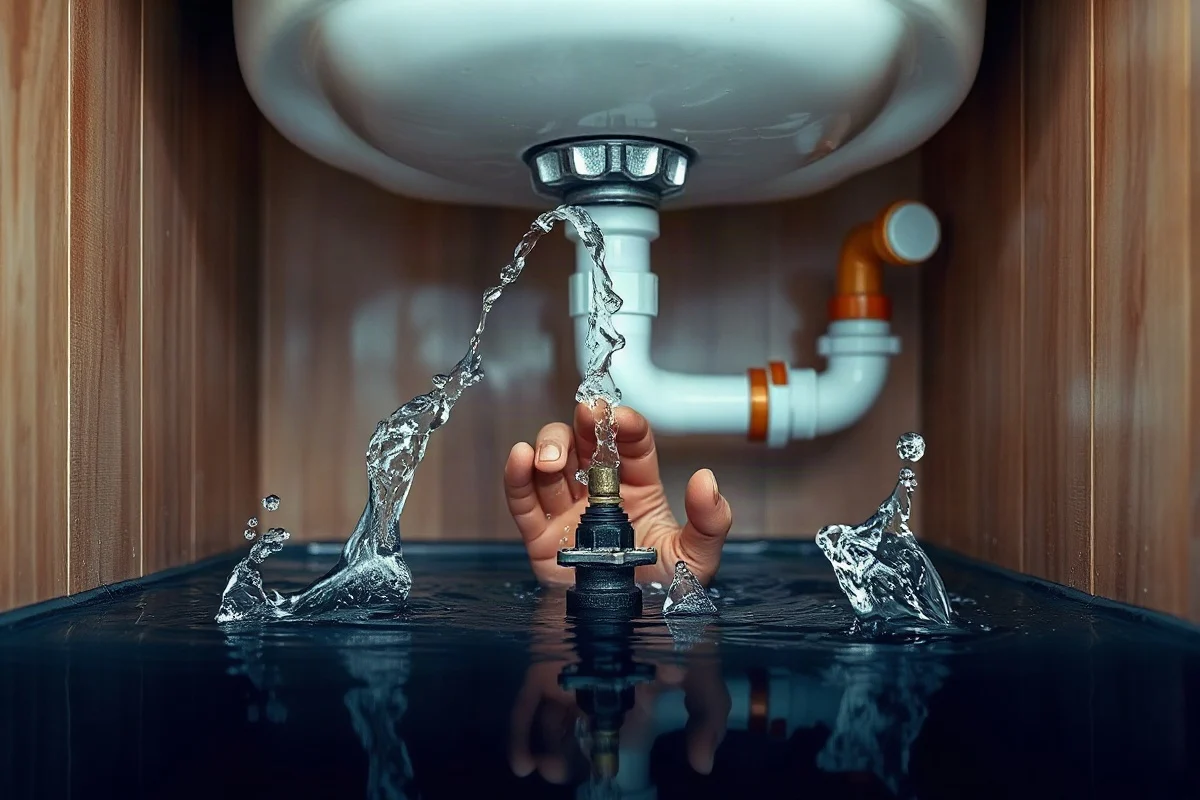
Call an emergency plumber when water is flowing uncontrollably, the leak cannot be isolated, water is reaching electrical equipment, sewage is involved, or the damage may be spreading behind walls, ceilings, or floors. Shut off the nearest water valve or your home’s main water supply if you can do so safely, move people away from hazards, and contact a qualified local professional. A small, visible drip may wait for a scheduled repair, but a burst pipe or rapidly growing leak can cause structural damage in a short time.
How to Recognize a Major Plumbing Leak
Not every leak requires an emergency visit, but the rate, location, and consequences of the water matter. Treat the situation as urgent if you notice one or more of these signs:
- Water is spraying, streaming, or pooling faster than you can contain it.
- A ceiling, wall, cabinet, or floor is becoming saturated.
- You hear water running when every faucet and fixture is turned off.
- The main shutoff valve does not stop the flow, or you cannot locate it.
- Water is near outlets, electrical panels, appliances, lighting, or wiring.
- A water heater, washing machine hose, supply line, or exposed pipe has failed.
- There is sewage, foul-smelling wastewater, or contaminated water in the home.
- Several fixtures lose pressure at once, or a basement begins taking on water.
Water stains, damp drywall, musty odors, and bubbling paint can indicate a slower concealed leak. These signs still deserve prompt attention because moisture inside a wall or under a floor can damage building materials and encourage mold growth. If you cannot identify the source confidently, arrange an inspection by a qualified plumber rather than opening walls or floors yourself.
First Steps While You Wait for Help
Stop the water if it is safe
Turn the handle clockwise on the shutoff valve serving the leaking fixture or appliance. Common locations include beneath sinks, behind toilets, near water heaters, and at washing machine connections. If the local valve is missing, stuck, or ineffective, use the home’s main water shutoff. The exact location varies, but it may be near where the water service enters the building, in a utility area, or outside near the service line.
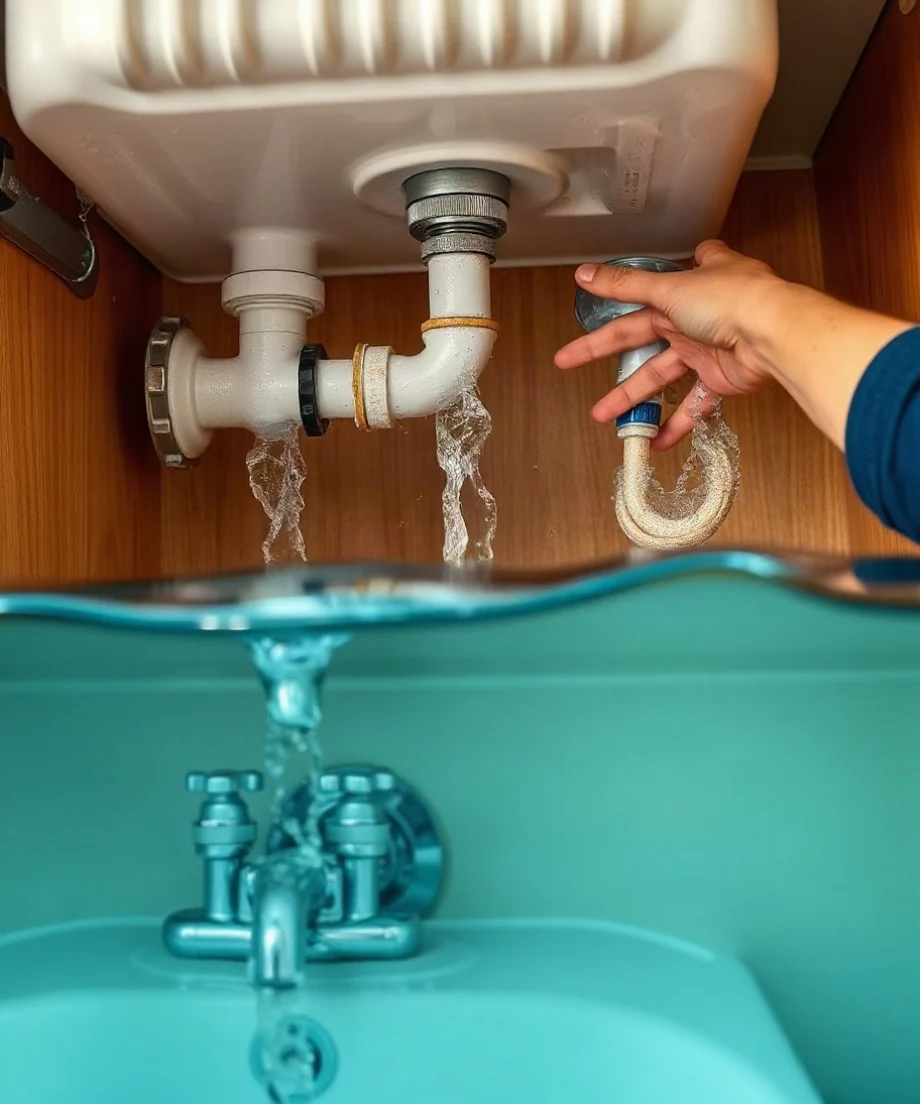
Do not force a corroded valve with excessive leverage. A damaged valve can break or begin leaking more severely. If you are unsure which valve controls the water, or the valve is inaccessible, call for professional assistance. This guide to shutting off your home’s main water supply can help you understand the process before an emergency occurs.
Protect people and property
Keep children and pets away from standing water and wet surfaces. Move furniture, boxes, rugs, and other belongings out of the affected area if they can be moved without entering an unsafe space. Place buckets or pans under a small, accessible leak, but do not rely on containers for a high-volume discharge.
If water has reached electrical equipment, do not step into the water to reach a switch or electrical panel. Do not use electrical appliances in the affected area. Leave the area and contact appropriate qualified help. A plumber may need to coordinate with an electrician when water has created an electrical hazard.
Document the damage
Once everyone is safe, take photos or video from a dry location. Record where the water came from, when you noticed it, and what shutoff steps you took. Documentation can help a plumber diagnose the problem and may be useful when communicating with your insurer. Avoid removing saturated drywall, flooring, or insulation until the area has been assessed if doing so could expose you to contaminated water, wiring, or unstable materials.
Likely Causes of a Burst Pipe or Major Leak
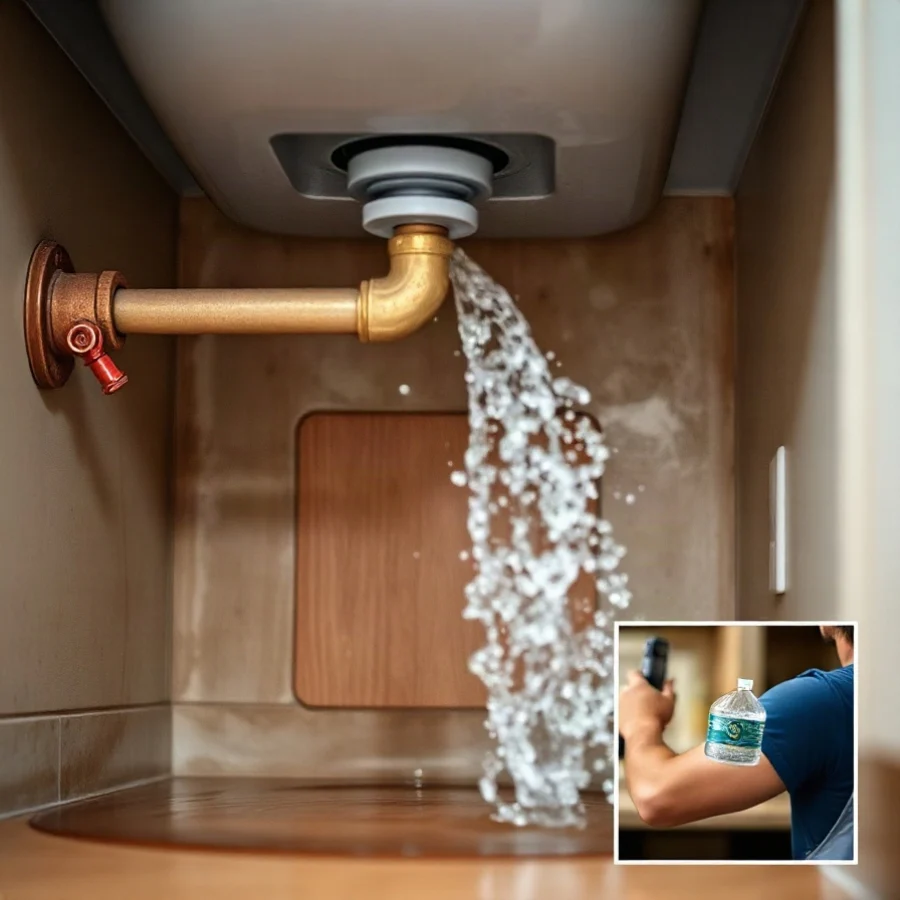
A burst pipe can result from freezing conditions, corrosion, excessive pressure, physical damage, failed joints, or a deteriorated pipe wall. Outdoor or poorly protected plumbing is especially vulnerable during freezing weather, but an indoor pipe can also split if trapped water expands. When temperatures rise again, the damaged section may release a large amount of water.
Major leaks also commonly occur at connection points. Flexible supply hoses, washing machine hoses, toilet connections, faucet lines, water heater fittings, and shutoff valves can fail with age or wear. A cracked fixture, failed seal, or damaged drain may release water only when the fixture is operating, making the source less obvious.
Low water pressure in one fixture may point to a localized restriction or valve problem. A sudden pressure change throughout the home, unexplained water movement on the meter, or a drop in pressure accompanied by wet areas may indicate a larger supply-pipe problem. These symptoms require a professional diagnosis rather than guesswork.
Safe Homeowner Checks Versus Professional Work
Low-risk checks you may perform
Homeowners can usually inspect visible pipes and connections without disassembling anything. Look under sinks, around toilets, behind accessible appliances, and near the water heater for fresh water, corrosion, loose-looking connections, or damaged hoses. You can also confirm whether a fixture-specific shutoff valve is closed and observe whether the leak stops.
For a suspected toilet leak, avoid flushing until the supply is isolated. For a leaking faucet or sink supply line, place a container underneath only if the area is dry and accessible. If you suspect a washing machine hose, stop using the machine and close its supply valves if they operate normally.
These checks are intended to limit damage, not to replace diagnosis. Do not remove a wall, ceiling, water heater cover, pressure-control component, or pipe section simply to find the source.
Work that should be left to a qualified professional
Call a qualified local plumber for hidden leaks, burst pipes inside walls or ceilings, failed main water lines, major flooding, replacement of damaged pipe sections, or repairs that require cutting into building materials. A professional can locate the source, determine whether surrounding materials are damaged, and recommend repair or replacement based on the condition of the system.
Never attempt to repair gas piping, electrical connections, sewage lines, or contaminated-water damage as a do-it-yourself project. Sewage exposure can create health risks, and water near electricity can cause shock or fire. Plumbing work involving structural access or local requirements should be evaluated by an appropriately qualified professional familiar with the property and applicable rules.
Repair or Replacement: What the Plumber Will Evaluate
A temporary repair may be reasonable when the damaged area is limited, the surrounding pipe is sound, and the failure is isolated. For example, a plumber may replace a failed connector, valve, hose, or short section of accessible pipe. The exact method depends on the pipe material, location, accessibility, and condition.
Replacement may make more sense when the pipe shows widespread corrosion, repeated failures, cracking in multiple areas, or deterioration near the original leak. A single patch may not solve a system-wide problem. The plumber should explain whether the proposed repair addresses the cause or only the visible symptom.
Ask whether the source has been confirmed, what materials will be replaced, whether water-damaged areas need separate drying or restoration, and what warning signs should prompt a return call. If the leak is concealed, ask how the plumber plans to access it and how the opening will be handled afterward. Plumbing repairs and building restoration are sometimes separate services.
What Affects Emergency Plumbing Costs?
The cost of an emergency repair depends on the nature of the failure and the work required, not simply on the fact that the call is urgent. Important factors can include:
- The time of service and whether the visit occurs outside normal business hours.
- How quickly the leak must be controlled and whether water access is difficult.
- The location of the failed pipe, valve, fixture, or appliance connection.
- Whether walls, ceilings, floors, cabinets, or landscaping must be opened.
- The pipe material, replacement parts, equipment, and labor involved.
- Water extraction, drying, cleanup, or restoration needed after the repair.
- Whether the problem is isolated or part of a larger supply, drain, or sewer issue.
Ask for a clear explanation of the immediate work, any diagnostic charges, and which additional steps may be recommended. Emergency conditions may require temporary stabilization first, followed by a more complete repair. For general planning information, review what can affect after-hours emergency plumbing costs and compare the explanation with the conditions at your property.
How to Choose the Right Emergency Plumber
When contacting a plumber, describe the symptoms accurately: where the water is appearing, how fast it is flowing, whether the main shutoff works, and whether electricity or sewage may be involved. Mention any steps you have already taken. Clear information can help the company determine what type of response is appropriate.
Choose a local provider that can explain who will perform the work, what the initial visit includes, and how estimates or approvals are handled. Ask for professional credentials relevant to your area, proof of insurance when appropriate, and written details before authorizing nonessential work. Do not allow pressure tactics to push you into a full replacement before the source and condition of the system are explained.
A reputable plumber should distinguish between stopping the immediate leak and completing permanent repairs. If water damage extends beyond plumbing, ask which parts the plumber will handle and whether a separate restoration specialist is needed. You can also use this guide to hiring a plumber to prepare questions before an emergency happens.
Preventing a Future Burst Pipe
After the emergency is resolved, inspect accessible plumbing periodically. Replace visibly damaged hoses or connectors through a qualified professional when needed, keep storage from pressing against exposed pipes, and learn where the individual and main shutoff valves are located. During freezing weather, follow reliable local guidance for protecting vulnerable plumbing, especially in unheated areas.
Pay attention to early warnings such as unexplained water use, recurring dampness, pressure changes, rust-colored water, or noises behind walls. Addressing a small leak early is usually safer than waiting for a pipe to split. If you are unsure whether a problem is minor or developing into a major failure, contacting a qualified local plumber for an assessment is the safer choice.
Comments
0No comments yet. Be the first to share a helpful note or question.
Leave a Comment
Your email address will not be published. Comments are reviewed before appearing on the site.