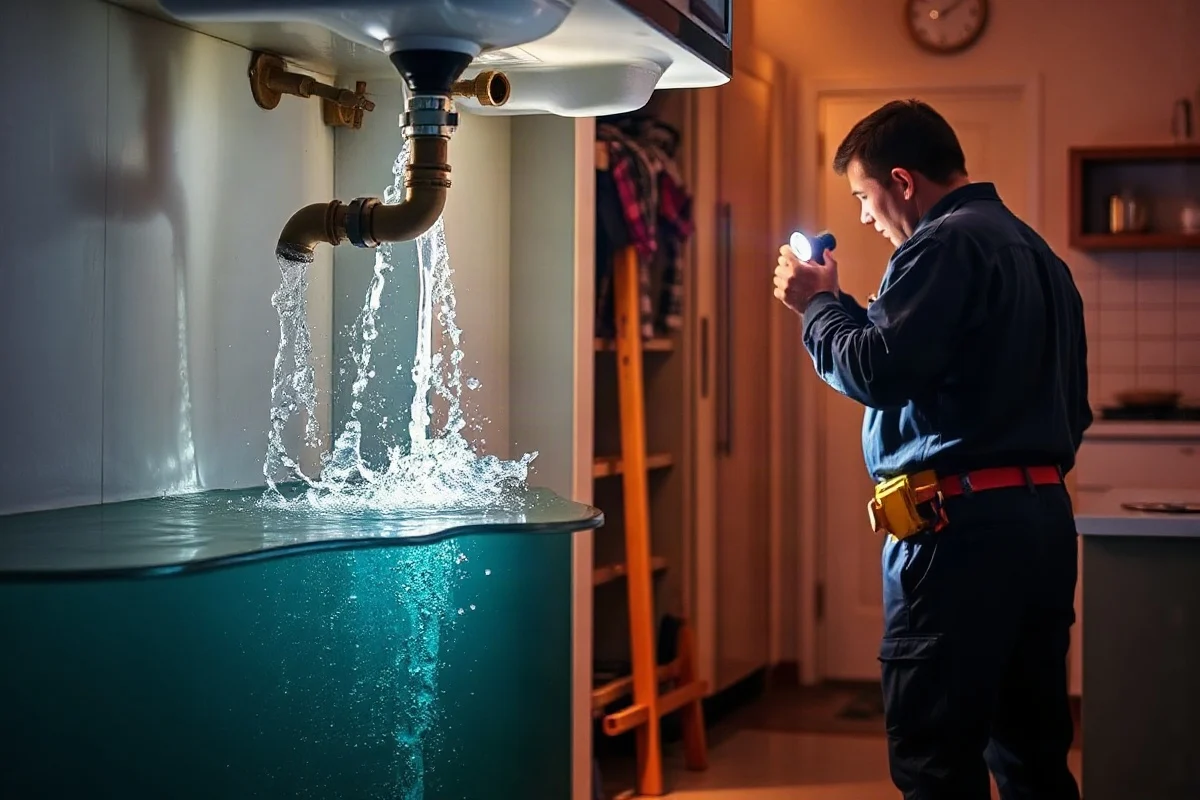
An emergency plumber may charge more for after-hours work than for a scheduled daytime visit, but there is no single nationwide price that applies to every repair. Your total depends on the type of failure, when you call, your location, how difficult the repair is, the parts required, and whether water damage or cleanup is involved. Before discussing price, stop the immediate source of damage if it is safe, ask the plumber how charges are calculated, and request a clear explanation of the repair options.
When an Emergency Plumber Is Usually Necessary
Some plumbing problems can wait for a regular appointment, while others can quickly damage floors, walls, cabinets, belongings, or the structure of a home. A burst supply line, rapidly spreading leak, overflowing toilet that will not stop, failed water heater, sewage backup, or loss of water caused by a serious pipe break may justify emergency service.
Call for qualified local help promptly if water is reaching electrical equipment, if a ceiling is bulging, if sewage has entered the home, or if you cannot safely shut off the water. A gas smell or suspected gas-line problem is not a routine plumbing repair. Leave the area, avoid flames and electrical switches, and contact the appropriate emergency service and a qualified professional.
For general background and help finding the right type of service, see our emergency plumber guide.
What You May Be Paying For
An after-hours plumbing bill can include more than the time spent turning a wrench. Ask whether the estimate includes each of the following:
- Dispatch or service-call charge: Some companies charge for sending a technician to inspect the problem. Ask whether this fee is separate from labor or credited toward approved work.
- After-hours labor: Nights, weekends, holidays, and other times outside normal scheduling may have different labor rates. The company should explain the rate before work begins.
- Diagnosis: Finding the source of a leak or blockage can take longer than replacing an exposed washer or valve. Concealed problems may require additional inspection.
- Parts and materials: The bill may include valves, connectors, seals, supply lines, pipe sections, fittings, pumps, or other components. The correct part depends on the existing installation.
- Access and removal: A repair behind a wall, below a floor, in a crawl space, or inside a cabinet can require more labor than an accessible fixture.
- Water-damage response: Removing standing water, drying materials, or repairing damaged drywall and flooring may be separate from the plumbing repair itself.
- Special equipment: Drain cameras, locating equipment, extraction tools, or heavy-duty clearing equipment can affect the total when the problem requires them.
Do not rely on a generic online average as a promise of what your home will cost. Online figures often combine different regions, job types, and service conditions. A written or clearly stated estimate from a local company is more useful.
Common Emergency Problems and Why Costs Vary
Burst or leaking pipes
A visible leak may come from a failed fitting, valve, supply line, or damaged section of pipe. A simple exposed connection can be relatively straightforward to address, while a concealed leak may require opening a wall or floor and repairing the source before restoration begins. If water is spreading, use the safest accessible shutoff and move valuables away from the area. Do not remove walls or enter a wet electrical area to search for the leak.
Our leak repair information explains why identifying the actual source matters. Water stains are not always directly below the failed pipe.
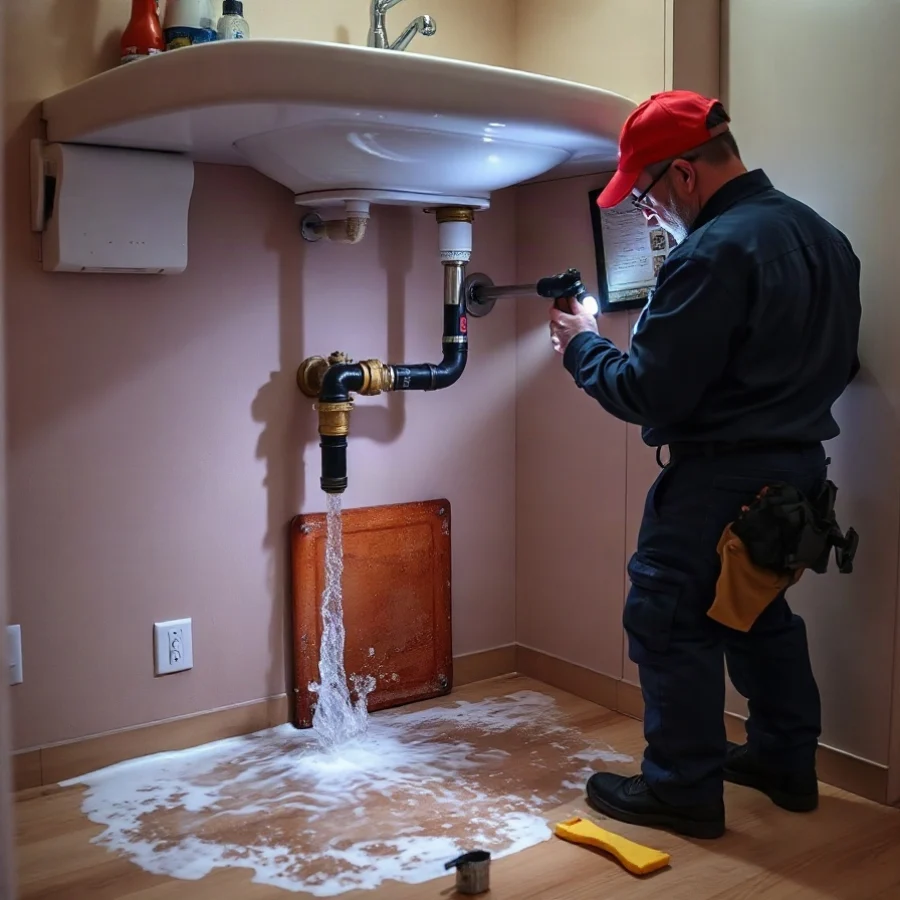
Overflowing toilets and blocked drains
An overflowing toilet may have a stuck fill valve, a blocked trap, or a downstream drain problem. If safe, close the small shutoff valve near the toilet or lift the tank lid and make sure the flapper is not allowing continuous flow. Avoid repeated flushing. For a drain, stop adding water and do not mix chemical drain cleaners with other products. Chemical exposure can create hazards for both occupants and the technician.
A single slow fixture may point to a local blockage. Several fixtures backing up at the same time can indicate a larger drain or sewer problem. Sewage exposure should be handled by qualified professionals, with children and pets kept away from the contaminated area. You can learn more about possible service types in our drain cleaning guide.
Water heater failures
A leaking water heater can result from a connection, valve, tank, or pressure-related component. Shut off the water supply to the unit if you can identify the valve and do so safely. For an electric unit, do not work around wet electrical equipment; a qualified professional should handle electrical disconnection and testing. For a gas-fired unit, do not adjust gas controls or attempt to repair the gas connection yourself.
Repair may be practical when the failure involves a replaceable component and the tank is sound. Replacement may be more appropriate when the tank itself is leaking or when the unit has suffered extensive damage. The technician should explain whether the proposed work is a repair, a temporary measure, or a full replacement. See our water heater guide for more context.
Safe Checks You Can Make Before the Plumber Arrives
Low-risk preparation can reduce damage and give the technician useful information:
- Identify the leaking fixture or the area where water first appeared.
- Close an accessible fixture shutoff or the home’s main water supply if you know how and can reach it safely.
- Turn off nearby electrical equipment only if you can do so without standing in water or touching wet components.
- Move furniture, rugs, boxes, and other belongings away from the water.
- Take clear photos or videos of the problem before cleanup, when doing so is safe.
- Note when the issue began, what fixtures are affected, and whether the problem changes when another fixture runs.
- Keep pets and children away from standing water, sewage, tools, and chemical products.
For step-by-step guidance on the main shutoff, read how to shut off your home's main water supply during a plumbing emergency. Do not force a stuck valve, enter a flooded electrical area, disturb suspected asbestos-containing materials, or attempt work on gas lines.
Repair or Replacement: What Affects the Decision?
Emergency conditions can make replacement seem attractive, but the lowest immediate price is not always the best long-term choice. A repair may make sense when the failed part is accessible, compatible, and the surrounding system is in good condition. Replacement deserves consideration when the main component is cracked, corroded, repeatedly failing, unsafe, or no longer supported by readily available parts.
Ask the plumber to separate the options. A useful explanation should identify the failed component, describe the consequence of postponing the work, and distinguish essential stabilization from optional improvements. If the emergency can be safely contained, you may have time to compare a repair with replacement rather than making a rushed decision.
Questions to Ask Before Authorizing After-Hours Work
When calling a plumbing company, describe the symptoms rather than guessing at the cause. Ask these practical questions:
- Is there a dispatch, inspection, or after-hours charge?
- How is labor billed, and when will the technician explain the rate?
- Will I receive an estimate before repair work begins?
- Are materials, equipment, removal, and cleanup included or billed separately?
- What immediate action is necessary to stop damage?
- Is the proposed work a temporary repair, a permanent repair, or replacement?
- What access will the technician need?
- What payment methods are accepted, and will I receive an itemized invoice?
A reputable company should be willing to explain its charges and limitations. Be cautious if someone refuses to discuss the service-call structure, pressures you to approve unrelated work, or cannot identify what is included in the proposed price.
How to Choose a Qualified Local Plumber
Look for a company that clearly identifies its business, provides a way to discuss the problem before dispatch, and explains who will perform the work. Verify licensing, insurance, and other qualifications according to your local requirements rather than assuming every company has the same credentials. Requirements vary by location and job type, so ask the relevant local authority or the company for documentation when appropriate.
Check whether the plumber has experience with the specific emergency, such as sewer backups, water heaters, burst pipes, or concealed leaks. Read reviews as one source of information, but do not treat reviews as proof of licensing, workmanship, or a guaranteed result. Before approving major work, request an itemized estimate and ask about any limits on the scope of service.
Preparing for Future Plumbing Emergencies
Prevention cannot eliminate every failure, but basic preparation can reduce confusion and damage. Make sure household members know where the main water shutoff is located. Keep the area accessible, and consider labeling fixture shutoffs. Inspect exposed supply lines and hoses periodically for bulging, cracking, corrosion, or moisture. Do not ignore recurring drain backups, unexplained water stains, low water pressure, or a water heater that is leaking.
It also helps to keep the names and contact information of qualified local plumbers available before a crisis occurs. When comparing companies, learn their normal scheduling process, service area, payment terms, and approach to estimates. That preparation can help you make a calmer decision when water is already spreading.
Making Sense of the Final Bill
After the work, review the invoice against the approved scope. It should identify the service performed, materials used, additional work authorized, and any separate charges. Ask about unfamiliar line items before paying. Keep photos, the estimate, and the invoice with your home-maintenance records, particularly if water damage may involve an insurer.
The best way to control emergency plumber cost is not to choose the cheapest advertised number. It is to limit damage safely, communicate accurate symptoms, confirm charges before authorization, and select a qualified professional whose proposed work addresses the actual cause.
Comments
0No comments yet. Be the first to share a helpful note or question.
Leave a Comment
Your email address will not be published. Comments are reviewed before appearing on the site.