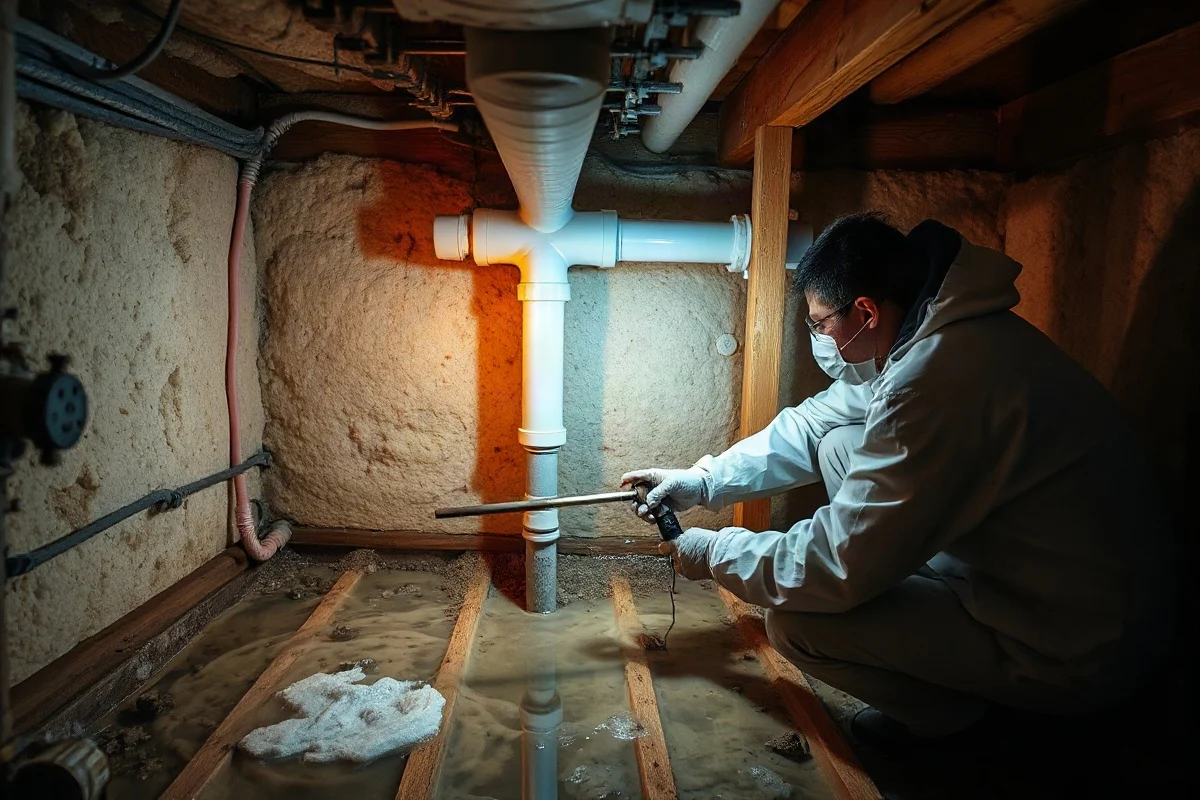
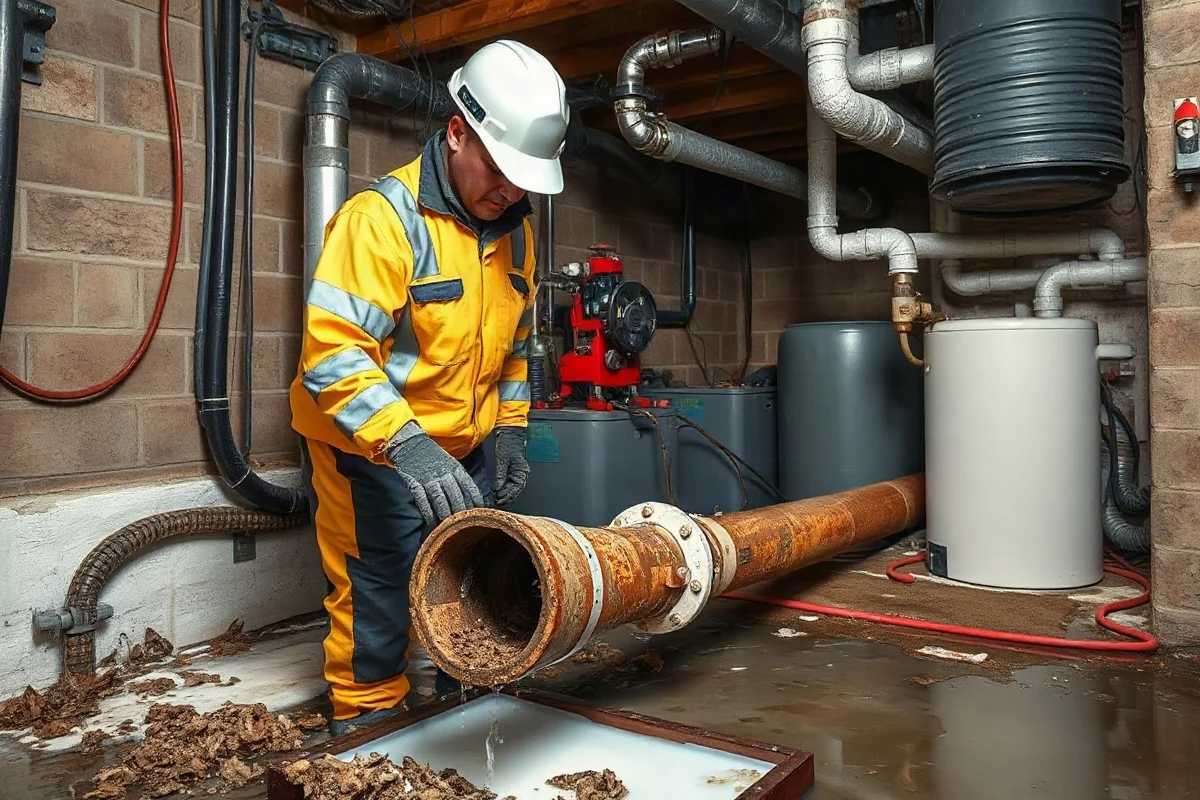
A burst pipe in a crawl space requires quick action: shut off the water supply, avoid entering unsafe or contaminated areas, and contact a qualified local plumber if the break is active, difficult to reach, or connected to electrical, sewage, or structural hazards. A small visible leak may sometimes be isolated temporarily, but permanent repair usually requires professional assessment of the damaged pipe, supports, insulation, and surrounding structure.
What to Do Immediately
Start by stopping the water flow. If you can safely reach the home's main water shutoff, close it fully. If the leak serves only a fixture and that fixture has an accessible shutoff valve, you may be able to close the local valve instead. Do not crawl through standing water to reach a valve, and do not touch electrical equipment, wiring, or outlets in a wet area.
After shutting off the water, open a cold-water faucet at a sink or bathtub to help relieve pressure in the supply lines. Turn off water-using appliances if appropriate, but do not disconnect appliances or work near electrical connections while the area is wet. If the home has a sump pump and the pump or its electrical connection is affected by water, use a qualified professional rather than attempting a repair.
Keep children and pets away from the crawl-space entrance. If sewage, chemical contamination, extensive standing water, or damaged structural supports are involved, avoid entering the space. A plumber, water-damage specialist, or other qualified professional can determine whether the area is safe to access.
Why Crawl-Space Pipe Bursts Are Difficult
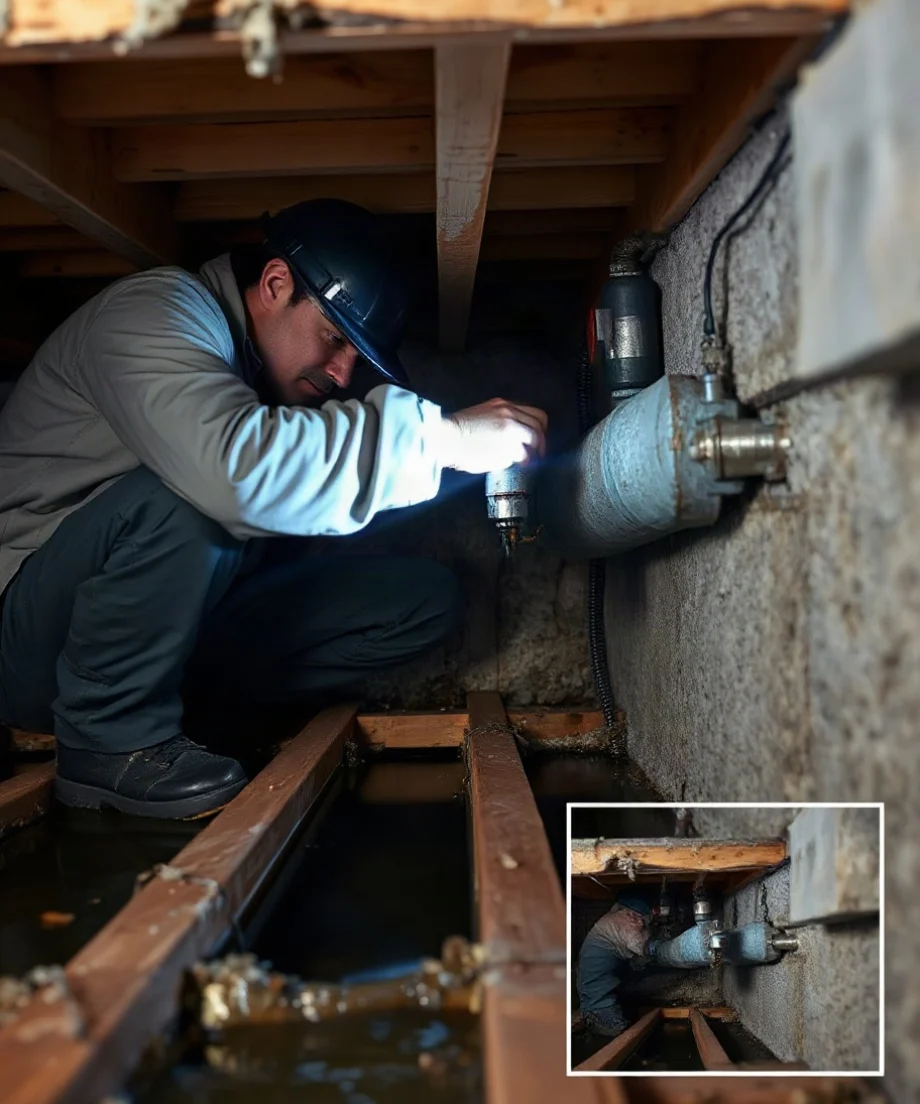
Crawl spaces often combine limited headroom, poor lighting, damp soil, insulation, and restricted access. A pipe that looks easy to reach from the crawl-space entrance may run behind insulation, across a foundation wall, or above a tight section of framing. Water can also travel along the pipe or floor system, making the visible wet area different from the actual break.
Damage may continue after the water is shut off. Wet insulation can hold moisture against wood framing, and saturated soil can increase humidity throughout the space. Persistent moisture may contribute to mold growth, odors, corrosion, or deterioration of supports and subfloor materials. The longer water remains, the more difficult it may be to separate plumbing repair from water mitigation and structural work.
Common Causes of a Burst Pipe
Freezing temperatures
Cold weather is a frequent cause of burst supply pipes in crawl spaces, especially where pipes run near foundation vents, exterior walls, or uninsulated areas. Water expands as it freezes, increasing pressure inside the pipe. The pipe may split during freezing, while the noticeable flooding begins when the ice melts and water pressure returns.
Corrosion and age
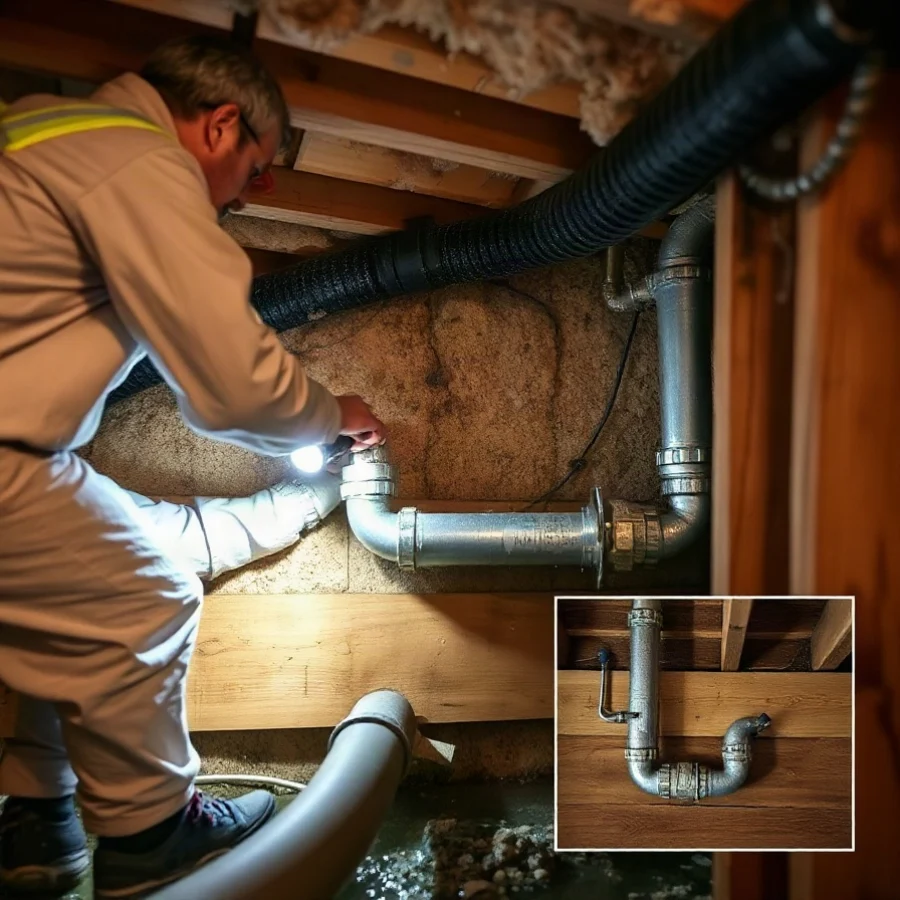
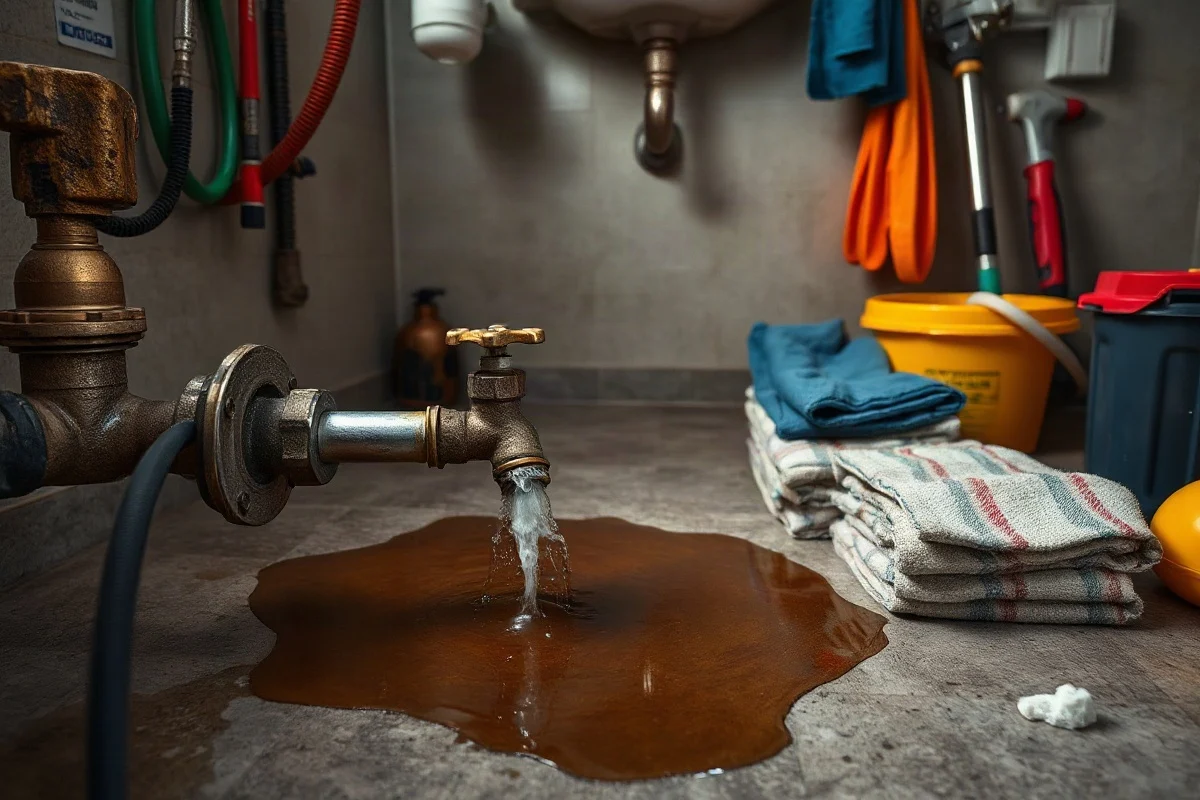
Older metal piping can weaken from internal corrosion, external moisture, or repeated temperature changes. A failure may begin as a pinhole leak and then open suddenly. Corrosion around a fitting, valve, or connection can also indicate that nearby sections deserve closer inspection.
Movement, impact, or poor support
Pipes that are loose, poorly supported, or rubbing against framing may experience repeated stress. Accidental impact during storage, remodeling, pest-control work, or crawl-space access can damage exposed piping. Excessive movement when a valve opens or closes may also place strain on joints.
Pressure and connection failure
Unusual pressure conditions, a failed connection, or a damaged fitting can lead to a sudden release of water. Determining the cause matters because replacing only the visibly broken section may not address a broader weakness or installation problem.
Safe Homeowner Checks
Homeowners can perform a few low-risk checks without entering a dangerous crawl space or cutting into building materials:
- Confirm whether the main shutoff is closed and whether water continues to flow.
- Look from the access opening for visible water, dripping, damaged insulation, or a clearly identifiable broken pipe.
- Check accessible rooms above the crawl space for wet flooring, musty odors, low water pressure, or water stains.
- Note when the problem began and whether freezing weather, recent work, or unusual water pressure preceded it.
- Photograph visible damage from a safe location for the plumber and, when appropriate, your insurance documentation.
Do not use a torch, heat gun, open flame, or improvised heater to thaw a frozen pipe. Do not enter standing water, move heavy insulation, cut framing, or remove a section of pipe merely to locate the break. These actions can expose you to contaminated water, unstable materials, mold, sharp metal, or electrical hazards.
When Professional Help Is Necessary
Professional service is the safest choice when the break is concealed, the crawl space is too tight to move through safely, or water has reached electrical components. A qualified local plumber should also handle work involving the main service line, sewage, extensive corrosion, damaged supports, or repairs that may require compliance with local requirements.
Call for prompt help if water continues flowing after the shutoff, the home cannot maintain pressure, the damaged pipe is near electrical wiring, or the leak has soaked the subfloor or foundation area. Sewage exposure is a separate health hazard and may require specialized cleanup in addition to plumbing repair. If the property has major flooding, call appropriate emergency services or water-mitigation professionals when necessary.
For broader guidance about urgent plumbing failures, see the emergency plumber resource. A burst pipe that is actively flooding the crawl space should not be treated as a routine do-it-yourself project.
Repair Options for a Burst Crawl-Space Pipe
Repairing a limited damaged section
If the surrounding pipe is sound and the failure is limited to one area, a plumber may remove the damaged portion and install a compatible replacement section with appropriate connections. The professional should inspect the pipe on both sides of the break rather than assuming the visible split is the only weakness.
Replacing a longer run
Replacement of a longer section may be more appropriate when the pipe is heavily corroded, repeatedly frozen, poorly supported, or made from a material with multiple failing joints. A longer replacement can reduce the number of connections and provide an opportunity to improve routing, support, and protection from cold conditions.
Rerouting the pipe
In some homes, the most durable option is to move the pipe away from an exposed foundation wall, unheated edge, or chronically damp location. Rerouting may involve opening finished areas or coordinating with insulation and crawl-space work, so the plumber should explain the access requirements before work begins.
Replacing valves and related components
A burst may damage nearby shutoff valves, fittings, hangers, or protective materials. Replacing only the pipe while leaving a visibly compromised valve or connection in place can create another failure point. Ask the plumber to identify which components are being replaced and why.
Repair or Replacement: How the Decision Is Made
The repair-versus-replacement decision depends on the pipe material, age, condition, location, accessibility, and cause of failure. A small split in otherwise sound piping may be repairable. A burst in a run with widespread corrosion, multiple weak fittings, or repeated freeze exposure may justify replacing more of the system.
Access is another important factor. A repair that looks inexpensive from the visible break may require removing insulation, opening a floor, or creating a safe work path. Conversely, a plumber may be able to reach the pipe through the crawl-space entrance without disturbing finished surfaces. Ask for an explanation of the proposed access method and whether cleanup or restoration is included.
Damage Beyond the Pipe
Fixing the leak does not automatically dry the crawl space. Wet insulation may need removal, and damp wood or subflooring should be evaluated for moisture and deterioration. A water-damage professional can assess drying needs, while a qualified contractor may be needed if framing, flooring, or foundation components have been affected.
Watch for continuing odors, discoloration, soft flooring, peeling finishes, visible mold, or recurring moisture after the plumbing repair. These signs can indicate that water remains trapped or that a second leak exists. Hidden leaks elsewhere in the home may require a separate inspection; do not assume every wet area comes from the first visible break.
What Affects the Repair Cost
There is no reliable single price for a crawl-space burst pipe because the work varies substantially from home to home. Important cost factors include:
- The length and material of the failed pipe.
- Whether the water can be shut off easily.
- Access difficulty, crawl-space height, lighting, and working conditions.
- Whether insulation, flooring, drywall, or other materials must be removed.
- The condition of nearby valves, fittings, hangers, and connected piping.
- Water removal, drying, mold-related work, or structural repair.
- Whether the problem occurs during an urgent service period or requires coordination with other trades.
Request a written description of the work, the parts of the system included, exclusions, cleanup responsibilities, and any conditions that could change the estimate. For general planning, the site's plumbing costs resource can help explain why plumbing estimates differ, but only an on-site evaluation can account for a specific crawl-space failure.
How to Choose the Right Plumber
Look for a qualified local plumber who regularly handles burst pipes, crawl-space access, pipe replacement, and water-damage coordination. Before authorizing work, ask:
- Can you identify the source and explain whether the damage extends beyond the visible break?
- Will you inspect the surrounding pipe, fittings, supports, and shutoff valves?
- What access will be needed, and who handles removal or replacement of insulation?
- Is the proposed work a limited repair, a longer replacement, or a reroute?
- What is included in the written estimate, and what is excluded?
- Will another professional be needed for drying, mold concerns, electrical hazards, or structural damage?
Use the plumber's business information, experience, and communication quality as part of your decision. Avoid anyone who recommends entering an unsafe flooded area, minimizes visible contamination, or refuses to explain why replacement is needed. More guidance is available in the hiring a plumber resource.
Preventing Another Crawl-Space Burst
After the repair, ask the plumber or another qualified professional to identify the conditions that contributed to the failure. Possible preventive measures include improving insulation, protecting vulnerable pipes from cold air, adding or repairing pipe supports, correcting drainage or moisture problems, and replacing aging sections before they fail.
During freezing weather, monitor unheated areas and protect exposed piping according to professional advice. Know where the main shutoff is located and make sure household members can reach it safely. Periodically inspect accessible areas for corrosion, dripping connections, damp insulation, and unusual odors. Early attention to a small leak can prevent a larger crawl-space flood.
A burst pipe beneath the home is more than a plumbing inconvenience. Shut off the water if you can do so safely, keep away from contaminated or electrically hazardous areas, document what you can see, and arrange a professional inspection. The best repair addresses both the broken pipe and the conditions that allowed the failure to cause hidden damage.
Comments
0No comments yet. Be the first to share a helpful note or question.
Leave a Comment
Your email address will not be published. Comments are reviewed before appearing on the site.