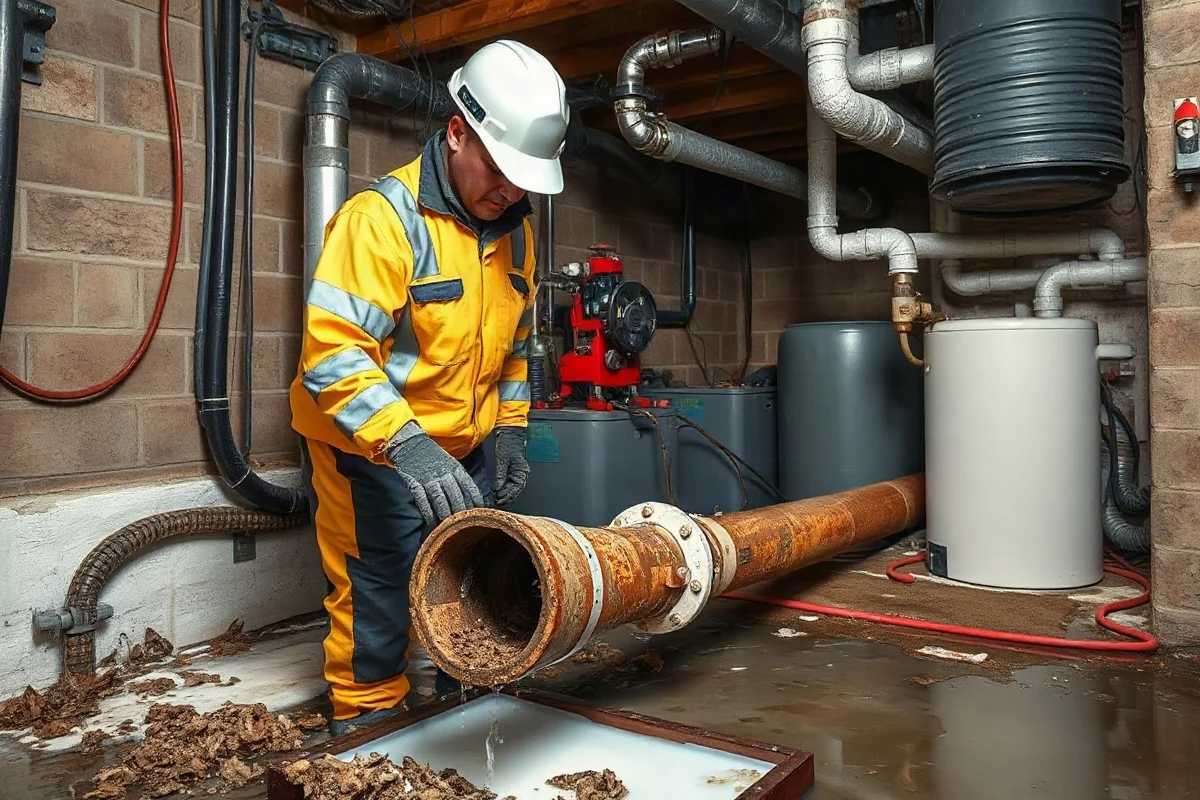
After a pipe bursts, stop the water flow first, protect people from electrical and sewage hazards, and then arrange professional inspection and water-damage restoration. The usual order is to shut off the water, remove standing water when it is safe, identify and isolate the failed section, repair or replace the pipe, dry affected materials, and check for hidden moisture or secondary damage. Do not begin cutting walls, handling contaminated water, or working near energized electrical equipment unless a qualified professional has made the area safe.
What to Do Immediately After a Pipe Bursts
A burst pipe can cause continuing damage as long as pressurized water remains in the plumbing system. Move quickly, but do not put yourself at risk.
1. Shut off the water supply
For a localized leak, close the nearest accessible fixture or branch shutoff if you can identify it. If water continues to flow or the source is unclear, close the home’s main water shutoff. The valve may be near where the water service enters the house, in a basement, crawl space, utility area, garage, or another accessible location.
If you cannot operate the valve, do not force a damaged or corroded handle. Call a qualified local plumber. Residents of apartments, condominiums, and rental properties should also notify the property manager or owner because the building may have separate shutoffs.
2. Protect people from electrical hazards
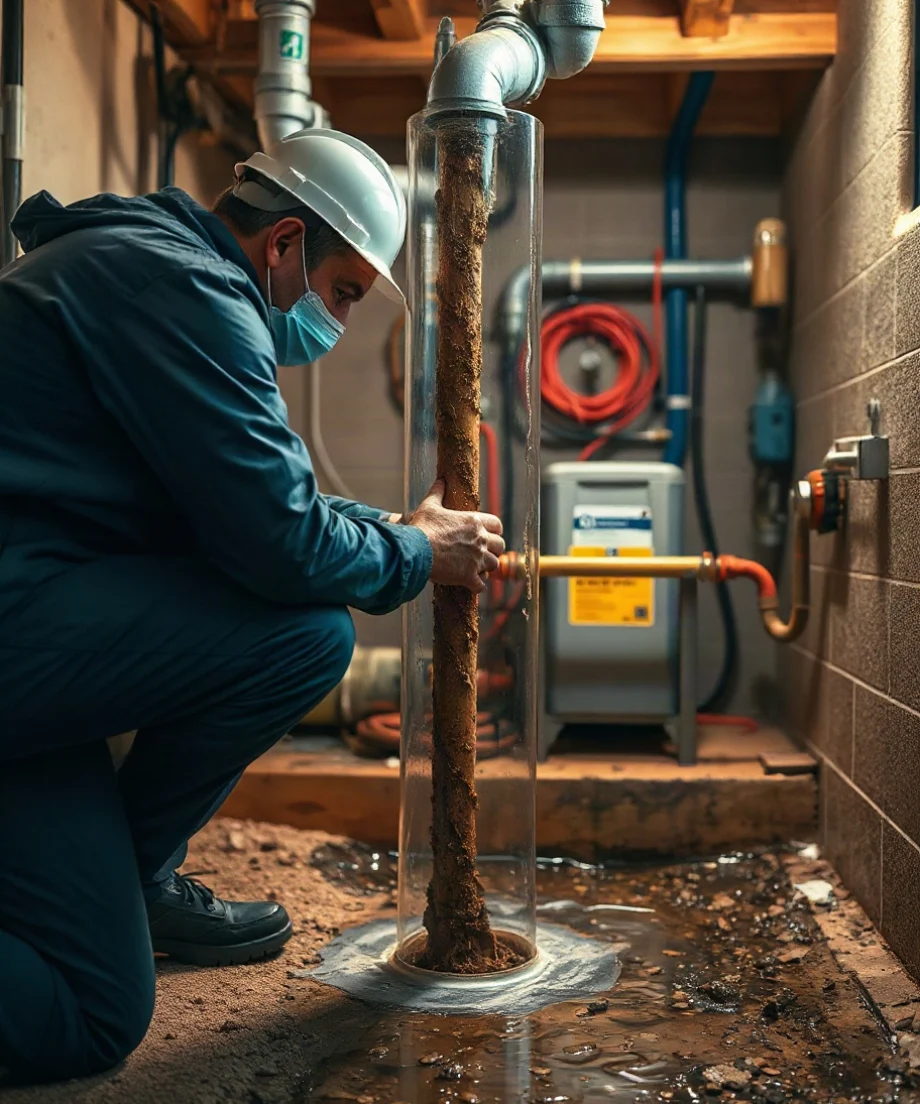
Water and electricity can create a life-threatening shock hazard. Do not walk through standing water to reach an electrical panel, unplug appliances from wet areas, or touch outlets, switches, cords, or equipment that may have been soaked. If the panel and surrounding floor are dry and accessible without crossing water, a qualified adult may follow the home’s established emergency procedure. Otherwise, contact emergency services or a qualified electrician.
Gas appliances, boilers, and water heaters may also be affected by flooding. Do not adjust gas controls or relight equipment that has been wet. Have a qualified professional inspect it before use.
3. Limit the spread of water
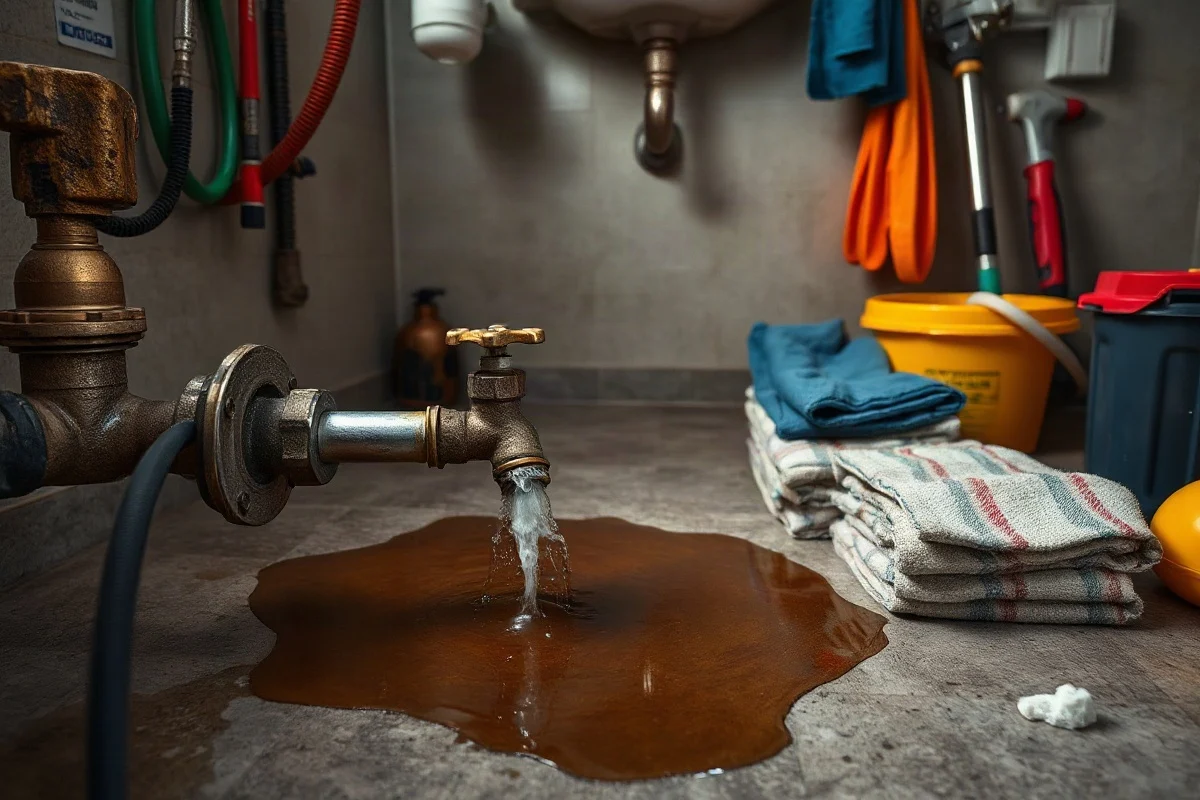
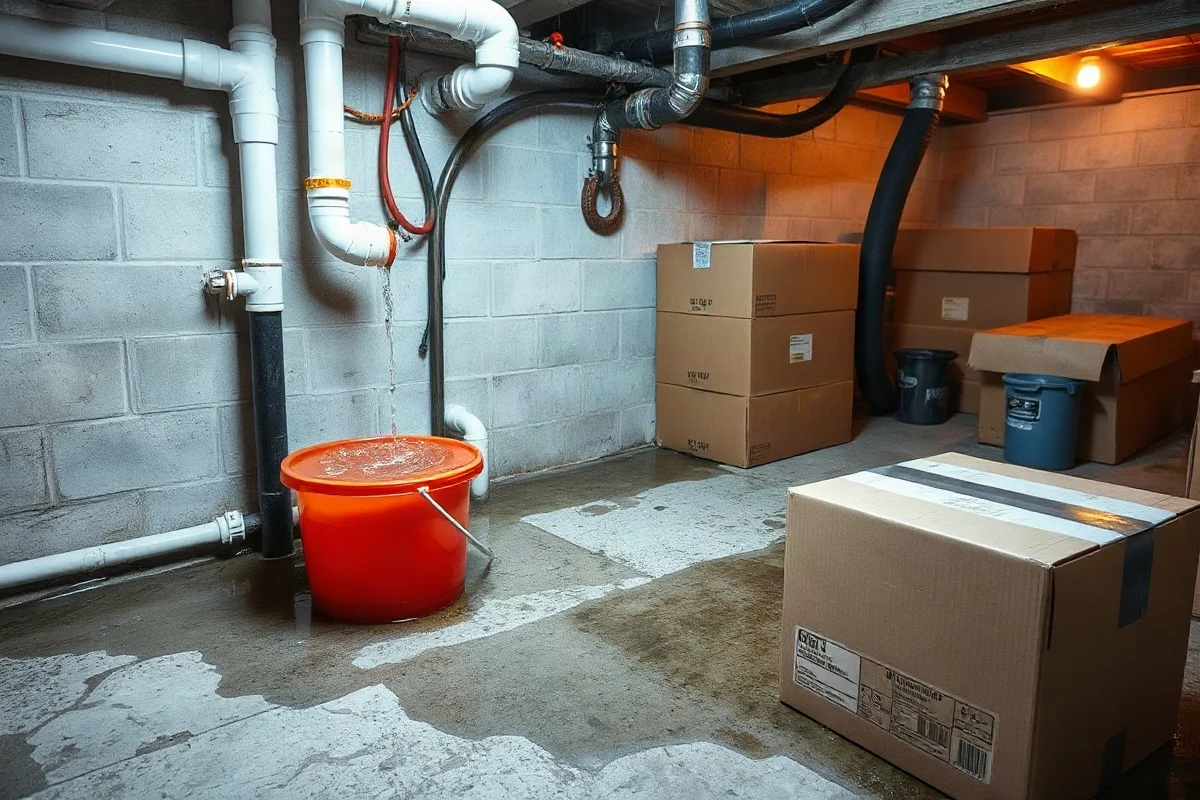
Once the water is off and the area is safe, move furniture, boxes, and other belongings away from wet surfaces. Use towels, mops, or a wet vacuum only when the equipment and electrical conditions are safe. Do not use a household vacuum that is not designed for water.
Take photos and videos before moving items when possible. Document the failed pipe, standing water, damaged materials, and affected rooms for your records and for conversations with your insurer. Avoid delaying emergency steps simply to collect photographs.
Which Repairs Come First?
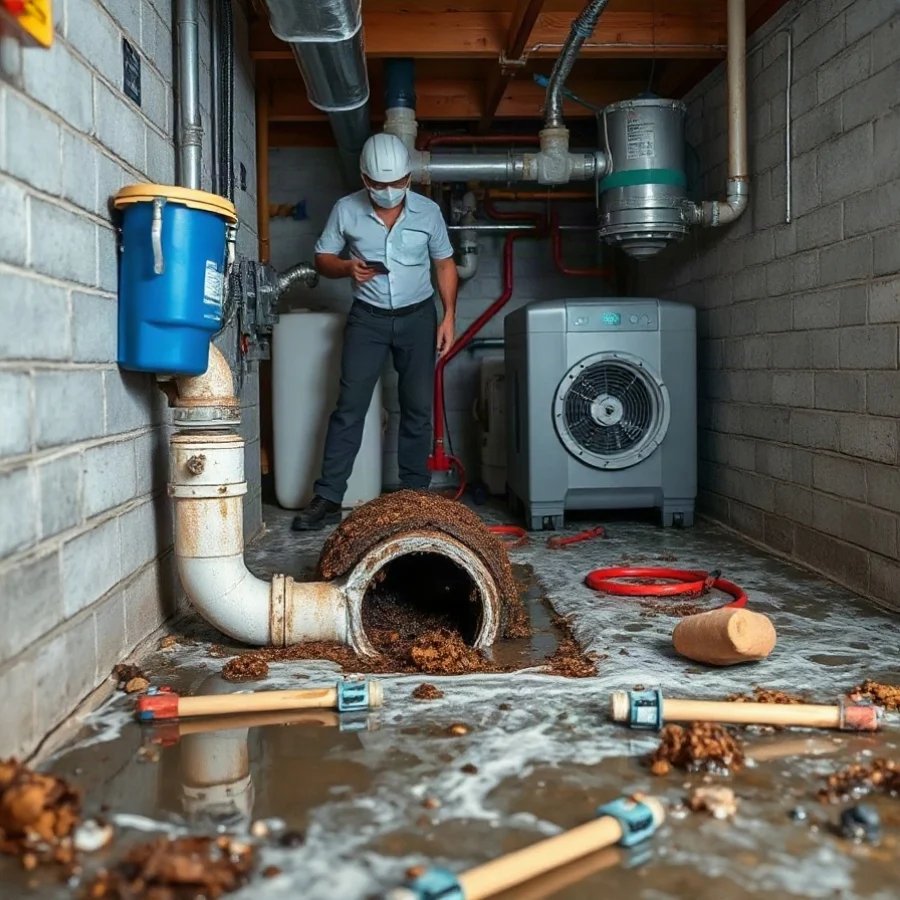
The first repair priority is stopping the source. Cosmetic repairs, painting, flooring replacement, and cabinet work should wait until the plumbing failure has been corrected and the area has been properly dried.
Stop active water flow
A plumber may isolate the damaged branch, install a temporary measure, or shut down a larger portion of the system while planning a permanent repair. A temporary clamp or plug may reduce immediate damage, but it is not automatically a lasting solution. The repair method depends on the pipe material, location, accessibility, pressure, condition of nearby connections, and the extent of the failure.
Inspect the entire accessible section
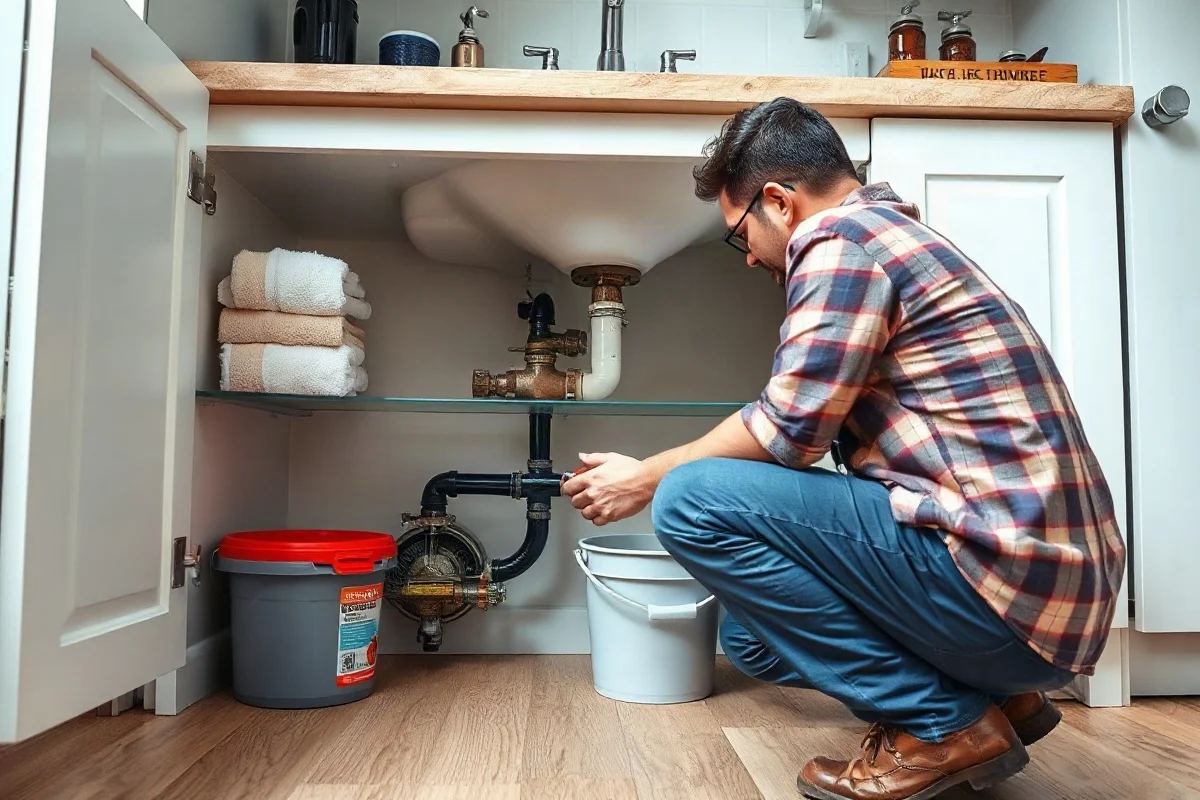
The visible split is not always the only weak point. Freezing, corrosion, internal deterioration, excessive movement, poor support, high pressure, and previous repairs can affect nearby areas. A professional should examine accessible fittings, valves, joints, and adjacent pipe before closing a wall or ceiling.
For concealed leaks, the plumber may need to use careful access openings or diagnostic equipment. Do not assume that a dry-looking surface means the cavity is dry. Water can travel along framing, insulation, flooring, and ceiling materials before appearing far from the actual break.
Repair or replace the damaged section
A small, clearly defined failure in otherwise sound piping may be repairable. Replacement is more appropriate when the pipe is broadly deteriorated, repeatedly failing, badly corroded, damaged by freezing, poorly supported, or surrounded by connections that are also compromised.
The goal is not simply to cover the hole. The completed work should address the failed section and the conditions that caused it. A plumber may recommend replacing a longer section, updating weak fittings, improving support, or using a compatible material. Pipe material choices should be based on the existing system, location, operating conditions, and applicable requirements rather than on a one-size-fits-all rule. See our guide to repairing or replacing a burst pipe section for more detail.
Water-Damage Restoration Comes After the Plumbing Is Controlled
Stopping the leak prevents additional water from entering, but it does not remove water already inside building materials. Drying should begin as soon as conditions are safe.
Remove standing water safely
Standing water on hard, uncontaminated surfaces may sometimes be removed with mops or suitable wet vacuums. Large volumes, water in wall cavities, or water near electrical equipment call for professional assistance. If the water came from a drain, toilet, sewer line, or another contaminated source, avoid contact and keep people and pets away. Sewage exposure requires qualified cleanup and may require specialized disposal procedures.
Dry materials and hidden spaces
Air movement and dehumidification can help dry some areas, but fans can spread contaminants if the water is dirty. Wet insulation, drywall, flooring, cabinets, and wood framing may need evaluation to determine whether they can be dried and saved or should be removed.
Musty odors, staining, bubbling paint, swollen trim, warped flooring, and continuing dampness can indicate trapped moisture. A restoration professional can evaluate moisture in areas that are not visible and recommend controlled drying or removal. Do not close a wall or install new flooring until the affected materials are adequately dry.
Safe Homeowner Checks Versus Professional Work
Homeowners can perform a few low-risk checks, but a burst pipe is often more serious than a routine dripping faucet.
Low-risk checks
- Locate the main water shutoff before an emergency occurs.
- Confirm whether water is still flowing after the shutoff is closed.
- Look for visible damage around accessible pipes without removing walls or ceilings.
- Move undamaged belongings away from wet areas when it is safe.
- Record photos, the approximate time of the failure, and any unusual weather or plumbing conditions.
- Check lower rooms and nearby cabinets for water that may have traveled away from the original break.
Work that should be left to qualified professionals
- Cutting into walls, ceilings, floors, or structural areas to find a concealed leak.
- Repairing pressurized water lines or replacing a large section of piping.
- Working near electrical wiring, panels, outlets, or wet appliances.
- Handling sewage, drain backups, or contaminated floodwater.
- Repairing gas piping or inspecting gas-fired equipment affected by water.
- Drying extensive water damage or evaluating possible mold growth.
- Performing work that may involve local code, structural, or permit requirements.
If the failure involves a major flood, sewage, gas, electrical equipment, a concealed leak, or unsafe access, use qualified local professionals rather than attempting a do-it-yourself repair. You can review emergency plumbing guidance while arranging help.
Common Causes of Burst Pipes
Understanding the likely cause helps determine whether a simple section repair is enough or whether broader work deserves consideration.
- Freezing temperatures: Water expands as it freezes, increasing pressure inside a closed section. Pipes may split during the freeze or begin leaking as the ice thaws.
- Corrosion and age: Older metal piping may become thin, brittle, or rough internally and can fail at several points.
- Excessive movement: Unsupported pipes can shift, vibrate, or place stress on joints when water starts and stops.
- High or fluctuating pressure: Pressure problems can strain weak pipes and fittings, especially where the system already has deterioration.
- Impact or construction damage: Nails, screws, remodeling work, accidental impact, or settling can damage concealed lines.
- Failed fittings or previous repairs: A weakened connection may leak suddenly even when the surrounding pipe appears intact.
A plumber should look for the underlying cause rather than replacing only the most obvious piece. For background on why pipes fail, read what causes pipes to burst inside a house.
How to Decide Between Repair and Replacement
Ask the plumber to explain why the recommended work is appropriate for the specific pipe. Important questions include:
- Is the damage limited to one point or is the surrounding pipe deteriorated?
- What caused the failure, and has that condition been addressed?
- Will the repair require opening a wall, ceiling, floor, cabinet, or other finished surface?
- Are nearby valves, fittings, supports, or connections likely to fail next?
- What testing will be performed before the area is closed?
- What water-damage drying or restoration work is still needed?
Replacement may reduce the chance of another failure when the pipe has widespread corrosion, repeated leaks, or extensive damage. On the other hand, replacing a sound system unnecessarily can increase disruption and cost. The best decision comes from the pipe’s actual condition and the accessibility of the repair, not from a generic recommendation about one material being better for every home.
What Affects Burst Pipe Repair and Restoration Cost?
Local pricing varies, so a reliable estimate should be based on the site conditions. Major cost factors may include:
- Whether the leak is visible or concealed.
- The pipe material, diameter, and length of the damaged section.
- Access through a cabinet, crawl space, basement, wall, ceiling, or slab.
- Emergency service timing and the extent of active water damage.
- Whether multiple failures or deteriorated nearby sections require attention.
- Drying, demolition, debris removal, flooring, drywall, insulation, or cabinet restoration.
- Electrical, gas, structural, sewage, or other specialist work needed for safety.
- Testing and repair of related equipment that was exposed to water.
Request a written scope that separates plumbing work from restoration work. Ask whether the estimate includes access openings, testing, cleanup, disposal, and repairs to finished surfaces. For additional planning information, review our guide to burst pipe repair costs.
How to Choose the Right Local Plumber
Choose a plumber who regularly handles burst pipes, concealed leaks, water damage, and the type of piping in your home. Before work begins, ask for the company’s business information, the plumber’s qualifications, a clear description of the proposed repair, and an explanation of any work that will be subcontracted.
Be cautious of anyone who recommends extensive replacement without examining accessible pipe, refuses to explain the cause of failure, or pressures you to approve unrelated work immediately. A responsible professional should identify urgent safety concerns, distinguish temporary measures from permanent repairs, and explain what must happen before walls or floors are restored.
Once the plumbing repair is complete, confirm that the system has been checked for leaks and that affected areas are being dried appropriately. Keep records of invoices, photographs, reports, and repair details. Prompt action can limit the spread of damage, but safe work and complete drying matter just as much as stopping the first leak.
Comments
0No comments yet. Be the first to share a helpful note or question.
Leave a Comment
Your email address will not be published. Comments are reviewed before appearing on the site.