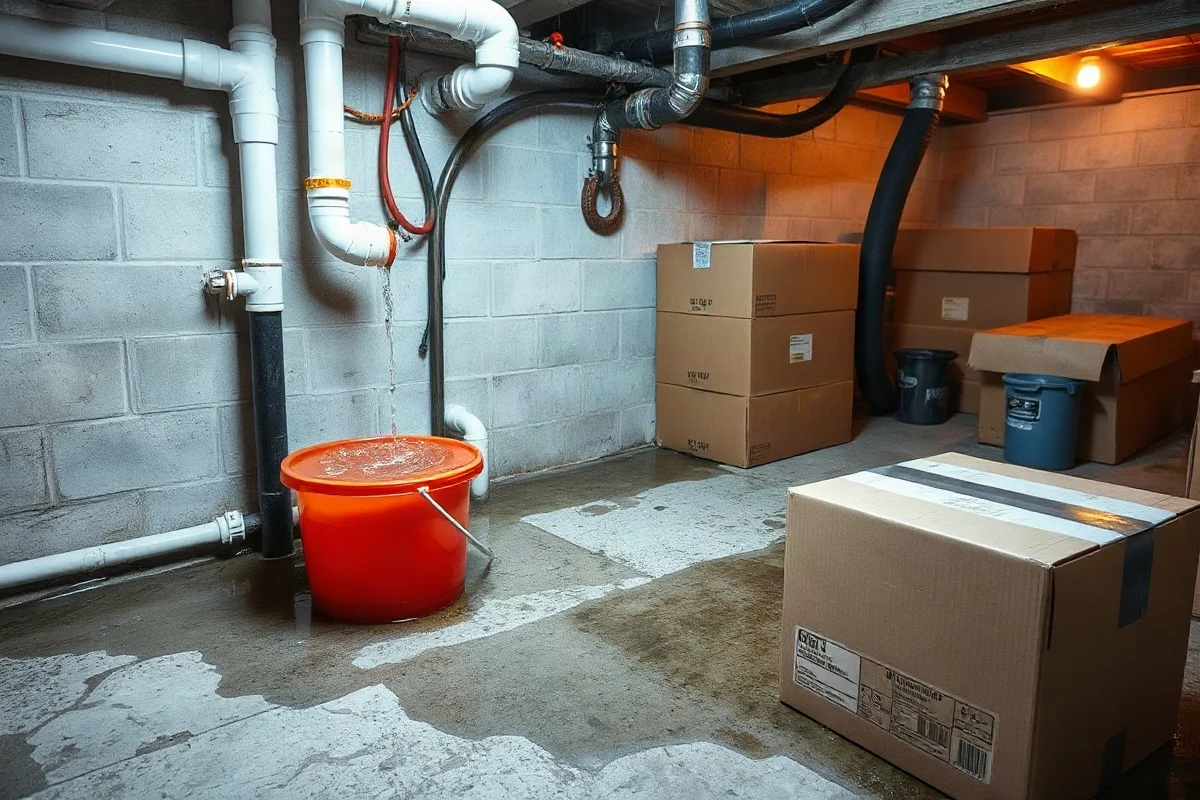
If a pipe bursts in an unfinished basement, shut off the home’s main water supply immediately, keep away from standing water near electrical equipment, and call a qualified local plumber if the leak is severe or the repair is beyond a safe temporary stop. Once the water is off, move valuables out of the area, document the damage, and remove only small amounts of water you can handle safely.
What to Do Immediately
A burst pipe can release a large volume of water quickly, even in an unfinished space. Focus first on stopping the flow and protecting people from electrical, structural, and sanitation hazards.
1. Shut off the main water supply
Find the main shutoff valve where the water service enters the house. It may be near the front foundation wall, near the water meter, or in another utility area. Turn the valve clockwise if it is a wheel-style valve. A lever-style valve generally closes when the handle is turned so it is perpendicular to the pipe.
Do not force a valve that is stuck, badly corroded, or damaged. Forcing it may break the valve or create another leak. If you cannot close the main shutoff, contact a qualified plumber or the appropriate water utility for help.
2. Avoid electrical hazards
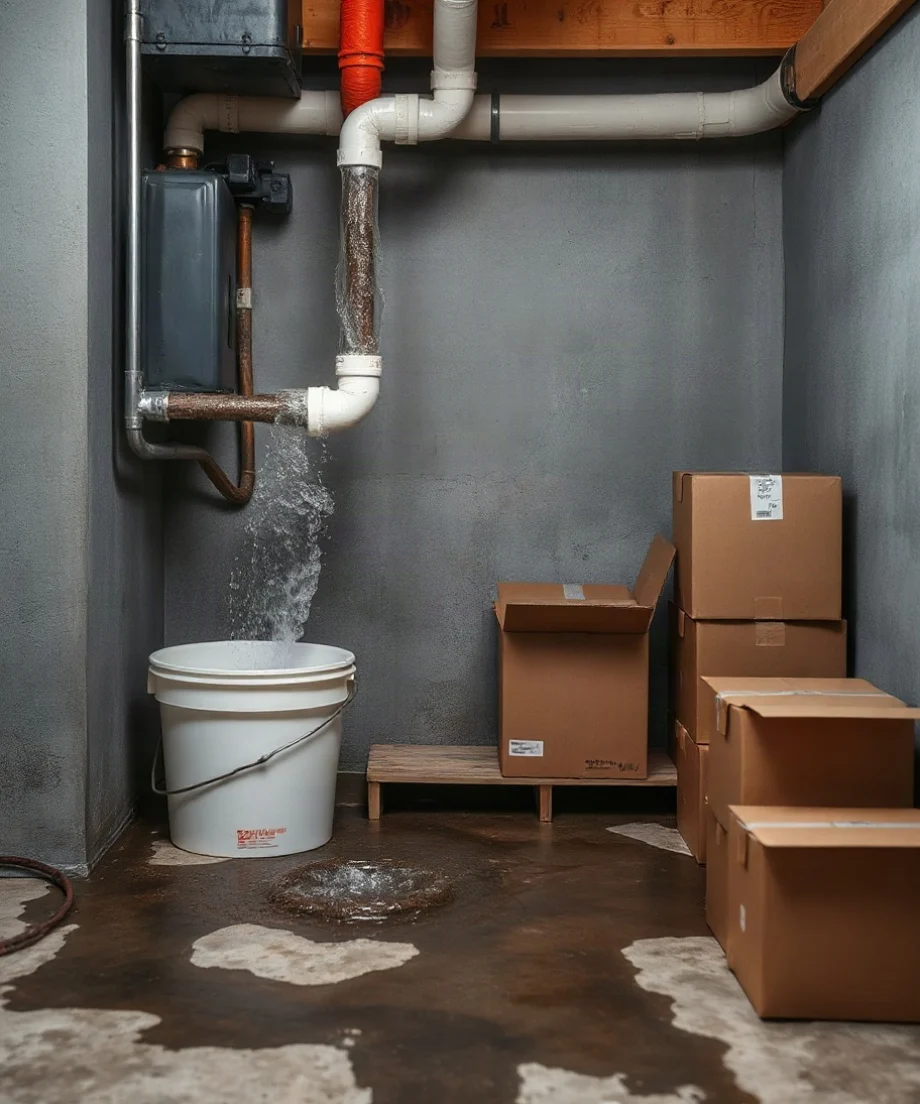
Do not step into standing water if electrical outlets, extension cords, appliances, furnaces, water heaters, electrical panels, or other powered equipment may be submerged or splashed. Do not reach through water to operate a breaker or unplug equipment.
If you can safely reach the electrical panel from a dry location, turn off power to the affected area. If the panel or the path to it is wet, use a qualified electrician or other qualified professional. Water and electricity can create a serious shock and fire hazard.
3. Open a faucet if it is safe
After the main water supply is off, opening a cold-water faucet on an upper floor can relieve pressure in the plumbing system. Only do this if you can reach the fixture safely and there is no electrical danger. You may also open a basement faucet if it is away from the leak and standing water.
4. Limit the spread of water
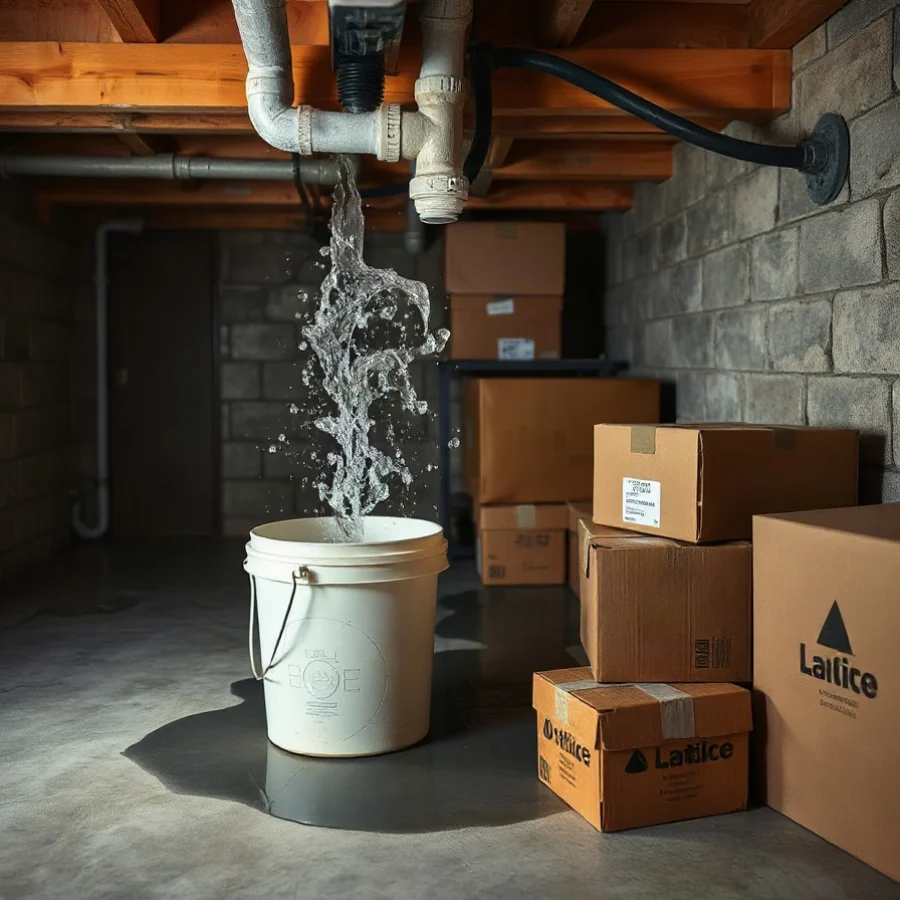
Move boxes, tools, stored materials, and other belongings away from the water. Use buckets, towels, or a wet/dry vacuum only when the equipment and the area are safe. Never use a standard household vacuum on water.
If the water is contaminated with sewage, avoid contact and keep children and pets away. Sewage exposure requires professional cleanup and plumbing assistance. You should also contact your insurance company promptly if the damage may lead to a claim. Take photos and videos before discarding damaged property when it is safe to do so.
Signs That the Pipe Has Burst
In an unfinished basement, a burst pipe may be obvious, but some failures are hidden behind insulation, framing, or finished areas near the basement stairs. Common signs include:
- A visible split, hole, or disconnected joint in a supply pipe
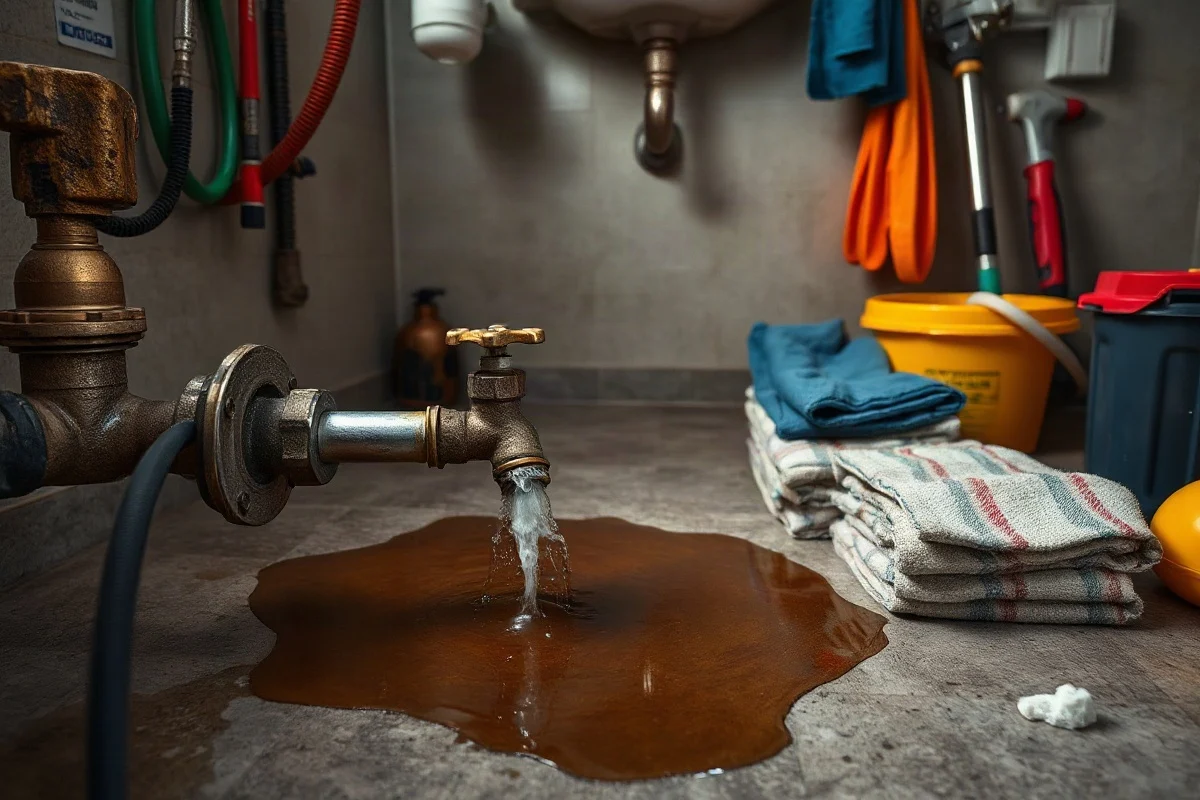
- Water spraying, streaming, or pooling around a pipe
- A sudden drop in water pressure throughout the house
- Water continuing to flow even when fixtures are turned off
- Unusual sounds such as hissing, rushing, or dripping behind a wall
- Wet insulation, stained framing, warped materials, or a musty odor
- A water meter that continues moving when no fixtures are in use
A pipe does not have to be completely split to cause significant damage. A small crack can continue leaking inside a wall or ceiling. If the source is concealed, do not cut into walls or ceilings unless a professional has helped identify the area and you understand the safety risks.
Why Pipes Burst in an Unfinished Basement
Unfinished basements often expose plumbing to temperature swings, drafts, and limited insulation. However, freezing is only one possible cause.
Freezing temperatures
Water expands as it freezes. That expansion can place intense pressure on a pipe, particularly in sections near exterior walls, basement windows, rim joists, crawl spaces, or poorly insulated areas. The pipe may split during freezing, while the largest release of water occurs when temperatures rise and the ice begins to thaw.
Corrosion and age
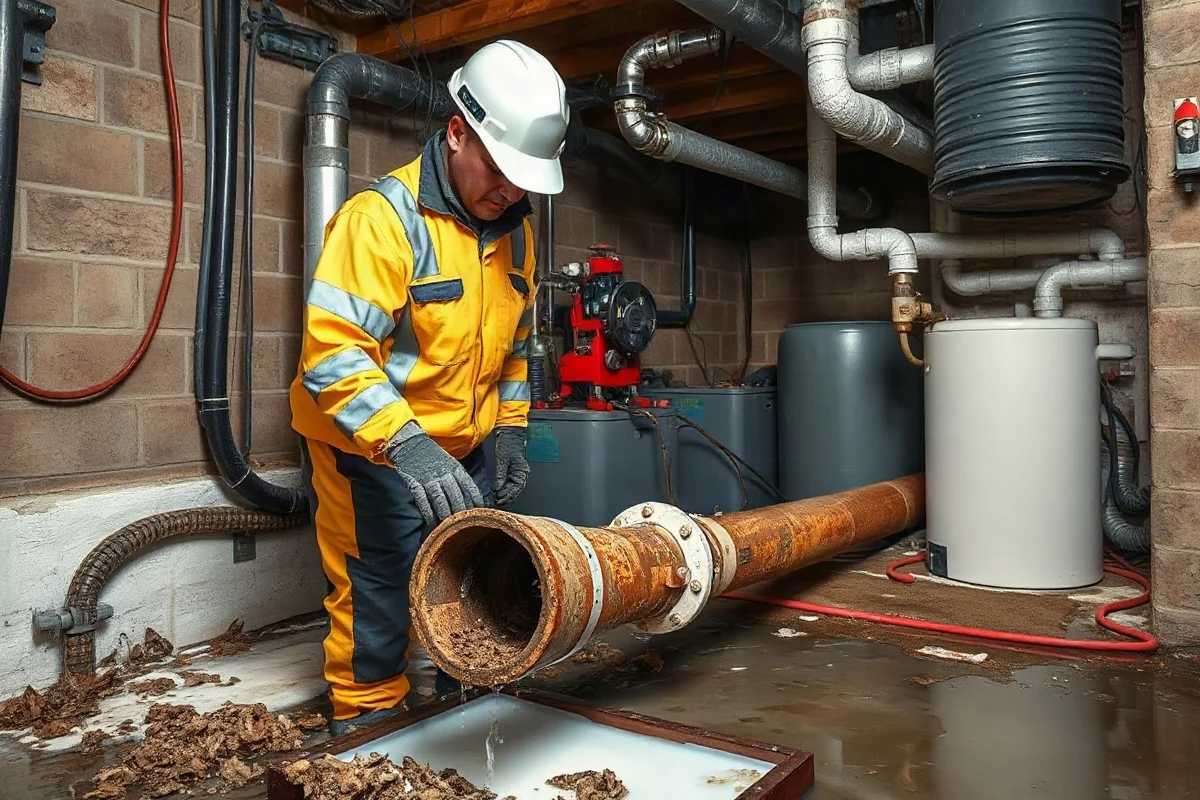
Older metal pipes can corrode internally or externally. Corrosion may weaken the pipe wall, create pinhole leaks, and eventually lead to a larger failure. Rust, flaking material, discoloration, or repeated small leaks are signs that more than one section may need evaluation.
Excessive pressure
Abnormally high water pressure can stress supply lines, fittings, valves, and appliance connections. Pressure problems may affect more than one fixture, so replacing only the visibly damaged section may not address the underlying issue.
Mechanical damage or movement
Pipes can be damaged by impact, shifting supports, construction work, or strain at a joint. Improperly supported piping may move when water starts or stops, eventually weakening connections.
For additional background, see this guide to what causes pipes to burst inside a house.
Safe Homeowner Checks
Once the water is shut off and the area is dry enough to enter safely, you can perform a few low-risk checks:
- Confirm that the main shutoff is fully closed.
- Check whether water is still entering the basement from a separate source, such as a failed water heater connection, appliance supply line, or drain backup.
- Look for the exact visible point of failure without touching a damaged pipe.
- Check whether nearby rooms, walls, ceilings, or utility areas show signs of water migration.
- Record the pipe material, approximate size, and location for the plumber.
- Check whether the sump pump is operating, but do not enter standing water to inspect or repair it.
Do not remove insulation, cut piping, operate electrical equipment in wet conditions, or use a torch, heat gun, or open flame to thaw a frozen pipe. Rapid heating can damage the pipe and create a fire risk. Never use a flame near combustible materials, gas equipment, or unknown vapor sources.
When to Call a Professional Immediately
Call a qualified local plumber promptly when the leak is active, the main shutoff does not work, the pipe is concealed, or the damaged section is connected to a water heater, boiler, treatment system, or other specialized equipment. Professional help is also appropriate when several pipes are leaking, the home has lost water pressure throughout, or the cause is unclear.
Use qualified professionals for any situation involving electrical equipment, sewage, major flooding, structural damage, gas appliances, or possible contamination. If you smell gas, leave the building and contact the gas utility or emergency services according to local guidance. Do not operate switches or try to locate a gas leak.
A burst pipe may be only one symptom of broader damage. A plumber can inspect nearby piping, shutoff valves, supports, pressure conditions, and hidden areas before recommending a repair. You can also review emergency plumbing guidance when the leak is causing immediate property damage.
Repair or Replace the Damaged Pipe?
The correct solution depends on the pipe material, the location of the failure, the condition of nearby sections, and the cause of the break.
A localized repair may be reasonable when:
- The surrounding pipe is in good condition.
- The failure is limited to one accessible section or fitting.
- The pipe can be properly supported after the repair.
- The underlying cause, such as freezing or movement, can be corrected.
Replacement may be more appropriate when:
- The pipe has multiple corrosion spots or recurring leaks.
- Several fittings or sections are damaged.
- The material is brittle, deteriorated, or difficult to repair reliably.
- The plumbing layout leaves the pipe exposed to recurring freezing conditions.
- A repair would place new fittings next to severely weakened pipe.
A professional may recommend replacing a longer section rather than installing a short patch. That decision should be based on the pipe’s condition, accessibility, and expected reliability—not just the location of the visible hole.
How to Reduce the Risk of Another Burst
After repairs are complete, address the conditions that contributed to the failure. Seal drafts around basement windows and penetrations, improve insulation where appropriate, and avoid storing items tightly against vulnerable piping. Keep access to the main shutoff clear and label it so household members can find it quickly.
During unusually cold weather, follow practical freeze-prevention guidance from a qualified plumber. If pipes repeatedly freeze, ask for an evaluation of insulation, routing, air leakage, and water flow. Do not rely on a space heater near plumbing unless it is used in a safe, manufacturer-approved manner and kept away from water and combustible materials.
Inspect exposed connections occasionally for corrosion, mineral buildup, dampness, or movement. Small warning signs deserve attention before they become a basement flood.
What Affects Burst Pipe Repair Cost?
Because every failure is different, a reliable estimate requires an inspection. Important cost factors can include:
- Whether the leak is visible or hidden behind a wall, ceiling, or insulation
- The pipe material, size, and connection type
- The length of pipe that must be repaired or replaced
- Accessibility and the amount of material that must be removed and restored
- Water damage to framing, insulation, flooring, stored belongings, or finished areas
- Emergency scheduling and work performed outside normal business hours
- Whether the cause involves pressure, freezing, corrosion, or another system problem
Ask the plumber to separate the immediate water-stopping work from recommended follow-up repairs. Request a written description of the work, the materials to be used, what cleanup is included, and which items may require another trade. For general planning, you can read about burst pipe repair cost factors without treating any online figure as a guaranteed local price.
How to Choose the Right Plumber
Look for a plumbing professional with experience handling burst pipes, water damage, and the type of piping installed in your home. Ask whether the company can inspect adjacent lines and identify the likely cause, not just replace the most obvious broken section.
Before work begins, confirm the company’s contact information, the scope of the repair, how emergency or diagnostic charges are handled, and whether additional restoration work is performed by the plumber or a separate contractor. Ask for documentation of any work completed and keep it with your home maintenance records.
Be cautious of anyone who recommends extensive replacement without explaining the evidence, or who proposes a temporary patch without discussing why the pipe failed. A clear diagnosis and practical repair plan help protect both the basement and the rest of the plumbing system. For more selection guidance, review these tips for hiring a plumber.
The safest response to a burst pipe is fast but controlled: stop the water, stay away from electrical and contaminated areas, protect belongings, and obtain professional help when the repair or cleanup presents a hazard. An unfinished basement may make the broken pipe easier to see, but it can also expose plumbing to freezing, corrosion, and utility-related risks that deserve a complete evaluation.
Comments
0No comments yet. Be the first to share a helpful note or question.
Leave a Comment
Your email address will not be published. Comments are reviewed before appearing on the site.