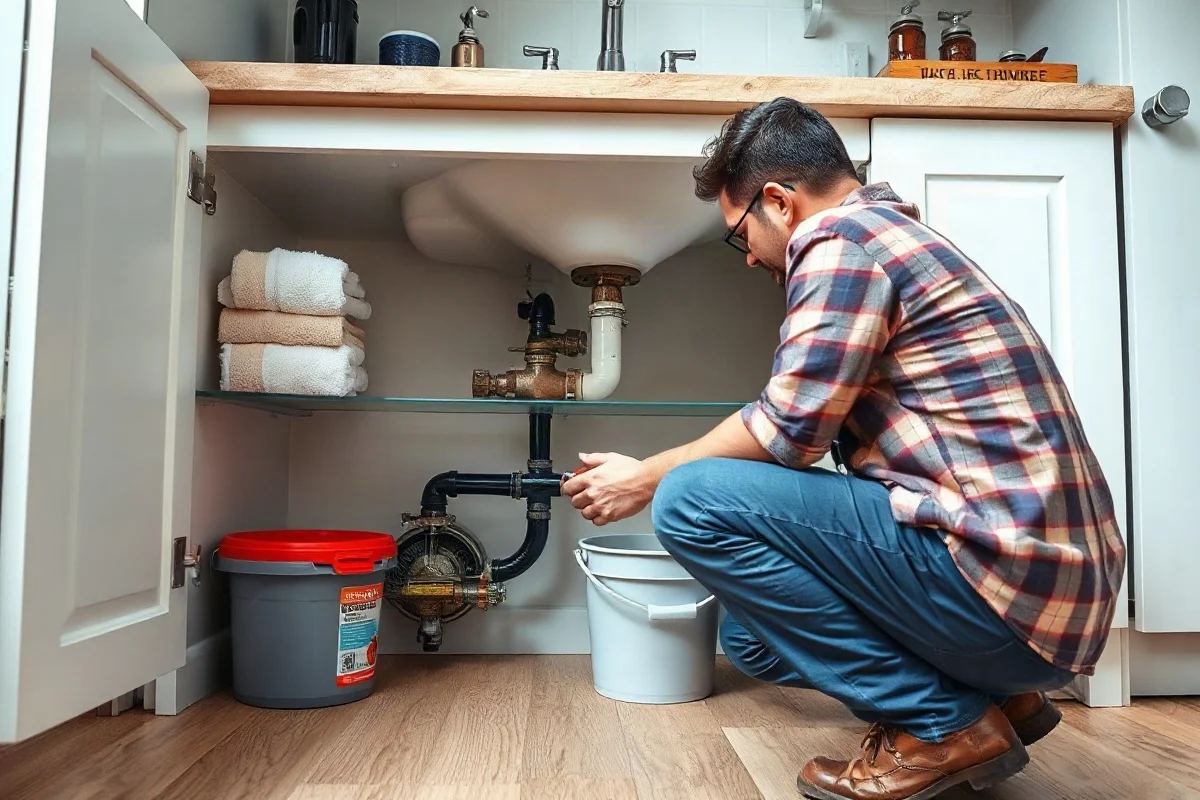
A burst pipe repair in a typical home may take a few hours when the damaged section is exposed, the water is shut off quickly, and replacement materials are readily available. The overall situation can take much longer—sometimes a full day or more—if the pipe is hidden behind a wall, under a floor, in a crawl space, or connected to widespread water damage. The plumbing repair itself and the drying, demolition, electrical, or restoration work afterward should be treated as separate parts of the job.
The safest first step is to stop the water flow and arrange qualified help. A burst pipe can continue damaging flooring, cabinets, drywall, insulation, and personal belongings even when the visible leak seems small.
Typical burst pipe repair timelines
There is no single timeline that applies to every home. A plumber must first locate the failure, make the area safe, expose enough of the pipe to work, and determine whether a repair or larger replacement is appropriate.
- Exposed pipe with easy access: The plumbing work may be completed in a few hours if the damaged section is limited and no unusual complications are found.
- Pipe under a sink, behind an appliance, or in a utility area: Access may add time, especially if cabinets, stored items, or equipment must be moved.
- Pipe inside a wall or ceiling: Finding the exact leak and opening the finished surface can extend the visit. Drywall repair and painting are usually separate tasks.
- Frozen or repeatedly damaged lines: The plumber may need to inspect nearby sections, improve protection, or replace more than the visibly split area.
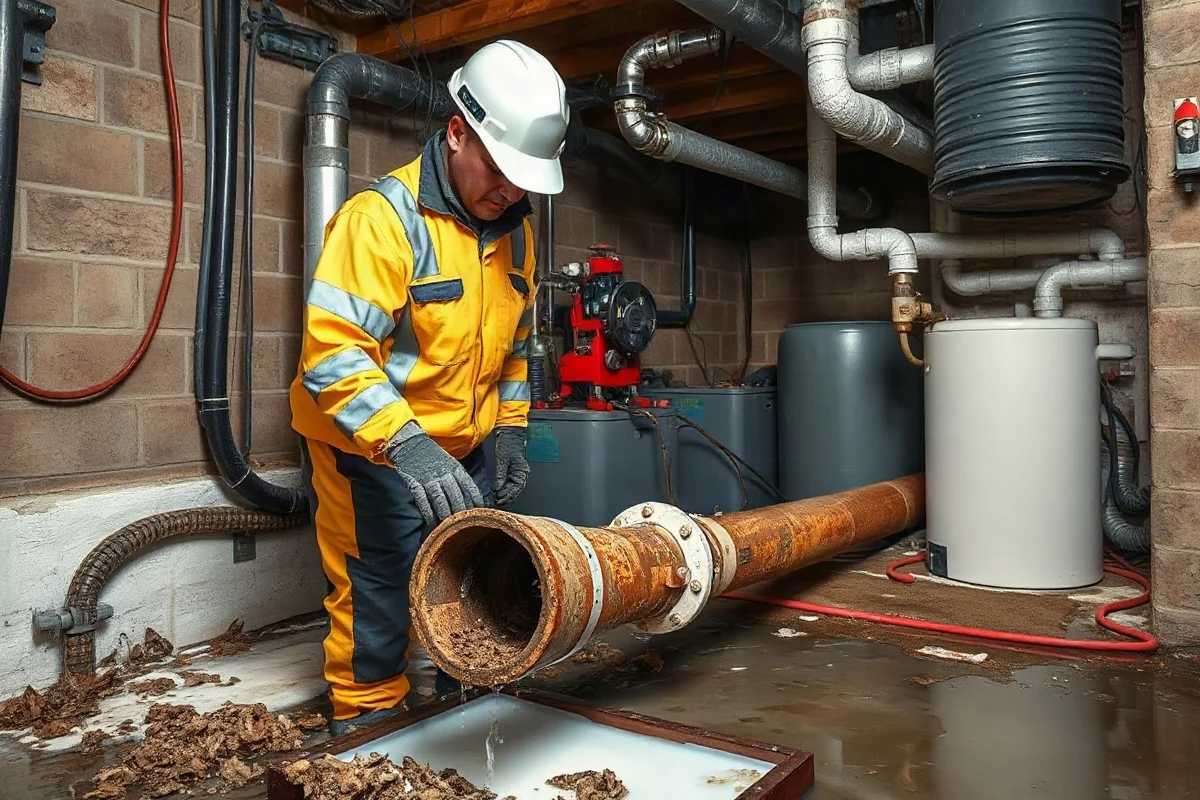
- Major flooding or contaminated water: Water removal, drying, material removal, and possible electrical or environmental concerns can make the overall recovery last much longer than the pipe repair.
These are general planning ranges, not promises. A professional can give a more useful estimate after inspecting the location and understanding whether water is still escaping.
What to do before the plumber arrives
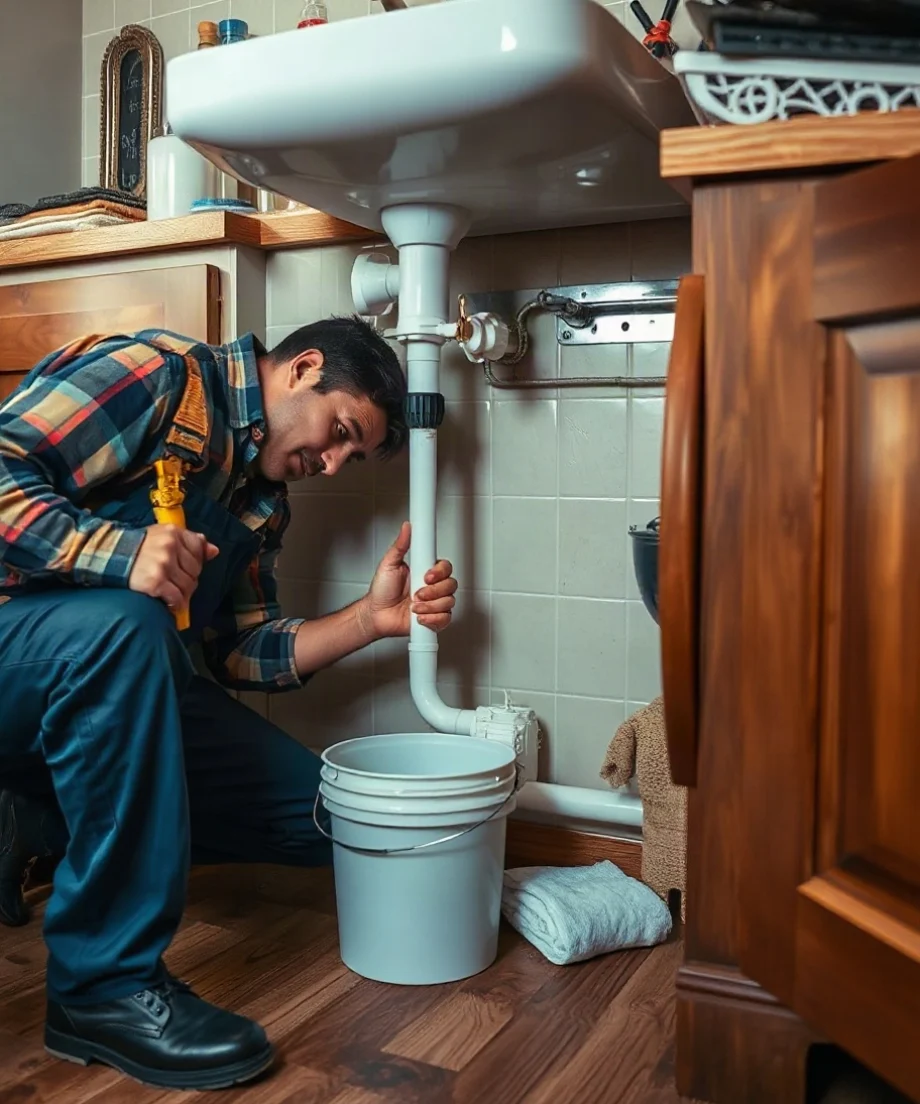
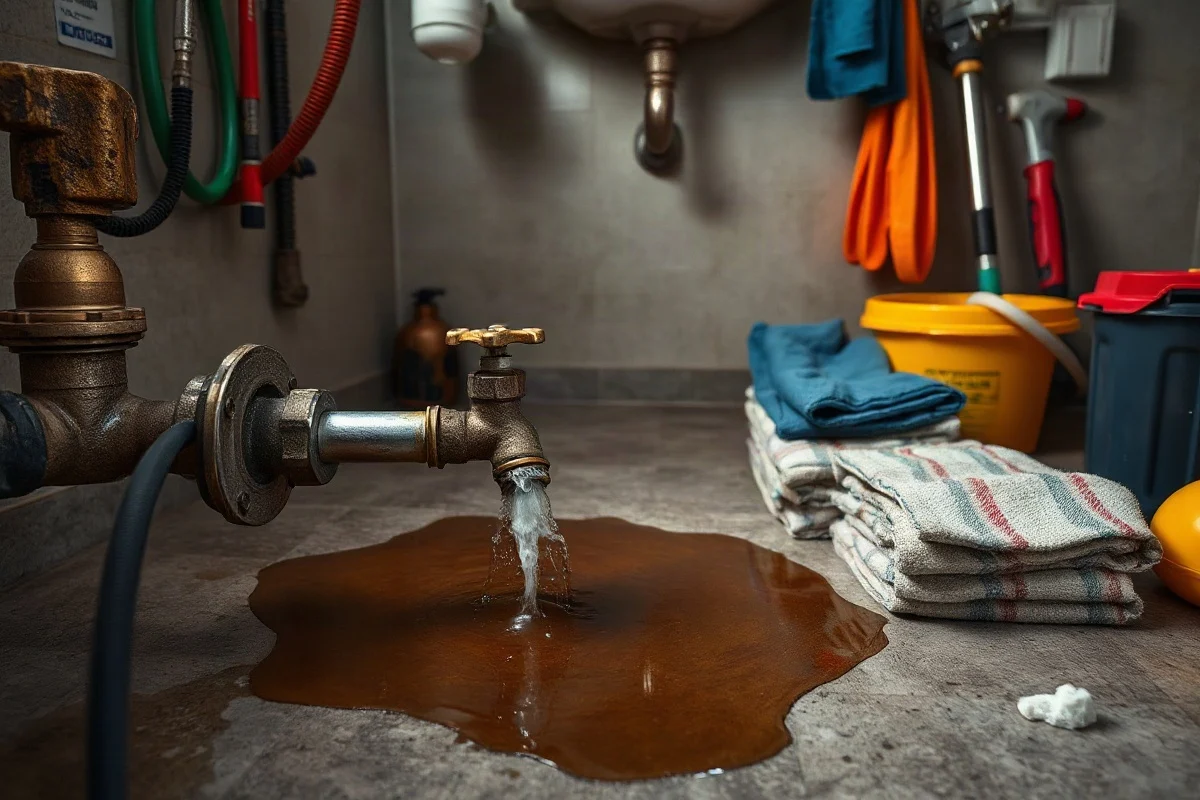
Homeowners can take a few low-risk steps to limit damage. If the leak is active, close the home’s main water shutoff if you can reach it safely. If the leak is supplied by a fixture or appliance with its own shutoff valve, closing that valve may stop the flow. Do not force a stuck valve or enter an area where standing water may contact electrical equipment.
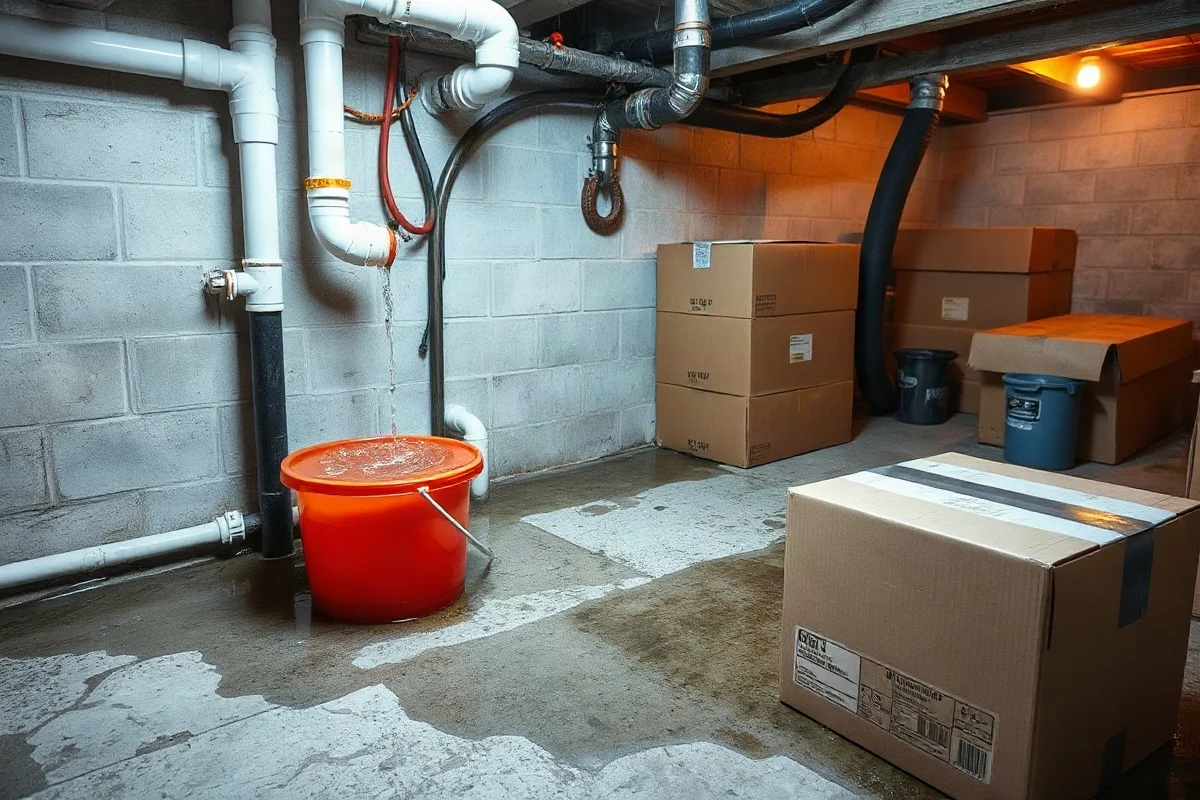
Move undamaged belongings away from the water and place containers or towels beneath a small, accessible drip when doing so does not create a safety hazard. Take photographs and short videos of the affected area for your records. Note when the leak started, whether the water appeared clean or contaminated, and whether the flow changed after shutting off a valve.
Do not cut into a wall, ceiling, or floor to search for a hidden leak unless a qualified professional has advised you and the area is confirmed safe. Avoid using electrical devices in wet areas. If water is near outlets, wiring, a breaker panel, or other electrical equipment, keep clear and contact an appropriate qualified professional. If sewage is involved, avoid contact and arrange professional cleanup.
Why some burst pipe repairs take longer
Locating the damaged section
A visible drip does not always identify the exact break. Water can travel along framing, insulation, pipes, and ceiling materials before appearing in a room below. The plumber may need to trace the water path and inspect nearby pipe sections rather than replacing only the first wet spot.
Limited access
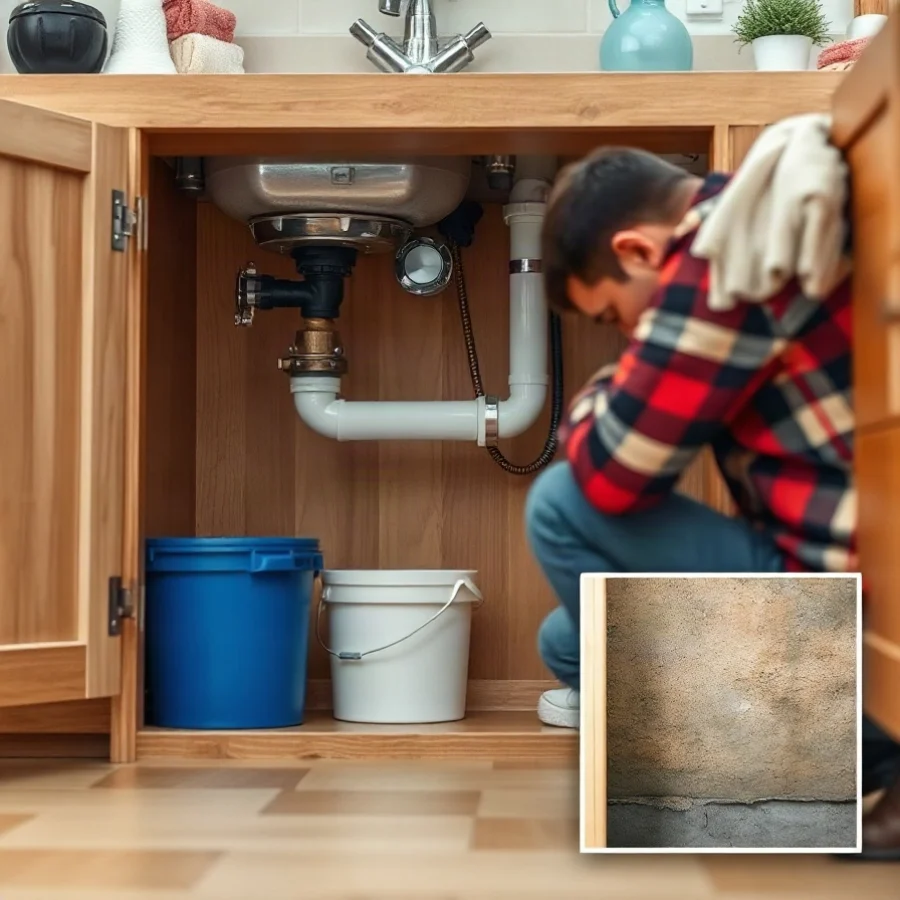
A pipe in an unfinished basement or open utility area is generally easier to reach than one behind tile, cabinetry, finished drywall, flooring, or built-in furniture. Access work may involve carefully removing materials, protecting the surrounding area, and leaving the opening ready for another trade to repair.
Frozen pipes and hidden damage
Freezing can split a pipe in one place while leaving stressed areas elsewhere. Once the line thaws, several weak points may leak. The plumber may inspect the accessible run and recommend replacing a longer section if the pipe is deteriorated or if a small repair would leave an unreliable connection nearby.
Water damage beyond the plumbing
Stopping the leak does not immediately dry a home. Wet drywall, insulation, flooring, cabinets, and contents may require extraction and controlled drying. Mold concerns, structural damage, or sewage exposure call for specialized assessment. These services are not automatically part of a plumbing appointment, so ask who is responsible for each phase.
Repair or replace the whole section?
A short damaged portion can sometimes be removed and replaced with compatible material and proper connections. In other cases, replacing a longer run is more sensible. The decision depends on the pipe’s age and condition, the cause of the failure, the number of previous repairs, the location of the damage, and whether the surrounding connections are showing corrosion or stress.
A temporary clamp or similar measure may help control an immediate leak in limited circumstances, but it is not necessarily a permanent repair. Ask the plumber what was done, which portion was replaced, and whether any follow-up work is recommended. For additional background, see whether a burst pipe should be repaired or replaced.
The replacement material should be selected for the existing system and installation conditions. Mixing materials or using an unsuitable connection can create future leaks. A qualified plumber can explain the proposed material and why it fits the repair.
Factors that affect the repair cost and schedule
Several variables influence both the time and the final bill:
- Location: Exposed plumbing is usually easier to reach than a concealed line.
- Extent of damage: One split connection is different from a long section with corrosion, freezing damage, or multiple failures.
- Water shutoff condition: If the main shutoff does not close fully, additional steps may be needed to control the water safely.
- Materials and availability: The required pipe, fittings, valves, or specialty components may affect scheduling.
- Access and restoration: Removing cabinets, drywall, flooring, or insulation can add labor and may require another contractor for replacement.
- Emergency timing: After-hours or urgent service can have different terms than a planned appointment. Ask about applicable charges before work begins.
- Related system problems: Poor support, freezing exposure, high pressure, corrosion, or an aging plumbing section may need attention to reduce the chance of another failure.
Because local labor rates and project conditions vary, avoid relying on a national average as a personal quote. Request a written or clearly itemized estimate that separates emergency stabilization, plumbing work, access work, and restoration. The factors that affect burst pipe repair cost can help you prepare questions before approving the work.
When a burst pipe is an emergency
Treat the problem as urgent when water is flowing continuously, the leak is near electrical equipment, a ceiling is bulging, several rooms are affected, or the source cannot be controlled. A ceiling that is swollen or sagging may contain trapped water and should not be disturbed. Keep people and pets away from unstable surfaces.
Use a qualified local plumber for concealed leaks, extensive flooding, work involving sewage, repairs that may affect building code compliance, or any situation where you cannot safely isolate the water. Gas lines and electrical connections are not appropriate do-it-yourself plumbing projects. If you are unsure whether the water is safe or whether the structure is stable, leave the area and seek professional guidance.
For active flooding, an emergency plumber may be the appropriate starting point. Ask whether the plumber handles only the leak or also coordinates water extraction and restoration.
How to choose the right plumber
Look for a local professional with experience diagnosing and repairing burst pipes in the type of property you own. Before authorizing work, ask:
- Can you identify the likely source and explain how you will access it?
- What will you do first to stop further water damage?
- Will you repair only the failed spot or inspect and replace a larger section?
- Which parts of the work are included, and which require a restoration contractor?
- Will the estimate include labor, materials, access work, disposal, and any applicable after-hours charges?
- What steps will you take to test the repair before leaving?
- Are there local licensing, permit, inspection, or code requirements that apply to this job?
Ask the company to explain any local requirements rather than assuming they are the same everywhere. A reputable professional should also identify conditions that could change the scope before proceeding with additional work.
After the pipe is repaired
Once the repair is complete, the water should be restored gradually while the plumber checks the repaired area and nearby connections. Watch for renewed dripping, dampness, pressure changes, unusual noises, or water stains. Do not close up a wall or replace flooring until the area has been properly evaluated and dried.
Keep the repair details, photographs, invoices, and any recommendations. If freezing caused the failure, discuss practical prevention measures such as protecting vulnerable pipes and addressing cold air exposure. If corrosion, pressure, or repeated leaks contributed to the problem, fixing the underlying condition may be more valuable than replacing isolated sections as they fail.
The most accurate answer to “How long does burst pipe repair take?” depends on access, damage, and the condition of the surrounding plumbing. A straightforward exposed repair may be finished in a few hours, while a concealed leak with flooding and restoration needs can take considerably longer. Acting quickly, shutting off water safely, and using a qualified professional can limit both the repair scope and the damage that follows.
Comments
0No comments yet. Be the first to share a helpful note or question.
Leave a Comment
Your email address will not be published. Comments are reviewed before appearing on the site.