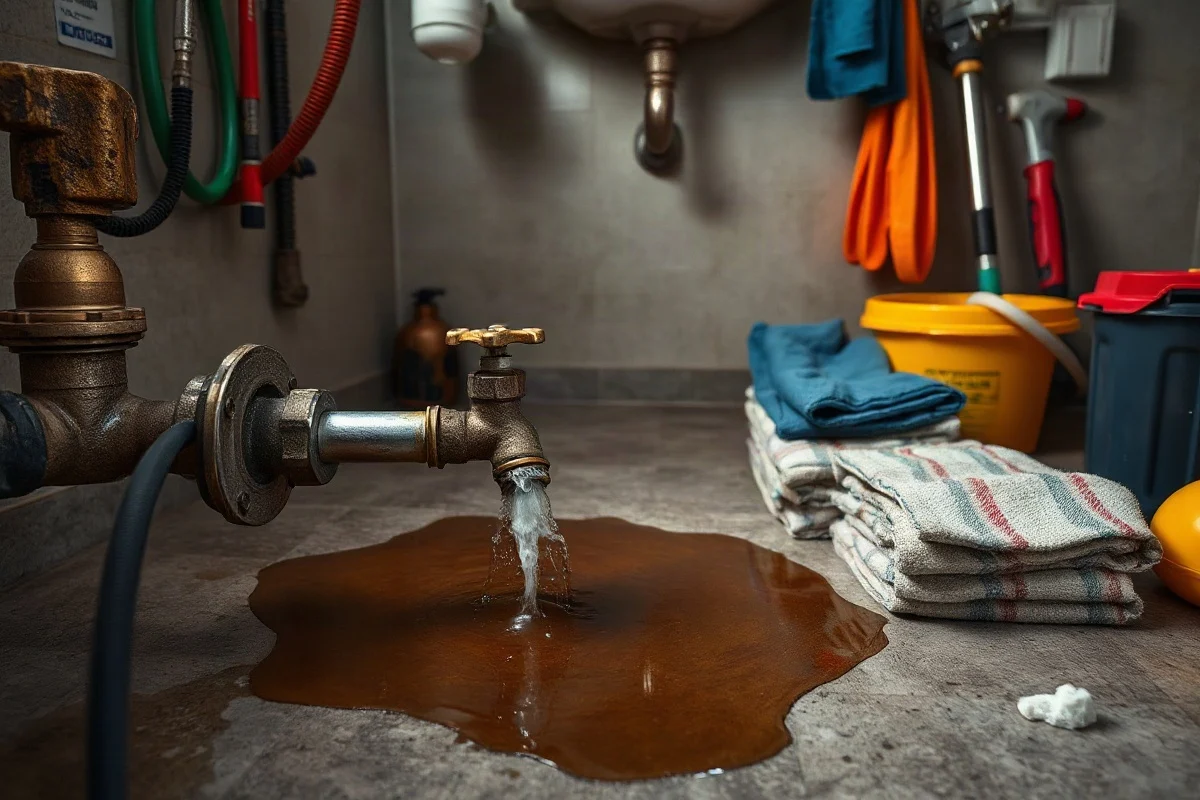
Burst pipe repair costs can range from a relatively simple service call and localized pipe repair to a much larger bill involving emergency water removal, wall or ceiling access, pipe replacement, and restoration. There is no reliable one-size-fits-all price because the location of the break, the pipe material, the amount of water released, local labor rates, and the timing of the repair all affect the total. The safest first steps are to shut off the water, reduce electrical hazards, protect belongings if you can do so safely, and contact a qualified local plumber when the leak is substantial or difficult to reach.
What a burst pipe repair bill may include
A plumber’s estimate may cover more than the part that seals the pipe. Understanding the possible components can make an estimate easier to evaluate:
- Emergency arrival or diagnostic work: A plumber may need to locate the active leak, identify the shutoff, and determine whether the problem affects one fixture, a branch line, or the main supply.
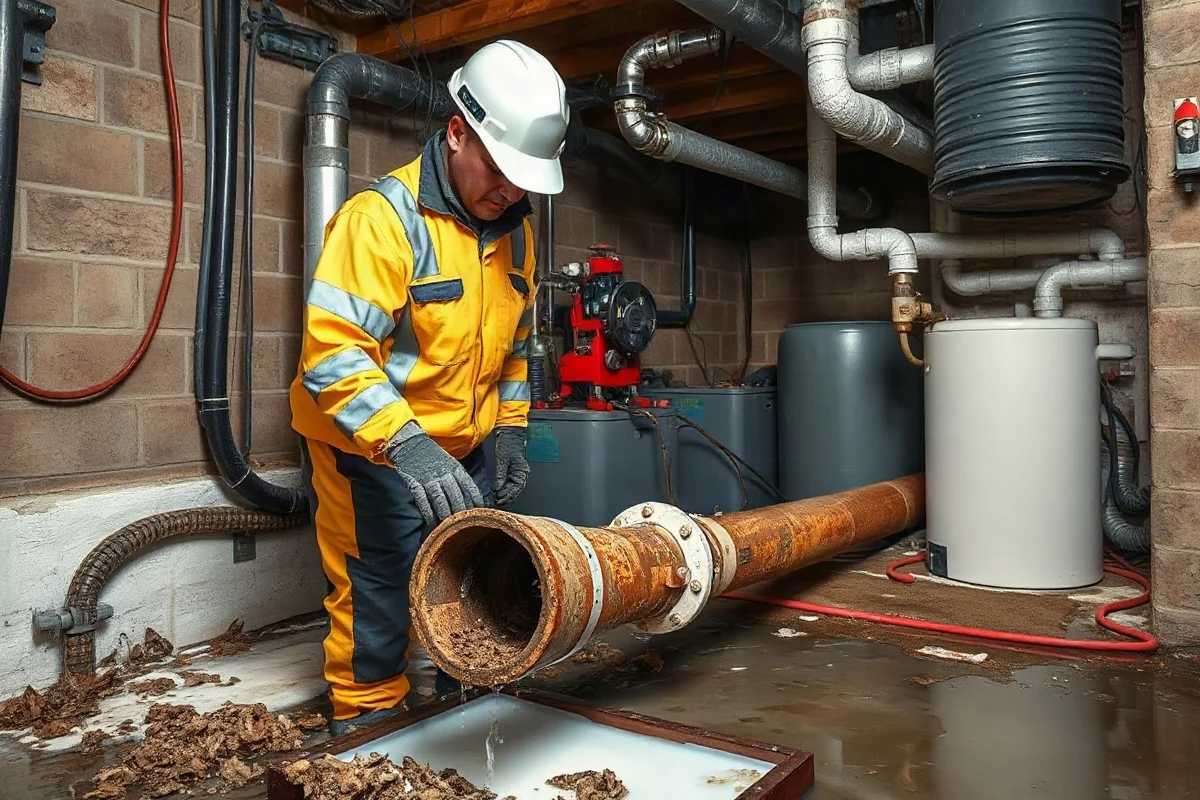
- Pipe repair or replacement: The damaged section may be cut out and replaced, or a larger section may need to be renewed if the pipe is corroded, cracked in several places, or otherwise unreliable.
- Access work: Pipes behind drywall, ceilings, cabinets, flooring, or other finished surfaces can require careful opening and later repair by an appropriate tradesperson.
- Water removal and drying: Standing water may require extraction, fans, dehumidification, or professional restoration to limit damage to building materials.
- Related repairs: Frozen pipes, failed fittings, weak supports, pressure problems, or an aging plumbing system may need attention so the same failure does not recur.
- After-hours and difficult-access factors: Service timing, travel, limited working space, and the complexity of reaching the pipe can influence labor and equipment charges.
Ask whether the quote includes diagnosis, materials, labor, access work, cleanup, and taxes. Also ask which items are estimates rather than fixed amounts. A plumber may not be able to determine the full cost until water is removed or a wall is opened.
Why burst pipe costs vary so much
Location of the break
An exposed pipe in a basement, utility room, or crawlspace is generally easier to reach than a pipe inside a finished wall or beneath flooring. A line under a concrete slab or behind built-in cabinetry may require specialized investigation and more extensive access work. If you suspect a concealed leak, avoid cutting into walls or floors unless you know where utilities are located. A qualified professional can help reduce unnecessary damage and identify other hazards.
Amount of water and duration of the leak
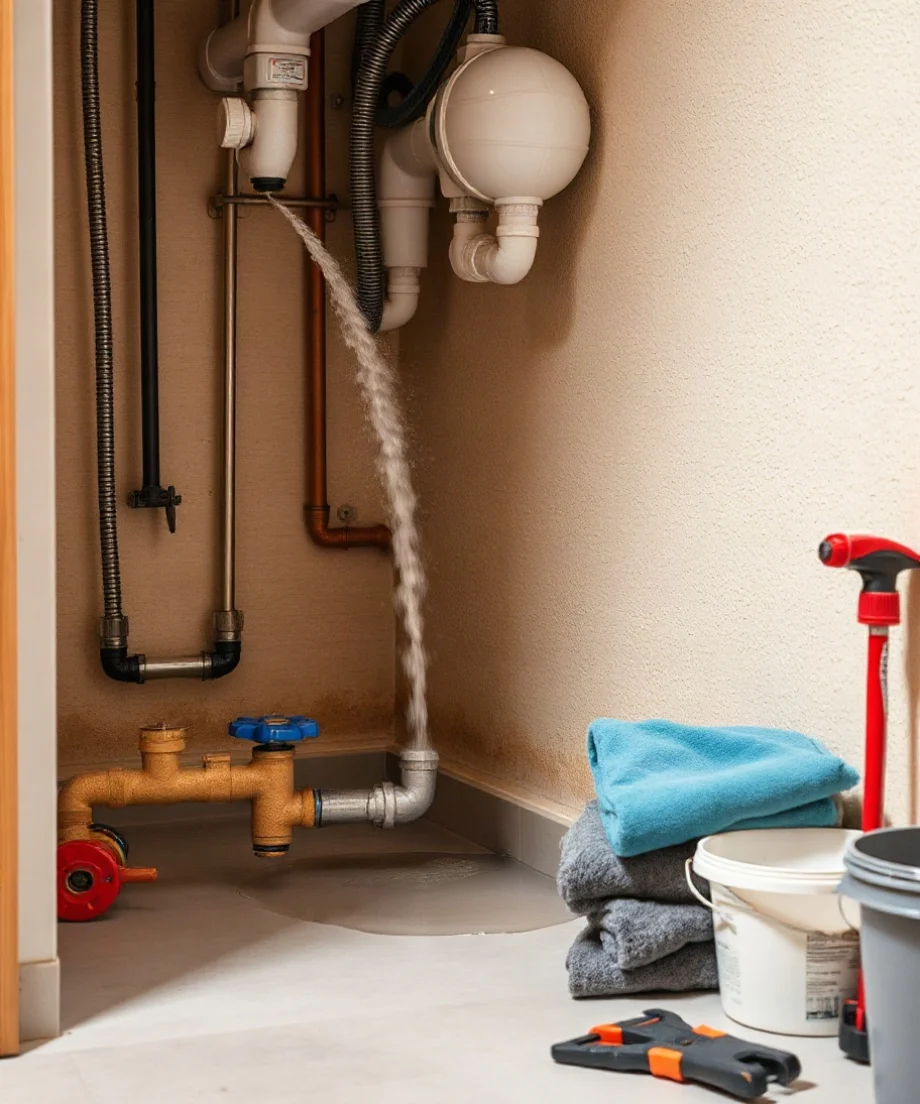
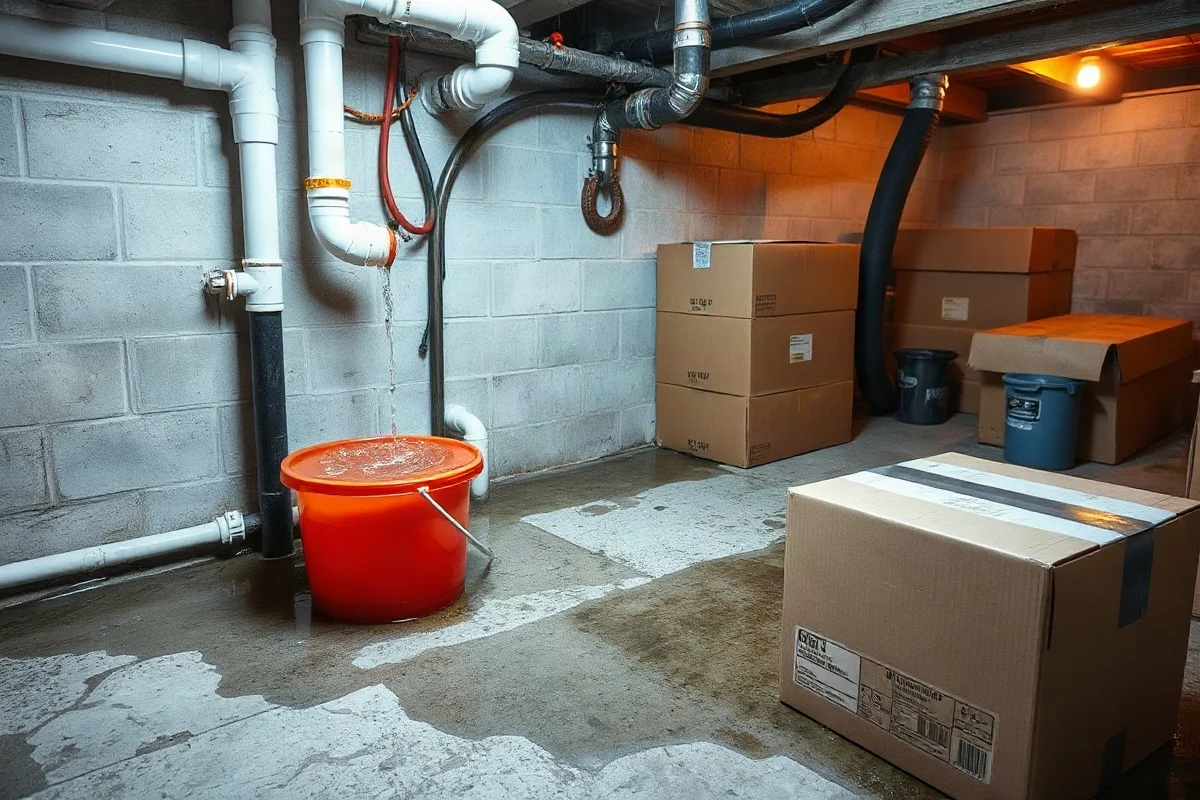
A small crack that is shut off quickly may cause limited damage. A failed supply line that continues releasing water can affect flooring, drywall, insulation, cabinets, electrical components, and personal belongings. Water can also move into areas that are not immediately visible. The plumbing repair may be only one part of the total recovery cost.
Pipe material and condition
Copper, galvanized steel, plastic, and other plumbing materials have different repair methods and may require different fittings or tools. A single failure does not automatically mean the entire system must be replaced. However, widespread corrosion, repeated leaks, brittle material, or a history of failures may make broader replacement more practical than repeated spot repairs.
Time and access
After-hours service, weekend work, holiday scheduling, and difficult access can affect the estimate. These charges vary by company and location, so ask for the pricing structure before authorizing non-emergency work when circumstances allow. During active flooding, stopping the water and preventing additional damage should take priority over comparing many providers.
What to do immediately after a pipe bursts
Take these steps if they can be completed safely:
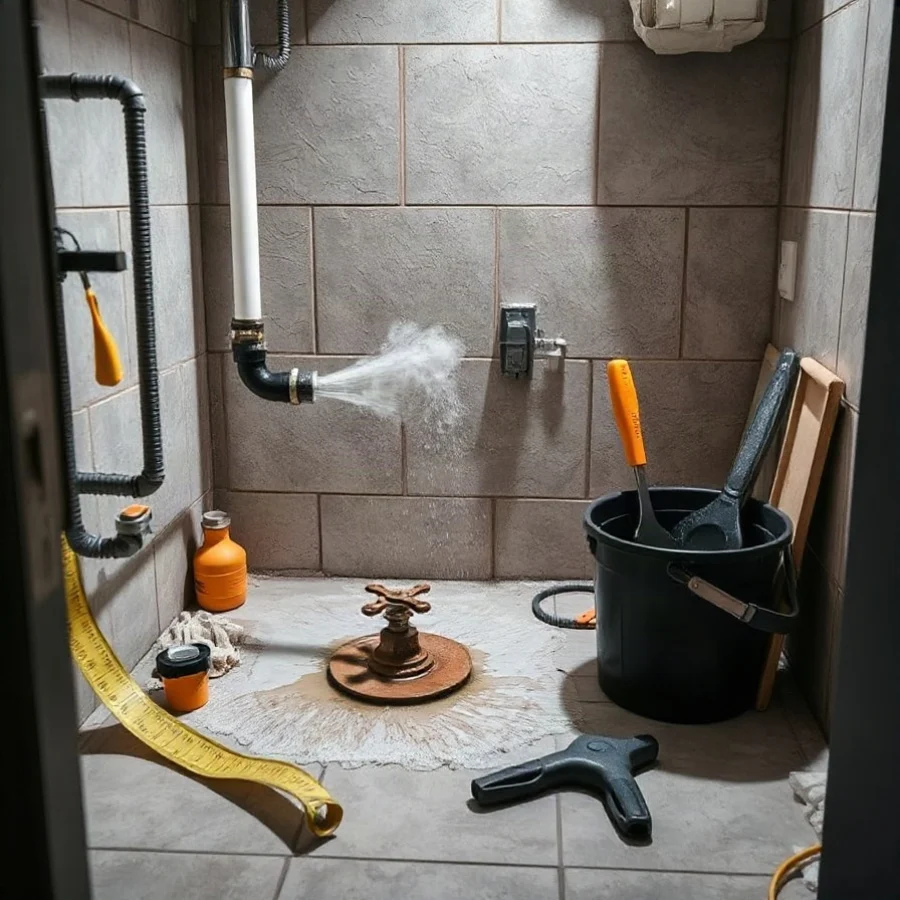
- Shut off the water. Close the fixture shutoff if the leak is isolated and the valve works. Otherwise, use the home’s main water shutoff. If you cannot find or operate it, call a plumber for help.
- Open a faucet briefly after the water is off. This may relieve pressure in the plumbing system, but do not continue if water is reaching electrical equipment or unsafe areas.
- Protect people and belongings. Keep children and pets away from standing water. Move undamaged items only when doing so does not expose you to electrical, structural, or contamination risks.
- Turn off electricity only when safe. If water is near outlets, appliances, wiring, or the electrical panel, do not step into standing water or touch electrical equipment. Contact a qualified electrician or emergency professional.
- Document the damage. Take photos or video from a safe location before cleanup, and keep records of conversations, invoices, and damaged items for your insurance process.
- Contact the appropriate professionals. A plumber handles the water supply problem. A water-damage restoration company may be needed for extraction and drying, while an electrician or other contractor may be required for related hazards.
For urgent situations, the emergency plumber guide can help you understand when immediate professional assistance is appropriate.
Safe homeowner checks versus professional work
Low-risk checks you may be able to make
If the area is dry and safe, you can look for the home’s main water shutoff, check whether a fixture valve is visibly closed, identify where water is first appearing, and inspect accessible connections for obvious dripping. You can also note whether the leak occurs only when a fixture runs or continues when every fixture is off. These observations can help a plumber diagnose the problem more efficiently.
You may place a container under a small accessible drip if there is no electrical or contamination risk, but this is only temporary protection. Do not rely on a container for an active pressurized break.
Work that should be left to a qualified professional
Use a qualified local plumber for pressurized pipe repairs, concealed leaks, pipe replacement inside walls or ceilings, slab leaks, major flooding, sewage exposure, or work that may affect the building’s plumbing system. Plumbing connected to gas appliances, electrical equipment, or contaminated water requires additional caution and may involve other licensed professionals. Do not attempt repairs if you cannot safely shut off the water or if the area is structurally or electrically unsafe.
Repair or replacement: how the decision is made
A spot repair may make sense when the failure is isolated, the surrounding pipe is in good condition, and the repair can be reached without disproportionate access work. Replacement is more likely to be considered when the pipe has multiple weak points, has failed repeatedly, shows extensive corrosion, or is part of an aging system with related problems.
Ask the plumber to explain why the recommended option is appropriate. A useful estimate should identify the failed section, describe the proposed repair, note any assumptions about access, and explain what is not included. If the pipe is behind a finished surface, ask whether opening and closing that surface is included or will require a separate contractor.
When comparing options, consider more than the immediate price. A cheaper repair may be reasonable for a clearly isolated failure, while repeated emergency repairs can cost more over time if the surrounding system is deteriorating. On the other hand, replacing an entire plumbing run without evidence of broader damage may be unnecessary. The decision should be based on inspection findings, pipe condition, accessibility, and your property’s needs.
How to get a useful estimate
When calling a plumber, provide the pipe location, whether water is still flowing, the type of area affected, the approximate duration of the leak, and whether sewage or electrical equipment is involved. Send photos only if you can do so without entering a dangerous area. Ask these questions:
- Can you separate the plumbing repair from water cleanup and building restoration?
- Is the diagnostic or service charge applied toward the repair?
- What is included in the written estimate?
- Could the price change if additional pipe or access damage is found?
- Will drywall, flooring, cabinets, or insulation be handled by your company or another contractor?
- What temporary steps should I take while waiting for service?
- What evidence suggests a repair is enough instead of broader replacement?
For general budgeting context, you can also review the site’s plumbing cost guide, but treat any general cost information as a starting point rather than a local quote.
How to choose the right plumber
Look for a plumber who clearly explains the diagnosis, scope, materials, access requirements, and possible changes to the estimate. Confirm that the company is properly qualified for the work in your area, and ask for documentation that is relevant to your location and project. Because licensing, insurance, permits, and code requirements differ by jurisdiction and job type, verify those details with the appropriate local authority or the contractor before work begins.
Be cautious of anyone who recommends extensive replacement without examining the failed area, refuses to describe what the estimate includes, pressures you to authorize unrelated work, or cannot explain how the repair will be tested. A professional should also identify hazards involving electricity, sewage, structural damage, or concealed utilities rather than asking you to proceed unsafely.
Reducing the chance of another burst pipe
After the repair, ask whether there are signs of freezing exposure, excessive pressure, unsupported piping, damaged fittings, corrosion, or other contributing conditions. During cold weather, protect vulnerable areas according to appropriate local guidance, keep accessible spaces from becoming dangerously cold, and know where the main shutoff is located. Do not use open flames or unsafe heating devices to thaw a pipe.
Inspect accessible plumbing periodically for corrosion, bulging, mineral buildup, damp spots, and recurring drips. If you notice unexplained water use or moisture without an obvious source, arrange an inspection before a small leak becomes a major failure. For related service information, the pipe repair resource explains common repair situations, while the leak repair guide covers warning signs that deserve prompt attention.
The most accurate burst pipe repair cost comes from an inspection that accounts for the failed pipe, access, water damage, and the condition of nearby plumbing. Stop the water first, avoid electrical and contaminated areas, document what happened, and use a qualified local professional when the repair is pressurized, concealed, extensive, or unsafe.
Comments
0No comments yet. Be the first to share a helpful note or question.
Leave a Comment
Your email address will not be published. Comments are reviewed before appearing on the site.