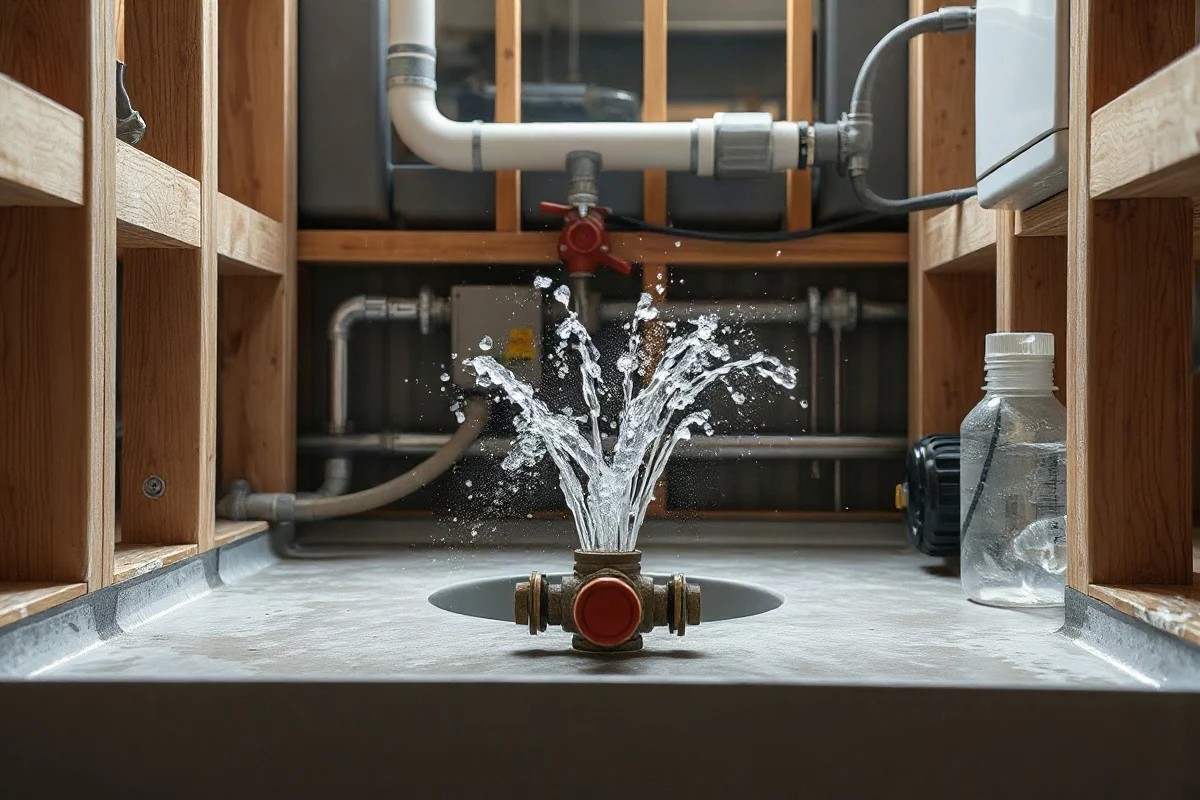
Pipes burst inside a house when the pipe wall, a connection, or a fitting can no longer withstand pressure or physical stress. The most common causes are freezing water, corrosion, excessive water pressure, aging materials, loose or damaged joints, and accidental damage during remodeling. A burst pipe can release a large amount of water quickly, so shutting off the water and limiting damage should come before investigating the exact cause.
What a Burst Pipe Usually Looks Like
A fully ruptured pipe may produce a fast stream or spray of water, but not every failure is dramatic. A small split behind a wall, under a floor, or inside a cabinet may appear first as a damp spot, staining, peeling paint, warped flooring, musty odors, or an unexplained increase in water use.
Other warning signs include weak water pressure, water that appears around a pipe joint, banging or rattling pipes, and sounds of running water when every fixture is turned off. If water is near a ceiling, electrical outlet, appliance, or light fixture, treat the situation as potentially hazardous and avoid the affected area until it is safe.
Common Causes of Burst Pipes
Freezing temperatures
Freezing is one of the best-known causes of burst pipes. When water freezes, it expands. The expanding ice can create intense pressure inside a closed section of plumbing. The pipe may split at its weakest point, often near a fitting, valve, bend, or area that has already been weakened by corrosion.
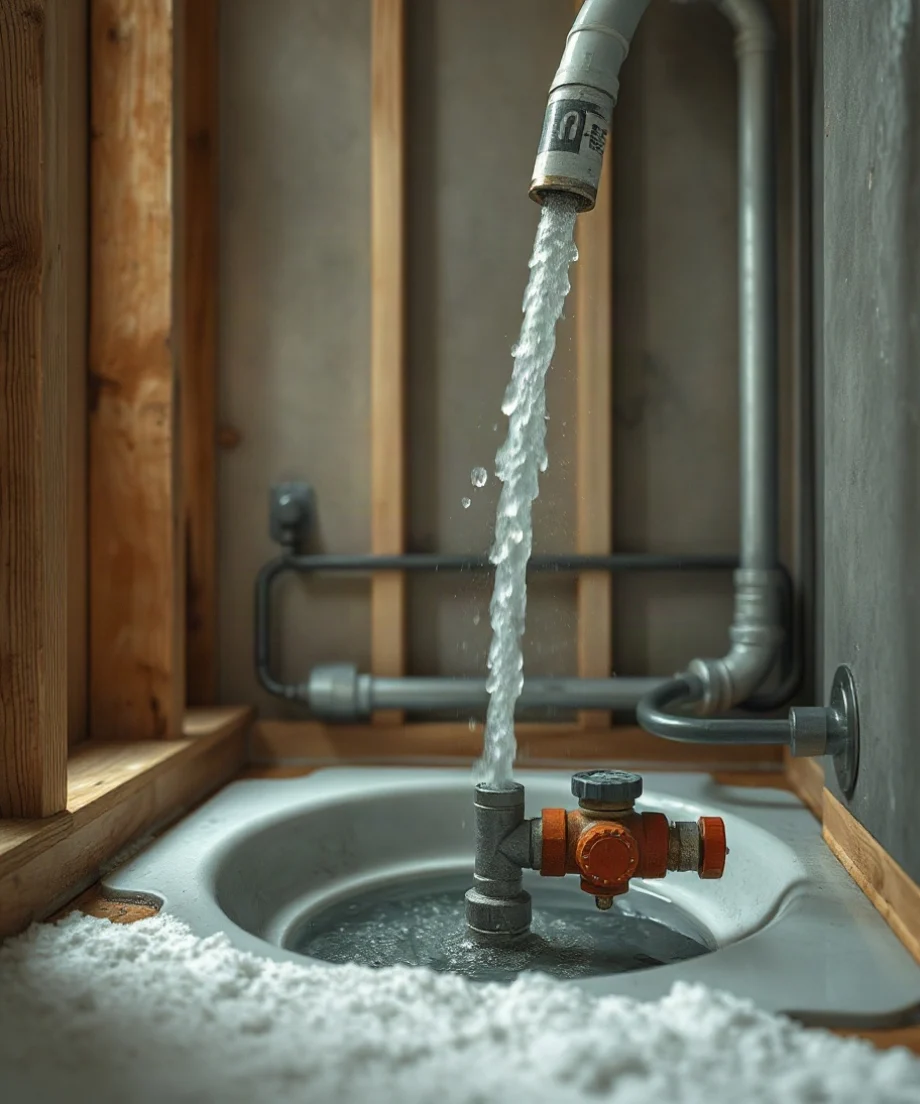
The pipe may not leak until the ice begins to thaw. This can make a frozen pipe seem harmless at first, even though a crack has already formed. Pipes in exterior walls, crawl spaces, attics, garages, basements, and other poorly protected areas are especially vulnerable during cold weather.
Homeowners can safely look for exposed pipes in cold areas and check whether a faucet has stopped flowing during freezing weather. Do not use an open flame, torch, or unsafe heat source to thaw a pipe. If you suspect a frozen or split pipe, shut off the water and contact a qualified local plumber.
Corrosion and aging materials
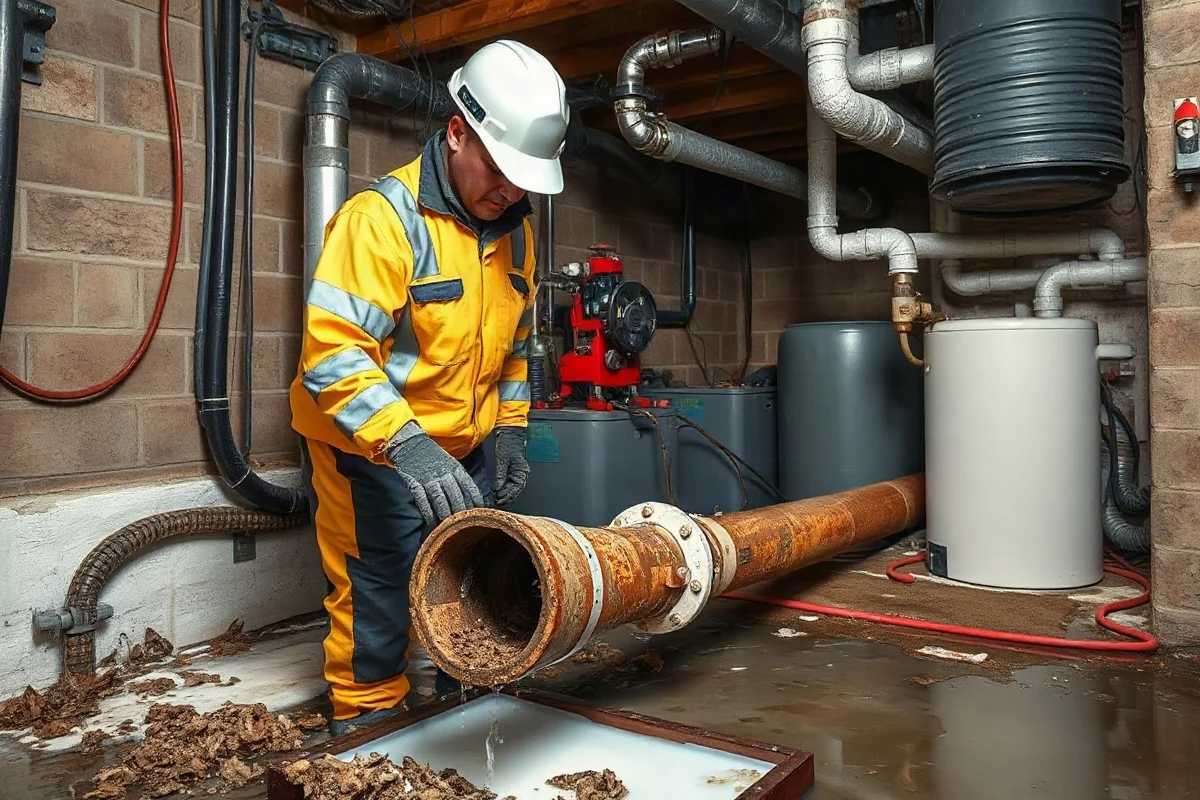
Plumbing materials can deteriorate over time. Corrosion may thin the pipe wall, weaken threaded connections, or create pinhole leaks that gradually become larger failures. Older metal piping may also contain scale or mineral buildup that restricts the passage of water and contributes to pressure changes.
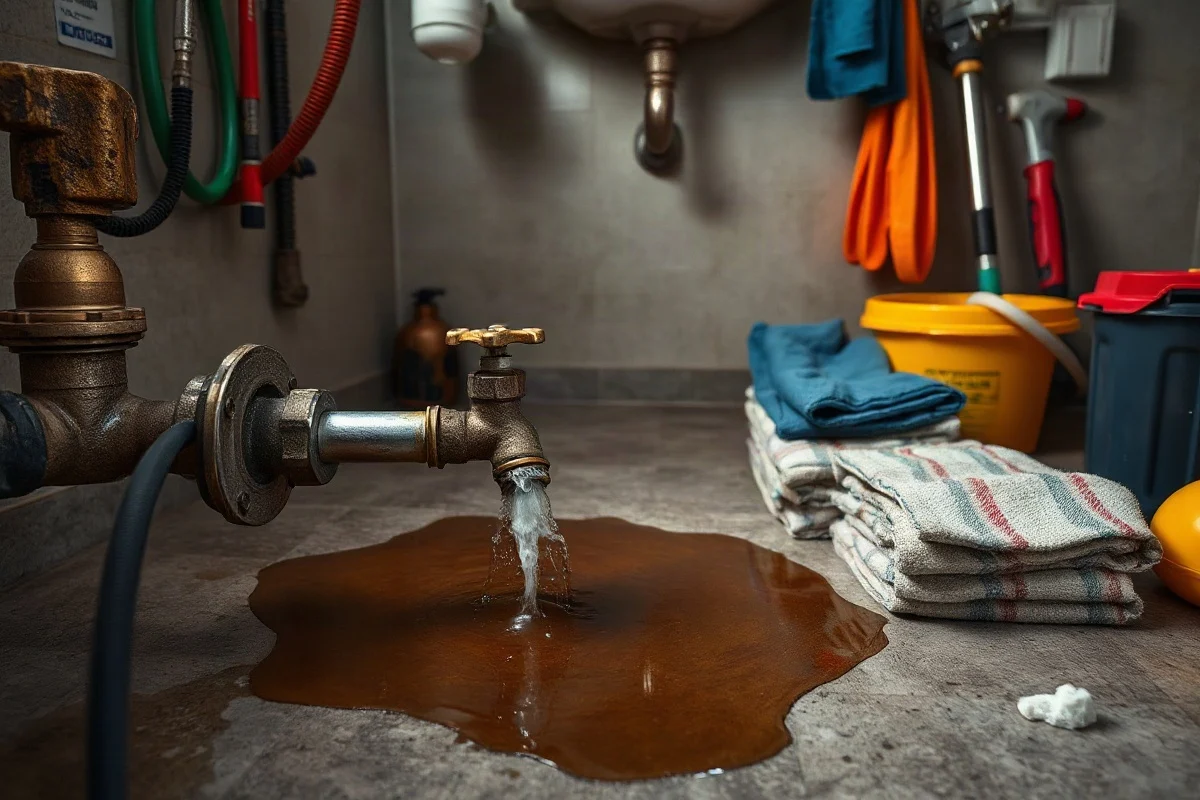
Corrosion is not always visible from outside the pipe. A homeowner may notice rusty or discolored water, recurring leaks at several locations, dampness under cabinets, or repeated repairs on the same section of plumbing. These signs can indicate a broader piping problem rather than one isolated leak.
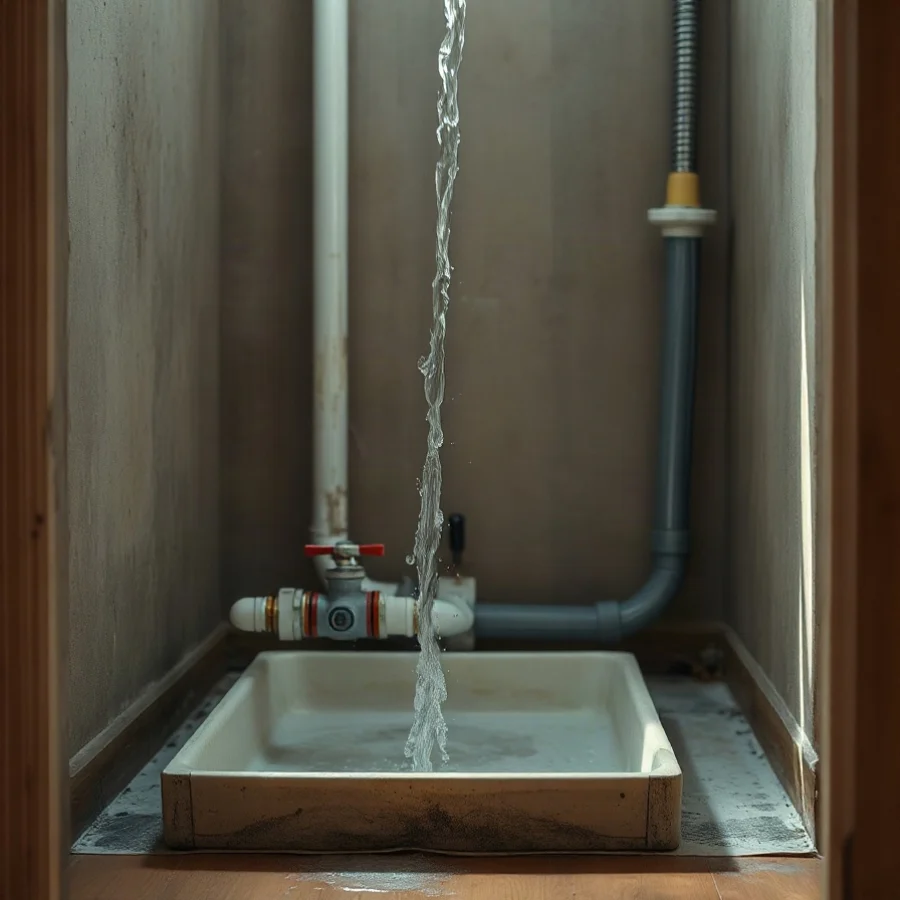
A licensed or otherwise qualified professional can evaluate the condition of accessible piping and determine whether a targeted repair is reasonable or whether replacement of a larger section makes more sense.
Excessive water pressure
Water pressure that is consistently too high can place stress on pipes, valves, appliance connections, and fixtures. It may also contribute to dripping faucets, noisy plumbing, toilet fill problems, and failures at weak joints. Pressure-related damage can develop slowly, making it difficult to identify without testing equipment.
Safe homeowner checks include listening for repeated banging after a faucet or toilet shuts off and looking for leaks at visible connections. Do not adjust a pressure-regulating device unless you understand the system and can verify the result. If pressure seems abnormal or several fixtures are affected, ask a qualified plumber to test it and inspect the related components.
Loose, damaged, or poorly supported joints
Pipe connections are common failure points. A joint may leak or separate because of movement, corrosion, an aged seal, improper support, or damage from previous work. Pipes that rub against framing, vibrate when water flows, or hang without adequate support can experience repeated stress.
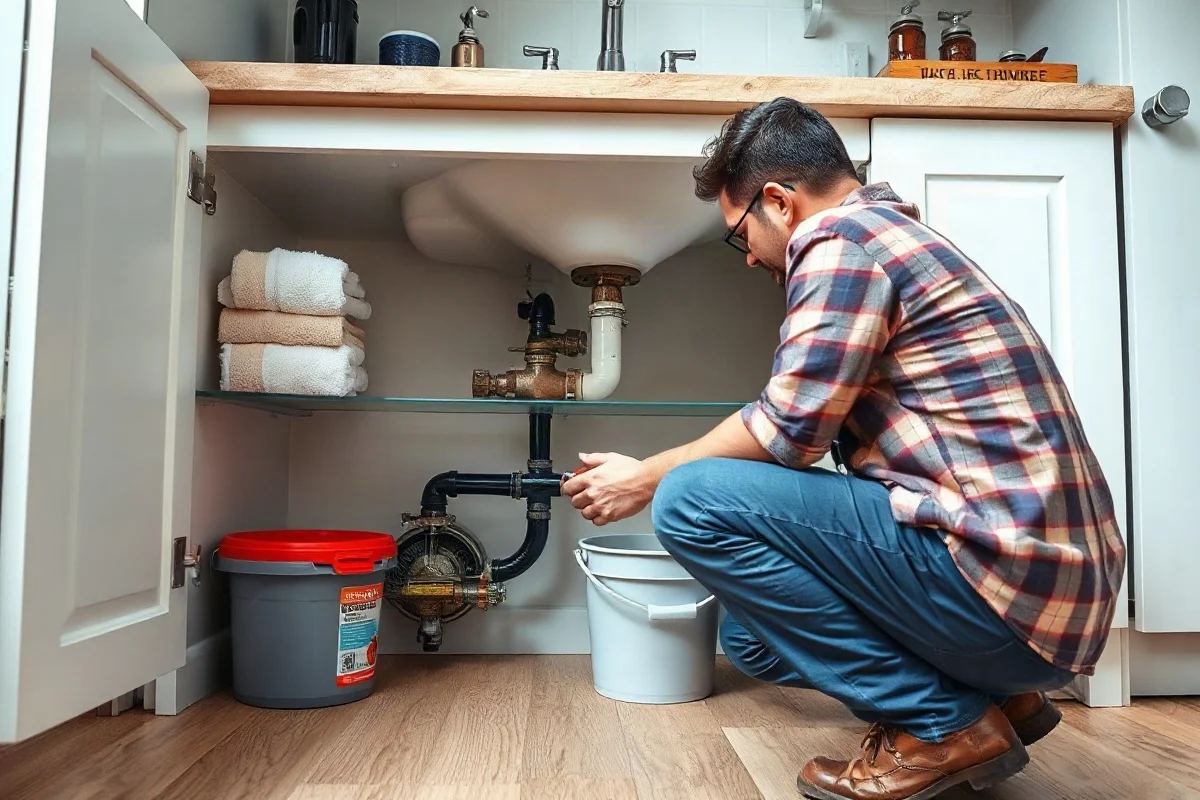
Connections beneath sinks and behind toilets are often easy to observe, but pipes inside walls and ceilings are not. You may gently inspect visible areas for moisture, mineral deposits, or a connection that appears displaced. Do not force a stuck fitting or tighten a connection aggressively; doing so can worsen the damage.
Mechanical or accidental damage
Renovation, drilling, nailing, moving appliances, and work inside walls can damage a water line. A pipe may also be struck, crushed, or shifted by construction activity or structural movement. Even a small puncture can release water behind a finished wall.
Before drilling or fastening anything into a wall, homeowners should consider where water lines may run. If a pipe was recently damaged during a project, stop the work, shut off the water, and arrange for professional repair. Hidden damage can continue leaking after a temporary surface patch appears to work.
Water hammer and repeated pressure shocks
Water hammer occurs when flowing water stops or changes direction suddenly, creating a shock through the plumbing system. Occasional noise does not automatically mean a pipe will burst, but persistent banging can loosen supports and stress fittings over time.
Fast-closing valves, improperly supported pipes, trapped air, or changes to the plumbing system can contribute to the problem. Because the source is not always obvious, repeated water hammer should be evaluated rather than ignored.
Clogs, backups, and restricted flow
A drain clog does not normally burst a household supply pipe by itself, because supply lines and drains operate differently. However, severe blockages can contribute to backups, overflow, and pressure on drain components. Frozen or obstructed sections can also create unusual conditions in some plumbing systems.
Never use repeated chemical drain treatments as a substitute for finding the cause of a recurring blockage. For persistent drainage problems, a professional inspection may be safer and more effective. You can learn more about related drainage service options through drain cleaning.
What to Do Immediately After a Pipe Bursts
First, turn off the main water supply if you can reach it safely. If the leak is limited to a fixture or appliance and there is a nearby shutoff valve, you may be able to close that valve instead. Open a cold-water faucet briefly, if safe, to relieve some remaining pressure and help drain the line.
Move belongings away from the water when possible, place containers under small accessible leaks, and use towels to limit spreading water. Keep people away from wet electrical equipment, outlets, light fixtures, and ceiling areas that are bulging or sagging. If water is near electricity, do not enter the area to reach a switch or panel; contact qualified help.
Do not cut into walls, remove ceilings, use torches, or attempt a permanent repair while water is still flowing. Sewage exposure, major flooding, structural damage, and gas or electrical hazards require qualified local professionals. For urgent water loss, emergency plumbing help may be appropriate.
Safe Homeowner Checks Versus Professional Work
Low-risk checks you can perform
- Locate the main water shutoff before an emergency occurs.
- Inspect visible pipes under sinks, near water heaters, and in utility areas for moisture or corrosion.
- Check exposed plumbing in cold areas for insulation gaps or signs of freezing.
- Note when the leak occurs, which fixtures are affected, and whether water pressure or temperature changed.
- Photograph visible damage for your records and contact your insurer if appropriate.
Work that should be left to a professional
- Opening walls, ceilings, floors, or slabs to find a concealed leak.
- Replacing damaged sections inside walls or other inaccessible spaces.
- Testing abnormal water pressure or diagnosing repeated pipe failures.
- Working near electrical wiring, gas equipment, sewage, or contaminated water.
- Changing major portions of a plumbing system or performing work that may involve local code requirements.
Repair or Replace: Which Option Makes Sense?
A repair may be reasonable when the failure is localized, the surrounding pipe is in good condition, and the cause can be corrected. For example, a professional may replace one damaged section or fitting after confirming that nearby materials are sound.
Replacement may be more practical when pipes are extensively corroded, repeatedly leaking, difficult to access, or made from materials that have widespread deterioration. Replacing only the visible break may provide a short-term fix if the rest of the system is near the same condition.
The decision should consider the pipe material, age and condition of connected sections, accessibility, water damage, recurring symptoms, and the likelihood of additional failures. Ask the plumber to explain what failed, what caused it, what will be replaced, and how the repair will be tested.
What Affects Burst Pipe Repair Cost?
The final cost depends on the details of the job rather than a single standard price. Important factors can include the location of the break, how much water damage occurred, whether walls or flooring must be opened, the pipe material, the size of the repair, access conditions, cleanup, and the need to replace related valves or fittings.
Emergency timing and difficult access may also affect a company’s estimate, but pricing policies vary by provider and location. Request a written explanation of labor, materials, diagnostic work, restoration responsibilities, and any limits on the repair. For broader planning information, see this guide to burst pipe repair cost.
How to Choose the Right Plumber
Look for a qualified local plumber with experience locating and repairing burst or concealed pipes. Before work begins, ask how the leak will be diagnosed, whether the water must be shut off for an extended period, which areas may need to be opened, and how the completed repair will be tested.
Confirm the company’s business information, insurance details, and any licensing or qualification requirements that apply in your area rather than relying on unverified claims. Get a clear estimate and ask who is responsible for water extraction, drywall, flooring, or other restoration if those services are not included.
Most importantly, do not delay when water is actively escaping. A fast shutoff followed by a qualified inspection can reduce damage and help determine whether the house needs a focused repair or a larger piping plan. For general pipe service information, visit pipe repair.
Comments
0No comments yet. Be the first to share a helpful note or question.
Leave a Comment
Your email address will not be published. Comments are reviewed before appearing on the site.