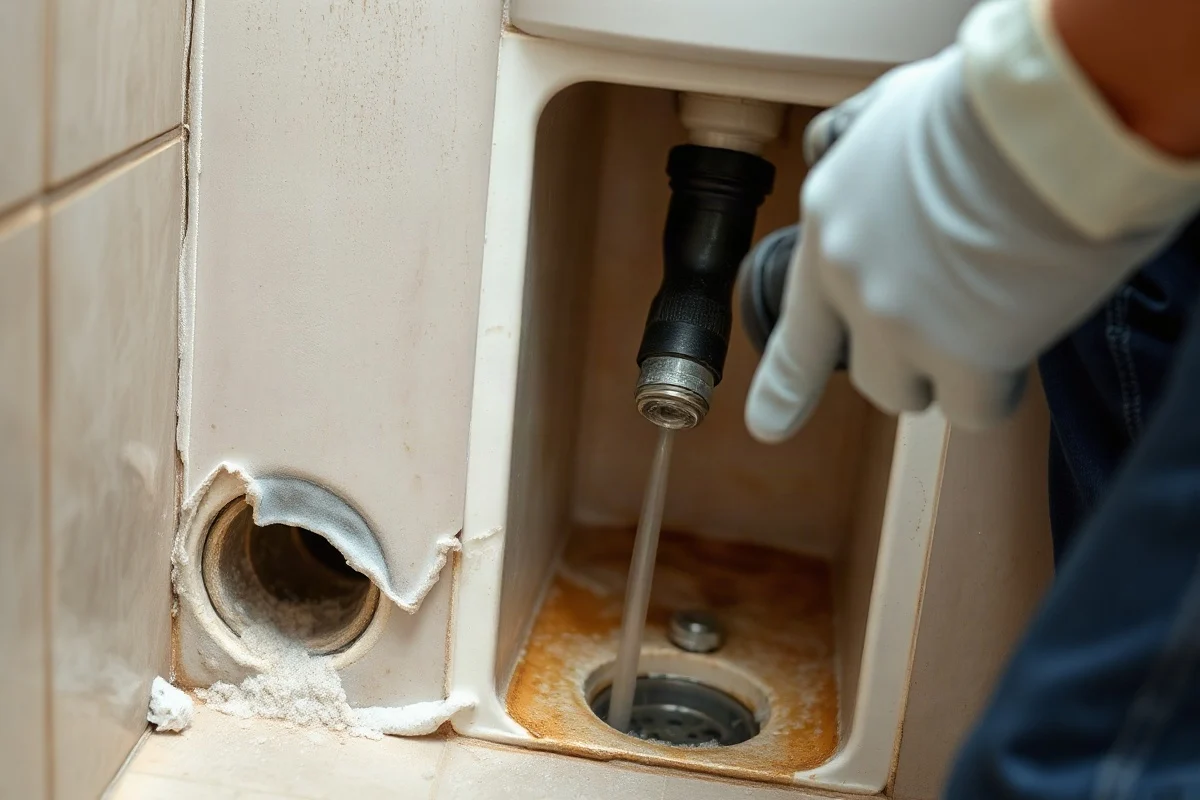
Yes, hydro jetting can remove soap scum from plumbing drain lines, especially when the buildup has mixed with hair, body oils, minerals, and other debris. A professional uses a specialized nozzle to send high-pressure water through the pipe, breaking up deposits and flushing them toward the main drain. However, hydro jetting is not automatically the best solution for every slow or clogged drain. The condition, size, and material of the pipe must be considered before high-pressure cleaning begins.
Soap scum usually starts as a slippery film rather than a solid blockage. Over time, that film can collect inside a shower, bathtub, bathroom sink, or laundry drain. Hair and lint can catch on the rough surface, gradually reducing the opening until water drains slowly or backs up. Hydro jetting can clean more of the pipe wall than a basic hand auger, but a plumber may recommend another method if the problem is limited to the drain opening or if the pipe appears damaged.
How Soap Scum Builds Up in a Drain
Soap scum forms when soap ingredients react with minerals in water and combine with oils, skin cells, hair, and dirt. In a shower or bathtub, this material is carried into the drain every day. Some of it sticks to the trap or the inside of the drainpipe. As the layer thickens, the pipe may still drain at first, but the reduced passage gives hair and other debris more places to collect.
Hard-water minerals can make the problem more persistent. Mineral deposits may create a rough, chalky surface inside the pipe, while soap residue adds a sticky coating. These deposits are different from a single obstruction such as a toy, large clump of hair, or tree root. A plumber needs to determine what is restricting the flow before choosing a cleaning method.
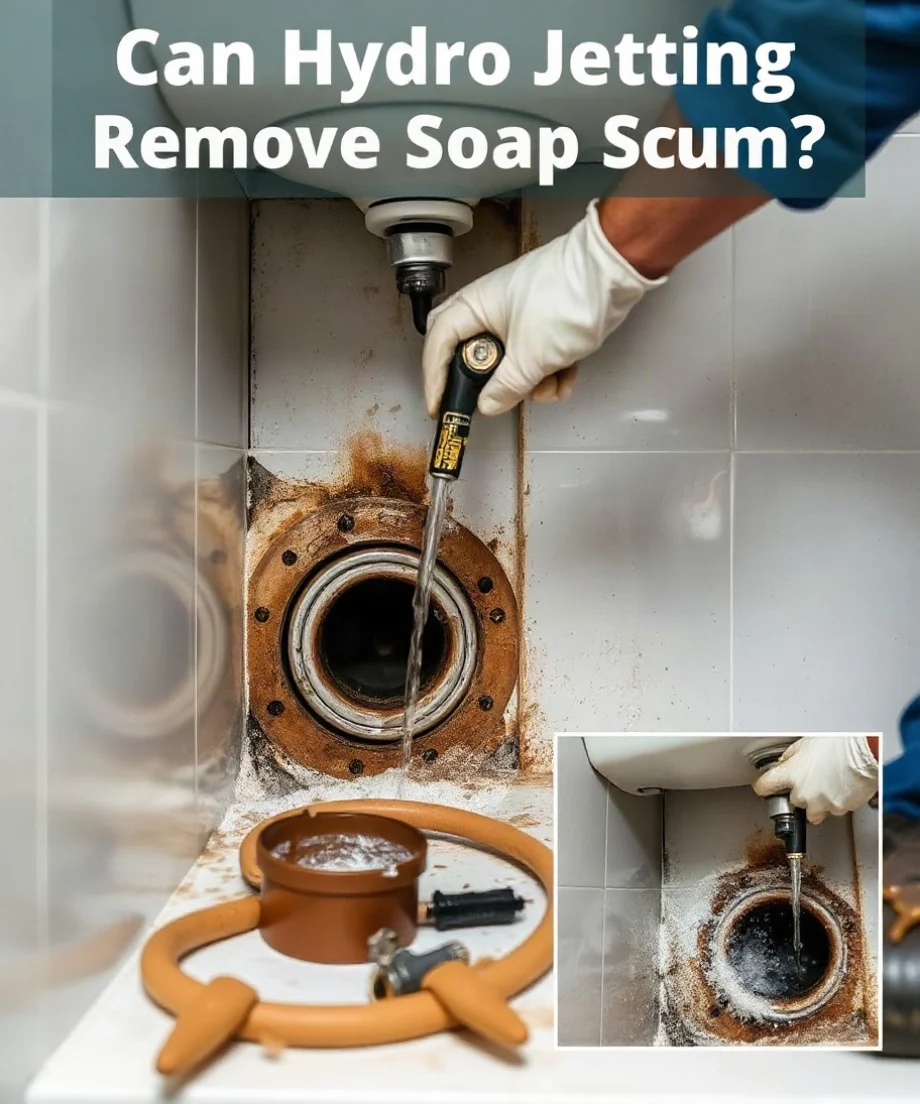
What Hydro Jetting Does
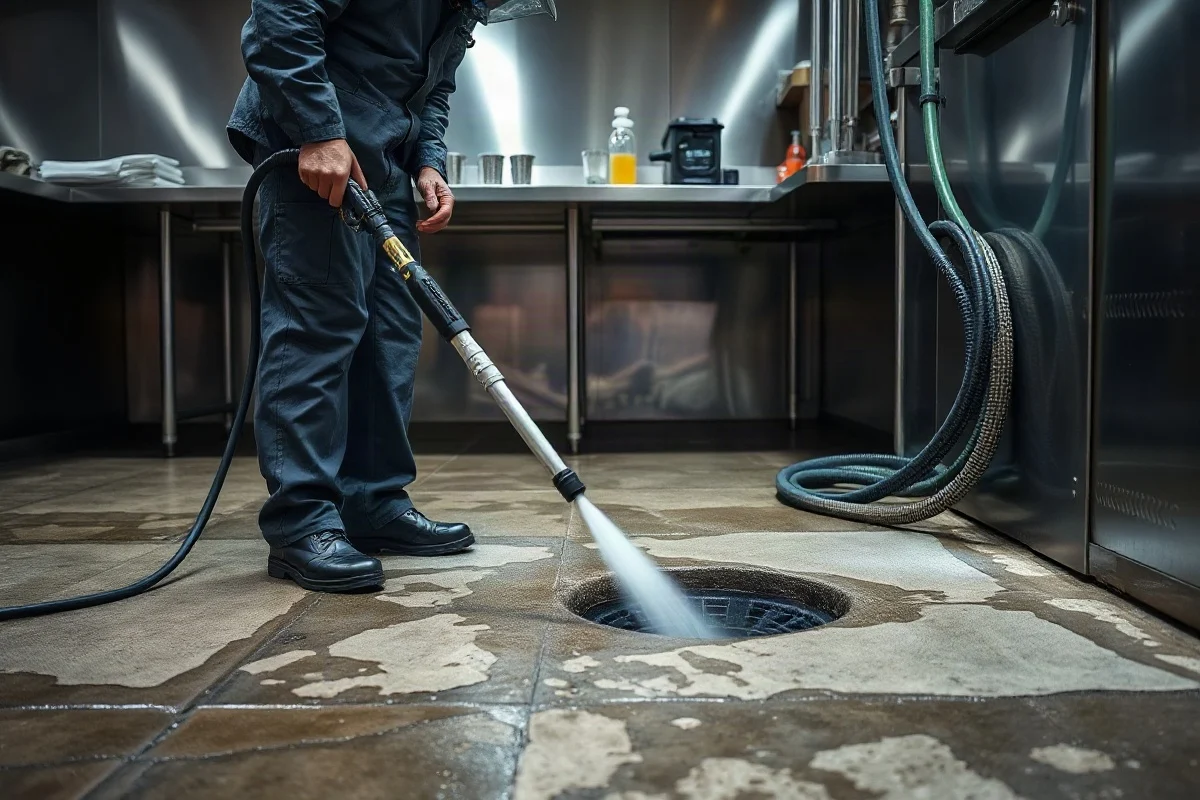
Hydro jetting uses a hose and specialized nozzle connected to equipment that delivers pressurized water through the drain line. The nozzle has openings that direct water forward and backward. The forward spray helps break through buildup, while the rear-facing spray washes debris from the pipe walls and helps move the hose through the line.
Unlike a cable auger, which generally creates a passage through a blockage, hydro jetting is designed to clean a larger area of the pipe interior. That makes it useful when soap scum, grease, sludge, or mineral buildup has coated a substantial section of drain line. In some cases, a plumber may use a drain camera before or after cleaning to identify the cause and check the result.
Hydro jetting does not repair a cracked, collapsed, badly corroded, or disconnected pipe. It also cannot correct poor drainage caused by an improperly sloped line or a structural problem. If the pipe is fragile, high-pressure water may be inappropriate. The cleaning method should be selected after evaluating the plumbing system rather than based only on the presence of a clog.
Signs Soap Scum May Be Affecting the Drain
Soap scum is more likely when the symptoms develop gradually and are concentrated around bathing fixtures. Common signs include:
- A shower or bathtub drains more slowly over several weeks or months.
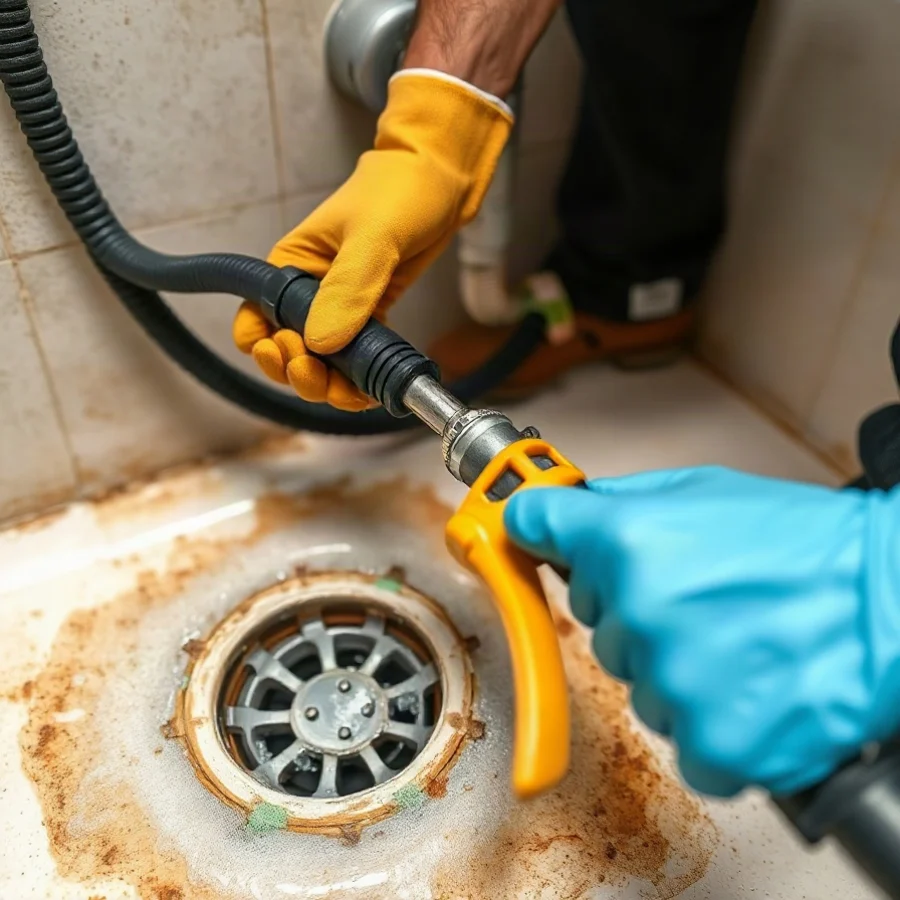
- The drain has a slippery, gray, white, or yellowish residue around the opening.
- Hair and lint collect quickly near the strainer.
- There is a musty odor when water runs or after the drain sits unused.
- The drain improves temporarily after surface cleaning but slows again soon afterward.
- Several nearby bathroom fixtures drain slowly, suggesting buildup farther down the branch line.
These symptoms do not prove that soap scum is the only cause. A blocked trap, venting issue, mineral scale, root intrusion, or damaged pipe can produce similar drainage problems. If more than one fixture is affected, the restriction may be beyond the individual drain opening.
Safe Checks Homeowners Can Try
Homeowners can perform a few low-risk checks before scheduling service. First, remove the drain cover or strainer if it can be taken off without forcing it. Wear gloves, pull out visible hair and residue, and clean the cover separately. Do not push debris farther into the pipe.
Next, run a moderate amount of warm water and observe how quickly it drains. Avoid pouring boiling water into a fixture unless the fixture and connected piping are known to tolerate it. Very hot water can damage some components or create a burn hazard, and it may not dissolve an established blockage anyway.
A simple plunger may help with a localized obstruction. Use the correct type for the fixture, maintain enough water to cover the cup, and create a firm seal. Stop if water backs up into another fixture or if the drain connection begins leaking.
Do not mix chemical drain cleaners. Combining products can create dangerous fumes or chemical reactions. Chemical cleaners can also remain in the drain and expose anyone who later disassembles the trap or uses professional equipment. If a chemical product has already been used, tell the plumber before service begins.
These checks are appropriate for visible, accessible buildup. They are not a substitute for professional evaluation when water backs up repeatedly, multiple fixtures are affected, sewage odors are present, or a hidden leak is possible.
When Hydro Jetting May Be Appropriate
A qualified plumber may consider hydro jetting when a drain has recurring buildup that returns after ordinary cleaning. It can be especially useful for longer branch lines or larger drain sections where soap residue has combined with hair, sludge, and mineral deposits. It may also be considered when a cable clears the line but leaves material attached to the pipe walls.
A camera inspection can provide useful information before aggressive cleaning. It may show whether the pipe is open, heavily coated, cracked, offset, or affected by roots. The inspection is not required in every situation, but it can help reduce guesswork when the blockage is recurrent or the plumbing is older or difficult to access.
For a single shower drain with a small amount of visible hair, hydro jetting may be more work than necessary. A trap cleaning, hand auger, or other targeted method may solve the problem with less disruption. A reputable plumber should explain why hydro jetting is being recommended and what alternatives are available.
For general information about professional drain cleaning options, see this hydro jetting service guide and the site’s drain cleaning resources.
When Hydro Jetting Could Be Risky
High-pressure cleaning requires judgment. A plumber should account for pipe material, age, condition, access points, and the type of obstruction. If the line is cracked, severely corroded, or structurally unstable, pressure could worsen an existing failure. That does not mean hydro jetting is unsafe in every older home, but it does mean the condition of the piping should not be assumed.
Stop using the affected fixture and seek qualified local help if wastewater backs up, sewage is present, a large area is flooding, or water may be leaking inside a wall, ceiling, floor, or cabinet. Sewage exposure can create health hazards. Hidden leaks can damage building materials and may not be visible from the fixture itself. If electrical equipment or outlets may have been exposed to water, keep away from the area and use appropriate professional help rather than attempting a repair.
Repair or Replacement: How the Decision Is Made
If inspection shows that the pipe is intact and the main problem is removable buildup, cleaning may be enough. The plumber may also recommend a new strainer, trap cleaning, or a change in how the drain is maintained. If buildup returns quickly, the underlying cause should be investigated instead of repeating the same treatment indefinitely.
Replacement may be considered when the pipe is broken, collapsed, badly deteriorated, or repeatedly obstructed because of a structural defect. A camera inspection, access limitations, and the location of the damaged section can influence the available repair options. Do not assume that a recurring clog always means the entire drain line needs replacement; ask the plumber to identify the evidence supporting that recommendation.
Factors That Affect Hydro Jetting Cost
There is no single price that applies to every hydro jetting job. Cost can be influenced by the length and diameter of the line, the severity and type of buildup, access to the plumbing, equipment requirements, inspection needs, and whether additional cleaning or repairs are necessary. Emergency scheduling, difficult access, and work involving more than one drain may also affect a written estimate.
Before authorizing work, ask whether the estimate includes inspection, setup, cleanup, and any follow-up recommendations. Ask what happens if the plumber discovers a damaged pipe or a different cause of the blockage. For broader information, review this plumbing cost guide, while remembering that actual charges depend on the property and service scope.
How to Choose the Right Plumber
Look for a local plumbing professional who explains the diagnosis in clear language and distinguishes cleaning from pipe repair. Ask whether the company evaluates pipe condition before using high-pressure equipment and whether a camera inspection is appropriate for your situation. A responsible plumber should be willing to discuss lower-impact alternatives when the drain problem does not justify hydro jetting.
Get the proposed work in writing before it begins. The description should identify the affected line, the cleaning method, major limitations, and what is not included. Avoid choosing a provider based only on the lowest quoted amount or a promise that every clog can be removed permanently. For additional guidance, use this guide to hiring a plumber.
Preventing Future Soap Scum Buildup
Prevention begins with keeping hair and solid debris out of the drain. Use a properly fitting strainer and clean it regularly. Remove residue from the shower or tub surface instead of rinsing large amounts of it into the drain. Routine fixture cleaning can reduce the material available to enter the pipe, although it cannot correct damaged or poorly draining plumbing.
Pay attention to gradual changes. A drain that becomes slower over time is easier to evaluate before it turns into a backup. Avoid relying on repeated chemical treatments, and do not ignore gurgling, foul odors, or water appearing in another fixture. Early professional diagnosis may reveal a developing branch-line problem before it causes a larger disruption.
The Bottom Line
Hydro jetting can remove soap scum when the residue has coated the inside of a drain line and combined with other debris. It is most useful when ordinary cleaning does not provide lasting results, but it should be matched to the condition of the pipe. Homeowners can safely remove visible debris and try a suitable plunger, while recurring blockages, multiple slow drains, sewage, flooding, hidden leaks, and damaged piping require qualified local assistance. The best solution is based on an inspection and a clear explanation of whether cleaning, targeted repair, or replacement is actually needed.
Comments
0No comments yet. Be the first to share a helpful note or question.
Leave a Comment
Your email address will not be published. Comments are reviewed before appearing on the site.