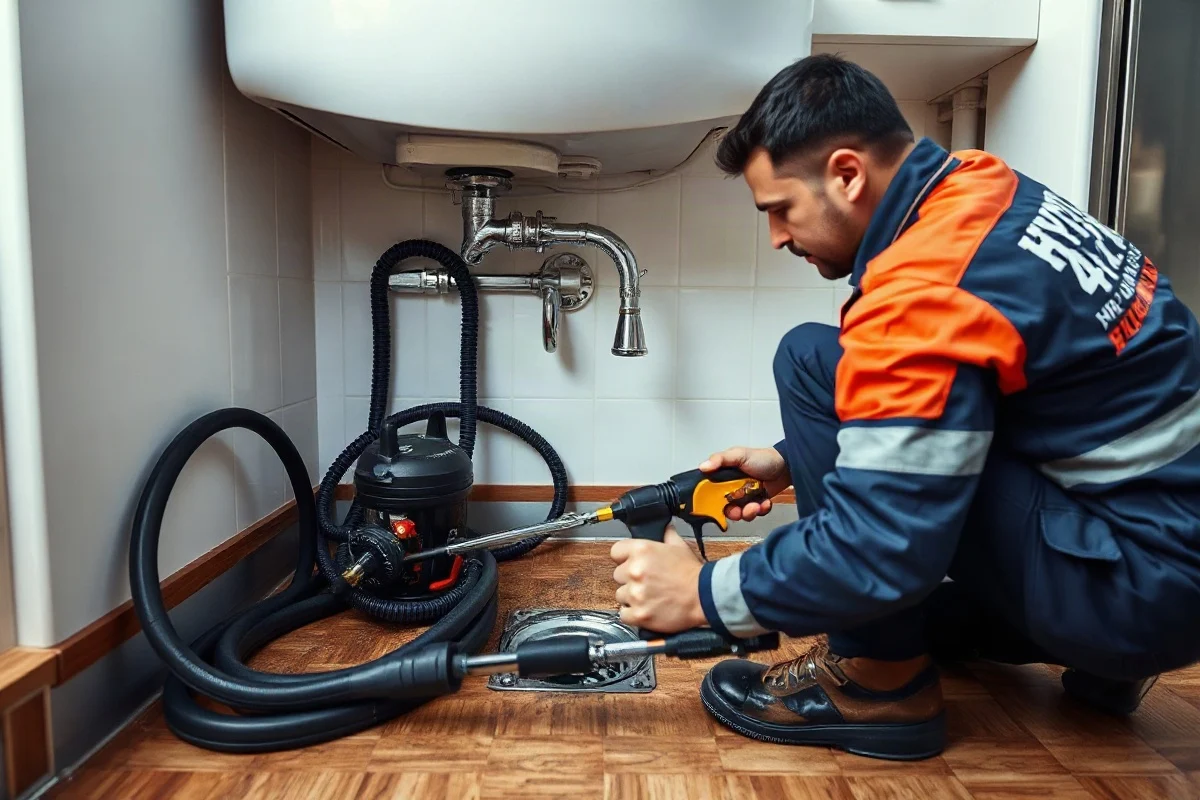
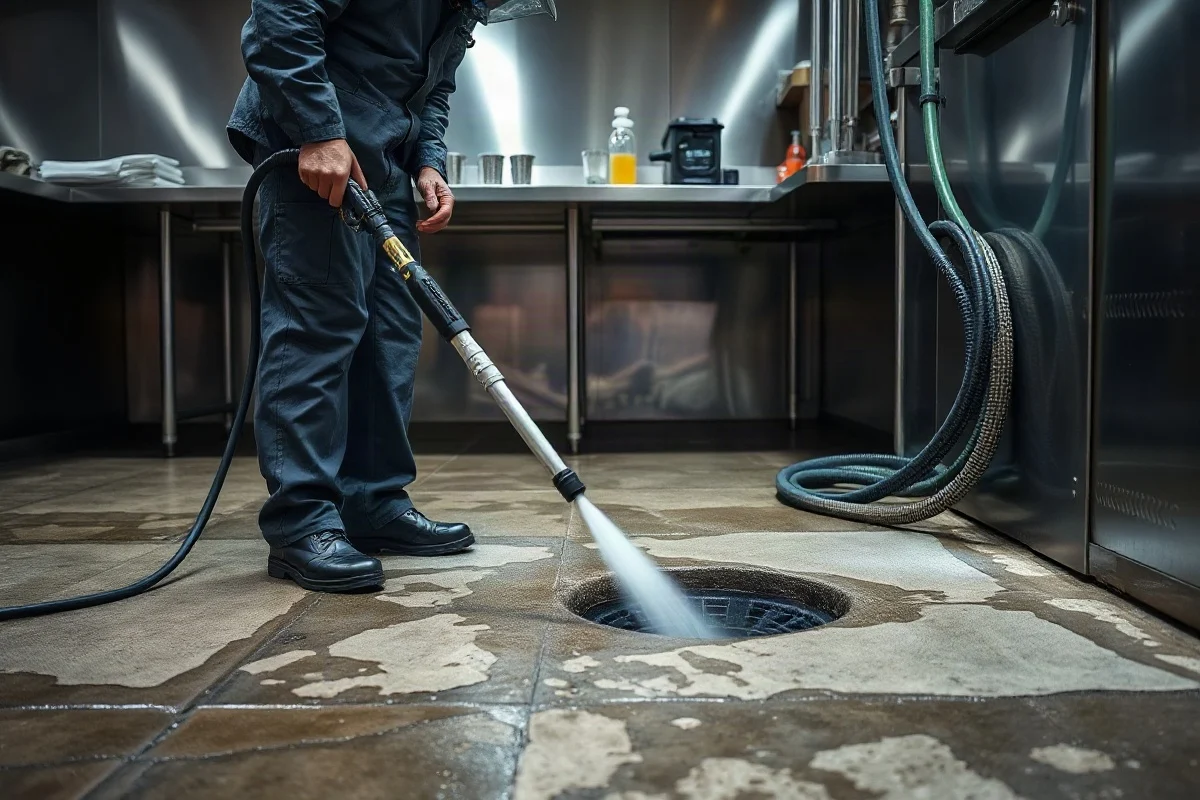
Hydro jetting is often an effective solution for a kitchen drain clogged with hardened grease, especially when plunging, snaking, or repeated chemical treatments provide only temporary relief. A professional uses a specialized hose and controlled high-pressure water to scour buildup from the inside of the drainpipe and flush loosened material away. Because excessive pressure can damage weak, cracked, or poorly connected pipes, hydro jetting should be evaluated and performed by a qualified local plumber rather than attempted as a do-it-yourself repair.
Why Grease Causes Persistent Kitchen Drain Clogs
Kitchen grease does not always remain liquid after it enters a drain. Fats, oils, and cooking residue can cool against the inside of a pipe, where they form a sticky film. Food particles, soap residue, starches, and other debris then adhere to that film. Over time, the opening becomes narrower and water drains more slowly.
A grease-related blockage may begin as a minor restriction near the sink trap or branch drain. As deposits spread farther into the line, the sink may drain slowly even after a basic snaking service. A cable can create a narrow path through the obstruction without removing the coating along the pipe walls. Water may flow normally for a short period before grease collects again.
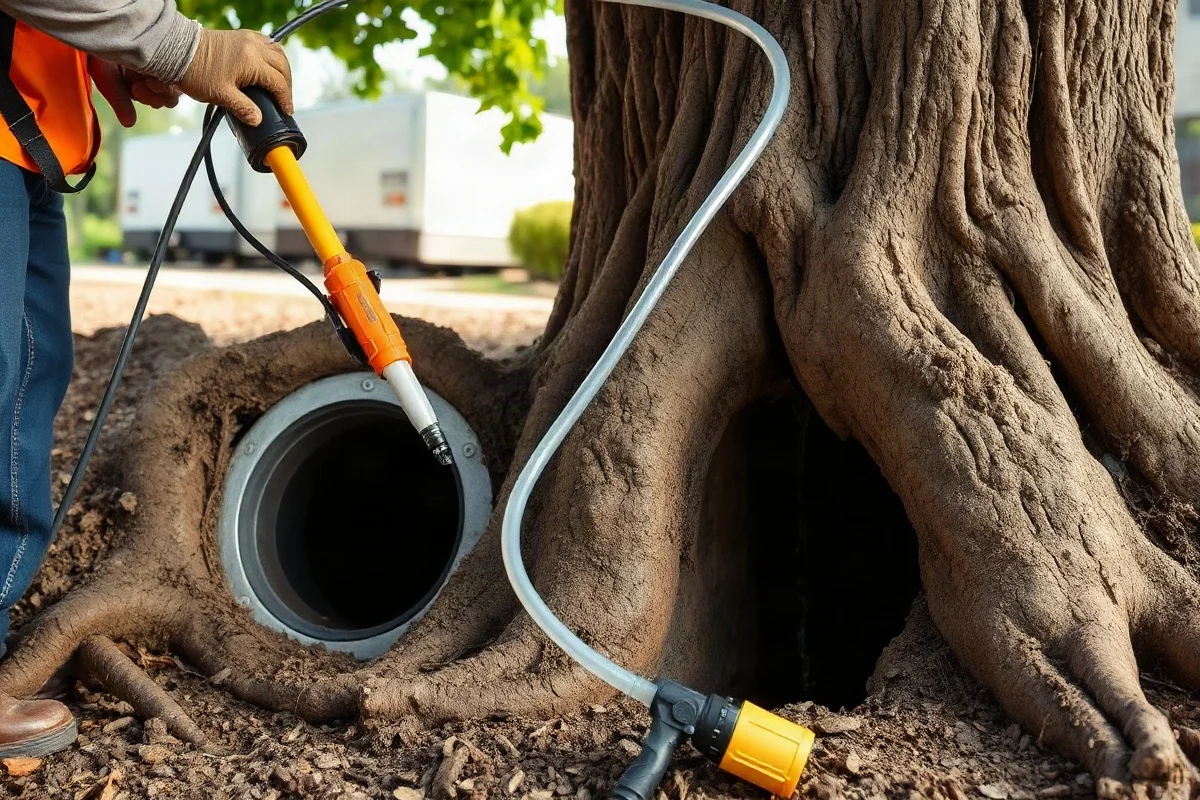
Some kitchen clogs have more than one cause. A damaged pipe, poor drainage slope, tree root intrusion, corrosion, or a problem farther downstream can produce symptoms that resemble a grease blockage. This is why the correct treatment depends on inspection rather than the symptom alone.
Signs Hydro Jetting May Be Appropriate
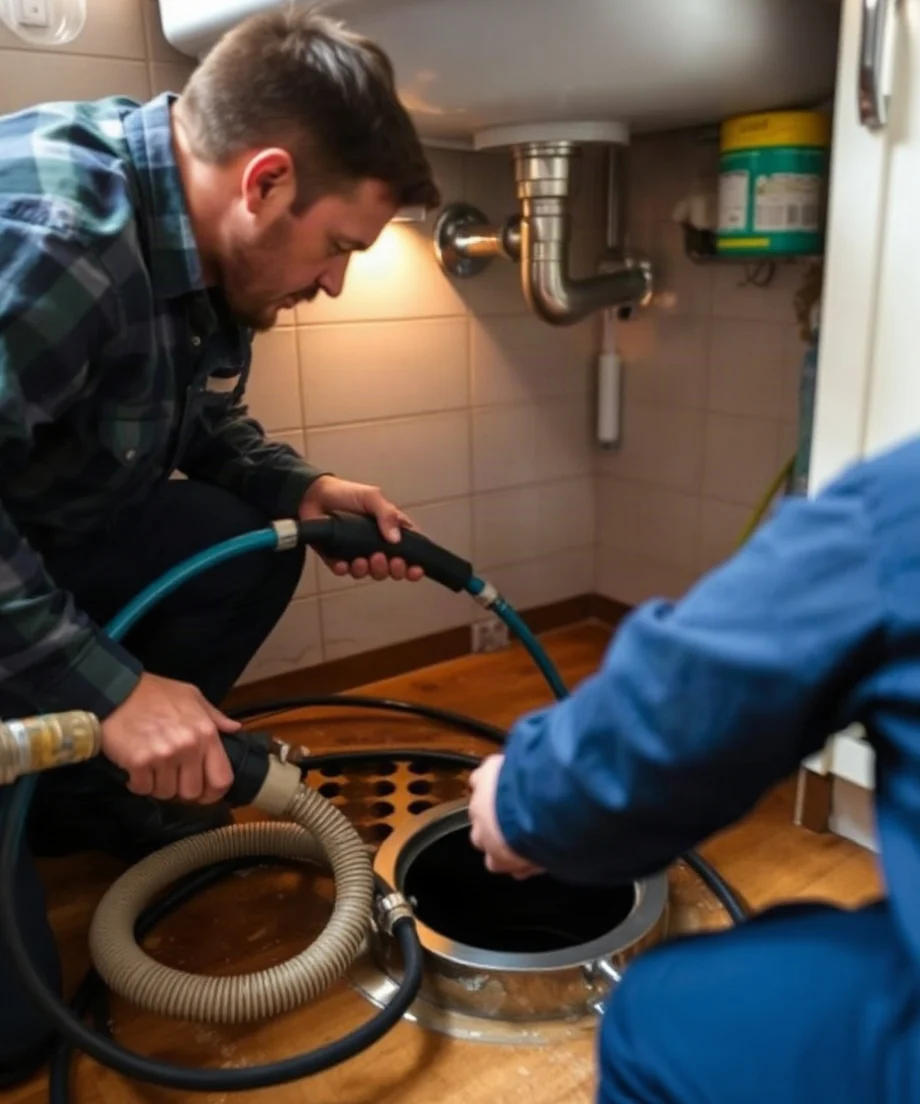
Hydro jetting may be considered when one or more of these conditions are present:
- The kitchen sink drains slowly even after a conventional drain-cleaning attempt.
- The clog returns repeatedly in the same fixture or branch line.
- Several nearby fixtures drain slowly at the same time.
- The drain produces gurgling sounds, foul odors, or bubbling during use.
- A plumber finds heavy grease or sludge buildup during an inspection.
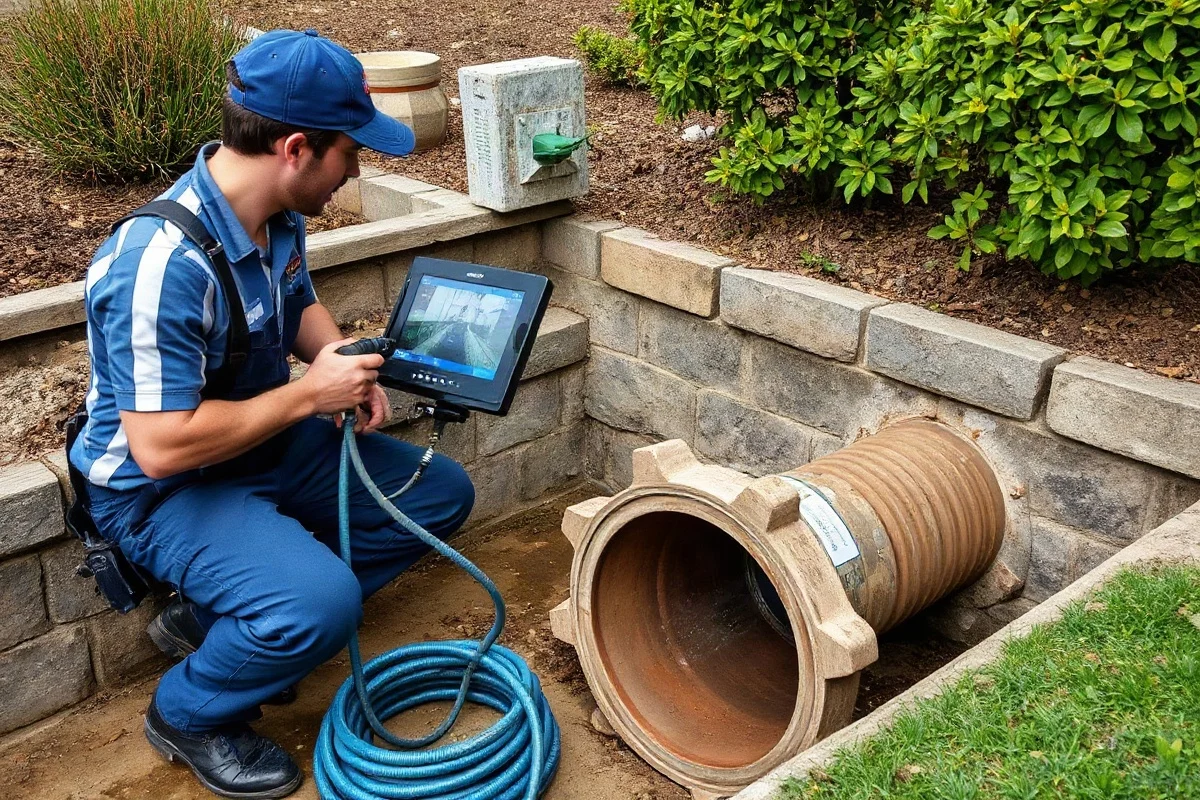
- A camera inspection shows substantial residue coating an otherwise serviceable pipe.
Recurring problems involving multiple fixtures may indicate a larger branch or main drain issue rather than an isolated sink clog. In that situation, a professional may recommend a drain camera inspection before selecting a cleaning method.
What Hydro Jetting Does
A hydro jetting system sends water through a specialized nozzle at pressure selected for the plumbing system and the type of obstruction. The nozzle typically directs water forward to break through the blockage and backward to help propel the hose while washing residue from the pipe walls.
Unlike a basic cable, which is mainly designed to break through or retrieve an obstruction, hydro jetting can clean a broader area of the pipe interior. For grease, this distinction matters. Removing only a small passage through the center of a thick deposit may not prevent the blockage from returning. Cleaning the affected section more thoroughly can improve drainage, although it cannot repair a structurally damaged pipe.
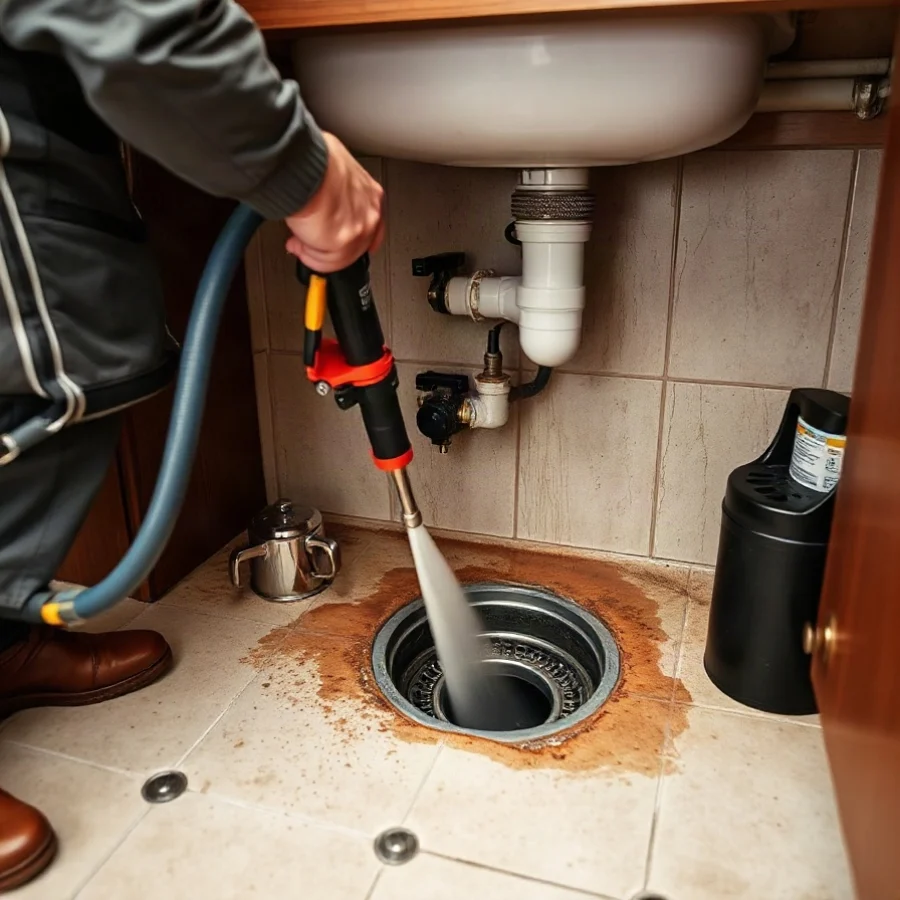
The plumber may first protect the work area, access the drain through an appropriate opening, and determine whether the line can safely withstand water pressure. After cleaning, the professional may run water through the system, check flow, and use a camera if the condition of the pipe remains uncertain.
Safe Homeowner Checks Before Calling a Plumber
Homeowners can perform a few low-risk checks without opening walls, disconnecting plumbing, or using specialized equipment:
- Stop adding water to the affected sink if the basin is close to overflowing.
- Remove visible food debris from the strainer without reaching into standing water that may contain harsh chemicals.
- Check whether the dishwasher or garbage disposal is also draining slowly.
- Look under the sink for obvious moisture, loose fittings, or a full cabinet floor.
- Ask whether other nearby fixtures are showing similar symptoms.
- Note when the problem occurs, such as after cooking, during dishwasher discharge, or after several minutes of running water.
If the sink is completely blocked, avoid repeatedly pouring boiling water into the drain. Very hot water may not remove a deep grease deposit, and it can create burn hazards if the water backs up. Do not mix commercial drain chemicals or combine a chemical product with a plunger, snake, or another cleaner. Chemical residue can injure a homeowner or plumber and may damage some plumbing components.
Using a sink plunger can be reasonable for a simple, recent blockage if no chemical drain cleaner has been added and the fixture is safe to work on. Stop if the water backs up into another fixture, if a connection leaks, or if plunging does not improve the condition. More guidance on low-risk troubleshooting is available in this clogged drain resource.
What Requires a Professional
Hydro jetting is not a routine homeowner cleaning task. A professional must select suitable equipment, control the pressure, manage wastewater, and determine whether the pipe is strong enough for the procedure. Old, brittle, heavily corroded, cracked, or disconnected pipes may need a different approach. Sending high-pressure water into a damaged line can worsen an existing failure or expose a leak that was hidden by grease.
Call a qualified local plumber rather than continuing do-it-yourself attempts when the blockage is recurring, affects more than one fixture, causes sewage-like backup, or is accompanied by leaks. If wastewater has overflowed onto floors or cabinets, limit contact, keep children and pets away, and seek professional help because contaminated water may present a health concern.
Professional evaluation is also important when the drain connects to older materials, when a previous repair has failed, or when the cause may be outside the home. If the issue involves a sewer line or wastewater backing up through multiple fixtures, the appropriate service may differ from kitchen branch-line hydro jetting.
Hydro Jetting Versus Snaking
Snaking and hydro jetting are different tools, and one is not automatically better for every clog. A drain cable may be suitable for a localized obstruction, a small amount of debris, or a line that needs to be opened quickly. It can also help a plumber determine whether the blockage is close to the fixture or farther into the system.
Hydro jetting is more commonly considered when grease, sludge, or recurring buildup coats the pipe walls. It may be useful after a cable has restored flow but the underlying residue remains. In some cases, a plumber may use a cable first, inspect the line, and then recommend hydro jetting. In other cases, camera findings may point to a structural repair instead of either cleaning method.
Neither method should be used to disguise a pipe that needs replacement. If inspection reveals a collapse, major break, severe corrosion, or a separated connection, cleaning alone is unlikely to provide a lasting solution. Ask the plumber to explain whether the recommended service is intended to restore flow, remove buildup, confirm pipe condition, or address a separate repair need.
When Repair or Replacement May Be Needed
A grease clog is usually a cleaning problem only when the pipe is intact and properly connected. Repair or replacement may be more appropriate when the line has recurring failures despite professional cleaning, visible leaks, crushed sections, severe corrosion, or a persistent drainage problem that is not explained by grease.
Signs of a broader plumbing issue include moisture inside the cabinet, staining around walls or floors, a musty odor, repeated backups in different fixtures, or drainage changes after nearby construction. Hidden leaks should be evaluated promptly because continued water exposure can damage cabinets, flooring, drywall, and structural materials. For related pipe concerns, consult a professional through the pipe repair service category.
Replacing a short accessible section may be less disruptive than opening walls or floors, but the correct option depends on the pipe location, material, condition, and local professional assessment. Do not approve a major replacement solely because a drain is slow; ask for an explanation of the inspection findings and the alternatives.
Factors That Affect Hydro Jetting Cost
There is no reliable single price for hydro jetting because the work varies significantly from one property to another. A plumber may consider:
- Whether the service involves a sink branch, a larger building drain, or a main line.
- How accessible the drain is and whether an appropriate cleanout is available.
- The amount and hardness of grease buildup.
- Whether a camera inspection or additional diagnostic work is needed.
- The age and condition of the pipes.
- Whether wastewater cleanup, repair, or restoration is required.
- The timing and urgency of the visit.
- Local labor, equipment, disposal, and service-call practices.
Before work begins, request a written description of the proposed service, what the quoted amount includes, and what could lead to additional charges. A trustworthy plumber should explain whether the recommendation is based on a visual assessment, a camera inspection, prior service history, or the symptoms you reported. For broader budgeting information, see the plumbing costs guide, while recognizing that actual quotes depend on the property and the work required.
How to Choose the Right Plumber
Look for a local plumbing professional who regularly handles drain cleaning and can explain the difference between hydro jetting, cabling, inspection, and pipe repair. Ask these practical questions before authorizing the work:
- What evidence suggests the blockage is grease rather than a damaged or collapsed pipe?
- Will you inspect the line before choosing the cleaning method?
- Is a camera inspection recommended before or after cleaning?
- How will you protect the sink, cabinets, floors, and surrounding area?
- What happens if the pipe is found to be damaged?
- What is included in the estimate, and what conditions could change it?
- Will you explain the results and any maintenance recommendations afterward?
Be cautious of anyone who promises that hydro jetting will permanently solve every recurring clog without examining the plumbing. Also be wary of pressure to approve unrelated replacements without clear evidence. A sound diagnosis should connect the recommended service to the observed symptoms and the condition of the drain line.
Preventing Future Grease Clogs
The best prevention is to keep cooking grease and oil out of the drain. Let used grease cool, place it in a suitable container, and dispose of it according to local waste guidance. Wipe greasy pans and plates with a paper towel before washing them. Use a sink strainer to catch food particles, but do not treat the strainer as a substitute for proper grease disposal.
Do not rely on chemical drain cleaners as routine maintenance. They may not remove a thick coating and can create hazards for anyone who later works on the line. If a kitchen drain repeatedly slows down despite careful habits, schedule an evaluation instead of waiting for a complete backup.
Hydro jetting can be a practical way to remove heavy grease buildup from a sound kitchen drain, but the process works best when it is chosen after diagnosis. Safe homeowner checks can document the symptoms and reduce immediate risk; pipe access, pressure selection, inspections, and repairs belong to a qualified professional.
Comments
0No comments yet. Be the first to share a helpful note or question.
Leave a Comment
Your email address will not be published. Comments are reviewed before appearing on the site.