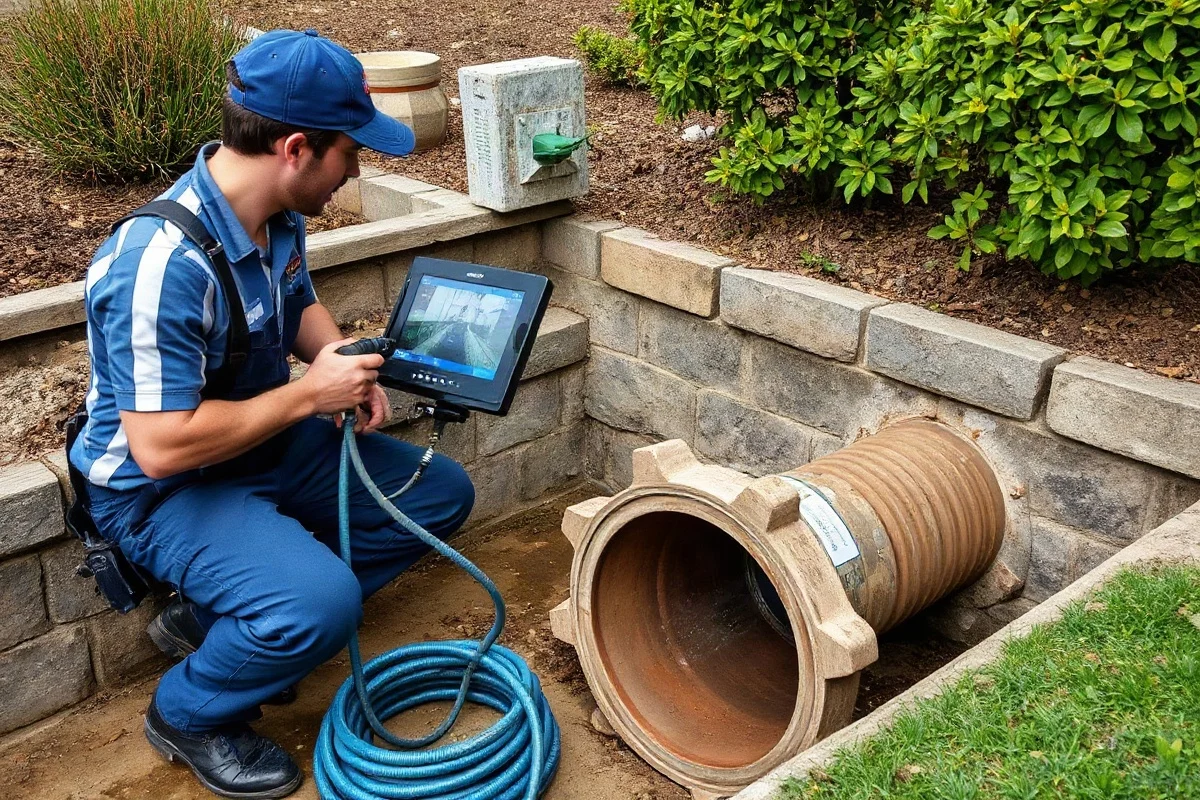
Hydro jetting can be safe for clay sewer pipes when the line is structurally sound and the work is planned after a professional inspection. It is not automatically safe for every clay pipe. High-pressure water can clear roots, grease, mineral buildup, and other debris, but it may worsen cracks, separated joints, collapsed sections, or severely deteriorated pipe walls. A sewer camera inspection and an assessment by a qualified local plumber should come before jetting an older or uncertain clay line.
Why clay sewer pipes require extra care
Clay sewer pipe has been used for residential and municipal sewer systems for generations. Properly installed clay can remain serviceable for many years, but age alone does not reveal its current condition. Individual sections may be strong while nearby joints have shifted, roots have entered, or the pipe wall has weakened.
Clay is also installed in separate sections connected by joints. These joints can become misaligned as soil moves, tree roots grow, or the ground settles. A jetting nozzle may pass through a healthy line, but pressure directed at a damaged joint or fragile section could expose a problem that was already present.
The important question is not simply whether the pipe is clay. The real questions are whether the pipe is open enough for the equipment, whether the joints and walls are intact, and whether hydro jetting is the appropriate cleaning method for the type of blockage.
When hydro jetting may be appropriate
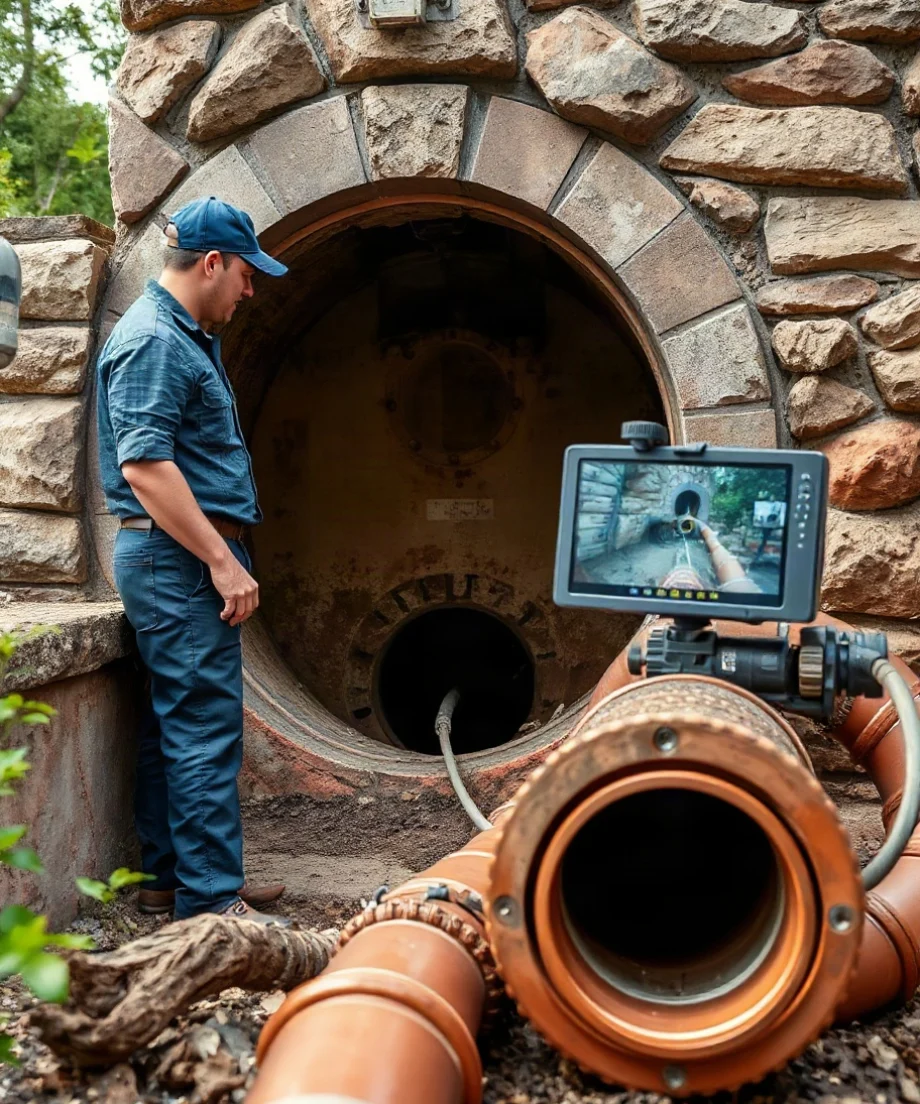
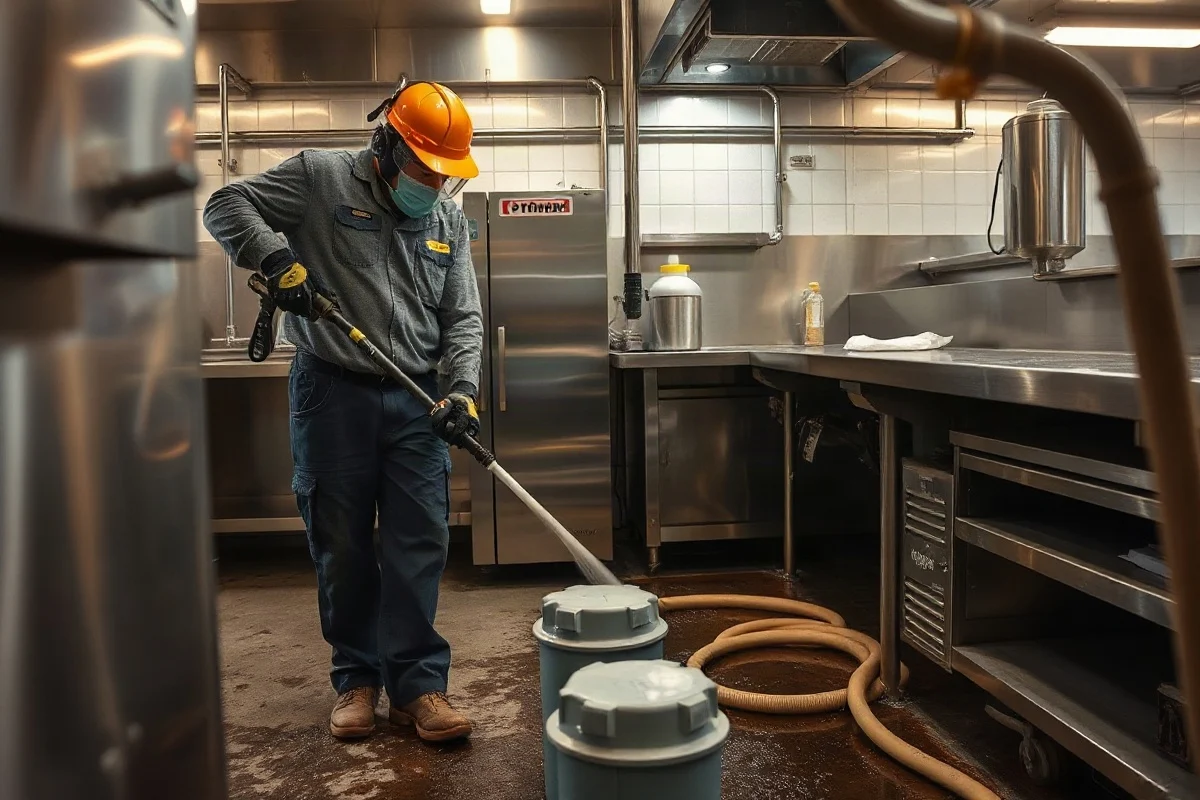
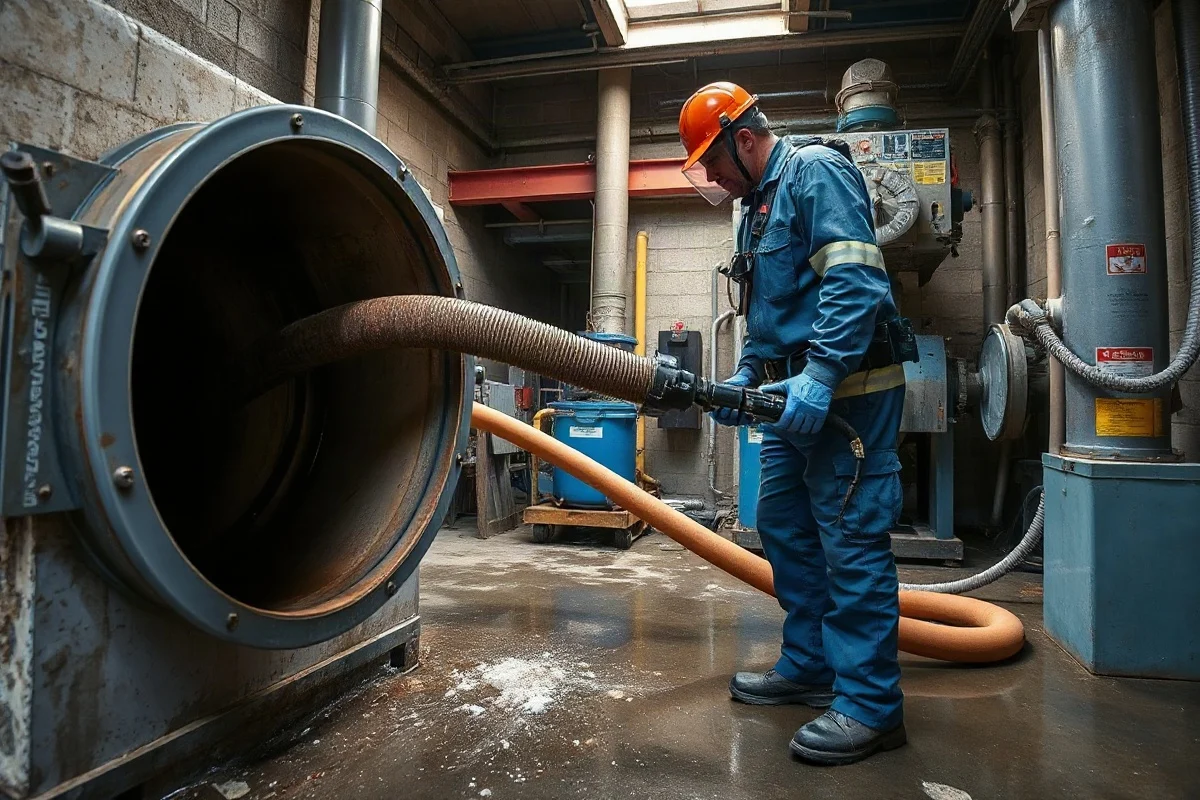
Hydro jetting uses a specialized hose and nozzle to send pressurized water through a drain or sewer line. The nozzle’s rear-facing jets help move the hose forward while flushing loosened material back toward an access point. A plumber may consider it for recurring or heavy obstructions that a conventional cable cannot fully remove.
For a clay sewer line in good structural condition, jetting may help remove:
- Grease and organic sludge
- Accumulated soil or sediment
- Soft debris and paper buildup
- Some root growth inside the pipe
- Mineral deposits that reduce the usable opening
Jetting can clean more of the pipe wall than a basic drain cable, which may only create a narrow passage through a blockage. However, cleaning does not repair a broken pipe, restore a missing joint, or permanently prevent roots from returning. If roots are entering through a crack or joint, the underlying defect still needs attention.
When hydro jetting may be unsafe
A professional may recommend against hydro jetting, adjust the cleaning approach, or repair the line first if an inspection shows significant damage. Warning conditions can include:
- Collapsed or crushed pipe
- Large cracks or missing sections
- Severely separated or offset joints
- Heavy corrosion or advanced deterioration
- A pipe that is blocked so tightly that the nozzle cannot move safely
- Evidence that the line is already leaking into surrounding soil
In these situations, water may escape through openings instead of traveling through the pipe. Pressure can also move debris into a damaged area or make an unstable section fail. That does not mean the equipment caused the original defect; often, a blockage or inspection reveals damage that had developed over time. Still, the risk should be discussed before work begins.
Sewer work can also involve sewage exposure and contaminated water. Homeowners should not open, clean, or manipulate sewer access points without suitable training and protective equipment. If sewage is backing up into the home, avoid contact with the water and arrange qualified local help. You can learn more about related service concerns through sewer line plumbing resources.
Why a camera inspection should come first
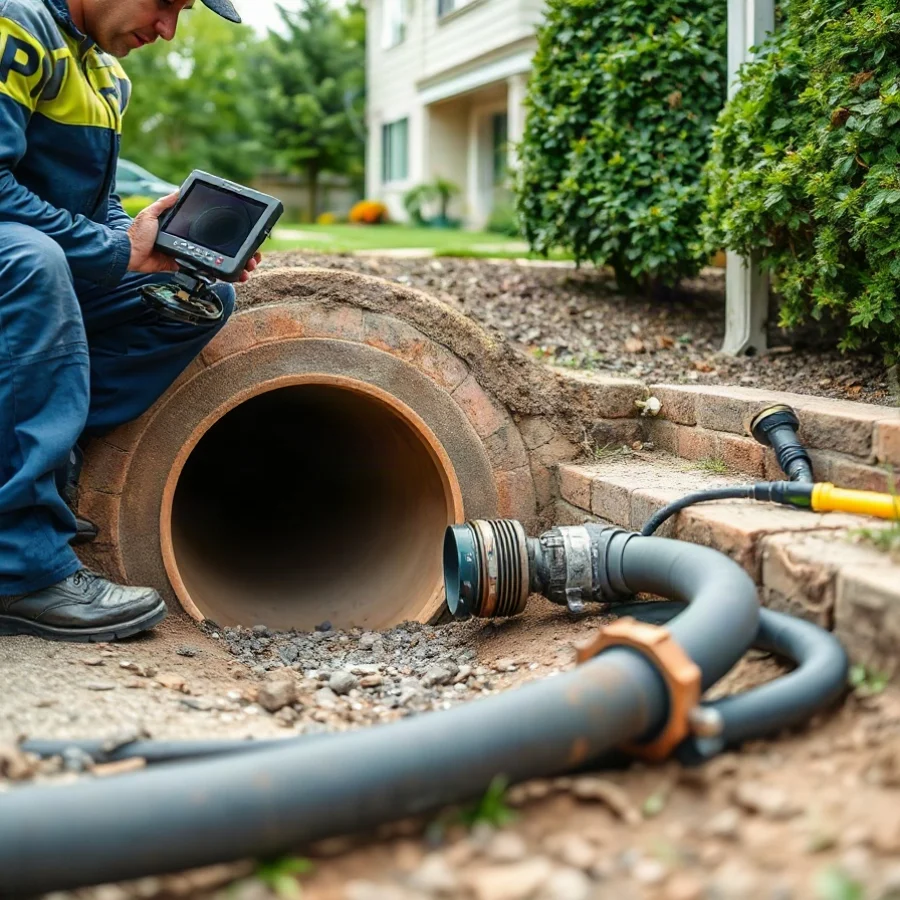
A drain camera allows a plumber to view the inside of the sewer line and identify the likely cause of the recurring problem. The inspection may show roots, grease, standing water, a belly in the line, an offset joint, a crack, or a complete collapse. It can also help distinguish a blockage in the private sewer lateral from a problem farther downstream.
Ask the plumber to explain what the camera shows rather than relying only on a statement that the pipe is old. Useful questions include:
- Is the pipe open enough for hydro jetting equipment?
- Are the joints aligned and intact?
- Is there standing water that could indicate a low section?
- Are roots entering through a repairable joint or a larger break?
- Would cabling, sectional cleaning, repair, lining, or replacement be more appropriate?
- Can the plumber provide a recording or clear images of the defect?
Camera equipment does not make every diagnosis perfect. Access, water level, debris, and the condition of the line can limit visibility. Even so, inspection is generally more informative than choosing high-pressure cleaning based only on symptoms.
What homeowners can safely check
There are a few low-risk observations you can make before calling a plumber. Note whether one fixture is slow or whether several fixtures drain poorly at the same time. Multiple affected fixtures, gurgling toilets, sewage odors, or wastewater appearing in a lower drain can point to a larger sewer-line problem rather than an isolated sink clog.
Check whether the issue changes after heavy rain, whether the home has had previous root intrusion, and whether nearby trees or recent excavation could be relevant. Look for wet or unusually green areas in the yard, depressions in the soil, or persistent odors near a cleanout, but do not dig into the yard or open a buried sewer connection.
You can stop using affected fixtures to reduce the chance of an indoor backup. Do not pour chemical drain cleaners into a suspected sewer-line blockage, especially if a plumber may need to work on the line. These products can create a safety hazard and may not address a cracked or displaced pipe. For general blockage information, see this guide to professional drain cleaning.
Professional repair and replacement options
The right solution depends on the defect, the line’s location, access conditions, and the condition of nearby sections. A plumber may recommend a single-point repair if one joint or short section is damaged and the remaining line is stable. If several sections are failing, spot repairs may only postpone the next blockage.
Possible options can include carefully controlled cleaning, root management, excavation and replacement of damaged sections, or a trenchless rehabilitation method when the pipe and site conditions are suitable. Not every lining or replacement method works for every clay sewer configuration. A qualified contractor should explain how the proposed method handles bends, connections, joint offsets, access points, and remaining defects.
If the pipe is collapsed or badly displaced, cleaning alone is not a repair. Continuing to jet a line that cannot transport wastewater normally may produce temporary flow while leaving the structural problem in place. The repair decision should be based on inspection findings, not just on whether water starts moving again.
What affects the cost of hydro jetting or sewer repair
Pricing varies by location and by the actual work required, so a reliable estimate requires details about the property and the sewer line. Factors that can affect the total include:
- Whether a camera inspection is needed before cleaning
- How accessible the cleanout or sewer connection is
- The length, diameter, and layout of the line
- The severity and type of blockage
- Root growth, mineral scale, or hardened buildup
- Whether wastewater cleanup or emergency precautions are necessary
- Difficulty reaching a damaged section
- Whether the work involves cleaning, repair, rehabilitation, or replacement
- Restoration of landscaping, paving, flooring, or other surfaces after excavation
Request a written description of the recommended work and ask whether the estimate covers inspection, cleaning, access, disposal, and any follow-up repair. Avoid selecting a contractor solely because the initial cleaning quote is low. A cheaper cleaning that overlooks a failing pipe may lead to another backup and additional service calls.
How to choose the right plumber
Look for a qualified local plumbing professional with experience inspecting and servicing sewer lines, including older clay systems. Ask whether the company uses a camera before recommending hydro jetting and whether the technician can adjust the method if the pipe appears fragile.
A responsible plumber should explain the risks in plain language, identify alternatives, and separate the cost of diagnosis from the cost of cleaning or repair when applicable. Ask for documentation of the camera findings, a description of the nozzle or cleaning approach, and details about what happens if the equipment encounters a damaged section.
For sewage backups, major flooding, suspected concealed damage, or unsafe conditions, arrange professional help promptly and keep people and pets away from contaminated water. Use a qualified local provider rather than attempting to operate commercial jetting equipment yourself. You can review additional guidance on hiring a plumber and compare the questions to ask before authorizing work.
Making a careful decision
Hydro jetting is not automatically dangerous for clay sewer pipes, and it is not automatically suitable. It can be an effective cleaning method when inspection shows a reasonably sound line and the blockage is appropriate for water-jet cleaning. It becomes a poor choice when the pipe is collapsed, severely cracked, badly misaligned, or too fragile to withstand the planned procedure.
The safest process is straightforward: document the symptoms, limit fixture use if wastewater is backing up, have the line inspected, ask for the findings in clear terms, and compare cleaning with repair options. That approach helps separate a temporary blockage from a structural sewer problem and reduces the chance of using high-pressure equipment where a damaged clay pipe needs a different solution.
Comments
0No comments yet. Be the first to share a helpful note or question.
Leave a Comment
Your email address will not be published. Comments are reviewed before appearing on the site.