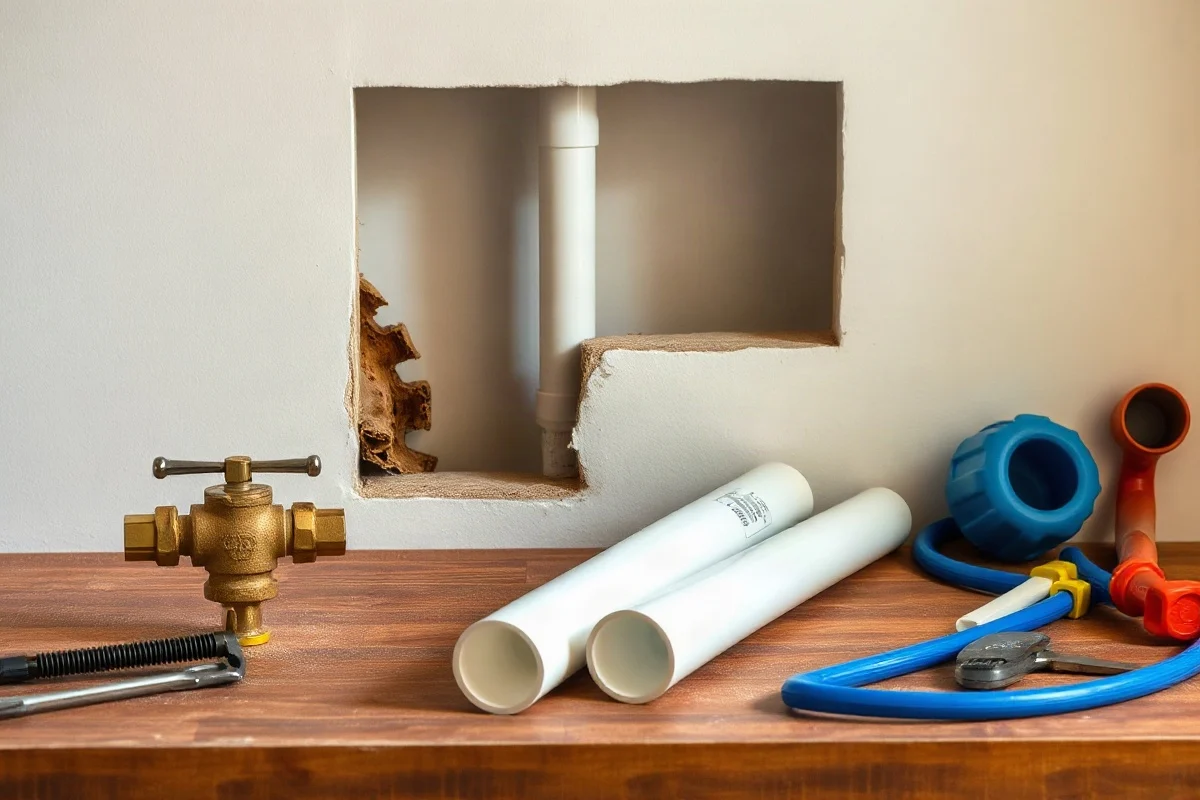
After a burst, PEX is often the most practical replacement for accessible indoor water lines because it is flexible, resists many freeze-related failures, and can reduce the number of joints. However, it is not automatically the best choice for every repair. Copper may be preferable in exposed or highly durable installations, while PVC or CPVC may be appropriate in certain cold- or hot-water applications depending on the existing system and local requirements. The right decision depends on what caused the failure, where the pipe is located, how much of the system is damaged, and what materials are already present.
A burst pipe is more than a single hole that needs a patch. Water pressure, freezing, corrosion, movement, poor connections, or age may have weakened nearby sections. A qualified plumber should assess the failed area and the surrounding pipe before recommending a repair or replacement. If water is spreading quickly, shut off the main water supply if you can do so safely, then arrange professional help through emergency plumbing service.
Start With Safety and Water Damage Control
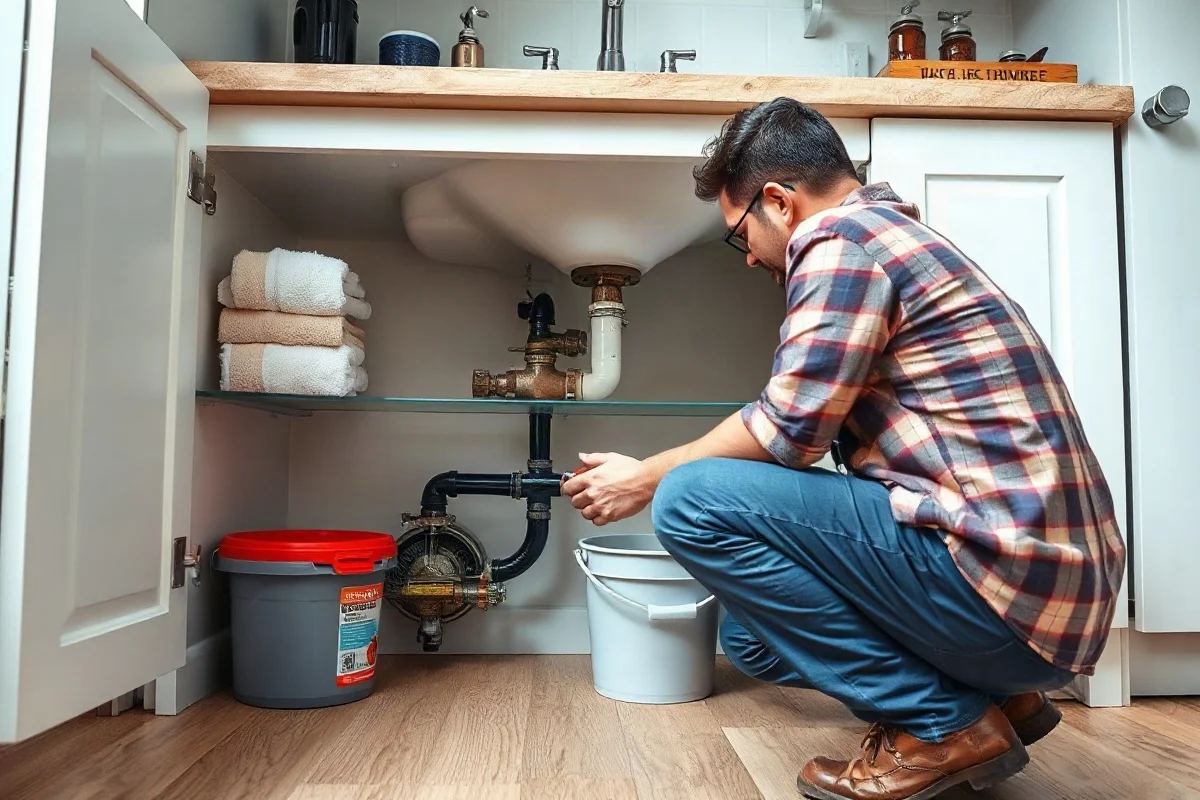
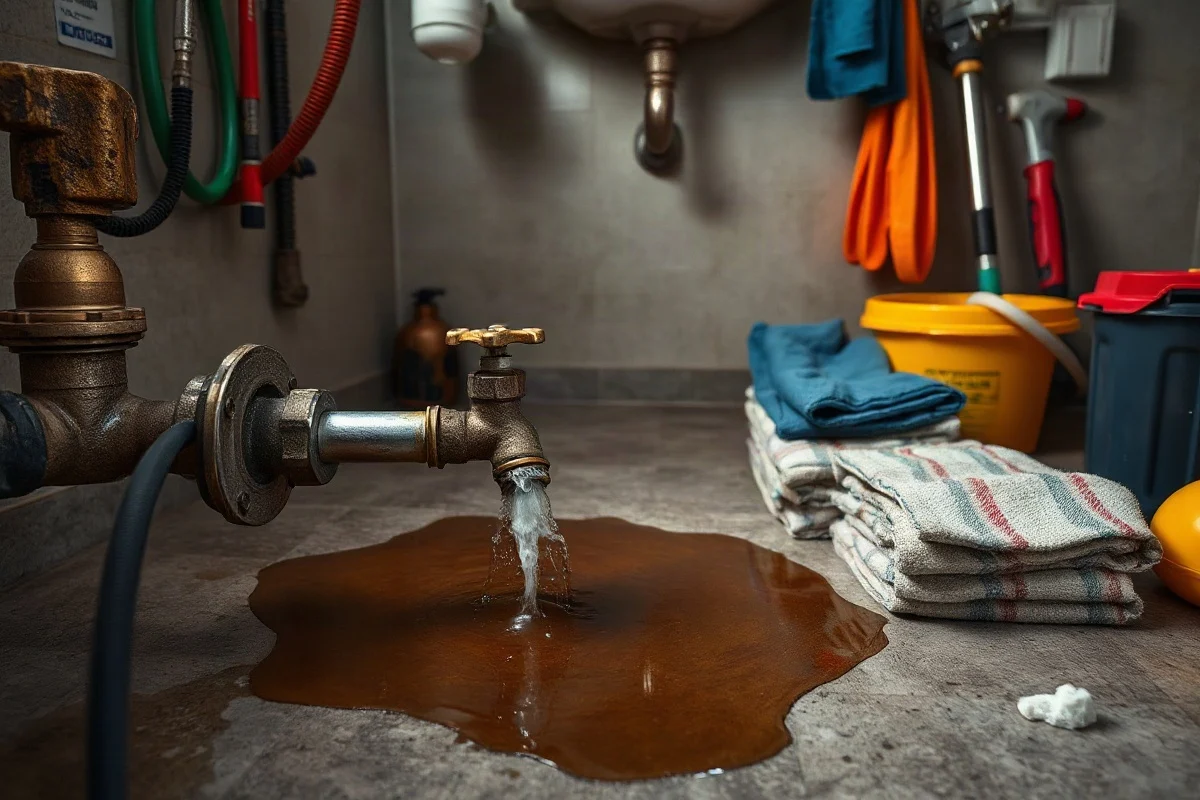
Before comparing materials, control the immediate hazard. Turn off the main water valve or the nearest accessible shutoff valve. Open a cold-water faucet briefly to relieve some pressure, but do not enter standing water near electrical equipment, outlets, appliances, or damaged wiring. If sewage is involved, keep people and pets away and contact a qualified professional.
Use towels, buckets, or a wet vacuum only where conditions are safe. Move furniture and belongings away from the water if doing so does not expose you to electrical or structural hazards. Photograph the damaged area and any visible property damage for your records. Do not close up a wall, ceiling, cabinet, or floor until the plumbing and moisture problems have been evaluated.
What Caused the Burst?
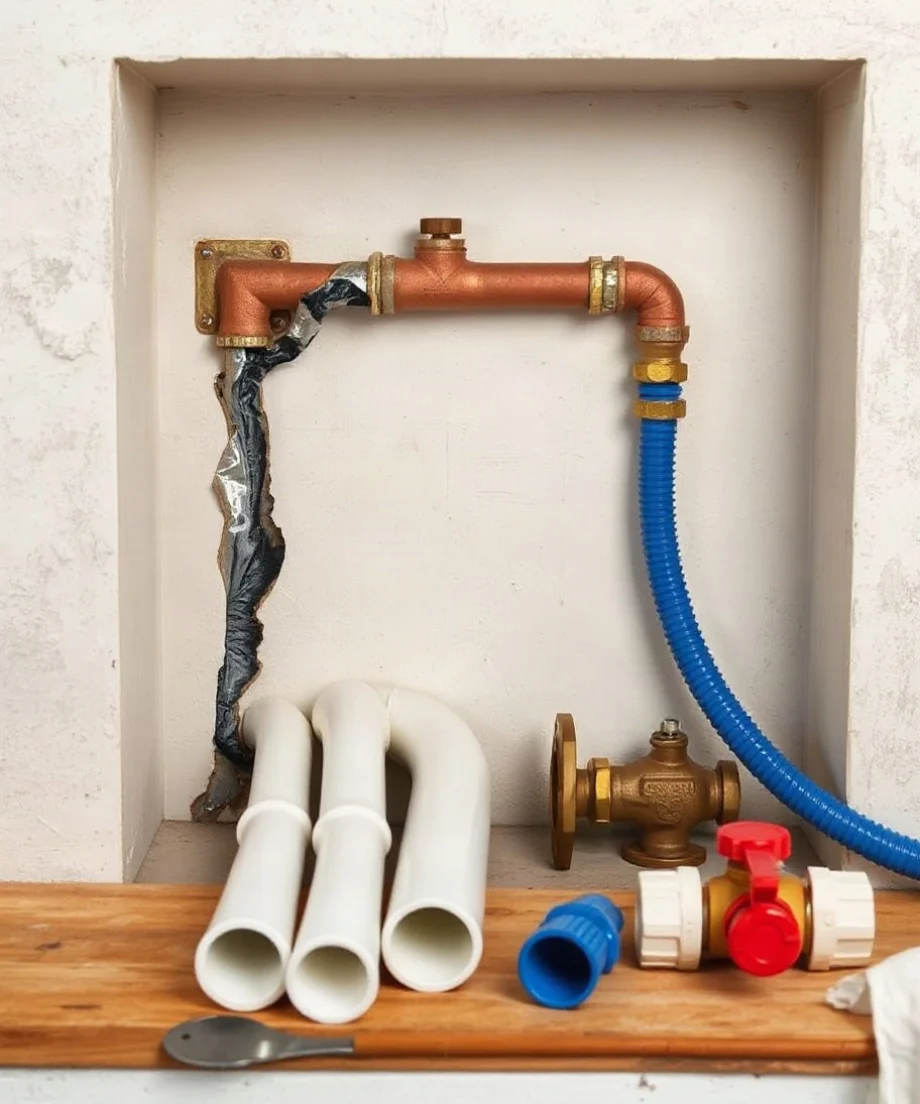
The cause of the failure should influence the replacement decision. A short repair using the same material may be reasonable when one fitting failed but the surrounding pipe is sound. Replacing a larger section, or even a branch of the system, may make more sense when the pipe shows widespread deterioration.
Freezing
Water expands as it freezes, creating pressure inside a pipe. The pipe may split at a weak point, or it may appear to fail after temperatures rise and water pressure returns. Unheated crawl spaces, exterior walls, garages, attics, and poorly protected utility areas deserve careful inspection after a freeze-related burst.
PEX can tolerate some expansion better than rigid materials, but it is not freeze-proof. Copper and PVC can also fail when water freezes inside them. A plumber may need to address insulation, air leakage, pipe routing, or inadequate heat in addition to replacing the damaged section.
Corrosion and Age
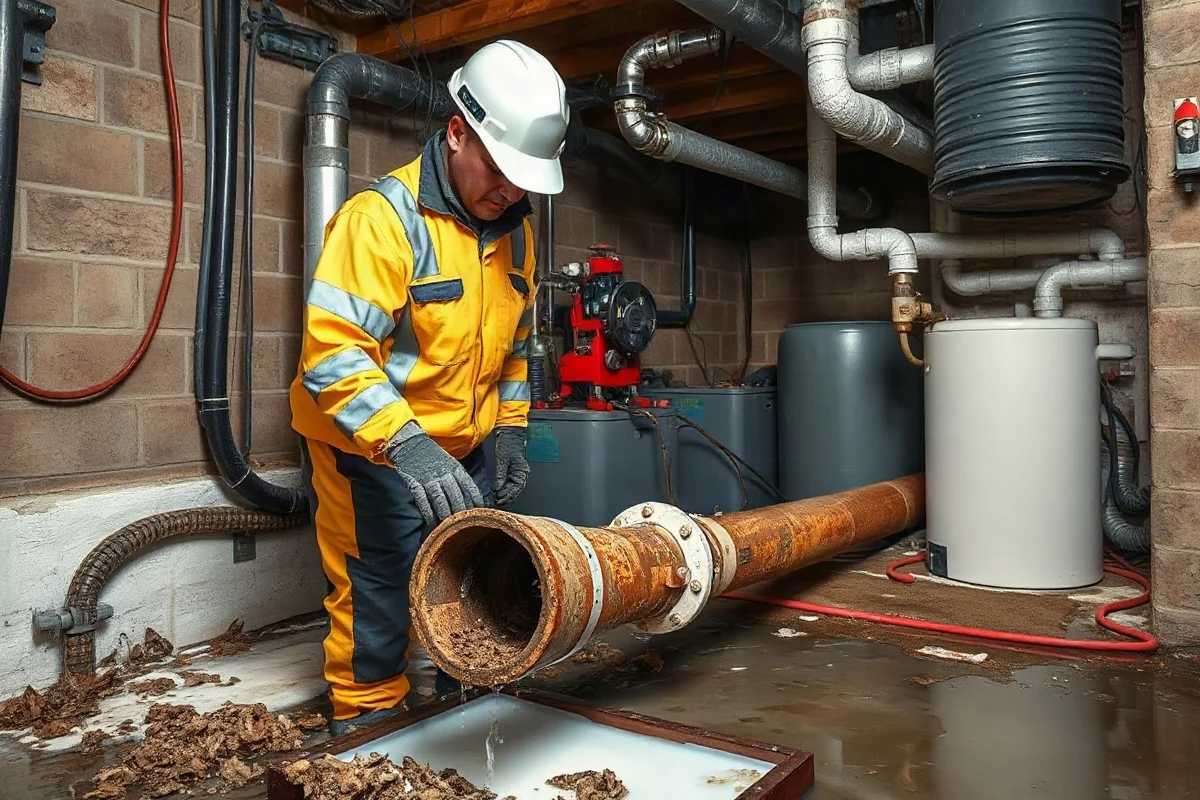
Corrosion can thin metal pipe from the inside or outside. If a copper line has several pinhole leaks, green or bluish deposits, staining, or repeated failures, replacing only the newest hole may provide a temporary fix rather than solving the broader problem. Galvanized steel and other older materials may also have restricted flow or widespread internal deterioration.
Movement, Pressure, or Poor Installation
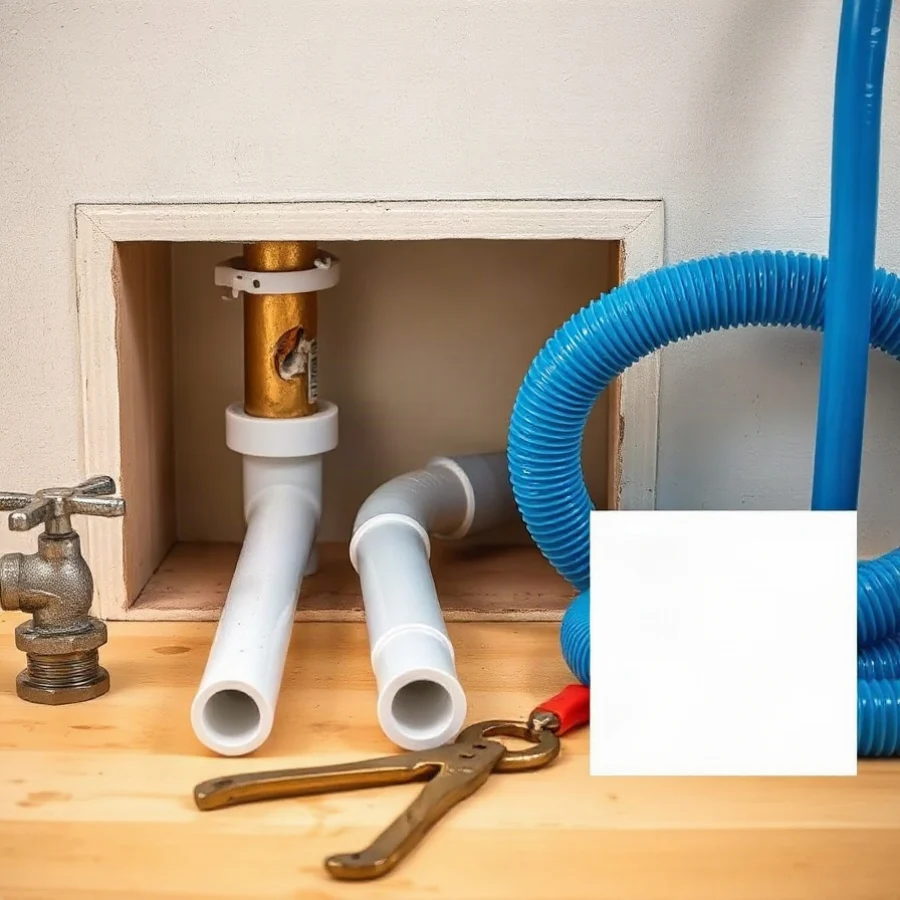
Pipe can be damaged by movement, vibration, unsupported runs, excessive pressure, or stressed connections. A burst near a fitting may point to a connection problem rather than a material problem. A professional can inspect supports, transitions between materials, valves, and pressure conditions before selecting a replacement method.
Copper: Durable and Familiar, With Installation Tradeoffs
Copper has a long history in residential plumbing and is commonly used for water distribution. It is rigid, durable, and suitable for exposed areas where a clean, finished appearance matters. Copper can also be easier to inspect visually because the pipe and many connections remain accessible.
Its disadvantages become more important during a difficult burst repair. Copper requires accurate measuring, cutting, fitting, and joining. Repairs may involve heat, which creates a fire risk near wood framing, insulation, cabinets, or other combustible materials. A professional should perform soldering or other heat-based work when the area is tight, concealed, or difficult to protect.
Copper can also be affected by water chemistry, corrosion, freezing, and physical damage. If the original failure resulted from widespread corrosion or repeated pinhole leaks, installing a new copper section may not be the best long-term answer. The plumber should explain whether the surrounding system appears sound or whether a larger replacement is justified.
PVC and CPVC: Rigid Plastic With Different Applications
PVC is widely used for cold-water plumbing and drainage applications, but the exact product and application matter. CPVC is a different material commonly associated with hot- and cold-water distribution in some homes. These materials should not be treated as interchangeable simply because they are both plastic.
Rigid plastic can be economical and does not rust like metal. It is also lightweight and can be easier to cut than copper. However, rigid pipe needs suitable support and careful alignment. It may crack from impact, freezing, excessive stress, or improper handling. Existing pipe, fittings, and transition points must be compatible with the replacement material and joining method.
Whether PVC or CPVC is suitable depends on the failed line, the temperature of the water, the product markings, the condition of the existing installation, and applicable local requirements. Do not assume that a length of general-purpose PVC is acceptable for every water-supply repair. A qualified plumber can identify the pipe and select compatible components.
PEX: Flexible and Often Practical for Water-Line Repairs
PEX is flexible plastic tubing used for many water-supply installations. Its flexibility can make it useful when a burst occurs in a wall, crawl space, or other location where routing rigid pipe would require more joints. Fewer joints can mean fewer potential connection points, although every connection still needs to be made correctly and remain accessible when possible.
PEX is available in different types and connection systems, so the tubing, fittings, tools, and installation method must be compatible. It can be damaged by certain conditions, including excessive heat, sunlight exposure in unsuitable locations, sharp edges, and physical abuse. It also needs proper support and protection where it passes through framing or near possible sources of damage.
PEX may be a practical choice for a localized repair, a repiped branch, or a section that is difficult to route with rigid material. It is not automatically appropriate for every exposed, high-impact, outdoor, or specialty application. Ask the plumber how the new tubing will be protected and connected to the existing system.
When Repairing One Section Makes Sense
A localized repair may be reasonable when the failure is clearly isolated, the rest of the pipe is in good condition, and the cause can be addressed. For example, a plumber might replace a split section caused by a one-time impact while retaining sound pipe nearby. The repair should include compatible couplings or fittings and adequate support.
Ask whether the plumber found staining, corrosion, mineral buildup, deformation, brittle material, or other warning signs beyond the visible break. A small repair can become a poor value if adjacent sections are likely to fail soon. If the burst occurred in a concealed area, the plumber may also recommend checking for wet insulation, mold risk, damaged drywall, or subfloor problems.
When a Larger Replacement Is More Sensible
Replacing a longer run may be appropriate when several sections have failed, the material is deteriorating throughout the home, access is already open, or the original installation has recurring problems. A larger replacement can also make sense when the existing pipe is difficult to repair safely or when repeated transitions between incompatible materials have created weak points.
Whole-home repiping is a major decision and should not be recommended solely because one pipe burst. Request a clear explanation of the evidence supporting a larger project. The proposal should identify the affected areas, the material being offered, the work needed to access the pipes, the expected restoration of walls or ceilings, and any parts of the system that will remain unchanged.
Safe Homeowner Checks vs. Professional Work
Low-risk checks you may perform
- Locate and shut off the main water valve if it is accessible and operates normally.
- Check visible cabinets, basements, crawl spaces, and utility areas for standing water without entering unsafe conditions.
- Record where the leak appears, when it started, and whether freezing temperatures or recent work preceded it.
- Take photos of the broken pipe, fittings, water damage, and shutoff valves.
- Remove loose belongings from a dry, safe area and use towels or containers to limit spreading water.
Work that should be left to a professional
- Opening walls, ceilings, floors, or structural areas to reach concealed plumbing.
- Cutting, soldering, crimping, expanding, or connecting water-supply pipe.
- Diagnosing hidden leaks, widespread corrosion, pressure problems, or freeze damage.
- Repairing sewage lines or cleaning areas contaminated by sewage.
- Working near electrical equipment, gas appliances, major flooding, or unstable building materials.
- Making changes that may involve local code, permits, or inspection requirements.
For additional guidance on repair options, see this overview of pipe repair services. If the burst is behind a wall or ceiling, visible stains and dripping may not show the full extent of the damage; a plumber may need to inspect adjacent areas and coordinate with a water-damage professional.
Cost Factors to Discuss Before Work Begins
The final cost depends on more than whether the pipe is copper, PVC, or PEX. Important factors include the location of the break, accessibility, the length of pipe being replaced, the number and type of fittings, the need to shut down or drain a section, and whether water damage requires additional work.
Emergency timing, difficult crawl-space or ceiling access, removal of damaged materials, restoration after plumbing work, and replacement of valves can also affect the estimate. Material cost is only one part of the project. Ask for separate descriptions of plumbing work, access and demolition, drying or cleanup, and surface restoration.
Do not choose a material based only on the lowest initial quote. A less expensive repair may leave corroded pipe, poorly supported tubing, incompatible fittings, or an unresolved cause. A higher quote may reflect safer access, a larger replacement area, or necessary restoration, but the contractor should explain those differences clearly. You can review more general plumbing cost factors before comparing estimates.
How to Choose the Right Plumber
Look for a qualified local plumber with experience handling burst pipes and the material proposed for your home. Ask who will perform the work, how the cause will be diagnosed, whether the surrounding pipe will be inspected, and how the area will be protected from further water damage.
Get a written description of the repair before work begins whenever conditions allow. It should identify the pipe material, approximate repair area, access work, fittings or valves included, cleanup responsibilities, and any exclusions. Ask how the new material will connect to existing pipe and how it will be supported or protected.
Be cautious of anyone who recommends replacing the entire plumbing system without inspecting the failure and explaining the evidence. Also be cautious of a quote that promises a quick patch without discussing the reason the pipe burst. For help evaluating contractors, use this guide to hiring a plumber.
Make the Material Decision Based on the Whole System
PEX is often a strong practical option for accessible indoor water-line repairs, especially where flexibility and fewer joints can simplify routing. Copper remains a durable choice in suitable locations when installed correctly, while PVC or CPVC may fit specific cold- or hot-water applications when the product and existing system are compatible. None of these materials eliminates the need to correct freezing exposure, corrosion, poor support, excessive pressure, or unsafe access.
The best post-burst repair is the one that addresses both the damaged pipe and the reason it failed. Shut off the water, protect people from electrical and sewage hazards, document the damage, and have a qualified local professional inspect the system before choosing a replacement material.
Comments
0No comments yet. Be the first to share a helpful note or question.
Leave a Comment
Your email address will not be published. Comments are reviewed before appearing on the site.