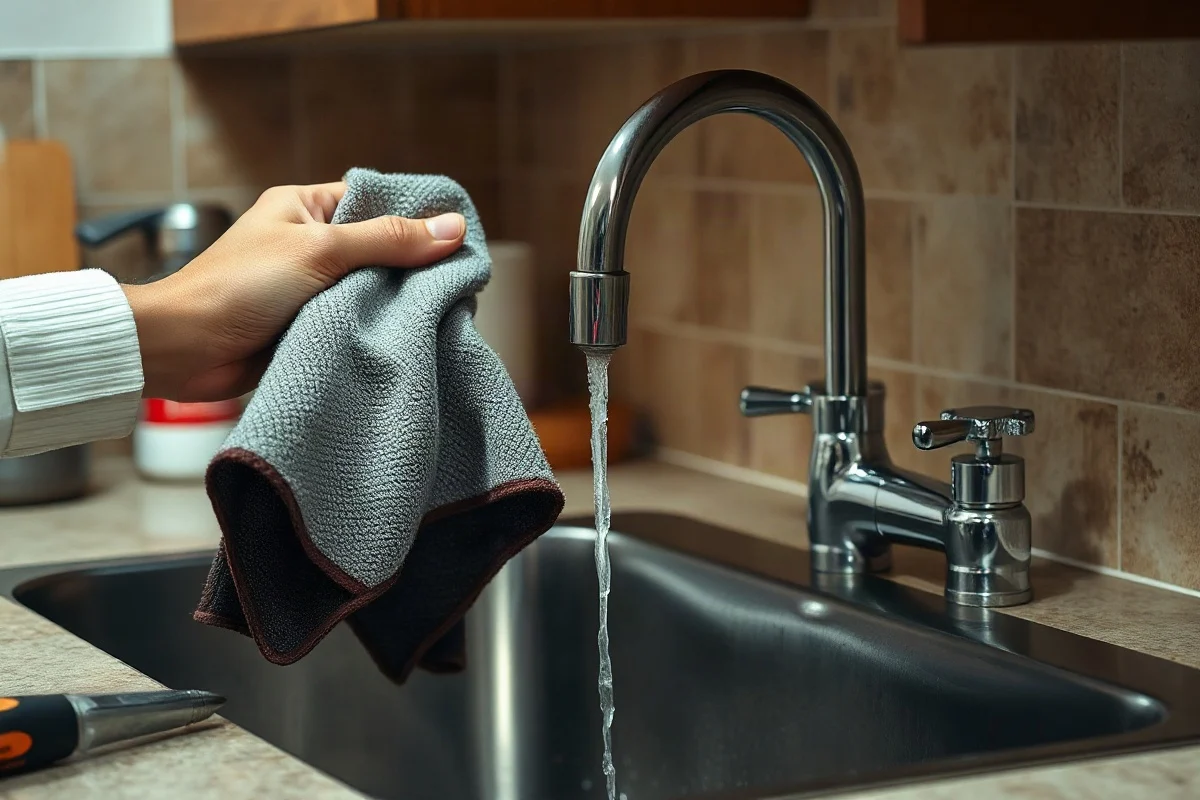
Repair usually saves more when a dripping faucet has a sound body and the problem is limited to a worn cartridge, valve, washer, O-ring, or aerator. Replacement can be the better value when the faucet is corroded, leaking around the body, difficult to find parts for, or already showing several problems. The right decision depends on the faucet’s condition, age, design, repair-part availability, and the risk of paying for repeated service.
A small drip may seem harmless, but it can waste water, leave mineral deposits, stain a sink, and signal that an internal component is no longer sealing correctly. Before buying a new faucet or taking it apart, identify where the water is coming from and determine whether a safe homeowner check can narrow down the cause.
What a Dripping Faucet May Be Telling You
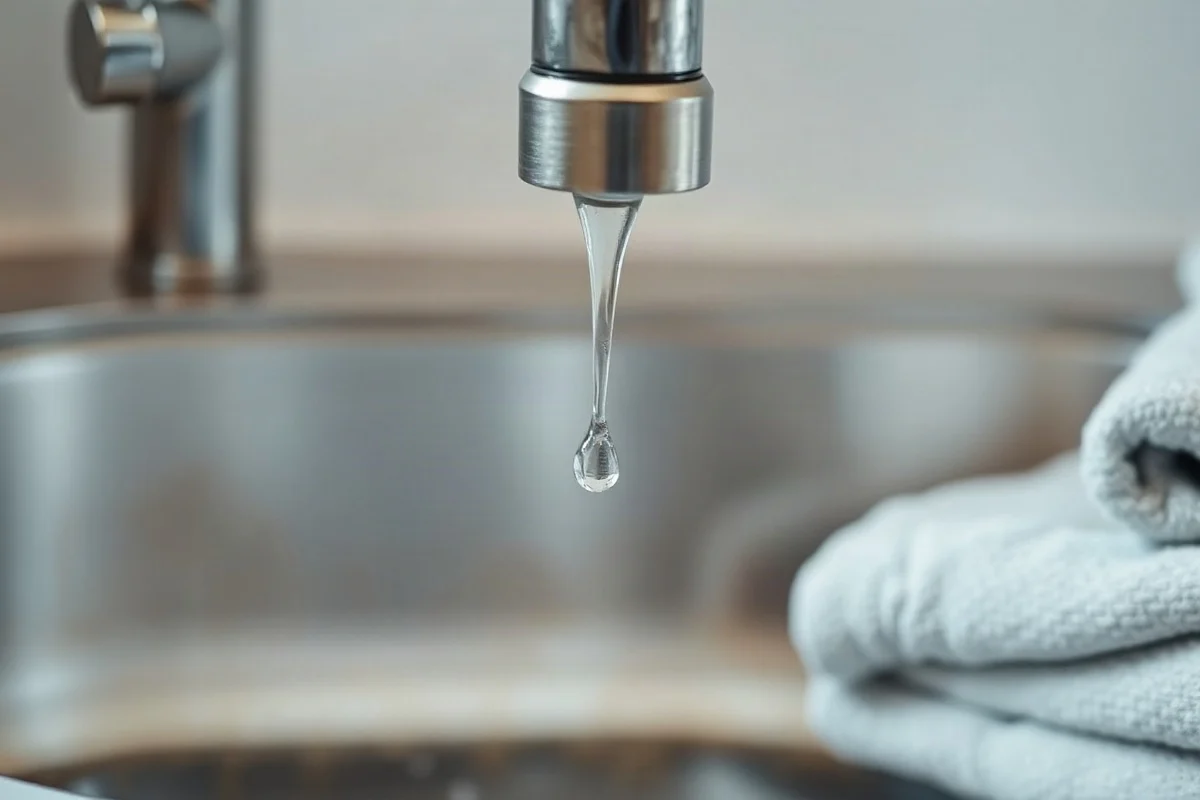
The location and timing of the drip provide useful clues. Water that falls from the spout when the faucet is turned off often points to an internal sealing problem. Depending on the faucet design, the failed part may be a cartridge, ceramic disc, valve seat, rubber washer, or O-ring.
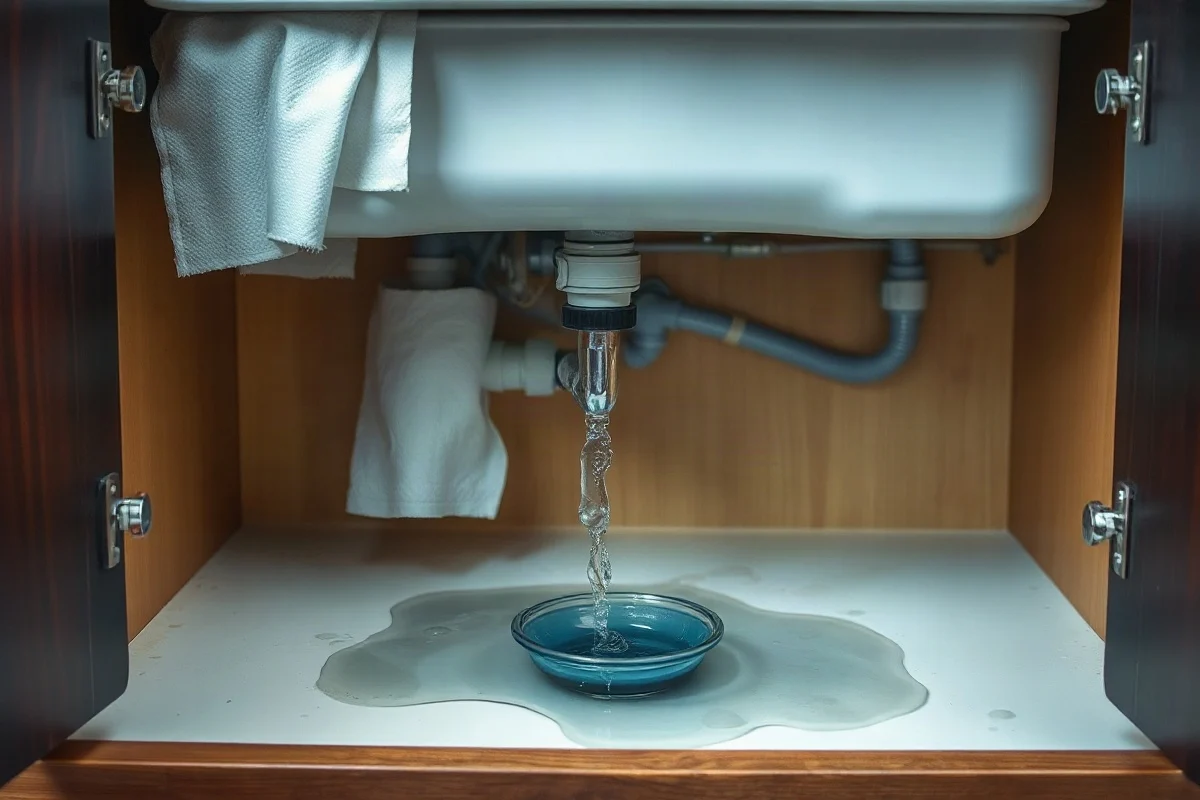
Water that appears around the handle, under the escutcheon, or at the base may have a different cause. A worn stem seal, loose connection, damaged gasket, or buildup around the faucet body can allow water to escape outside the normal flow path. A leak beneath the sink may involve a supply connection, shutoff valve, hose, or sink mounting seal rather than the faucet itself.
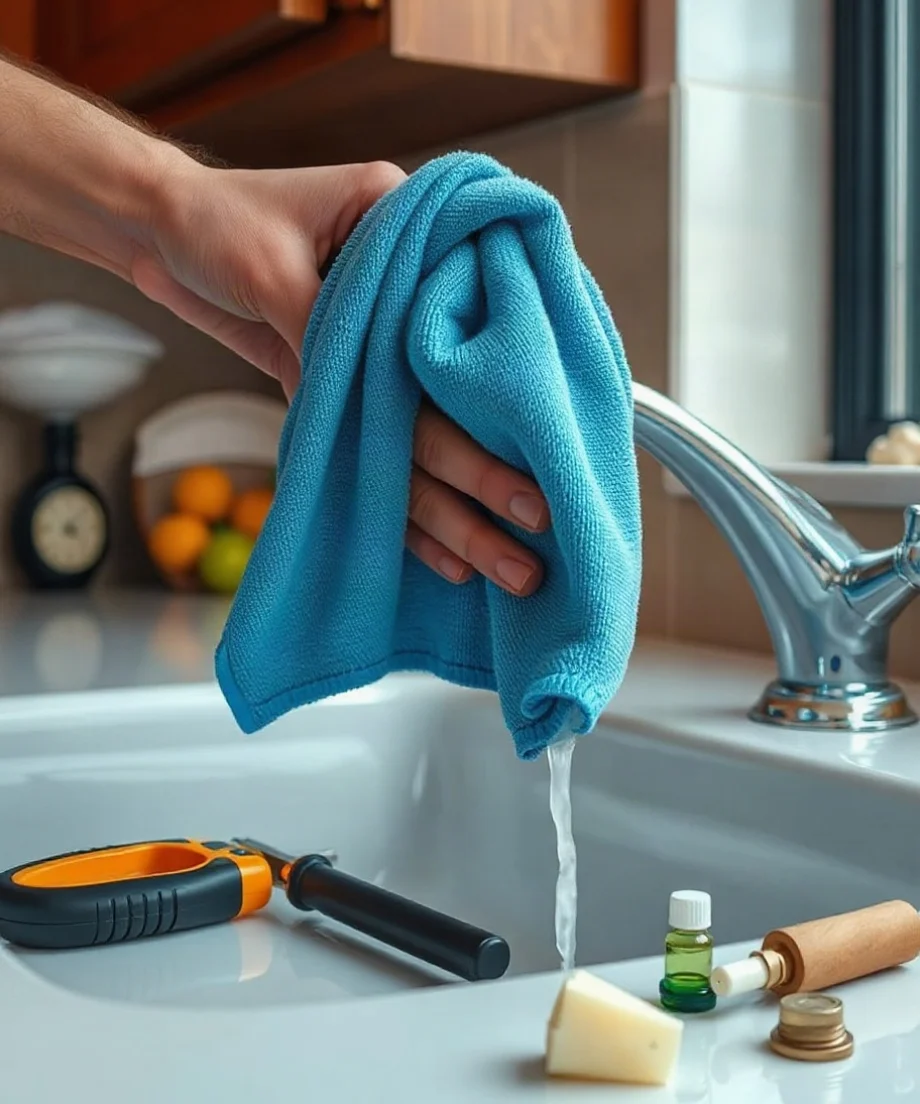
- Drip from the spout: Often related to an internal cartridge, washer, valve, or sealing surface.
- Leak around the handle: May indicate a worn O-ring, stem seal, cartridge, or loose retaining component.
- Water at the faucet base: Can result from a damaged gasket, loose mounting hardware, or a faucet body that is beginning to corrode.
- Water under the sink: May come from supply lines, shutoff valves, mounting connections, or a separate plumbing leak.
- Reduced flow with dripping: Mineral deposits or debris may be affecting the aerator or internal parts.
If water is running continuously, spreading into cabinets, reaching electrical equipment, or coming from a concealed area, shut off the nearest safe water supply and seek qualified local help. For significant flooding, hidden leaks, sewage exposure, or unsafe conditions, do not rely on trial-and-error repairs.
Safe Checks Homeowners Can Perform
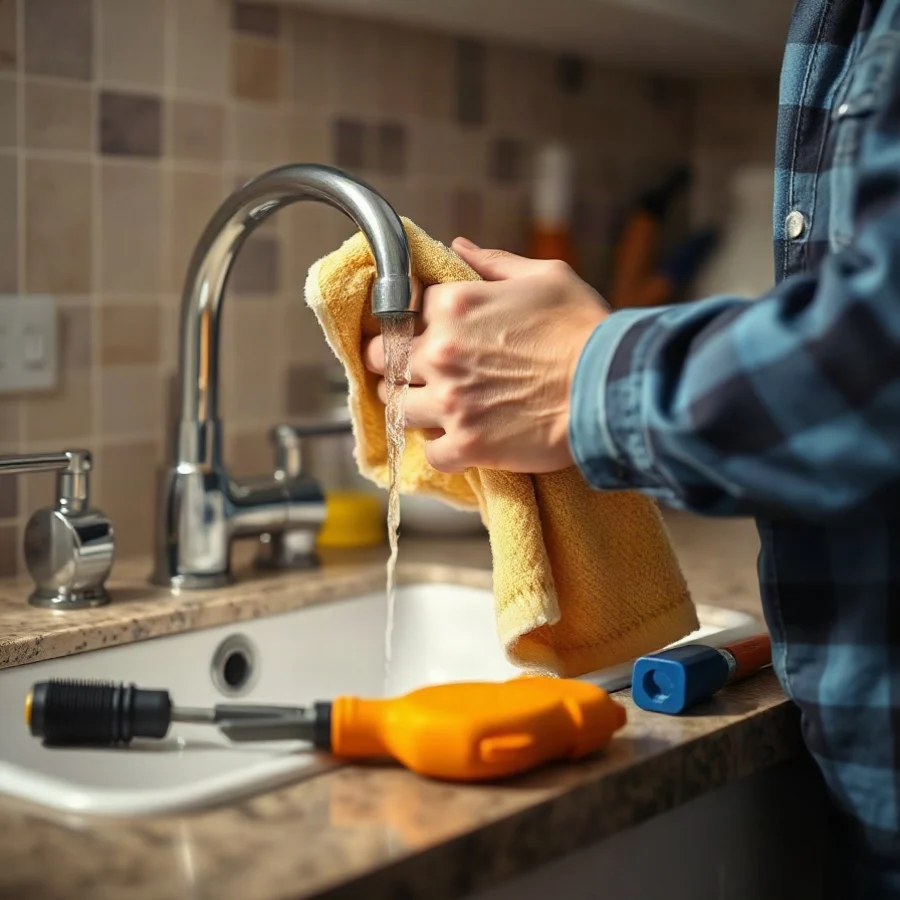
Some basic observations are low risk and can help you decide what to do next. Dry the faucet and the area beneath it with a towel. Turn the faucet on and off several times while watching the spout, handles, base, supply connections, and cabinet floor. Use a dry paper towel to detect a small leak around a connection.
Check whether the drip continues when the handle is fully closed, and note whether it changes when the handle is moved. Look for white, green, or rust-colored deposits, loose handles, cracked decorative covers, or visible corrosion. If the faucet has an aerator at the end of the spout, mineral buildup there may restrict flow, but cleaning the aerator will not correct an internal valve that is failing to shut off.
You can also confirm that the shutoff valves beneath the sink are accessible and identify which valve supplies the faucet. Do not force a valve that is stuck, heavily corroded, or beginning to leak around its stem. A damaged shutoff valve can create a larger problem when disturbed. If you cannot stop the water safely, contact a qualified plumber.
Homeowners should avoid disassembling a faucet without the correct replacement parts, tools, and instructions. For more low-risk maintenance guidance, see our DIY plumbing resources. Do not work on electrical components, gas piping, sewage-contaminated plumbing, or concealed water lines yourself.
When Repair Is Usually the Better Choice
Repair is often sensible when the faucet is relatively sound and the defect is clearly limited to a replaceable component. A single-handle faucet with a worn cartridge, for example, may not need to be replaced if the body, handle, connections, and finish remain in good condition. Two-handle faucets may need a washer, valve stem, cartridge, or seat-related repair depending on their design.
Repair may be especially reasonable when:
- The faucet has a design or finish you want to keep.
- The leak has a clear, localized cause.
- Replacement parts are available and match the faucet model.
- The faucet body is not cracked, severely corroded, or visibly distorted.
- The handles and connections operate normally.
- A qualified professional can complete the repair without replacing multiple unrelated parts.
Use the faucet’s brand and model information when looking for parts. The wrong cartridge or washer can cause continued leaking, difficult handle operation, or damage during installation. If the model is unknown or parts are no longer available, a plumber may be able to identify the faucet or explain whether continued repair is practical.
When Replacement Is the Better Value
Replacement becomes more attractive when the faucet has several defects or when repair would only postpone another failure. A faucet with a corroded body, stripped threads, damaged connections, or repeated leaks may not be a good candidate for another isolated repair. Corrosion can also make disassembly risky, especially if old connections begin to twist or break.
Consider replacement when:
- The faucet body is cracked, badly corroded, or leaking from a non-serviceable area.
- The same faucet has required repeated repairs over a short period.
- Replacement parts are unavailable, unusually difficult to identify, or no longer fit properly.
- The finish is deteriorating and cleaning cannot restore it.
- The handles are loose, seized, or difficult to operate even after basic adjustment.
- The faucet does not suit the sink configuration or the way the fixture is being used.
- The estimated repair involves several parts and approaches the practical value of a new fixture.
Replacement is not automatically simple. The new faucet must match the sink’s mounting-hole arrangement, available space, connection size, and water-supply setup. A faucet that looks compatible may not fit without an adapter or additional work. If the connections are old, corroded, or difficult to reach, professional installation can reduce the chance of a supply-line leak or cabinet damage.
Cost Factors Beyond the Price of the Faucet
There is no reliable single price for dripping faucet repair or replacement because labor, parts, access, faucet type, and local service conditions vary. The fixture’s purchase price is only one part of the decision. A repair estimate may include diagnosis, disassembly, replacement components, cleanup, and testing. A replacement estimate may include removing the old faucet, adapting connections, installing the new fixture, and addressing damaged shutoff valves or supply lines.
Ask what the estimate includes and whether the plumber expects to replace any related components. Important cost factors can include:
- Faucet design: Specialty, pull-down, touch-activated, and more complex fixtures may take more time to diagnose or install.
- Access: Tight cabinets, deep sinks, and obstructed connections can make the work more difficult.
- Part availability: A common replacement cartridge may be easier to source than an obsolete or proprietary component.
- Condition of connections: Corroded supply lines or shutoff valves may need attention before the faucet can be repaired or replaced.
- Sink configuration: The number and spacing of mounting holes can affect which replacement faucets fit.
- Finish and features: Matching a finish or retaining special features may increase the replacement cost.
- Urgency and timing: Service conditions can affect an estimate, particularly when water damage is developing or the faucet cannot be isolated safely.
For broader planning information, review our plumbing costs guide. Use general cost information as a planning tool, not as a quote for your home.
Repair or Replace: A Practical Decision Process
Start by identifying the exact leak location. If the drip is only from the spout and the faucet body is in good shape, ask whether a cartridge, washer, or valve repair is available. If water is escaping from the body, base, or connections, replacement may be more sensible, particularly if corrosion is visible.
Next, consider the faucet’s history. One isolated failure does not necessarily mean the fixture is at the end of its useful life. Several repairs, stiff handles, deteriorating finish, and recurring leaks suggest that a new faucet could provide better long-term value. Also consider how much disruption a second repair would cause if the first repair does not solve the problem.
Finally, compare a written repair estimate with a written installation estimate for a suitable replacement. Confirm whether both options include parts, labor, removal, testing, and any work needed on the shutoff valves or supply lines. A professional should explain the uncertainty rather than promise that a hidden or corroded connection will come apart easily.
When to Call a Qualified Plumber
Call a qualified local plumber if you cannot locate the source, cannot shut off the water, or see water entering the cabinet, wall, floor, or ceiling. A concealed leak can cause damage beyond the visible drip. If you notice a ceiling stain or water appearing in another room, avoid opening walls or ceilings unless directed by a professional; the source may be elsewhere in the plumbing system. Our leak repair information can help you understand the next steps.
Professional help is also appropriate when supply valves are stuck, connections are badly corroded, the sink is unstable, or the faucet is mounted in a difficult-to-reach location. Use a qualified local professional for code-related work, major flooding, sewage exposure, electrical features, or any condition that could create a safety hazard.
How to Choose the Right Service Professional
Look for a plumber who regularly handles faucet repair and replacement and can explain both options. Ask whether diagnosis is included, whether the professional will inspect the shutoff valves and supply lines, and what happens if the recommended part is unavailable. Request a clear written estimate and ask about the scope of the work rather than choosing solely on the lowest initial figure.
Before work begins, identify the faucet brand and model if possible, clear the cabinet, remove stored items, and keep towels or a container nearby for minor residual water. Do not remove a faucet simply to prepare for service if the connections are corroded or the shutoff valve does not work.
The most economical choice is the one that solves the leak reliably without creating a second problem. Repair is usually the better value for a sound faucet with one replaceable failed part. Replacement is often smarter when corrosion, repeated failures, unavailable parts, or multiple leaks make another repair uncertain. A careful inspection and a transparent comparison of both options can help you spend money where it provides the most lasting benefit.
Comments
0No comments yet. Be the first to share a helpful note or question.
Leave a Comment
Your email address will not be published. Comments are reviewed before appearing on the site.