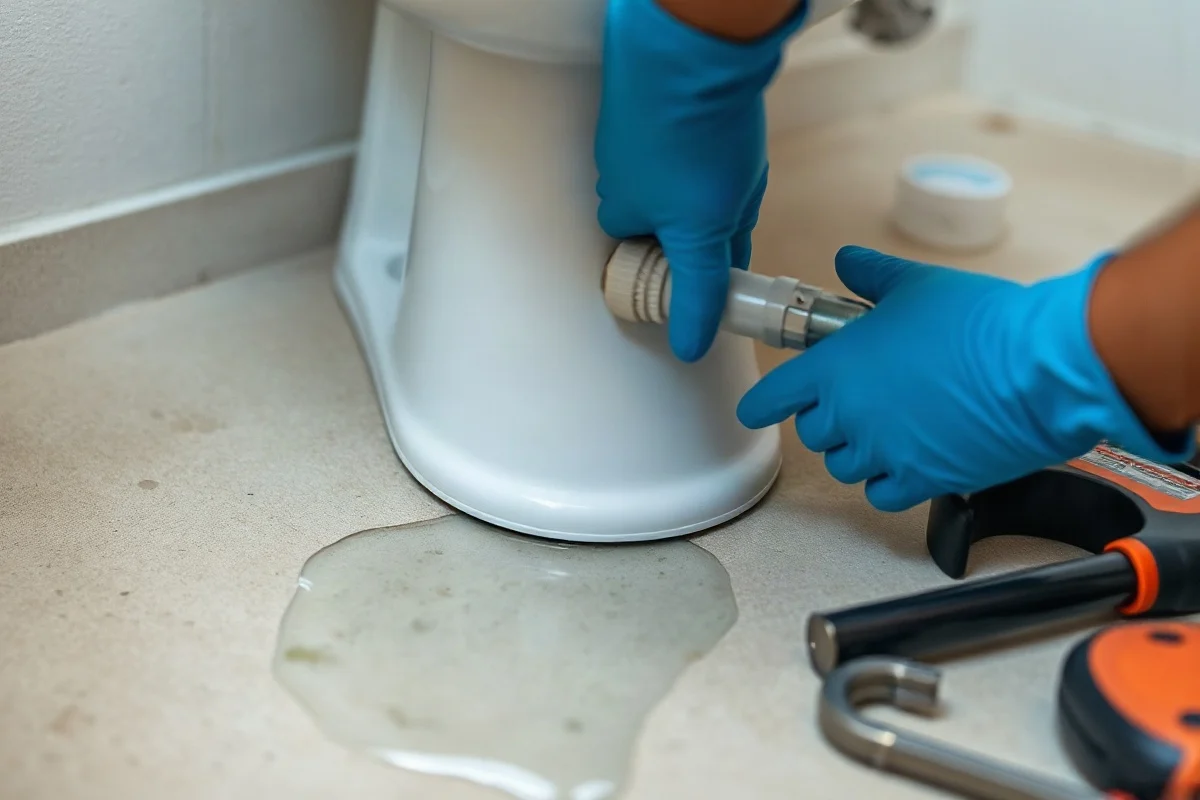
A toilet wax ring leak usually requires removing the toilet, replacing the failed seal, and checking the flange and surrounding flooring for damage. You can perform a few low-risk checks first, but lifting a toilet, repairing a damaged flange, or replacing wet subflooring is generally best handled by a qualified local plumber. Delaying the repair can allow wastewater to damage flooring and create unsanitary conditions.
What a Toilet Wax Ring Does
The wax ring sits between the bottom of the toilet and the closet flange, which connects the toilet drain opening to the waste pipe below the floor. When the toilet is flushed, the ring helps seal the joint so water and sewer gases do not escape around the base.
Wax does not usually “wear out” in the same way a mechanical part does, but the seal can lose contact when the toilet moves, the flange is damaged, the toilet is installed at an uneven height, or the flooring beneath the fixture changes. A ring may also leak after a toilet has been removed and reinstalled without replacing the old seal.
Signs of a Failed Toilet Wax Ring
Water around the base of a toilet does not automatically prove that the wax ring is leaking. It may come from condensation, a loose supply connection, a tank leak, a cracked bowl, or water splashing from the shower or tub. The timing and location of the moisture can help narrow down the cause.
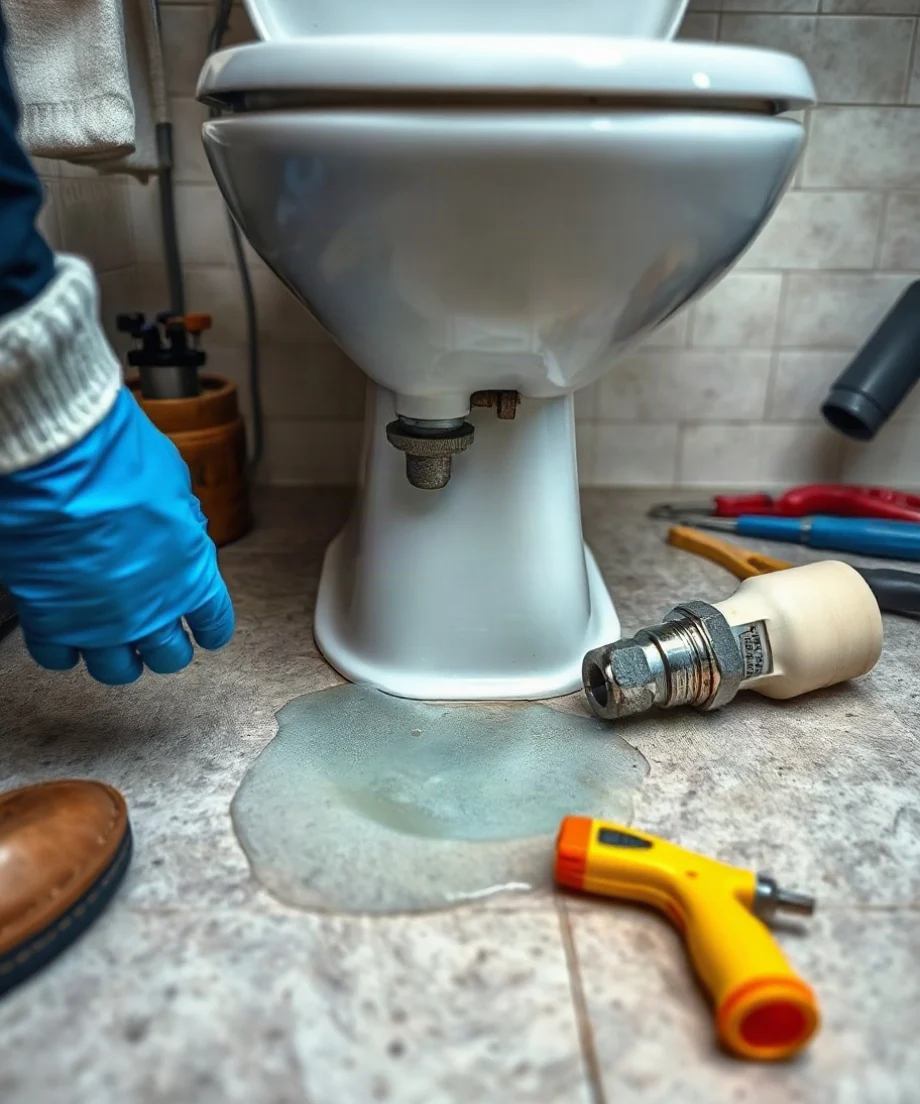
Water appears after flushing
If moisture develops at the toilet base shortly after flushing, the wax ring or another part of the toilet drain connection may be leaking. A leak that occurs only during flushing deserves prompt attention because it may be carrying contaminated water beneath the fixture.
The toilet rocks or shifts
A toilet that moves when someone sits down may have loose mounting bolts, an uneven floor, a deteriorated flange, or a failed seal. Movement can break the seal again even after a new wax ring is installed. Do not simply tighten the bolts aggressively; excessive force can crack the porcelain.
There is a persistent odor
A sewer-like odor around the toilet base can indicate that the seal is no longer blocking sewer gases. Odor can also come from a dry drain trap, a venting problem, or another plumbing defect, so a professional may need to identify the exact source.
The floor feels soft or looks stained
Discolored flooring, swollen trim, soft flooring, or stains on the ceiling below the bathroom can indicate that water has been reaching the subfloor. In a bathroom with a room below it, inspect the ceiling only from a safe, dry location. Do not open a ceiling or wall near electrical wiring unless a qualified professional has assessed the area.
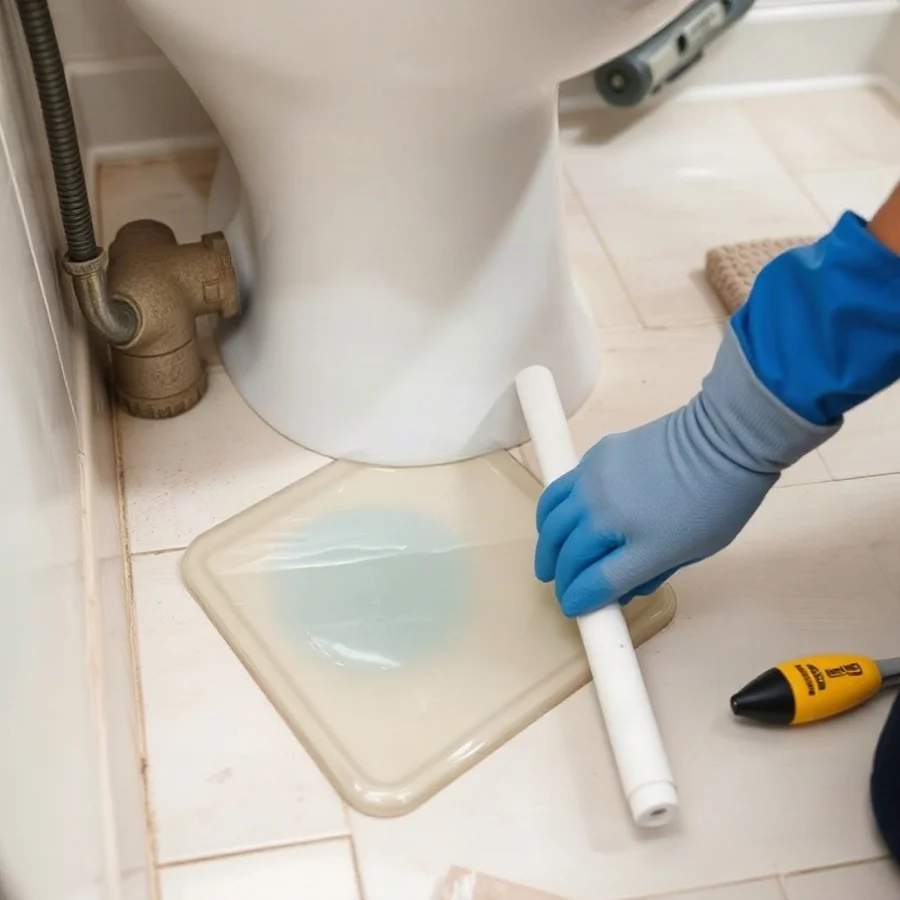
For more troubleshooting guidance, see why a toilet may be leaking around the base.
Safe Checks Homeowners Can Perform
Before arranging service, you can use a few simple checks to gather useful information. These checks should not involve removing the toilet, entering a crawl space with standing water, or handling sewage.
- Dry the area. Wipe the floor and the outside of the toilet base with paper towels. Remove bath mats and nearby items that could hold water.
- Check the supply connection. Look at the shutoff valve, supply line, and connection beneath the tank. If these parts are wet, the leak may be above the wax ring.
- Check the tank and bowl. Look for cracks, condensation, or water running down from the tank bolts. A cracked porcelain fixture should not be used until it has been assessed.
- Observe a flush. With the area dry, flush once and watch for new moisture at the base. Avoid repeated flushing if a large leak appears.
- Check for movement. Gently test whether the toilet rocks. Do not force it from side to side or tighten the mounting nuts beyond light hand pressure.
If water is spreading quickly, the toilet is overflowing, sewage is present, or the floor feels unstable, close the toilet shutoff valve if it operates normally and contact a qualified local professional. Wear gloves when cleaning contaminated water, keep children and pets away, and do not mix cleaning chemicals.
Wax Ring Repair Options
Replace the wax ring
The standard repair involves shutting off and disconnecting the water supply, draining and removing the toilet, scraping away the old seal, inspecting the flange, installing a new seal, and resetting the toilet. The toilet must sit evenly and remain stable when the mounting hardware is secured.
A replacement ring is not a lasting solution if the flange is loose, broken, too low, or improperly supported. The installer may need to correct the flange or use an appropriate sealing system for the specific floor and toilet configuration.
Repair or replace the flange
The closet flange can corrode, crack, separate from the drain connection, or become positioned too low after flooring changes. A plumber may use a suitable repair component or replace the damaged section. The correct approach depends on the flange material, drain arrangement, floor construction, and accessibility.
Stabilize the toilet
If the toilet rocks because the floor is uneven, the fixture may need careful shimming with an appropriate material after the seal is installed. Shims should not be used to hide a severely damaged floor or a loose flange. A toilet that continues to move can cause another leak.
Repair damaged flooring
If water has reached the subfloor, replacing the wax ring alone may not solve the problem. The affected flooring may need to be dried, opened for inspection, repaired, or replaced. The longer the leak continues, the greater the chance of swelling, staining, odor, or deterioration in nearby materials.
When a New Wax Ring Is Not Enough
A professional inspection is especially important when the toilet has leaked for an unknown period, the bathroom floor is soft, the toilet moves significantly, or there is a ceiling stain below. These conditions may point to structural or concealed damage rather than a simple seal replacement.
Professional help is also appropriate if the toilet drain is blocked, wastewater has backed up, multiple fixtures are draining slowly, or the problem may involve the main sewer line. Sewage exposure should be treated as a sanitation concern. For broader toilet problems, you can review the services listed under toilet repair.
What Affects Toilet Wax Ring Repair Cost?
The price of this repair varies by location and by what the plumber finds after the toilet is removed. A simple seal replacement is usually less involved than a repair that includes a damaged flange, unstable flooring, or difficult access. Because local labor rates and service practices differ, a written estimate is more useful than relying on a single general price.
- Access and removal: A heavy, tightly secured, or difficult-to-access toilet may require more labor to remove and reset safely.
- Flange condition: A broken or corroded flange can require additional parts and repair time.
- Floor damage: Swollen flooring or a weakened subfloor can turn a seal replacement into a larger bathroom repair.
- Toilet condition: A cracked bowl, damaged mounting area, or unstable fixture may justify replacement instead of reinstalling the toilet.
- Drain or sewer problems: A backup or recurring blockage may require diagnosis beyond the toilet connection.
- Service timing and location: Labor rates, travel policies, and after-hours terms vary among local companies. Ask what is included before approving work.
Ask whether the estimate covers toilet removal and resetting, the replacement seal, flange inspection, cleanup, disposal, and any recommended flooring work. Also ask what happens if hidden damage is discovered. A reputable plumber should explain the reason for each recommended repair rather than treating every leak as an automatic toilet replacement.
Repair or Replace the Toilet?
Replacing the wax ring is often reasonable when the porcelain is intact, the toilet flushes properly, and the flange and floor can support a stable installation. Replacement may make more sense when the toilet is cracked, repeatedly clogs, rocks because of a damaged base, or has other defects that would make reinstalling it unreliable.
Do not choose a replacement based only on appearance. The new fixture must fit the existing drain location, supply connection, bathroom layout, and available space. A plumber can identify compatibility issues before the old toilet is removed.
How to Choose the Right Plumber
Look for a local plumbing professional who regularly handles toilet leaks and can inspect the flange and flooring, not just swap the visible seal. Before scheduling, ask these practical questions:
- Will the toilet be removed so the flange and floor can be inspected?
- Will the estimate separate the basic seal replacement from possible additional repairs?
- How will the plumber check whether the toilet is stable after it is reset?
- What cleanup is included if contaminated water is found?
- Can the company provide its business and professional information for your area?
For general guidance on comparing local service providers, use this guide to hiring a plumber. If the leak is causing active flooding or wastewater is entering the home, seek prompt qualified help through an appropriate emergency plumbing service.
How to Prevent Another Toilet Base Leak
Keep the toilet stable, avoid using it as a support or step, and address rocking as soon as it appears. Check the supply connection periodically for drips, and respond promptly to slow flushing, recurring clogs, or moisture around the base. Do not rely on caulk to conceal an active leak or stabilize a toilet with a damaged flange.
The most important step is early diagnosis. A small amount of water after a flush can indicate a failed seal, but it can also be the first visible sign of damage below the fixture. Dry the area, limit use if wastewater is involved, and have a qualified local plumber inspect the connection when the cause is not clear.
Comments
0No comments yet. Be the first to share a helpful note or question.
Leave a Comment
Your email address will not be published. Comments are reviewed before appearing on the site.