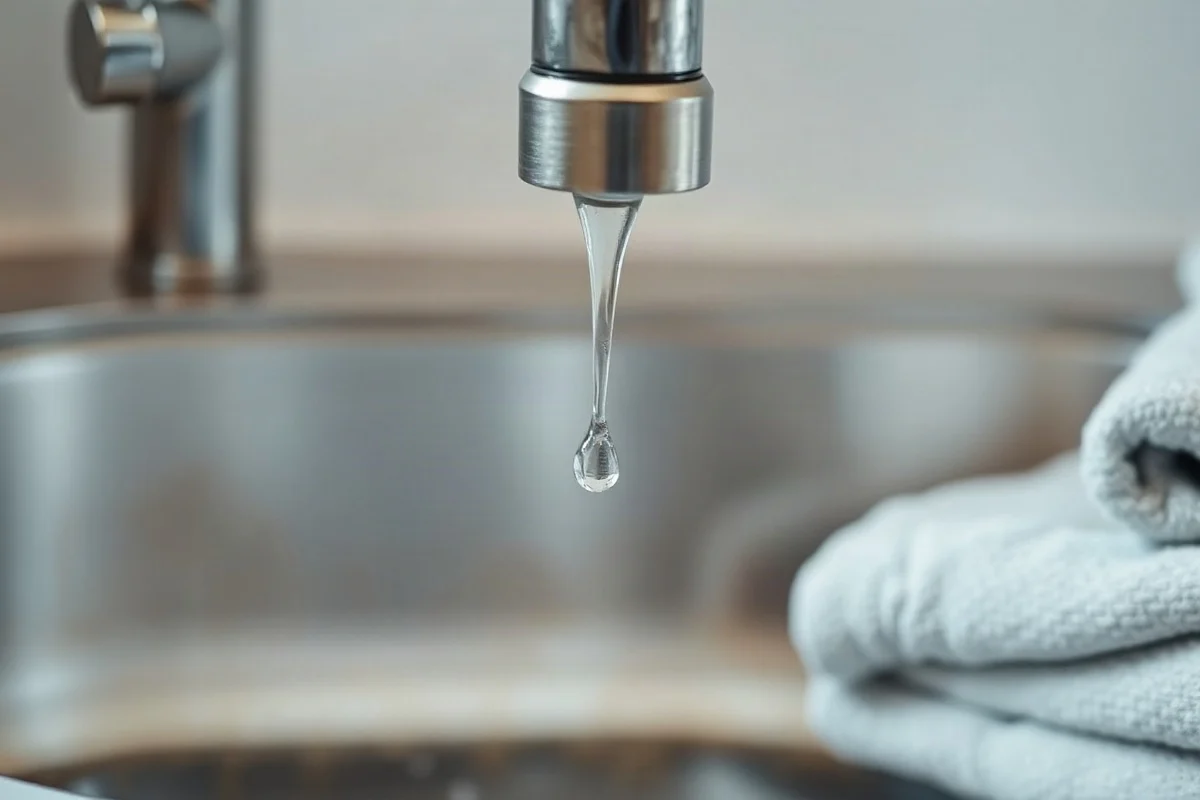
The cost to repair a leaking faucet depends on the leak’s cause, faucet design, replacement parts, labor, access, and whether the fixture can be repaired reliably. A loose connection or worn seal may require a relatively simple service, while corrosion, damaged valves, hard-to-find parts, or water damage beneath the sink can make the job more involved. Because local labor rates and service charges vary, the most dependable way to price the work is to have a qualified plumber identify the source and provide a written estimate before repairs begin.
A faucet that drips or leaks should not be ignored. Even a small leak can waste water, stain a sink or countertop, damage cabinetry, and create conditions for mold or deterioration. The first step is to determine where the water is coming from and whether the issue is safe to check without disassembling the fixture.
What Usually Causes a Leaking Faucet?
Faucets contain several seals, valves, cartridges, and threaded connections. Over time, these components can wear out or become affected by mineral buildup. The visible symptom often provides a useful clue, but it does not always identify the failed part with certainty.
Water dripping from the spout
A faucet that continues to drip after the handle is turned off commonly has a worn cartridge, valve seat, washer, or internal seal. The correct repair depends on the faucet style. Compression faucets often use washers, while many single-handle faucets use cartridges or ceramic valve assemblies. Replacing the wrong part can cause continued leaking or damage the fixture.
Water leaking around the handle
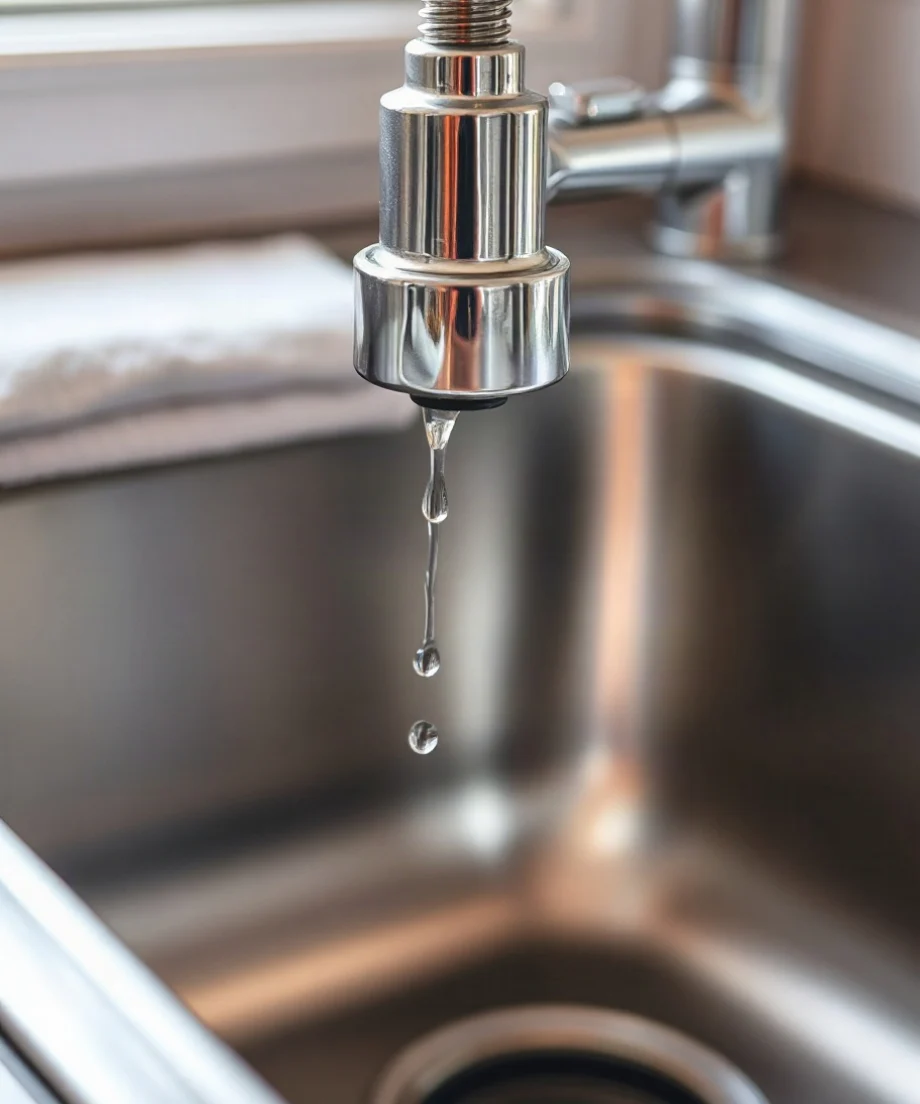
Moisture around a handle may indicate a worn O-ring, cartridge seal, retaining component, or loose connection inside the faucet body. Water can also travel along the fixture, making the leak appear farther from its actual source. The handle may need to be removed to diagnose the problem, and that step can be risky if the fastener is corroded or the fixture is difficult to access.
Water pooling around the faucet base
A leak at the base may result from a failed gasket, loose mounting hardware, deteriorated seals, or water splashing around the fixture during normal use. In a bathroom, a faucet that leaks at the base can allow water into the cabinet or countertop area. Read more about this symptom in this guide to a bathroom faucet leaking at the base.
Water leaking under the sink
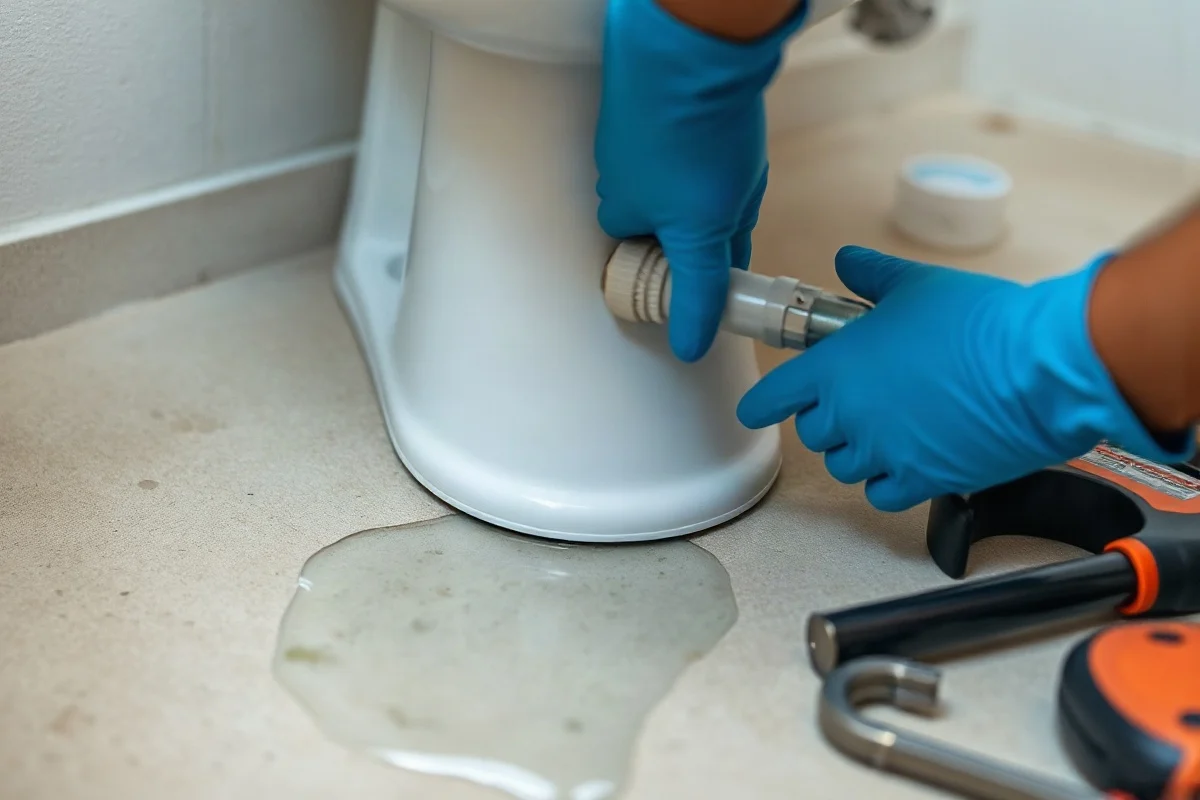
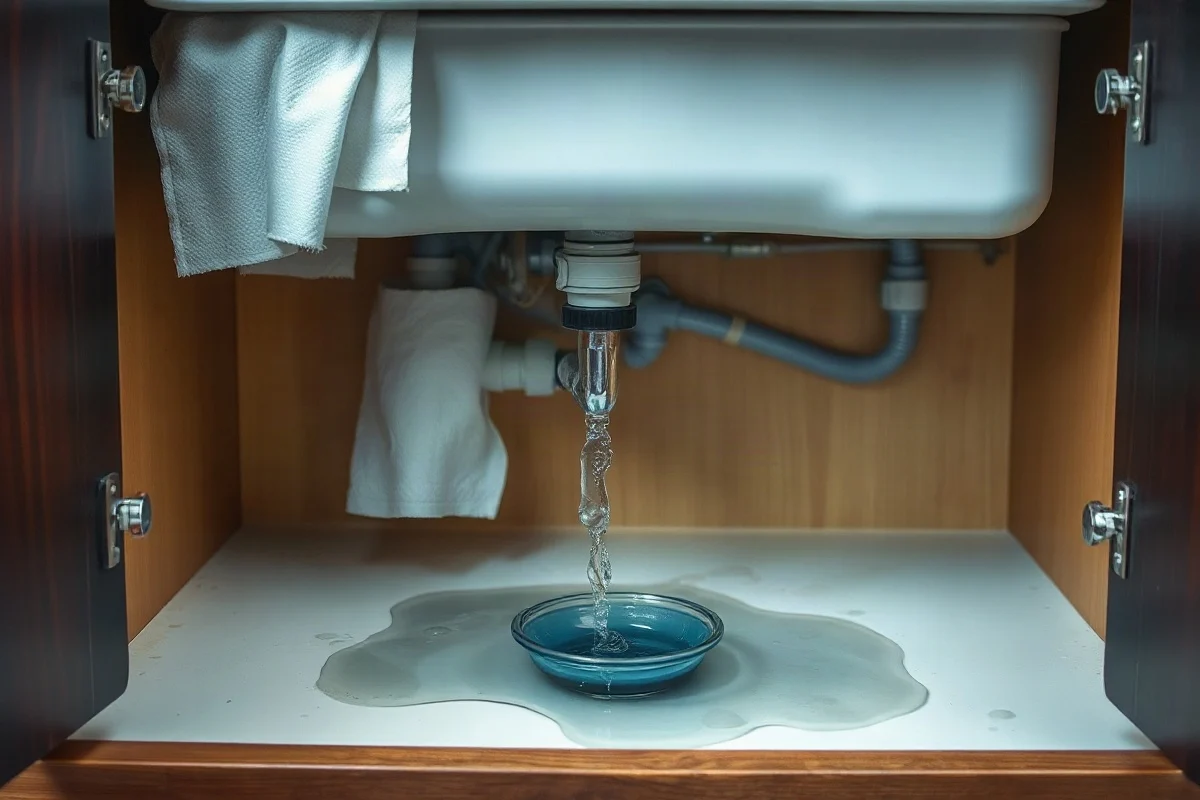
Water beneath the sink may come from supply connections, shutoff valves, flexible hoses, the faucet mounting area, or the drain assembly rather than the faucet itself. Wipe every connection dry, place a container or towel underneath, and observe where fresh water first appears. If the leak is active, spreading, or damaging the cabinet, shut off the local water supply if you can do so safely and arrange professional help.
Safe Checks a Homeowner Can Make
Some basic observations are low risk and can help a plumber diagnose the problem. Before checking, clear items from beneath the sink and keep the area dry to reduce slipping and cabinet damage.
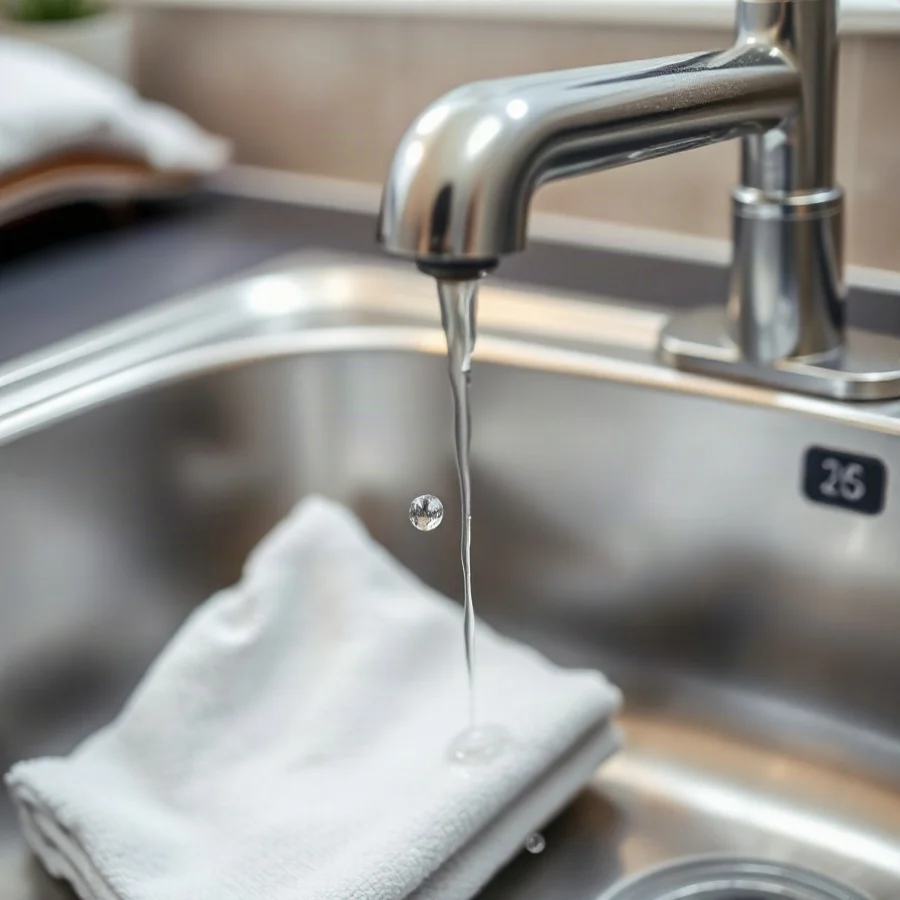
- Confirm whether the water comes from the spout, handle, faucet base, supply line, shutoff valve, or drain.
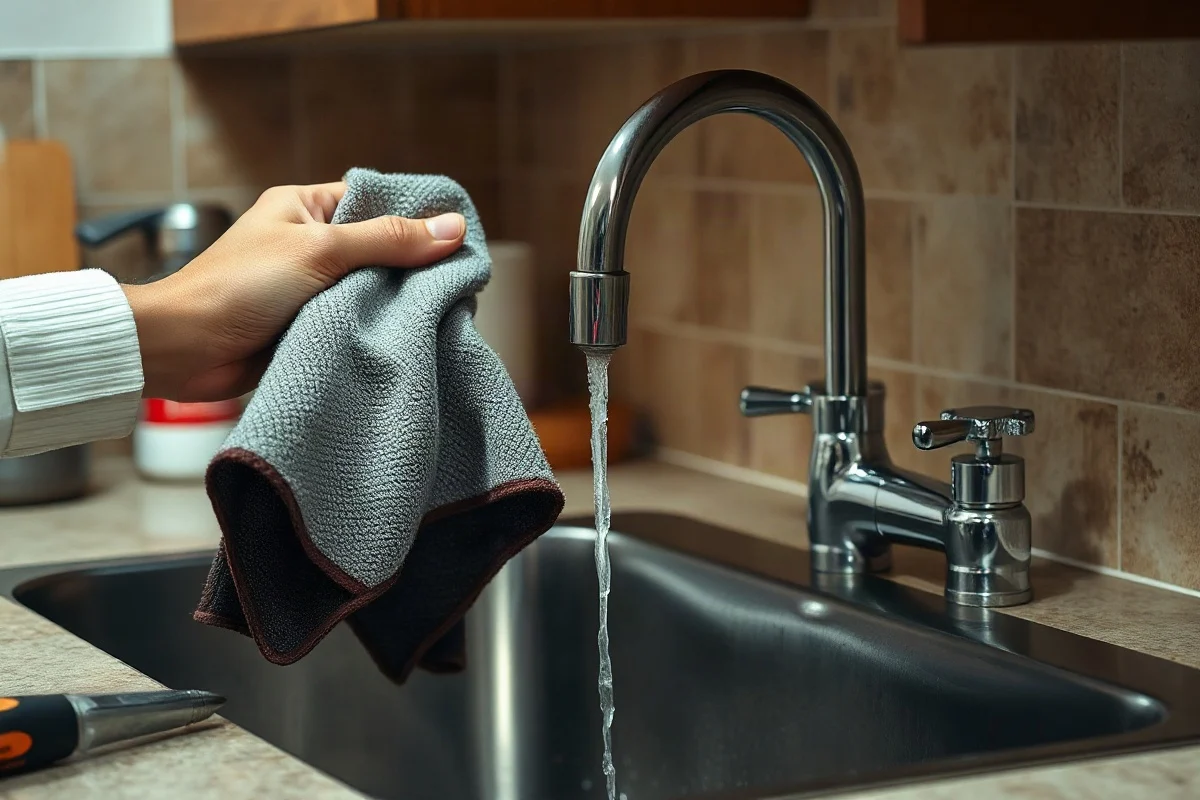
- Dry the faucet and surrounding area with a cloth, then watch for the first place where new moisture appears.
- Make sure the handle is fully closed without forcing it. Excessive force can damage internal components.
- Look for mineral deposits, visible corrosion, cracked hoses, loose mounting hardware, or damaged cabinet material.
- Check whether the leak occurs only while the faucet is running or continues when it is turned off.
- If safe and accessible, turn the small shutoff valves under the sink clockwise to stop water flow during an active leak. Do not force a valve that is stuck or heavily corroded.
These checks should not include cutting pipes, removing a cartridge without the correct replacement, disturbing corroded fittings, or working on electrical equipment near standing water. If the shutoff valve will not close, the leak is concealed, or water is reaching an outlet or appliance, use a qualified local professional.
When a Faucet Repair Is Appropriate
Repair is often reasonable when the faucet body is in good condition and replacement parts are available. A plumber may replace a cartridge, washer, O-ring, gasket, aerator, valve assembly, or supply connection. The repair may be straightforward when the fixture is accessible and the internal parts are not seized by corrosion or mineral buildup.
Repair can also preserve a faucet that matches the sink or countertop, which may be useful when replacing the entire fixture would require changes to the mounting holes or supply connections. A professional can confirm the faucet model and select compatible parts rather than relying on an uncertain visual match.
When Replacement May Be the Better Choice
Replacing the faucet may make more sense when the fixture body is cracked, badly corroded, leaking in multiple locations, or no longer supported with readily available parts. Very old or heavily worn faucets may require repeated repairs, and labor spent disassembling a damaged fixture can affect the overall value of repair.
Replacement may also be practical if the faucet has poor clearance, difficult-to-use handles, or a design that makes routine maintenance unnecessarily difficult. However, a new faucet still needs correct installation. The sink configuration, mounting surface, supply connections, and available space all matter.
Ask the plumber to compare the repair and replacement options. A useful estimate should explain the suspected failure, the proposed work, the parts involved, and what is included if additional damage is found after disassembly.
What Affects the Cost to Repair a Leaking Faucet?
Several factors influence the final charge, so a price quoted for one home may not apply to another.
Type and design of the faucet
Single-handle, double-handle, pull-down, pull-out, widespread, centerset, wall-mounted, and specialty faucets use different components and require different installation methods. A fixture with limited access beneath the sink may take longer to service than one with an open cabinet and easily reached connections.
Part availability
Common replacement seals and cartridges may be easier to source than parts for discontinued or specialty fixtures. If the exact component is unavailable, a plumber may recommend replacing the faucet rather than installing an uncertain substitute.
Corrosion and mineral buildup
Corroded fasteners and fittings can make removal difficult. Mineral deposits may cause parts to seize or prevent new seals from seating correctly. Additional time may be needed to protect the sink, remove damaged components, or replace connections that cannot be reused safely.
Access and related damage
A cramped cabinet, built-in storage, stone countertop, or wall-mounted faucet can increase the difficulty of the work. If water has damaged the cabinet, countertop, flooring, or wall, the plumbing repair may address the leak but not the separate restoration work.
Service timing and visit charges
Plumbing companies structure charges differently. Some may include a diagnostic or trip charge, while others may quote labor and materials separately or apply a minimum service charge. Ask how the company calculates the visit, whether diagnosis is included, and whether you must approve additional work before it begins. For an active leak that threatens property, consult an emergency plumbing service rather than waiting for damage to spread.
Questions to Ask Before Hiring a Plumber
A clear conversation before the appointment can prevent surprises and help you compare estimates fairly. Ask:
- What is the likely source of the leak?
- Do you recommend repairing the existing faucet or replacing it, and why?
- Are labor, parts, diagnosis, and removal of the old fixture included?
- Will you contact me before performing work beyond the approved estimate?
- What happens if the shutoff valve or supply connection is corroded?
- Can you identify the faucet model or confirm that the proposed part is compatible?
- What payment terms and documentation will be provided?
Choose a plumber who communicates clearly, explains the work in understandable terms, and is willing to document the proposed repair. Check local requirements for licensing and insurance yourself because rules differ by location. Do not rely on vague promises, pressure to approve unnecessary work, or an estimate that does not identify what is included.
When a Leaking Faucet Is More Than a Faucet Problem
Call a qualified local professional promptly if water is entering a wall, ceiling, floor, or electrical area; if sewage or contaminated water is present; if the leak has caused major flooding; or if you cannot safely shut off the supply. Hidden leaks may require specialized detection and can cause structural damage before the visible symptom becomes severe. Electrical hazards around water should be treated seriously, and you should not touch wet electrical equipment.
If the faucet is connected to a larger plumbing failure, such as a damaged pipe or failed shutoff valve, the repair may need to extend beyond the fixture. For broader leak symptoms, review the available leak repair resources and arrange an inspection.
How to Limit Damage While Waiting for Service
Remove items from the cabinet, place a shallow container or towels beneath the leak, and keep the area ventilated. If the local shutoff works without force, close it. If it does not work, use the home’s main water shutoff only if you know its location and can operate it safely. Do not use the faucet until the source has been addressed.
Record when the leak occurs and take clear photos of the fixture and affected area. This information can help the plumber distinguish between a spout leak, a supply leak, and water that is escaping around the base. Prompt attention usually makes it easier to limit secondary damage and decide whether a focused repair or full replacement is the more sensible option.
Comments
0No comments yet. Be the first to share a helpful note or question.
Leave a Comment
Your email address will not be published. Comments are reviewed before appearing on the site.