
A home sewer line carries wastewater from toilets, sinks, showers, tubs, laundry equipment, and other fixtures out of the house to a public sewer main or a private septic system. Drainpipes inside the home connect to a larger building sewer, which usually runs underground through the yard to the connection point. Gravity does most of the work, although some properties need a sewage ejector pump or lift station when the plumbing is below the main sewer level.
Because the sewer line is mostly buried and carries contaminated water, problems can be difficult to see at first. Slow drains, repeated backups, sewage odors, and wet areas in the yard may point to a blockage or damaged pipe. A homeowner can perform a few low-risk checks, but digging, opening a contaminated line, using aggressive equipment, or repairing underground piping should be left to a qualified local professional.
The Main Parts of a Residential Sewer System
A home sewer system has several connected sections. Understanding their roles makes it easier to identify where a problem may be occurring.
Fixture drains and branch lines
Each plumbing fixture has a trap and drain connection. The trap holds water that helps block sewer gases from entering the home. Smaller branch drainpipes carry wastewater from individual fixtures to larger drainpipes.
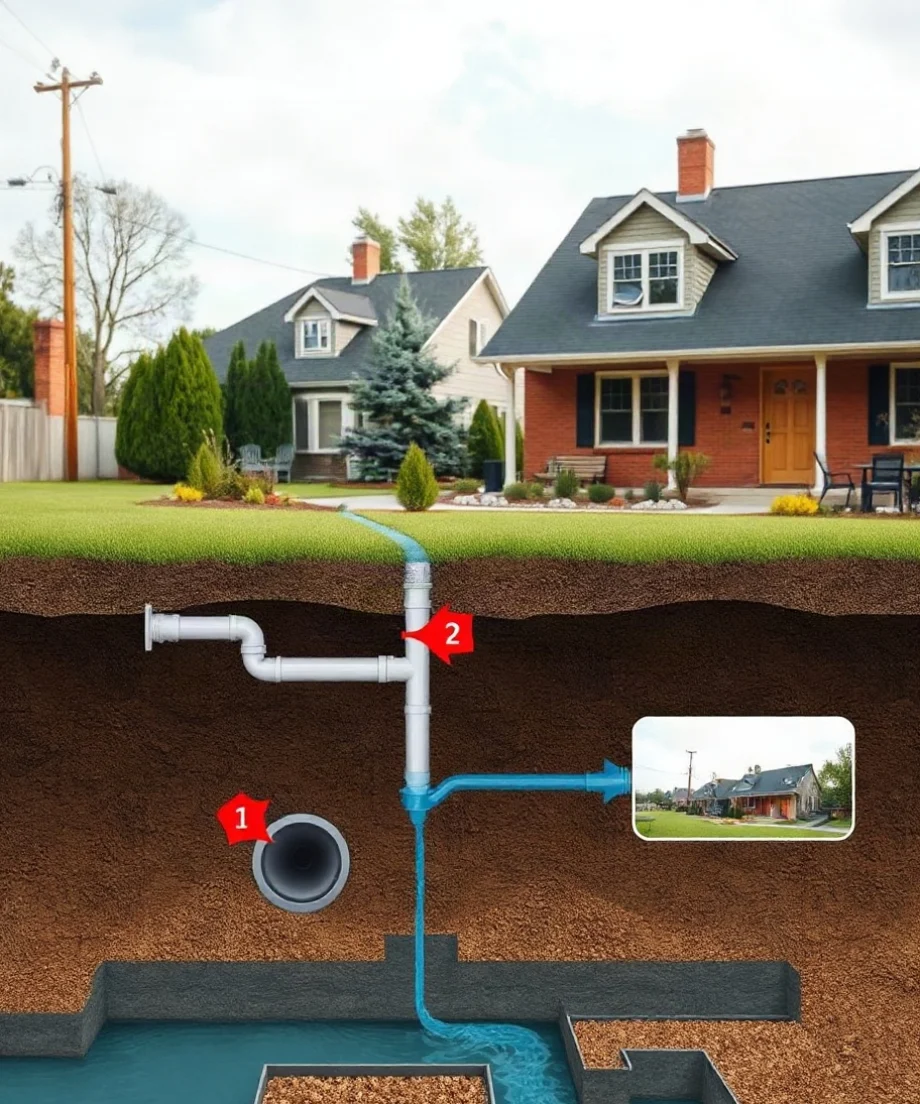
The main building drain
Branch lines join the home’s main building drain. This larger pipe collects wastewater from multiple fixtures and directs it toward the foundation wall or the point where the pipe leaves the building.
The building sewer
The building sewer is the underground section between the home and the public sewer connection or septic tank. Depending on the property, it may run beneath a basement, crawl space, slab, driveway, lawn, or landscaping. Its condition is affected by soil movement, tree roots, age, installation quality, and the type of pipe used.
The public sewer or septic system
In a municipal sewer area, the building sewer connects to a public sewer main. The main carries wastewater away for treatment. In a rural or semi-rural property, the building sewer may discharge into a septic tank, where solids settle and liquid wastewater moves to a drainfield. A septic system has different maintenance needs and should be evaluated by an appropriately qualified professional when it is backing up or showing signs of failure.
How Wastewater Moves Through the Line
When a toilet is flushed or a faucet drains, wastewater enters the fixture drain and travels through the branch piping. Properly installed drainage piping is arranged with a gradual slope so gravity can move water and suspended waste toward the main building drain. Vent pipes allow air into the drainage system and help stabilize pressure. Without adequate venting, drains may gurgle, empty slowly, or pull water out of traps.
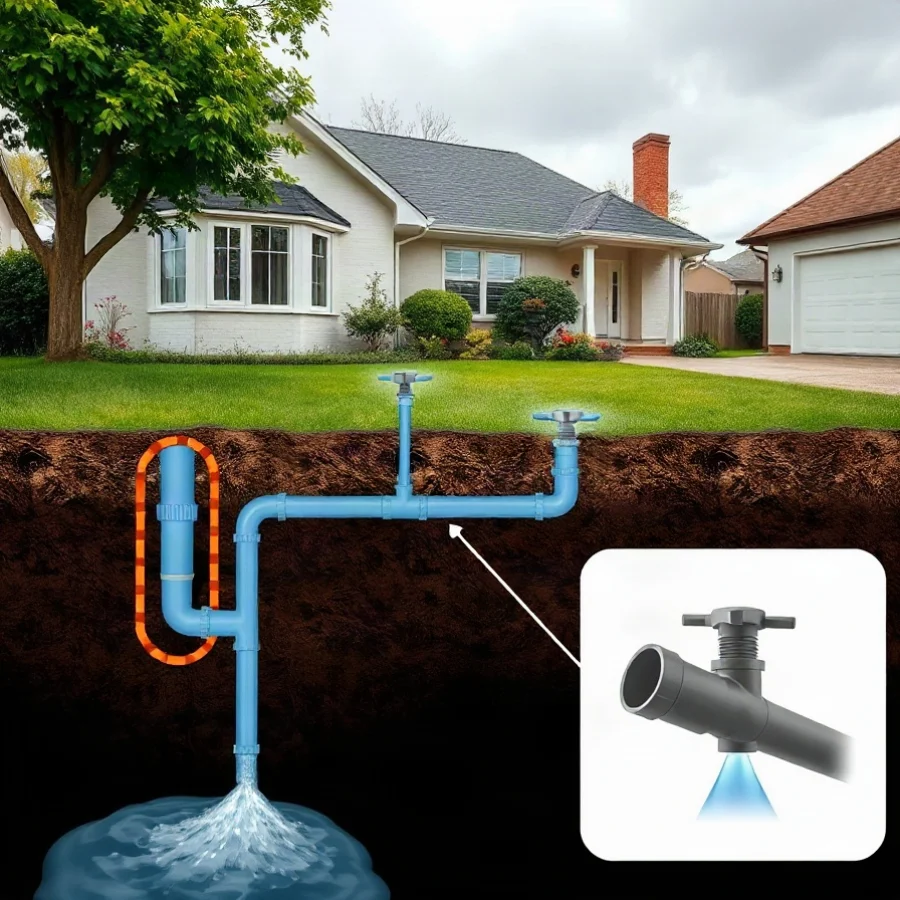
Wastewater then travels through the building sewer to the public main or septic tank. The line is not designed to carry everything that can fit down a drain. Grease, wipes, paper towels, feminine hygiene products, construction debris, toys, and other items can collect inside the pipe or create a blockage farther downstream.
Some homes cannot rely entirely on gravity. If a bathroom, basement laundry area, or other fixture sits below the level of the sewer connection, wastewater may flow into a sealed basin and be lifted by a sewage ejector pump. A pump failure can cause a rapid backup, so these systems need proper equipment, maintenance, and professional service when electrical or sewage-related problems occur.
Common Sewer Line Problems
Several different conditions can produce similar symptoms. A single slow sink does not automatically mean the buried sewer line has failed, while multiple fixtures backing up at once deserves more attention.
Blockages and buildup
Grease, accumulated waste, roots, scale, and foreign objects can reduce the usable opening inside a sewer pipe. A partial blockage may cause intermittent symptoms. The plumbing may work normally for a while and then back up when several fixtures discharge at the same time.
Tree root intrusion
Roots can enter through joints, cracks, or deteriorated sections of pipe. They may catch paper and waste, creating repeated blockages. Root intrusion often returns after temporary cleaning because the underlying opening remains in the pipe.
Cracked, collapsed, or displaced pipe
Ground movement, corrosion, heavy loads, poor bedding, and age can damage underground piping. A cracked or collapsed section may restrict flow, allow soil into the line, or leak wastewater into the surrounding ground. A separated joint can also create a void beneath a lawn, walkway, or driveway.
Low spots and poor drainage conditions
A section of sewer pipe that settles can form a low spot where wastewater and solids collect. This condition may cause recurring backups even after cleaning. It usually requires an inspection before anyone can recommend a lasting repair.
Ventilation or indoor drain problems
Gurgling, slow drainage, or sewer odors can sometimes originate in a blocked vent or a local drain rather than the buried sewer line. A plumbing professional can distinguish these possibilities by checking the pattern of symptoms and testing the system.
Warning Signs of a Sewer Line Issue
- Several fixtures drain slowly or back up at the same time.
- Flushing a toilet causes water to rise in a tub, shower, or floor drain.
- Drains make repeated gurgling or bubbling sounds.
- Sewage odors come from drains, the basement, crawl space, or yard.
- A toilet or drain backup returns after plunging or basic cleaning.
- Unusually wet, sunken, or unusually green areas appear along the sewer route.
- Wastewater backs up through a floor drain or lower-level fixture.
A single clogged sink may be a localized drain issue, while multiple affected fixtures suggest a blockage or restriction farther downstream. For related troubleshooting, see this guide to professional drain cleaning.
Safe Checks Homeowners Can Perform
Homeowners can gather useful information without opening the sewer line or handling sewage. First, note which fixtures are affected and whether they are on the same floor or in different parts of the house. Check whether the problem occurs only when a large amount of water is used, such as during laundry or repeated toilet flushing.
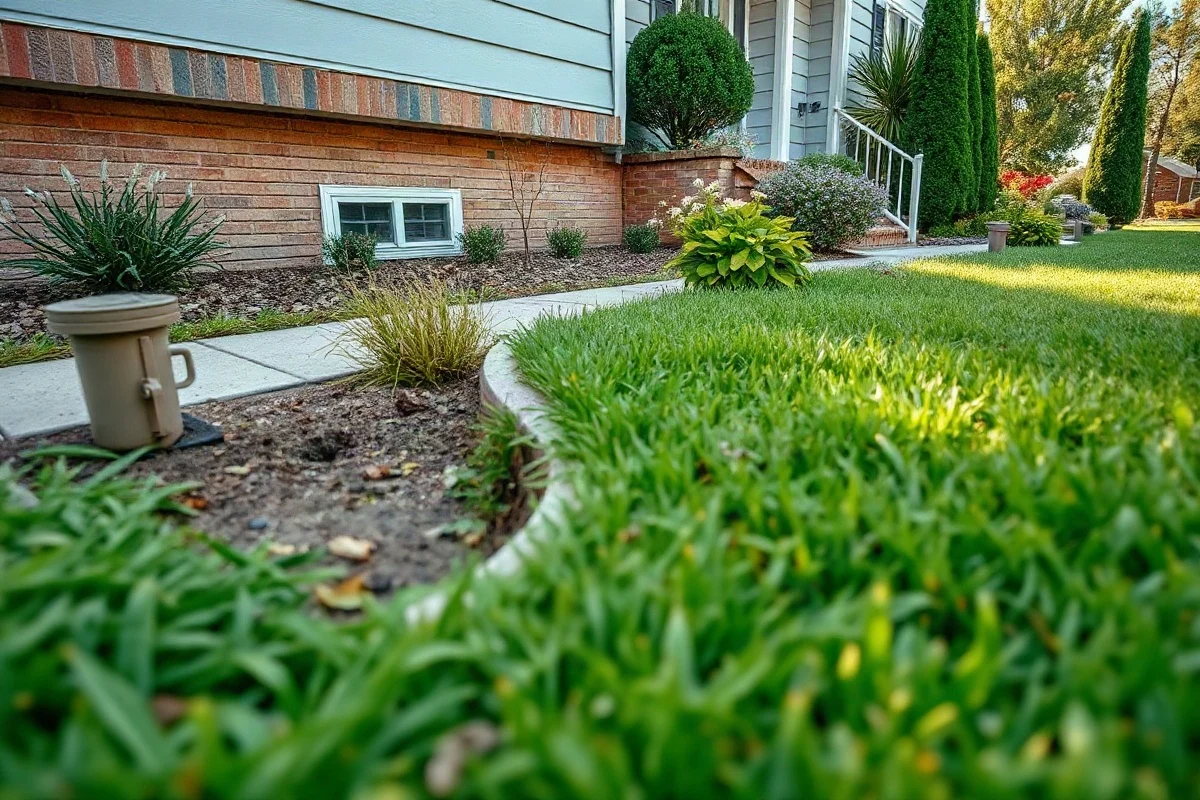
If one fixture is slow, a plunger suited to that fixture may be reasonable. Remove visible hair or debris from a sink or shower strainer, and check whether a cleanout cap or floor drain area shows obvious standing water. Do not remove a cleanout cap if wastewater is pressing against it, because the contents may discharge suddenly.
Avoid mixing chemical drain cleaners. These products can create hazardous fumes, damage some plumbing materials, and leave caustic liquid in the pipe for anyone who later works on it. Do not enter a sewer pit, septic tank, crawl space with sewage contamination, or excavation. If sewage has entered the home, keep people and pets away from the area and contact a qualified local professional.
What Requires Professional Diagnosis
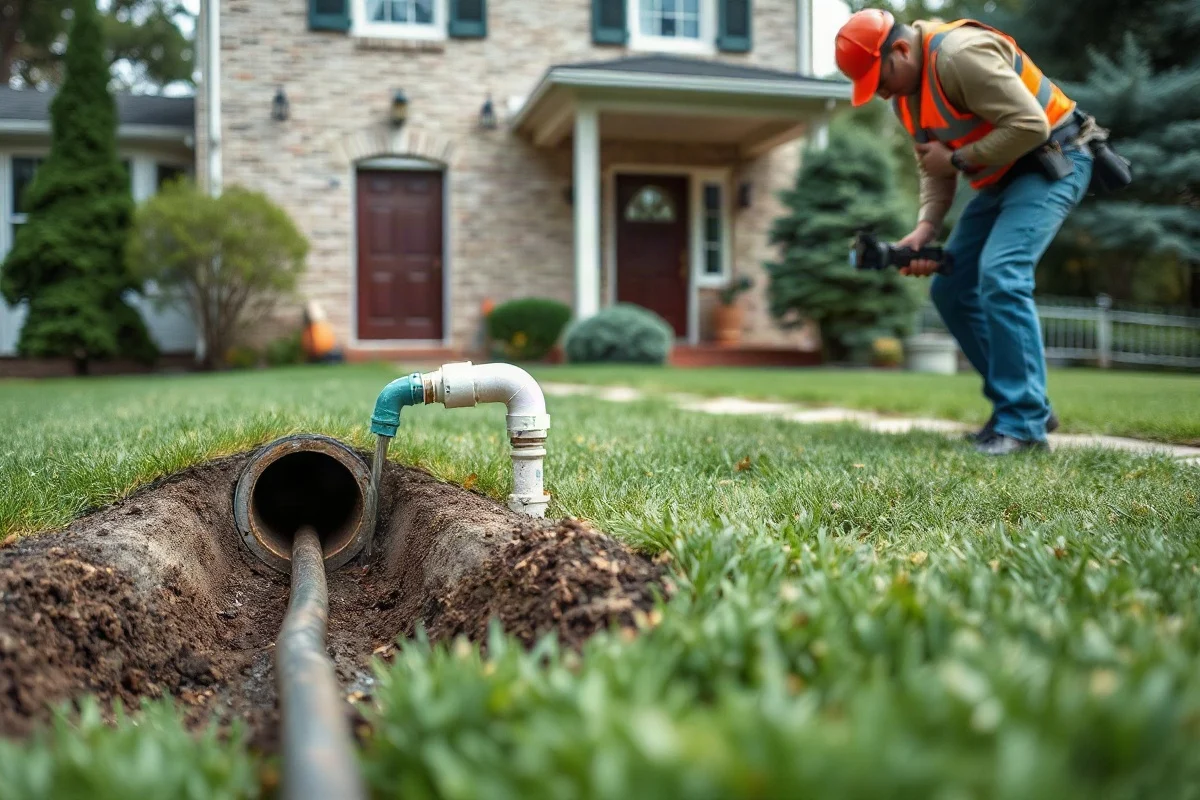
A licensed or otherwise qualified local plumber should evaluate recurring backups, multiple slow fixtures, suspected pipe damage, sewage exposure, or any issue involving an underground sewer connection. The professional may inspect accessible cleanouts, test drainage, use a camera, or locate the path and depth of the line. A drain camera inspection can help show roots, cracks, offsets, buildup, or a collapsed section without immediately excavating the entire route.
Camera findings are useful, but the inspection should be interpreted in context. A small defect may not explain every symptom, and the recommended repair depends on the pipe’s material, location, condition, access, and surrounding structures. Ask the plumber to explain where the defect is, how severe it appears, and whether the camera reached the public connection or stopped at an obstruction.
Repair, Cleaning, or Replacement?
Cleaning may be appropriate when the pipe is structurally sound and the problem is caused by grease, waste, roots, or other removable buildup. Mechanical cable equipment or water-based cleaning may be considered based on the pipe condition and the type of obstruction. Methods such as hydro jetting should be selected by a professional because high-pressure equipment can be unsuitable for fragile or severely damaged piping. Learn more about the process in this overview of hydro jetting.
Repair may be more suitable when damage is limited to a specific section. Depending on access and site conditions, a professional may discuss targeted excavation, a trenchless method, or another approved approach. Replacement becomes more likely when the line has extensive damage, repeated failures, severe collapse, or a condition that cannot be reliably corrected by cleaning.
Do not choose a replacement solely because a line has one blockage, and do not assume cleaning is a permanent solution when a camera shows a structural defect. Request a clear explanation of the evidence and compare the expected durability, disruption, and maintenance needs of each option.
What Affects Sewer Line Repair Cost?
Sewer work varies significantly from one property to another, so a reliable quote requires more than a symptom description. Important cost factors can include the length and depth of the affected section, pipe material, access, soil conditions, landscaping, concrete or driveway removal, the severity of the damage, disposal needs, equipment, and whether pumping or restoration is necessary.
Inspection and cleaning are different services from repair or replacement. Ask whether the estimate includes diagnosis, locating the defect, labor, equipment, restoration, and any follow-up work. You can use this general plumbing cost guide to understand why plumbing prices vary, but local conditions and the actual inspection should control the decision.
How to Choose the Right Sewer Line Professional
Look for a local plumbing company with relevant experience in sewer diagnosis and underground repairs. Ask who will perform the work, what inspection method will be used, and whether the company can provide a written scope of work. Confirm that the contractor carries appropriate insurance and meets the licensing or qualification requirements that apply in your area; these requirements vary by location and should be verified with the proper local authority.
Be cautious of recommendations for full replacement made without a clear inspection or explanation. A trustworthy professional should identify the suspected location, describe the available options, disclose limitations, and explain what is included in the proposal. For help comparing service providers, review these tips for hiring a plumber.
When a Sewer Backup Is an Emergency
Contact qualified local help promptly when sewage is backing up into the home, wastewater is spreading, a basement is flooding, or several fixtures are unusable. Shut off water use in the house while waiting for instructions. Keep children and pets away from contaminated water, avoid contact with sewage, and do not use electrical equipment in a wet area. Major flooding, sewage exposure, concealed leaks, and work involving excavation or public connections are not safe do-it-yourself projects.
A home sewer line works as part of a connected drainage and venting system: fixtures discharge into branch drains, those drains join the main building drain, and the building sewer carries wastewater to a public sewer or septic system. Recognizing the difference between a local clog and a system-wide problem can help you respond quickly, but a lasting solution depends on accurate diagnosis. When symptoms recur or sewage is involved, professional inspection is the safest way to determine whether cleaning, repair, or replacement is appropriate.
Comments
0No comments yet. Be the first to share a helpful note or question.
Leave a Comment
Your email address will not be published. Comments are reviewed before appearing on the site.