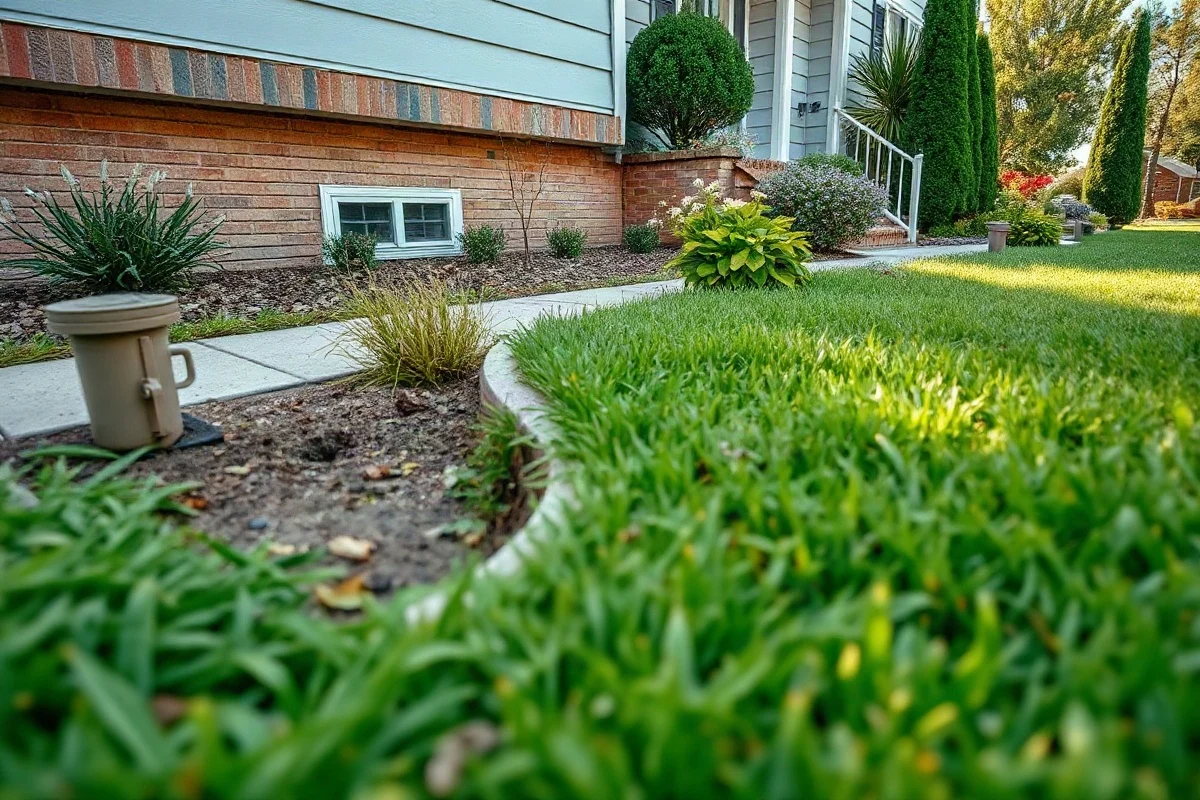
The sewer cleanout is usually located along the main sewer line between your house and the street, often near the front foundation, in the yard, or close to a property line. It may also be found in a basement, crawl space, garage, or utility area. Look for a round or square capped pipe that sits slightly above ground or flush with a floor. The exact location varies by the home’s age, layout, local installation practices, and whether the property has had sewer work in the past.
A cleanout provides access to the building sewer so a plumber can inspect, clear, or service a blockage without removing a toilet or opening a wall. Finding it can save time during a drainage emergency, but opening an unknown cap can expose you to sewage, pressure, or damaged fittings. Homeowners can perform a careful visual search, but sewage-related work and difficult or buried cleanouts should be handled by a qualified local professional.
What a Sewer Cleanout Looks Like
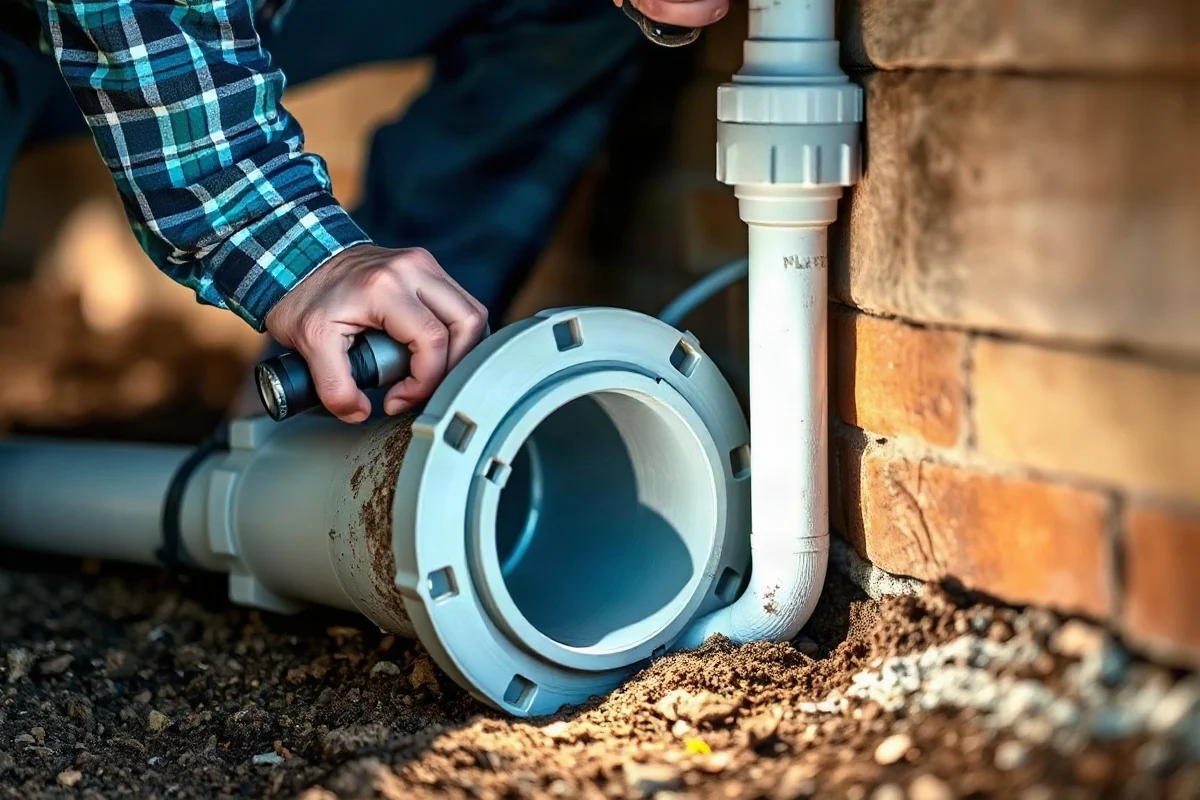
Most residential cleanouts have a removable cap attached to a short section of drain pipe. Common caps are made of plastic, metal, or cast iron. They may be black, white, green, gray, or covered with dirt and grass. Some have a raised square nut in the center, while others have a large threaded cap with no obvious handle.
A cleanout is different from a water shutoff valve. A water shutoff controls pressurized water and is often located near the water meter or where the supply line enters the home. A sewer cleanout is part of the drainage system and normally does not have a lever-style handle. It may be labeled “sewer,” “cleanout,” or “CO,” although many are not labeled at all.
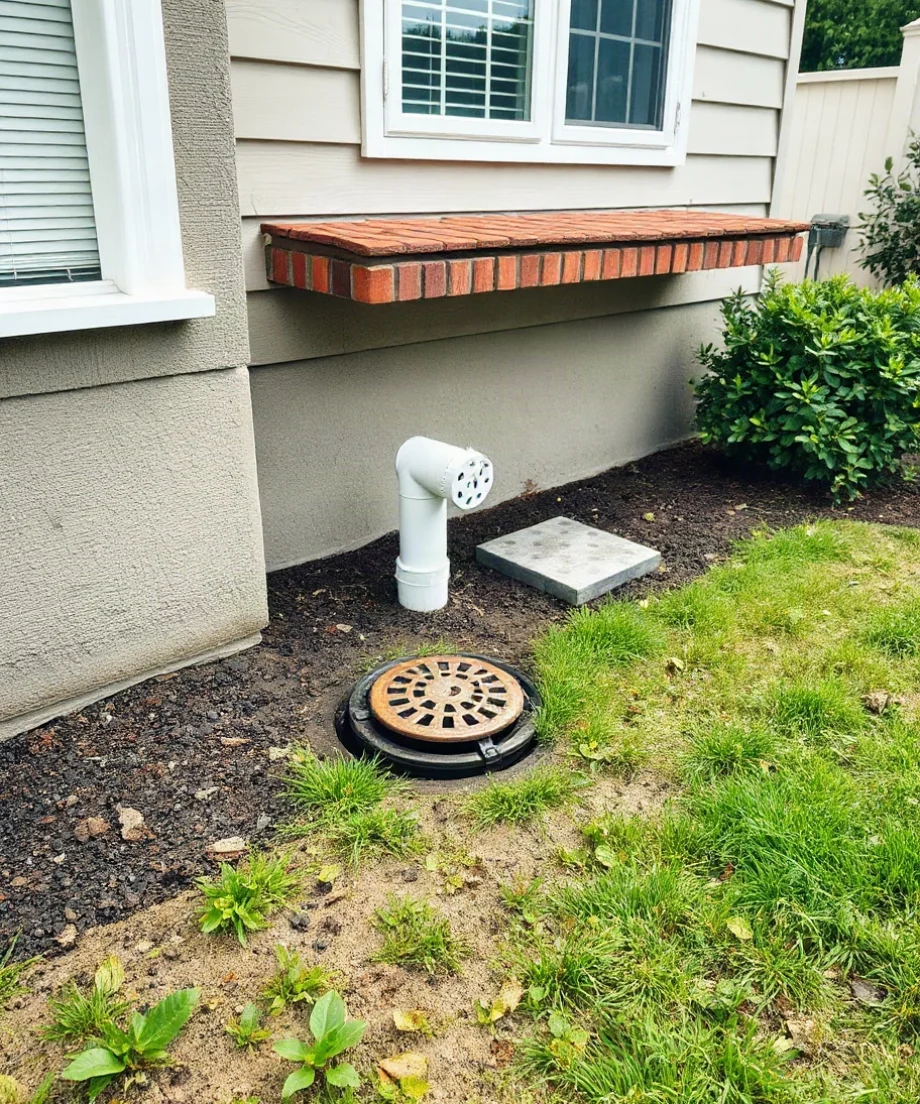
Common Places to Look
Near the front foundation
Start by checking the exterior wall facing the street. Many homes have a cleanout a few feet from the foundation, especially where the main drain leaves the building. Look along the ground near basement walls, crawl-space access areas, and utility penetrations. In some homes, the cap may be under mulch, landscaping, or a removable cover.
Between the house and the street
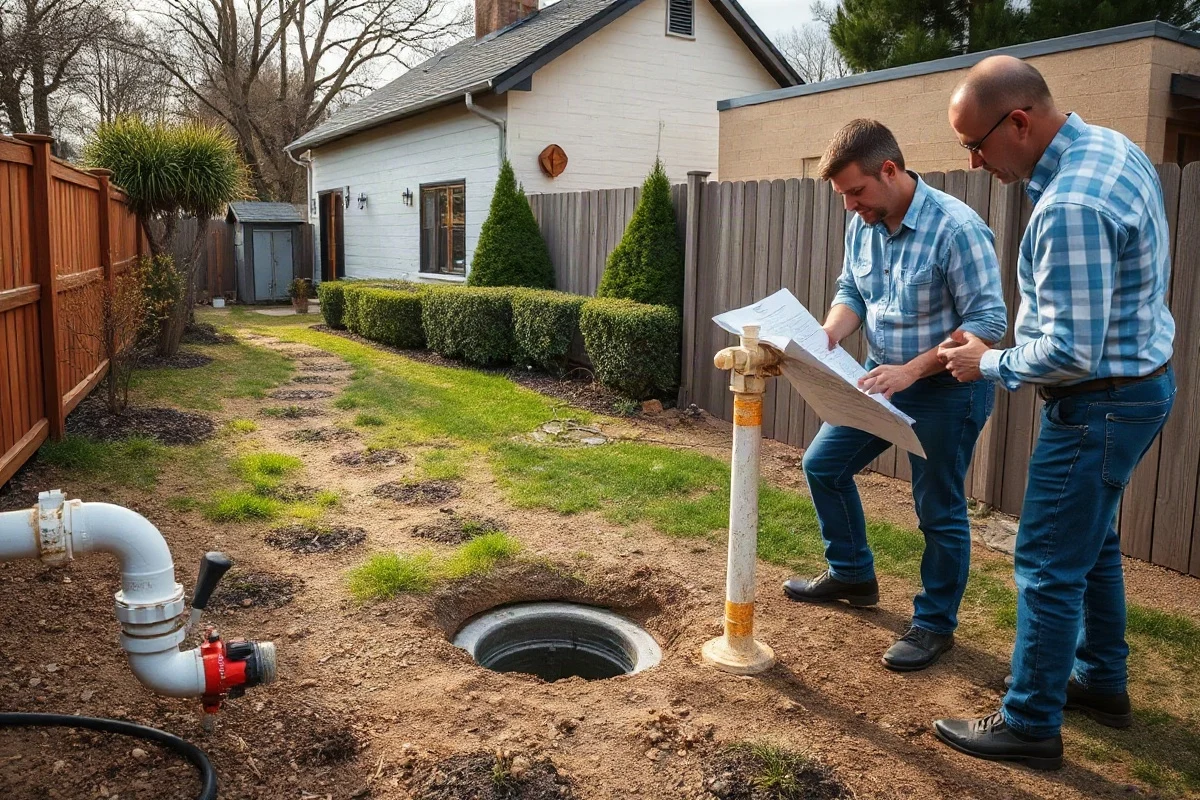
The main sewer line often runs from the home toward a municipal sewer connection or private septic system. A cleanout may be installed somewhere along this route. Check for a capped pipe in the lawn, garden bed, side yard, or driveway area. Do not assume that the nearest visible cap is a sewer cleanout; irrigation, electrical, and other utility features can look similar.
In a basement or crawl space
Older homes and properties with complicated drain layouts may have an indoor cleanout. Look near the point where the main drain exits through a foundation wall, beneath a utility sink, or close to a floor drain. In a crawl space, the cleanout may be located on a larger horizontal drain line. Limited access, standing water, or sewage odors are reasons to stop and call a professional.
In a garage, utility room, or floor
Some cleanouts are installed in garages, mechanical rooms, or unfinished utility spaces. A floor cleanout may appear as a metal or plastic cover set into concrete. If it is painted over, rusted, cracked, or surrounded by water, do not force it open. Damaging the cap or fitting can create a larger repair and may release contaminated water.
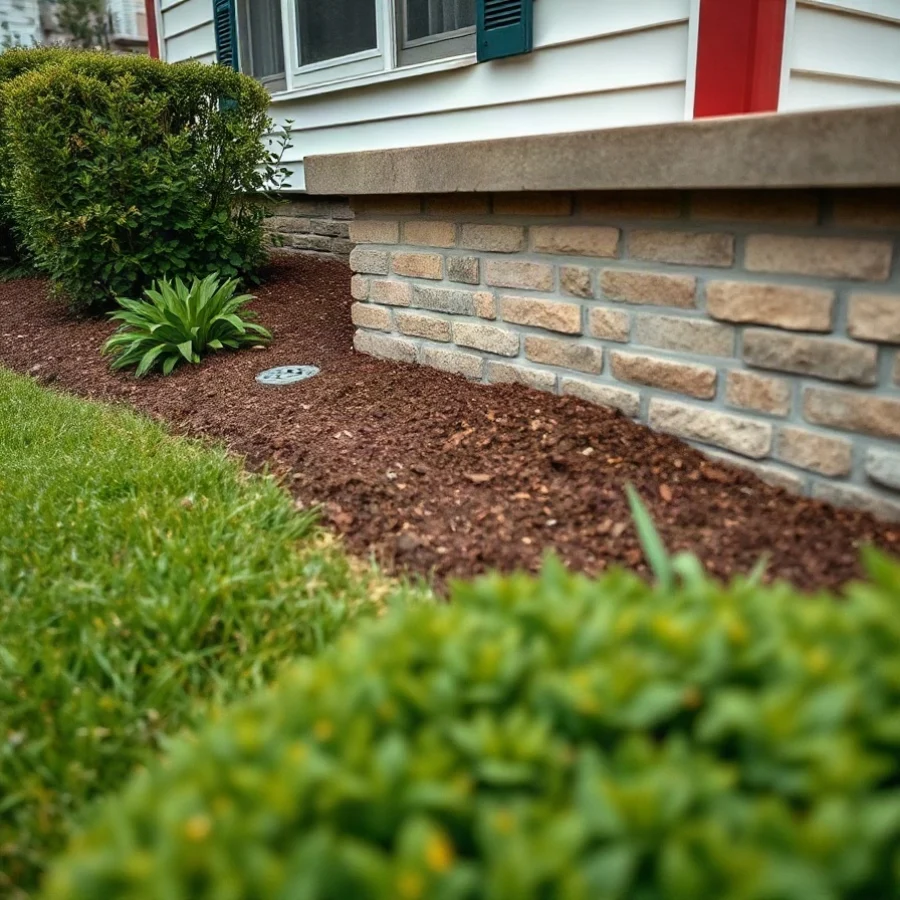
How to Find a Hidden Cleanout
Begin with your property records, inspection report, or documents from previous sewer work. These may show the approximate path of the building sewer and identify access points. If you recently bought the home, ask the previous owner or property manager whether they know where the cleanout is located.
Next, perform a visual inspection during daylight. Walk from the foundation toward the street or septic area and look for capped pipes, small access covers, unusual patches of grass, or shallow depressions. Do not dig near marked utilities or excavate based only on guesswork. Call the appropriate utility-locating service before digging, and follow any local process that applies to your property.
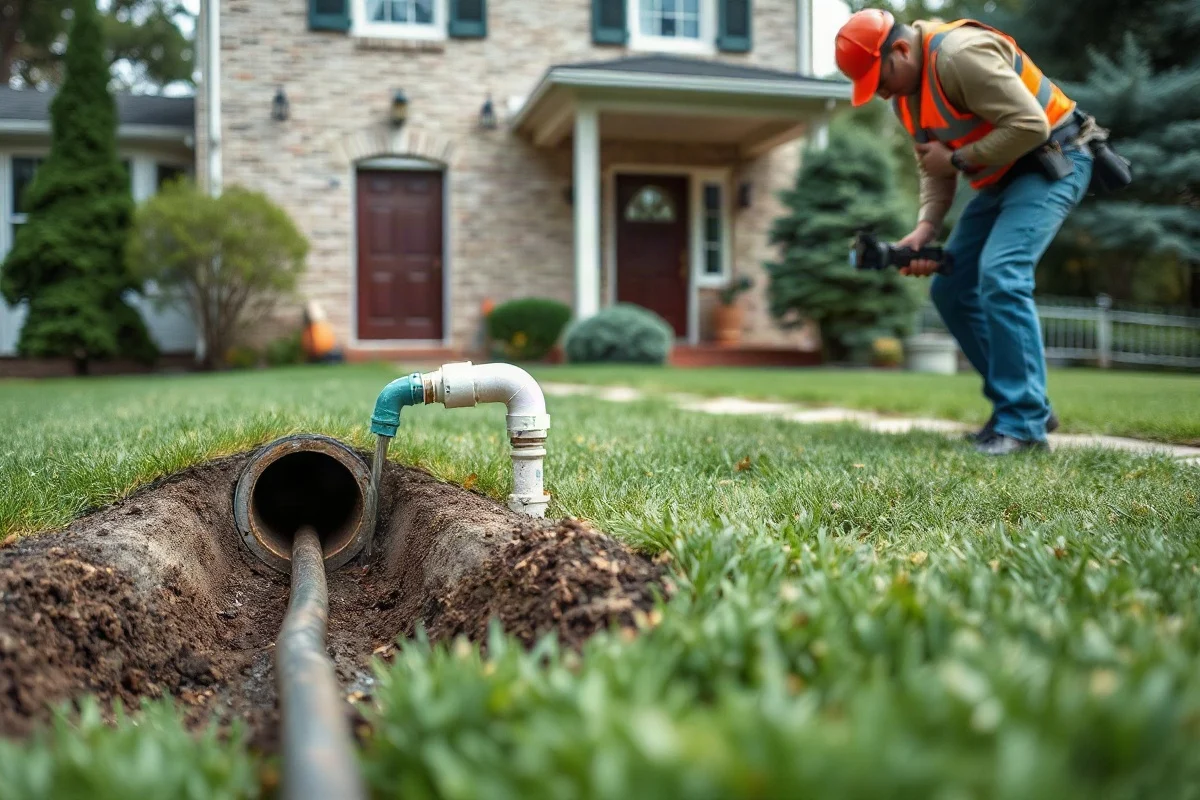
If the cleanout is buried, a plumber may locate it with specialized equipment or trace the sewer line using an inspection camera. A drain camera inspection can also help identify a blockage, damaged pipe, root intrusion, or a missing access point without unnecessary excavation.
Safe Homeowner Checks
There are a few low-risk checks you can make before calling for service:
- Look for visible caps around the foundation, yard, garage, basement, and crawl-space entrance.
- Take a clear photo of any suspected cleanout and note its location.
- Check whether several fixtures are draining slowly at the same time.
- Keep children and pets away from standing wastewater or an open drain area.
- Remove obvious leaves, soil, or loose mulch from around a cap without digging or applying force.
- Confirm whether the problem affects one fixture or the entire building.
Do not pour chemical drain cleaner into a system that may have a sewer-line blockage. Chemicals can remain in the pipe and injure anyone who later opens the cleanout or works on the drain. Avoid inserting rods, hoses, or improvised tools into the cleanout unless a qualified professional has instructed you to do so.
Should You Open the Sewer Cleanout?
In general, homeowners should not open a sewer cleanout when wastewater is backing up, the cap is damaged, or the fitting is under pressure. If sewage is present, there is a sanitation risk. A stuck cap may break, and a sudden release of wastewater can spread contamination across a basement, garage, or yard.
If multiple drains are slow, toilets gurgle, or wastewater rises from a floor drain, stop using plumbing fixtures and contact a qualified local plumber. These symptoms can indicate a blockage in the main building sewer rather than a simple sink or toilet clog. You can review sewer line repair information to understand the types of problems a professional may investigate.
For major flooding, sewage exposure, a collapsed drain, or wastewater near electrical equipment, keep people away from the area and seek professional help. Do not enter contaminated water or touch electrical equipment in a wet space. If the situation is actively damaging the home, use an emergency plumbing service or another qualified local provider that can assess the hazard.
What Problems Can a Cleanout Reveal?
The cleanout itself is only an access point; it does not necessarily identify the cause of a sewer problem. A blockage may come from grease, foreign objects, accumulated debris, roots, or a damaged section of pipe. In older systems, joints may shift or the pipe may crack, sag, or collapse. A private sewer line can also be affected by soil movement, construction, or improper previous repairs.
Slow drainage throughout the house suggests a main-line restriction, while one slow sink or shower may point to a fixture branch drain. Repeated backups after previous clearing are a reason to investigate further rather than repeatedly treating the symptoms. A camera inspection can help determine whether cleaning is enough or whether the pipe needs repair or replacement.
Repair or Replacement: What Determines the Decision?
A professional will typically consider the location, material, condition, and accessibility of the pipe. A localized obstruction may respond to mechanical cleaning. Roots or heavy buildup may require a more thorough cleaning method, but the appropriate approach depends on the pipe’s condition. Aggressive equipment can be unsuitable for a fragile or severely damaged line.
If the pipe is cracked, collapsed, badly offset, or repeatedly failing, repair or replacement may be more appropriate than another cleaning. The best option can depend on whether the damaged section is beneath a lawn, driveway, foundation, street, or other structure. A camera inspection and clear explanation of the findings can help you compare options before authorizing excavation or trenchless work.
What Affects Sewer Cleanout and Sewer-Line Costs?
There is no single price for locating or servicing a cleanout. Cost factors can include the time needed to find the access point, whether the cap is buried or damaged, the severity and location of the blockage, the equipment required, and the condition of the sewer line.
Additional work may be needed if the cleanout is inaccessible, the pipe must be exposed, wastewater must be removed, or a camera inspection is recommended. Repairs beneath concrete, landscaping, driveways, or other structures can involve different restoration needs than repairs in an open yard. Ask for a written description of the suspected problem, the proposed work, any separate inspection or excavation charges, and what is included before work begins. For broader planning information, see the site’s guide to plumbing cost factors.
How to Choose the Right Plumber
Choose a plumber or sewer contractor with experience diagnosing residential sewer lines, not only clearing fixture-level clogs. Ask whether the company can locate buried cleanouts, perform a camera inspection, and explain repair choices. Confirm who will perform the work, what equipment may be used, and how the company documents pipe damage.
Before scheduling, describe the symptoms accurately: which fixtures are affected, when the problem began, whether sewage has surfaced, and whether the issue has happened before. Ask for an estimate or service explanation that separates diagnosis, cleaning, repair, excavation, and restoration when applicable. Avoid choosing a contractor solely because they promise a particular result without inspecting the line.
Keep the Cleanout Accessible
Once you find the cleanout, record its location with photos and measurements from permanent features such as the foundation or driveway. Keep grass, soil, mulch, and heavy landscaping from covering the cap. Do not build over it or place permanent structures where a plumber may need access. Check the cap visually from time to time for cracks, corrosion, or signs of wastewater leakage, but leave repairs to a qualified professional.
Knowing where the sewer cleanout is located can make a drainage emergency easier to explain and may reduce unnecessary searching. The safest approach is to identify the access point without forcing it open, limit water use when multiple drains are backing up, and call a qualified local plumber when sewage, buried piping, structural damage, or unsafe conditions are involved.
Comments
0No comments yet. Be the first to share a helpful note or question.
Leave a Comment
Your email address will not be published. Comments are reviewed before appearing on the site.