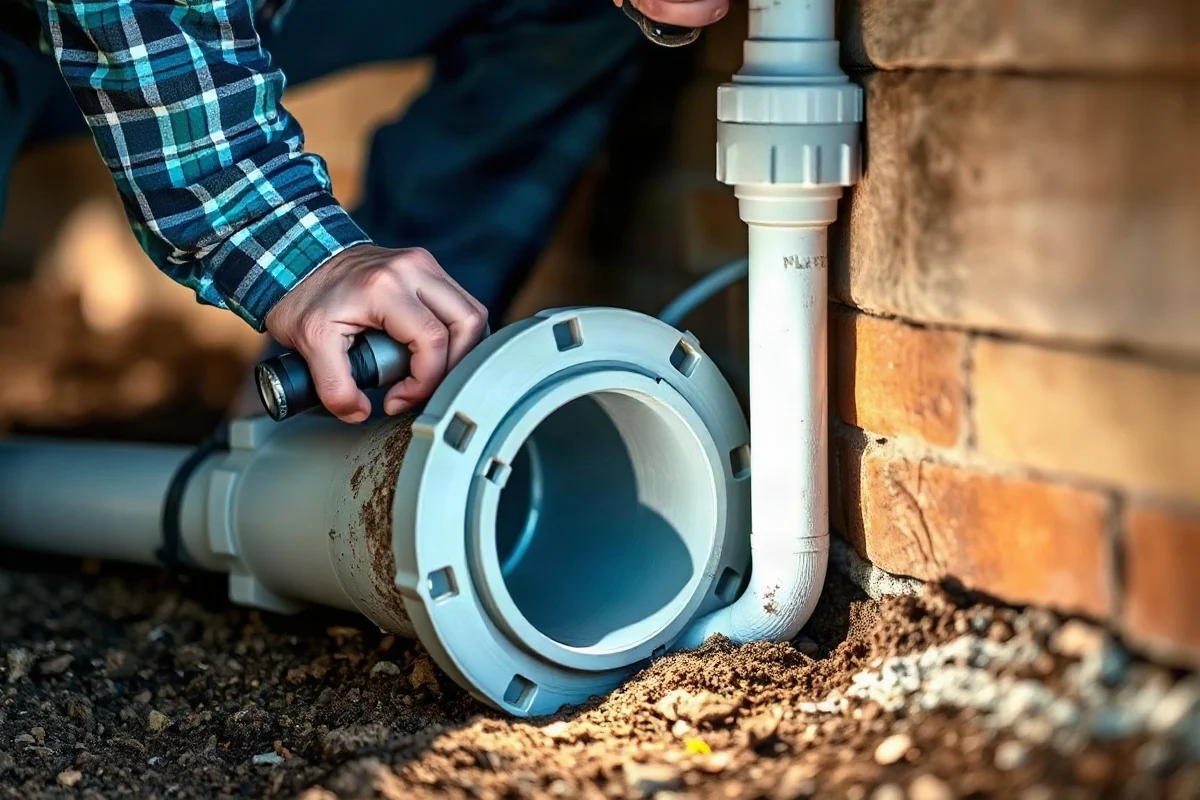
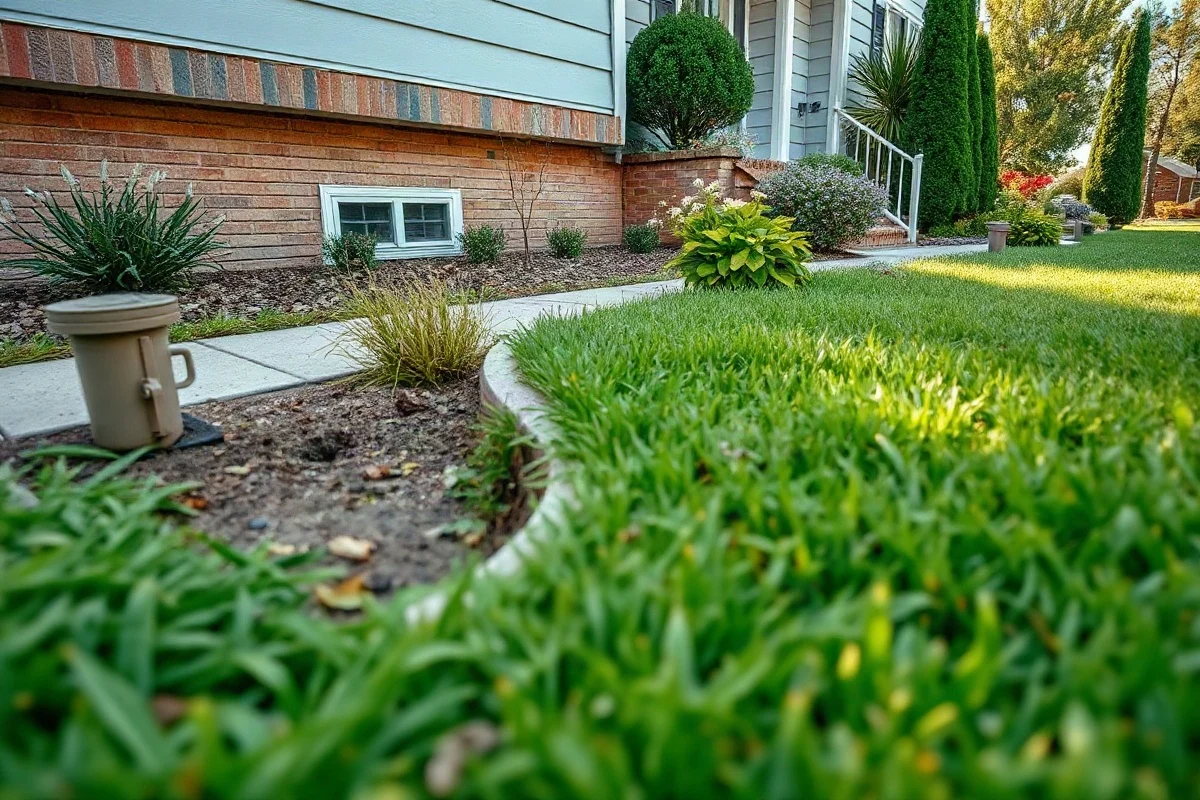
A sewer cleanout usually looks like a short, capped pipe connected to the main drain line, often found outside near the foundation, in a basement, crawl space, garage, or utility area. The cap may be round or square and can be made of plastic, metal, or another durable material. Some cleanouts sit nearly flush with the ground under a small cover, while others extend several inches above a floor or exterior surface.
Its purpose is to give a plumber access to the building sewer without removing a toilet or opening a wall. Through the cleanout, a professional can run a drain machine, camera, or other equipment to investigate blockages and sewer-line problems. Because wastewater may be under pressure behind the cap, homeowners should identify the fitting carefully and avoid opening it when sewage is backing up or the area is flooded.
What a sewer cleanout typically looks like
The most recognizable feature is a threaded cap or plug. The cap may have a raised square or hex-shaped nut in the center, or it may have molded tabs or a recessed shape intended for a special tool. A cleanout usually connects to a larger drain pipe than the smaller pipes serving individual sinks or showers.
Common appearances include:
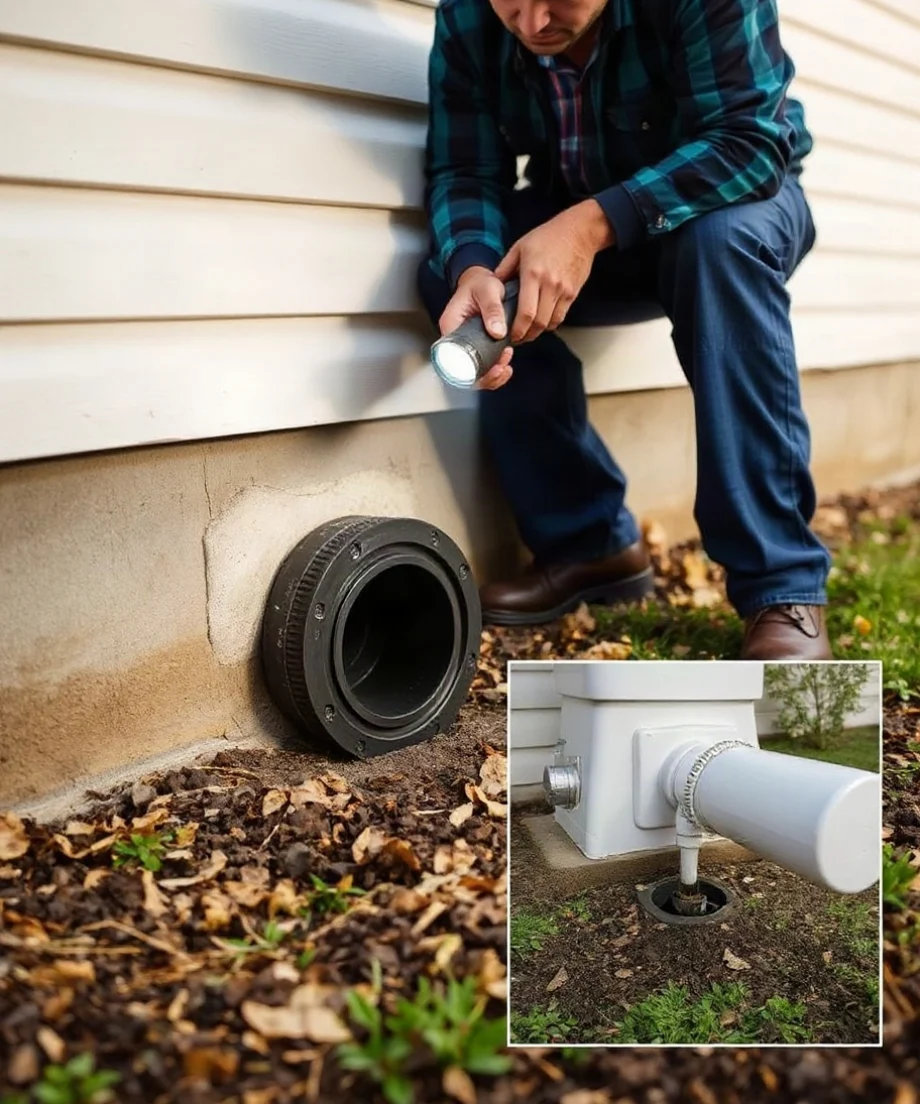
- A white, black, or green plastic pipe with a screw-on cap.
- A cast-iron or galvanized metal fitting with a large threaded plug.
- A pair of capped fittings installed near a basement wall or exterior foundation.
- A low, round access cover in a yard, driveway, sidewalk area, or floor.
- A cleanout hidden beneath a removable cover, soil, landscaping, or a finished surface.
The color and shape vary by age, location, material, and installation. A capped pipe is not automatically a sewer cleanout. It could be an access point for another drain, a vent-related fitting, a stormwater system, or an abandoned connection. The pipe's direction, size, location, and connection to the home's drainage system help determine its purpose.
Where to look for a sewer cleanout
There is no single location used in every home. Start by looking where the building drain is likely to leave the structure. In many properties, that means checking along the exterior foundation, especially near bathrooms, kitchens, or a basement wall. The cleanout may be close to ground level or covered by a small access box.
Inside the home, check unfinished areas such as a basement, crawl space, utility room, garage, or mechanical room. You may see a capped fitting in the floor or on a horizontal section of large drain pipe. Some homes have an interior cleanout and an exterior cleanout, while others have only one accessible point.
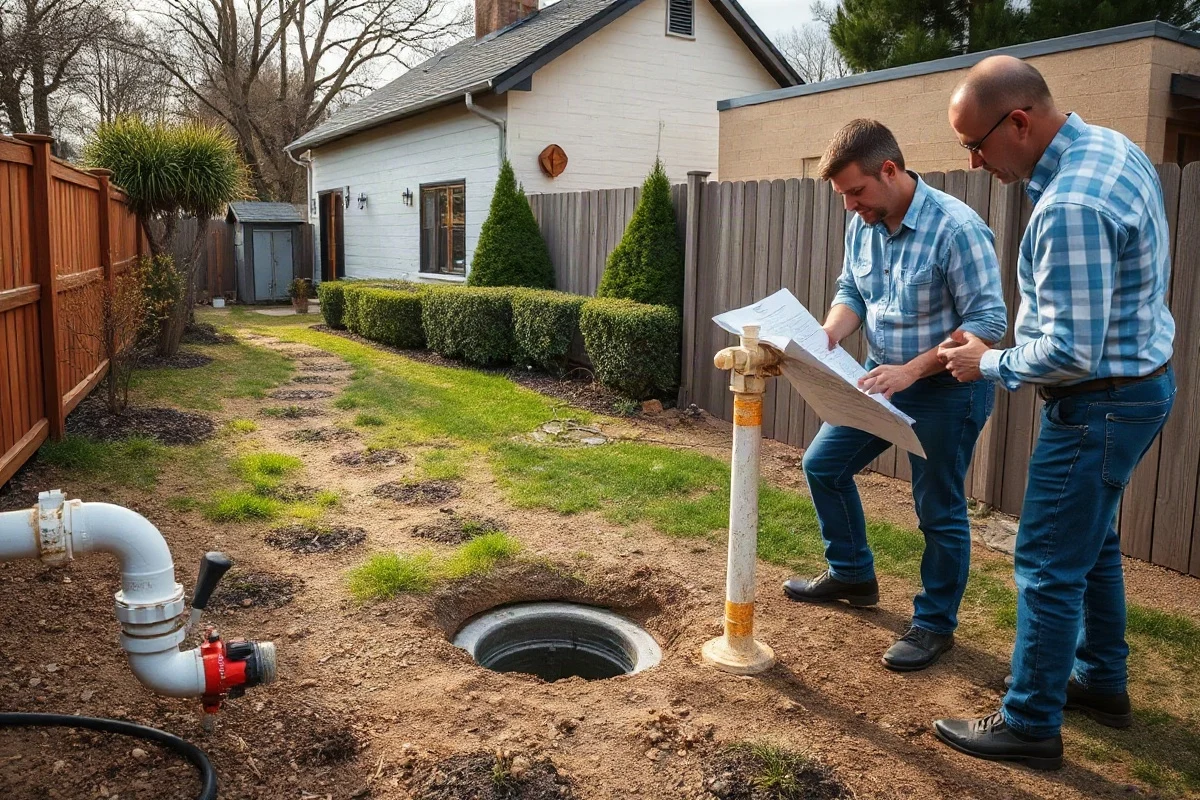
Older properties may be more difficult to inspect because a cleanout can be buried, painted over, concealed behind storage, or covered during remodeling. Landscaping, paving, flooring, and additions can also make the original access point difficult to find. If you suspect a cleanout is present but cannot locate it, a plumber can trace the drainage layout and use appropriate inspection equipment.
How a cleanout differs from other plumbing fittings
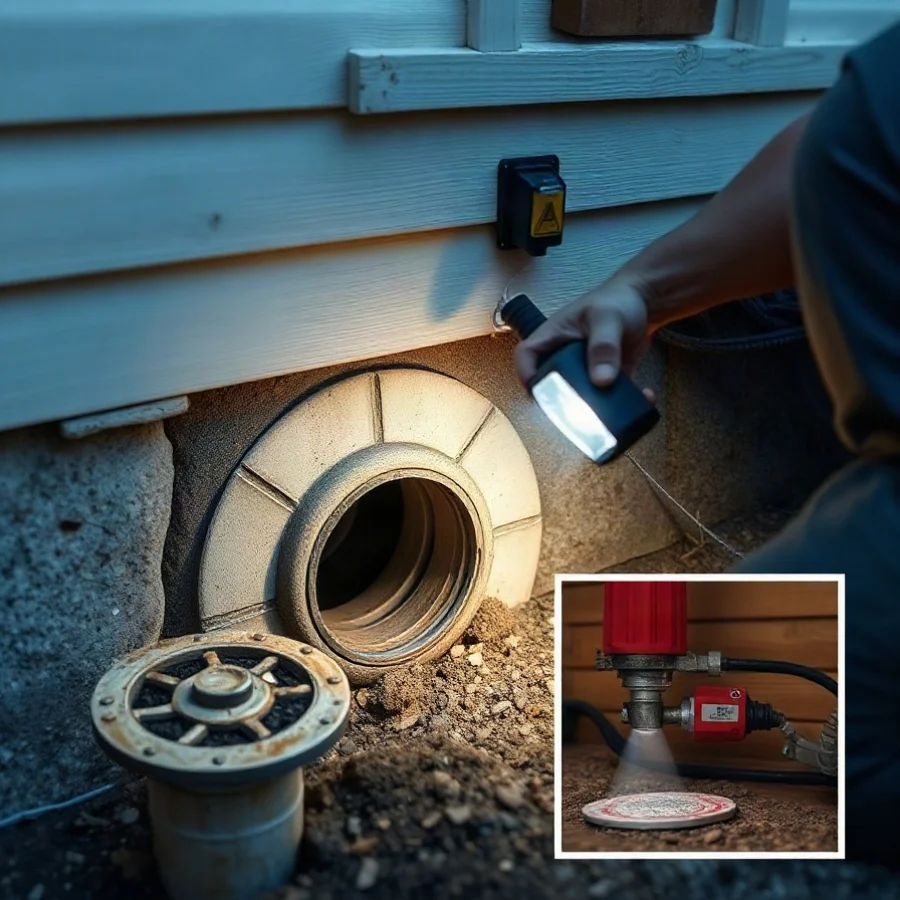
A cleanout generally has a removable cap and is installed to provide direct access to a drain or sewer pipe. A vent pipe, by contrast, normally extends upward through the roof and does not have a ground-level service cap. A water-supply shutoff may also have a handle or valve stem rather than a large threaded plug, and it is usually connected to a smaller pressurized water line.
Floor drains have an open grate, not a solid threaded cap. A sump pit usually has a basin or lid and may contain a pump and discharge pipe. Stormwater access points may look similar to sewer cleanouts, particularly outside, so identification should not rely on appearance alone.
Safe homeowner checks
Homeowners can usually perform a visual inspection if the area is dry, accessible, and free of sewage. Use a flashlight and look for a capped pipe, signs of leakage, a damaged cover, or soil and water collecting around an exterior fitting. Keep children and pets away from open excavations or damaged covers.
You can also note whether the cleanout is located near a suspected blockage and photograph the fitting for a plumber. Check whether fixtures are draining slowly, toilets are bubbling, or multiple drains are backing up. These observations can help distinguish a localized fixture clog from a problem in the main sewer line.
Do not force a stuck cap, strike it with a tool, drill into it, or remove it simply to see what is inside. Do not pour chemical drain cleaner into a cleanout. Chemical products can create a hazard for anyone who later opens the line and may damage some plumbing materials. If sewage is visible, the cap is bulging, the ground is saturated, or wastewater is backing up, leave the fitting closed and contact a qualified local professional.
When a sewer cleanout may indicate a problem
A cleanout itself is not usually the cause of a sewer backup. It is an access point that may reveal a problem elsewhere in the drainage system. Warning signs include:
- Several fixtures backing up at the same time.
- Toilets bubbling when a sink, tub, or washing machine drains.
- Repeated drain clogs that return after temporary clearing.
- Foul odors near the cleanout or inside the building.
- Wet, unusually green, sunken, or muddy areas along the sewer route.
- Water or sewage escaping around the cleanout cap.
- Slow drainage throughout the home rather than at one fixture.
Possible causes include accumulated grease or debris, roots entering a damaged joint, a collapsed or offset pipe, poor drainage flow, or a blockage in the public sewer system. The cleanout location can help a technician determine whether the obstruction is closer to the house or farther along the line, but a location alone does not prove the cause.
For broader guidance about recurring blockages and sewer problems, see this sewer line service guide. If sewage has entered the home or a backup is causing active damage, treat it as a sanitation concern and arrange qualified local help promptly.
What a professional may do through the cleanout
Drain cleaning
A plumber may use a professional drain machine through the cleanout to clear a blockage. The equipment and method depend on the pipe size, blockage location, pipe material, and condition of the line. Clearing an obstruction can restore flow, but it may not correct a damaged or sagging pipe.
Camera inspection
A sewer camera can help identify roots, cracks, separated joints, heavy buildup, foreign objects, or a collapsed section. The technician may also use the inspection to determine whether the blockage is inside the private sewer line or beyond the property connection. A camera view is useful evidence, but the interpretation should account for the entire drainage layout and the condition of the pipe.
Learn more about the purpose of a drain camera inspection before approving this service. Ask what the inspection is intended to answer and whether the findings will be documented.
Repair or replacement evaluation
If the inspection shows a broken, collapsed, severely offset, or repeatedly obstructed line, the plumber may discuss repair or replacement options. The appropriate solution depends on the damaged section, access, pipe material, site conditions, and local requirements. Some problems may be addressed by replacing a limited section, while others require more extensive work.
Repair or replacement: what affects the decision
A cleanout cap that is cracked, missing, or leaking may be replaceable without replacing the sewer line. However, a damaged fitting can sometimes be a symptom of movement, corrosion, root pressure, or a larger line problem. A professional should evaluate the connection before treating the cap as an isolated issue.
For the sewer pipe itself, repair is more likely to be considered when the damage is limited and the remaining line is structurally sound. Replacement may be discussed when the pipe has widespread deterioration, repeated failures, or a collapse that prevents reliable flow. The decision should be based on inspection findings rather than on a single symptom or a temporary improvement after snaking.
Cost factors to discuss with a plumber
There is no dependable single price for finding, opening, cleaning, repairing, or replacing a sewer cleanout. Costs vary by location and job conditions. Important factors can include:
- Whether the cleanout is easy to access or buried beneath landscaping, concrete, flooring, or stored materials.
- Whether the visit involves visual assessment, drain cleaning, camera inspection, locating, repair, or replacement.
- The depth, length, and condition of the sewer line.
- Pipe material and the type of blockage or damage.
- Access requirements, excavation, surface restoration, and disposal.
- Whether the problem is on private property or involves a separate utility or public system.
- Time of service and the equipment needed for the specific condition.
Before work begins, ask for a clear explanation of the suspected problem, the proposed method, what is included, and what could change the scope. Avoid approving major excavation or replacement based only on a verbal guess. A written estimate and inspection findings can make options easier to compare. For general planning information, review the site's plumbing cost factors guide.
How to choose the right plumber
Look for a qualified local plumber with experience in sewer-line diagnostics and access-point work. Ask whether the company can perform both clearing and inspection, and whether it will explain the findings before recommending repair or replacement. Confirm the business's current qualifications, insurance, and any licensing or permit obligations that apply in your area rather than relying on a generic claim.
Useful questions include:
- What do you believe is causing the backup or cleanout leak?
- Will you inspect the line with a camera if the problem is recurring?
- What part of the line does your proposed service address?
- Could the issue be on a shared or public sewer connection?
- What access, excavation, or surface restoration may be required?
- What is included in the written estimate?
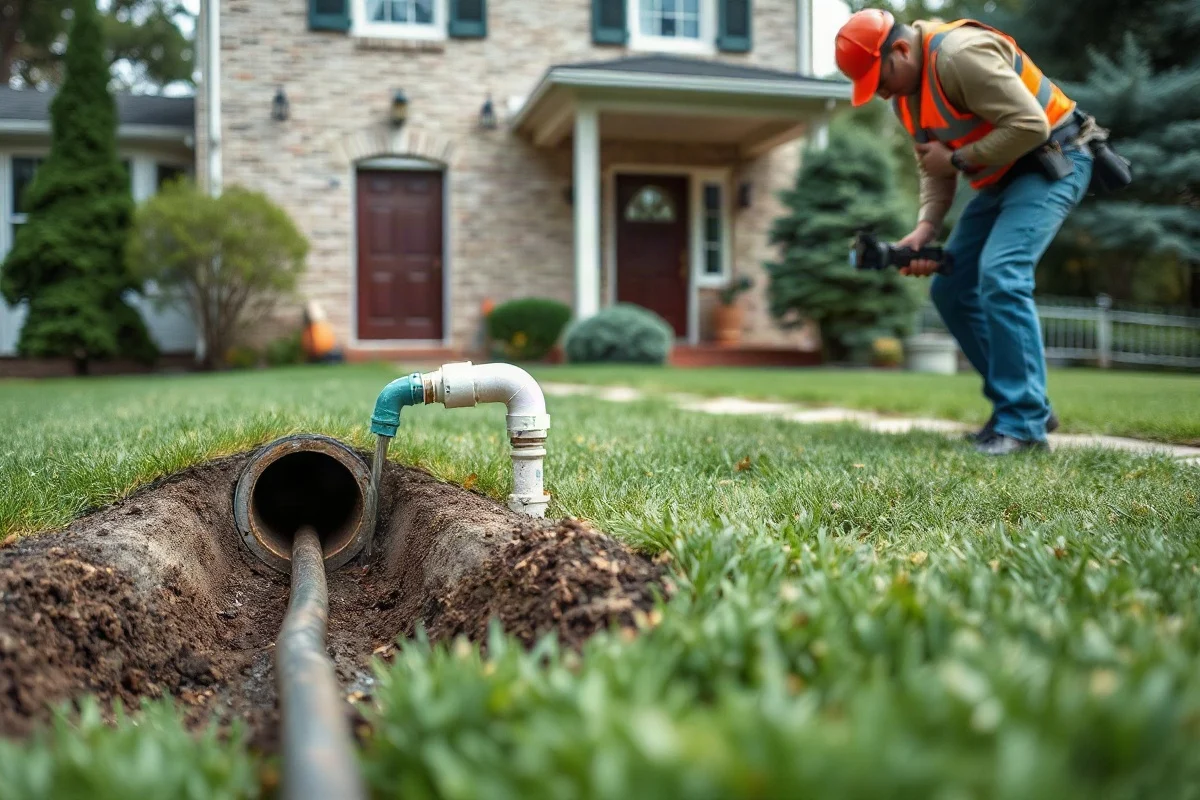
A homeowner can safely identify a likely cleanout and record visible symptoms, but opening a pressurized or sewage-filled fitting, clearing a main sewer blockage, exposing buried piping, or repairing a sewer line should be handled by a qualified professional. When the cap is leaking, sewage is present, multiple fixtures are affected, or flooding is occurring, keep people away from the area and seek appropriate local plumbing help.
Comments
0No comments yet. Be the first to share a helpful note or question.
Leave a Comment
Your email address will not be published. Comments are reviewed before appearing on the site.