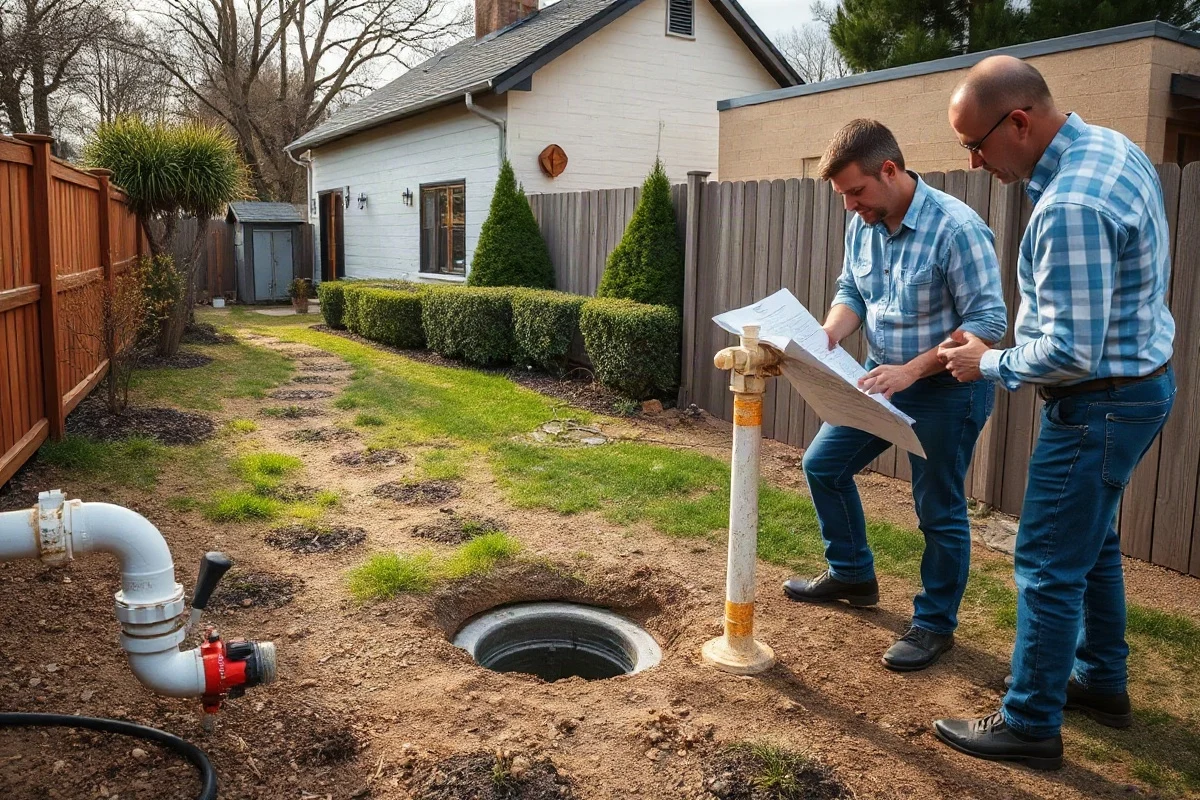
A sewer line easement is a legal right that allows a utility, municipality, neighboring property owner, or other authorized party to use part of your property for a sewer pipe, access, inspection, repair, or replacement. The easement does not usually transfer ownership of the land, but it can limit what you may build, plant, pave, or place over the designated area.
Sewer easements matter when a buried line crosses your yard, serves more than one property, or connects private plumbing to a public sewer system. They can also affect who is responsible for maintenance, whether workers may enter the property, and how a future repair or construction project must be handled. Because easement rights depend on the recorded document and local property rules, homeowners should review official records and obtain professional advice before changing the area or disputing access.
How a Sewer Line Easement Works
An easement separates certain property rights. You may own the land, while another party has a limited right to use a defined portion of it for a specific purpose. With a sewer easement, that purpose may include installing, operating, inspecting, cleaning, repairing, replacing, or accessing a sewer pipe.
The exact rights are not the same for every property. An easement document may identify:
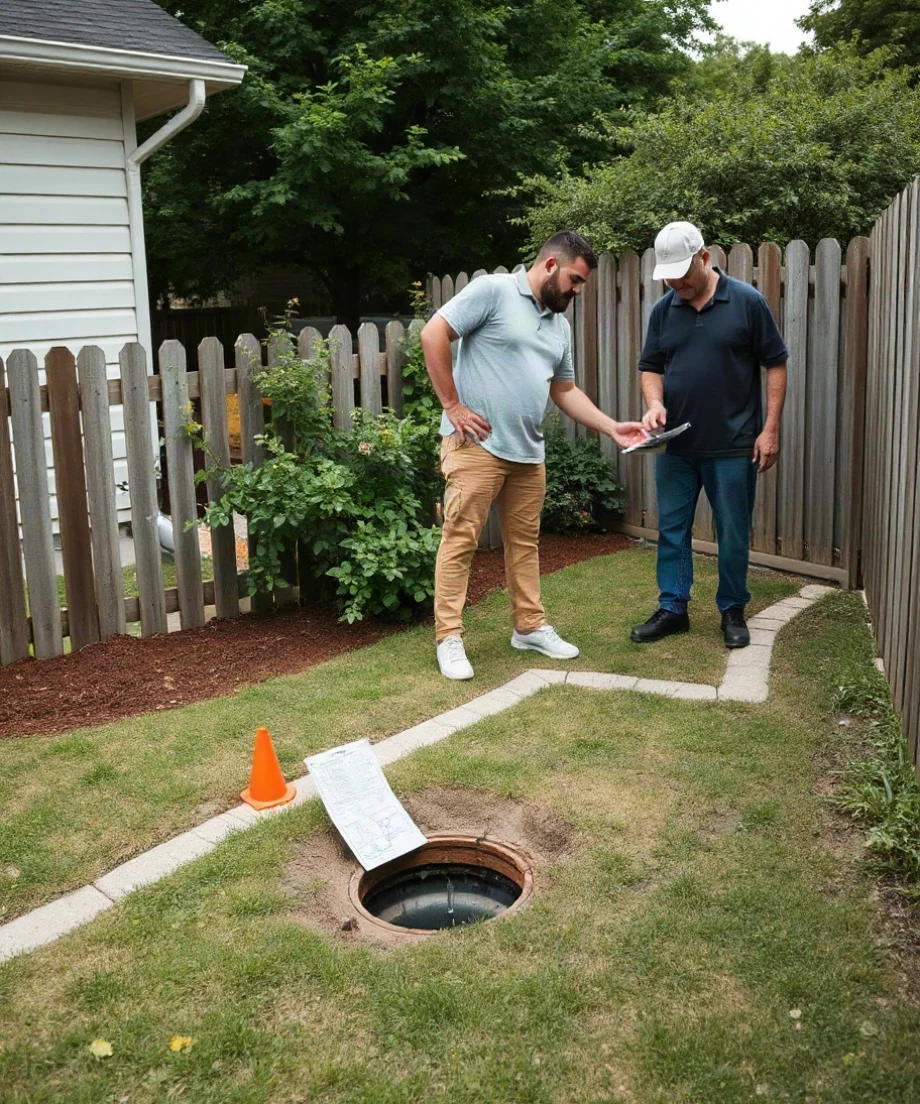
- The location and width of the easement area
- The sewer pipe or facilities covered by the agreement
- Who may enter the property and under what circumstances
- Which party is responsible for maintenance or damage
- Restrictions on buildings, fences, trees, pools, driveways, or other improvements
- How restoration should be handled after excavation
Some easements are created when land is subdivided. Others are granted to a public utility or local government, recorded with the property, established by an older agreement, or created through a legal process. A property may have an easement even if the area is not marked by a visible sign or access cover.
Where Sewer Easements Are Common
Sewer easements are common in neighborhoods where a main sewer cannot follow the public street for every property. A line may cross the side or rear portion of several lots before reaching a public connection. Shared private sewer lines, public sewer mains, and access routes to buried infrastructure may all involve easement rights.
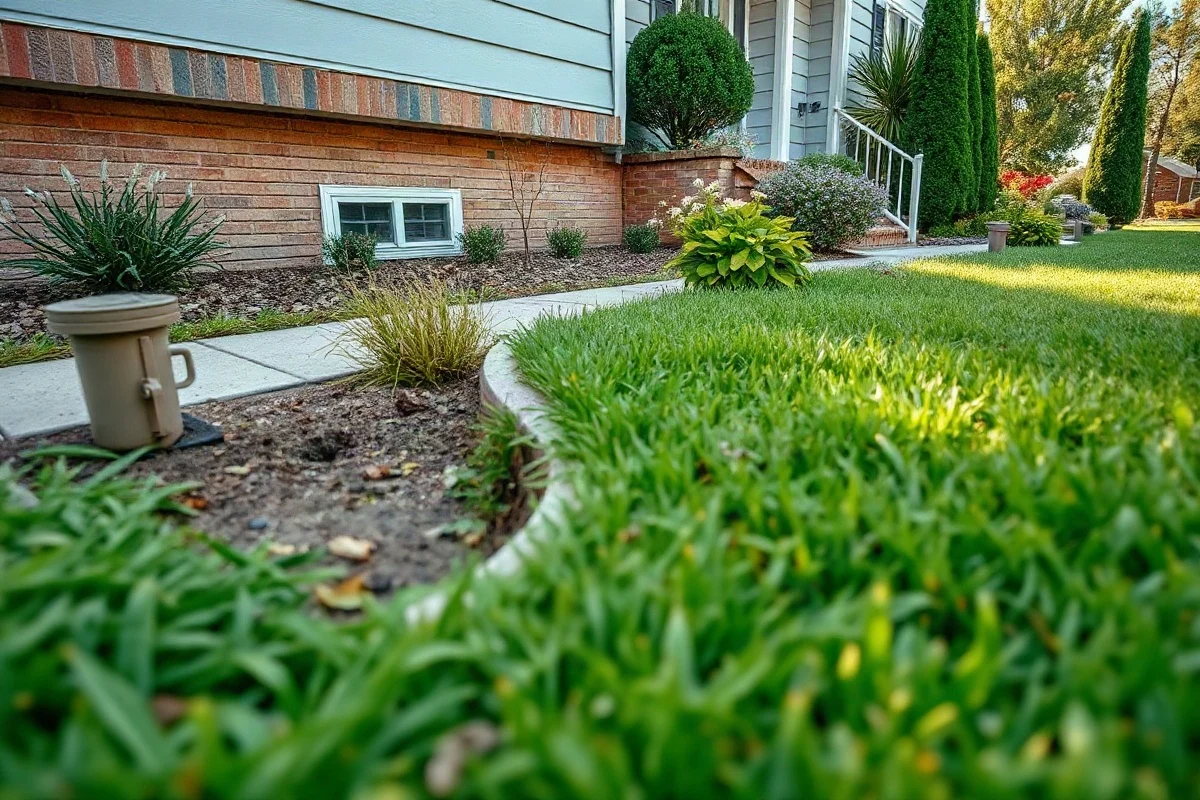
Typical locations include side yards, backyards, narrow strips along property boundaries, and corridors between homes. An easement may also run beneath a driveway or landscaped area. In some cases, the sewer line is deep underground and leaves no obvious surface evidence except a cleanout, manhole, inspection opening, or utility marker.
Why an Easement Matters to Homeowners
Future construction and landscaping
An easement can affect plans for an addition, garage, retaining wall, shed, deck, fence, pool, patio, or other permanent improvement. Deep-rooted trees can also create a problem if roots reach the pipe or if future excavation would damage the landscaping. Before building or planting in a possible sewer corridor, check the recorded easement and ask the responsible utility or property professional whether the plan is allowed.
Access for inspection and repairs
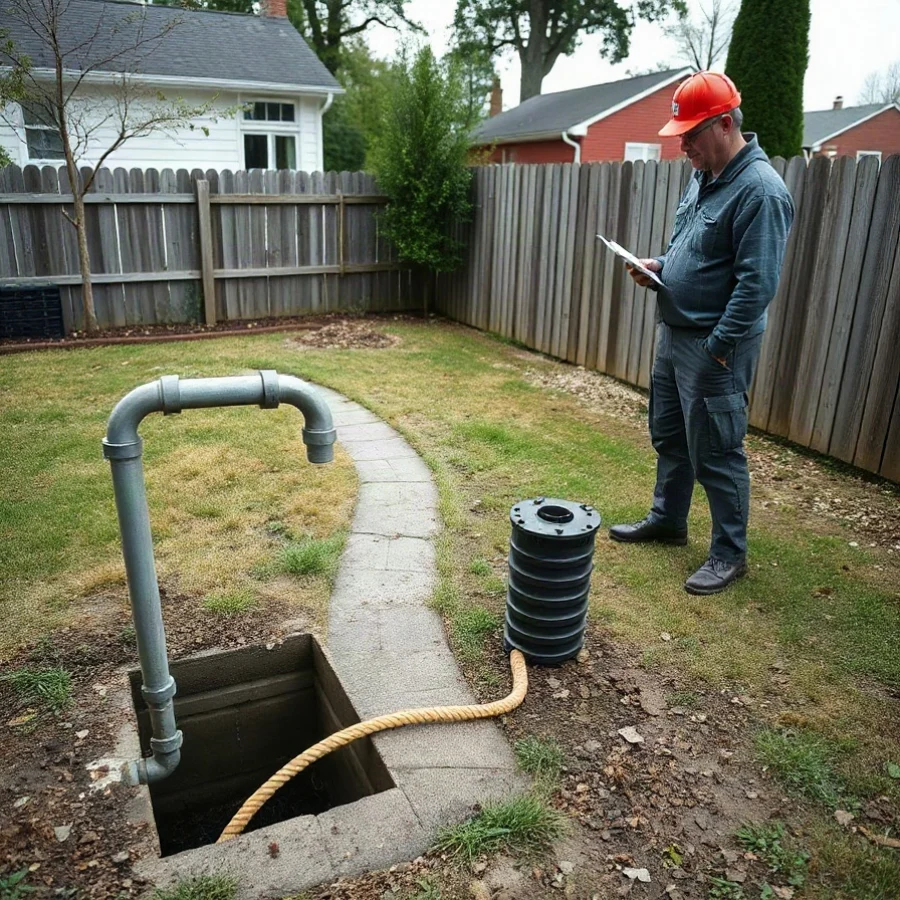
The party named in the easement may have a right to enter the area to inspect, clean, repair, replace, or reach the sewer line. The agreement may describe notice requirements, emergency access, restoration responsibilities, or limits on how the property can be disturbed. Do not assume that a locked gate, fence, or landscaping automatically prevents authorized access.
Responsibility for the pipe
An easement does not automatically tell you who must pay for every sewer repair. Responsibility may depend on whether the line is public or private, whether it serves one property or several, where the defect is located, and what the easement or other service agreement says. Local rules and property records may also affect the answer.
If wastewater is backing up, multiple drains are affected, or a buried line may be damaged, a qualified sewer line professional can help identify the likely location and condition of the pipe. Ask for written findings before agreeing to excavation or replacement.
How to Find Out Whether Your Property Has an Easement
Start with documents rather than assumptions. Review your purchase records, title insurance documents, survey, plat, and closing paperwork. An easement may be shown on a survey or referenced in a recorded instrument even when it is not obvious in the yard.
You can also contact the local property records office, land records department, or another appropriate government records source to ask how recorded easements are identified and accessed. A title company, real estate attorney, or qualified survey professional may be able to interpret the documents. Because recording systems differ, avoid relying on a general online map as the final authority.
Contact the sewer utility or local public works department when you need to determine whether a line is public, private, or shared. They may be able to explain their facilities and access procedures, but the recorded easement and property-specific documents remain important.
Safe Homeowner Checks
Homeowners can perform a few low-risk checks without opening the ground or entering a sewer structure:
- Look for a survey, plat, title document, or easement reference in your records.
- Walk the property and note visible cleanouts, access covers, inspection points, or utility markers.
- Record recurring slow drains, sewage odors, wet spots, sinkholes, or unusually green vegetation.
- Ask previous owners, a homeowners association, or nearby residents whether the line is shared, without treating informal statements as legal proof.
- Photograph existing landscaping, fences, paving, or other improvements if excavation is being discussed.
Do not lift a heavy manhole cover, enter a vault or excavation, dig to locate the pipe, or handle sewage. Sewer gases and wastewater can create serious health and safety hazards. Before digging for any reason, use the appropriate utility-location service available in your area and confirm whether additional private-line locating is needed.
Signs of a Sewer Line Problem
An easement itself does not cause a plumbing problem, but a sewer line within an easement can develop several types of defects. Warning signs include repeated clogs, slow drainage throughout the home, sewage odors, gurgling fixtures, sewage surfacing in the yard, wet or sunken ground, and drains that back up when a large amount of water is used.
Possible causes include accumulated debris, grease, root intrusion, a cracked or separated pipe, pipe collapse, poor connections, shifting soil, or a blockage farther downstream. A single clogged sink may be a local fixture issue, while multiple affected fixtures are more concerning for a building drain or sewer line problem.
These signs do not prove that the easement holder is responsible. They indicate that the plumbing should be evaluated. A drain camera inspection may help locate a blockage or show the interior condition of an accessible pipe, but the technician should explain the inspection limits and whether the entire suspected line was viewed.
Repair, Replacement, or No Immediate Work?
The right response depends on the defect, the line's location, the parties served by it, and the terms of the easement. A minor blockage may be cleared without replacing the pipe. A damaged section may require spot repair, while extensive cracking, collapse, or repeated failures may make replacement or rehabilitation more practical.
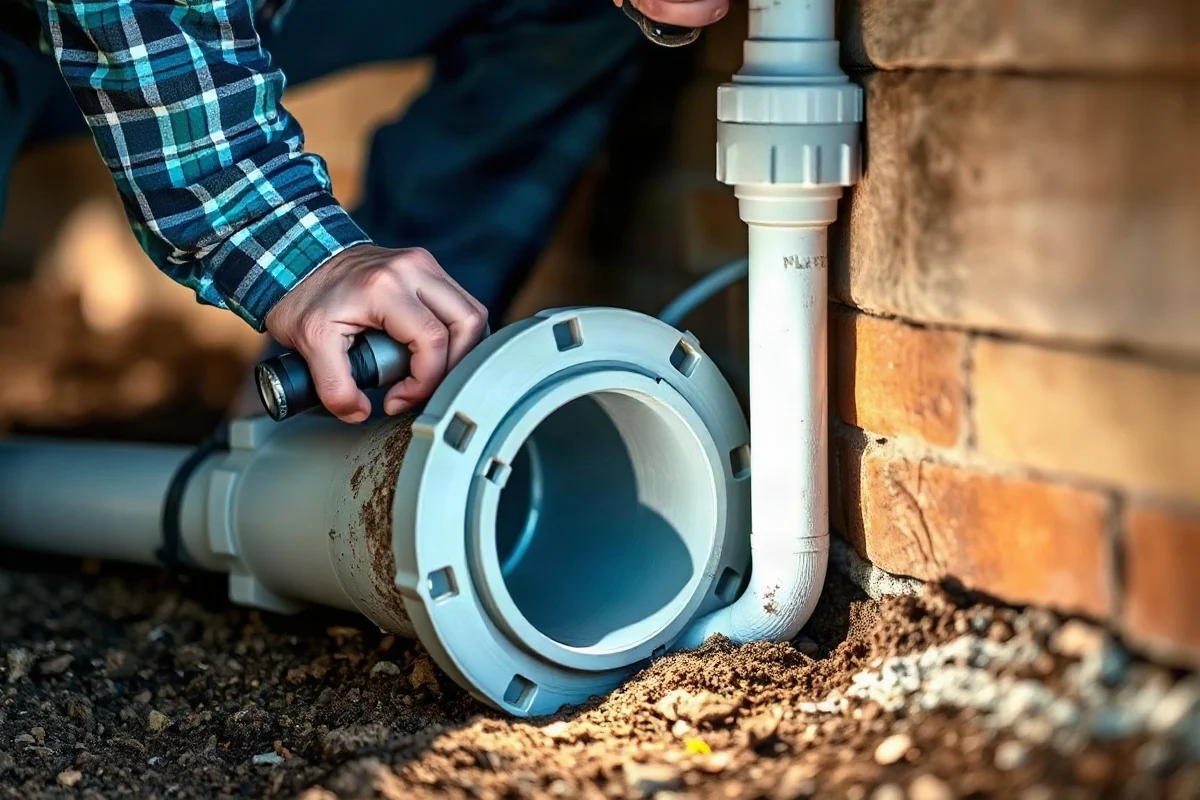
Trenchless methods may be considered in some situations, but they are not suitable for every pipe, depth, layout, soil condition, or access arrangement. Conventional excavation may be necessary when the pipe is collapsed, badly misaligned, inaccessible, or connected to structures that require direct exposure. A professional should explain the proposed method, access route, expected disturbance, and limitations.
Do not authorize excavation based only on a surface symptom. Ask the plumber to identify the suspected line, explain how the location was determined, and document the defect when possible. If the work affects a shared or public sewer, contact the responsible utility or other parties before proceeding.
What Affects Sewer Easement Repair Costs?
The cost of work can vary substantially, so a responsible estimate requires property-specific information. Important factors may include:
- The length, depth, and material of the affected pipe
- Whether the line is private, shared, or publicly maintained
- The severity and location of the blockage or structural defect
- Access for equipment and workers
- Soil, pavement, concrete, landscaping, and other surfaces that may need removal
- Whether excavation, restoration, traffic control, or temporary service measures are needed
- Inspection, locating, cleaning, repair, replacement, or rehabilitation requirements
- Coordination with an easement holder, neighbor, utility, insurer, or property professional
For general planning information, you can review this guide to plumbing costs, but published ranges cannot replace a written, property-specific estimate. Ask whether the proposal includes locating, access, cleanup, restoration, testing, and disposal.
Choosing the Right Professional
Look for a qualified local plumber or sewer contractor with experience in buried sewer lines, camera inspections, excavation, and the type of repair being considered. Confirm the professional's current business information and ask what documentation they provide after inspection. Depending on the work and your location, other professionals may also be needed to interpret title documents, survey boundaries, or legal access rights.
Before work starts, request a written scope that identifies the suspected problem, proposed method, areas that may be disturbed, responsibilities for restoration, and conditions that could change the estimate. Ask who will coordinate with the utility or other easement holder. Do not rely on a verbal promise that an easement “does not matter” or that a repair is automatically your responsibility.
If sewage is entering the home, wastewater is spreading across the property, the ground is collapsing, or a large section of the sewer system may be damaged, keep people and pets away from the affected area and contact a qualified local professional promptly. For urgent conditions, use an emergency plumber when appropriate, while also notifying the utility or property party responsible for the sewer system.
Protecting Your Property Before a Project
Keep copies of the easement, survey, inspection report, photos, estimates, invoices, and communications with the utility or contractor. Mark valuable landscaping and discuss access before equipment arrives. If a neighbor or utility needs entry, confirm the route and expected work area in writing when practical.
Most importantly, treat a sewer easement as both a property-record issue and a plumbing issue. The document explains access rights, while an inspection helps establish the physical condition of the line. Reviewing both before construction or repair can reduce disputes, prevent damage to buried infrastructure, and help you choose a repair that fits the property.
Comments
0No comments yet. Be the first to share a helpful note or question.
Leave a Comment
Your email address will not be published. Comments are reviewed before appearing on the site.