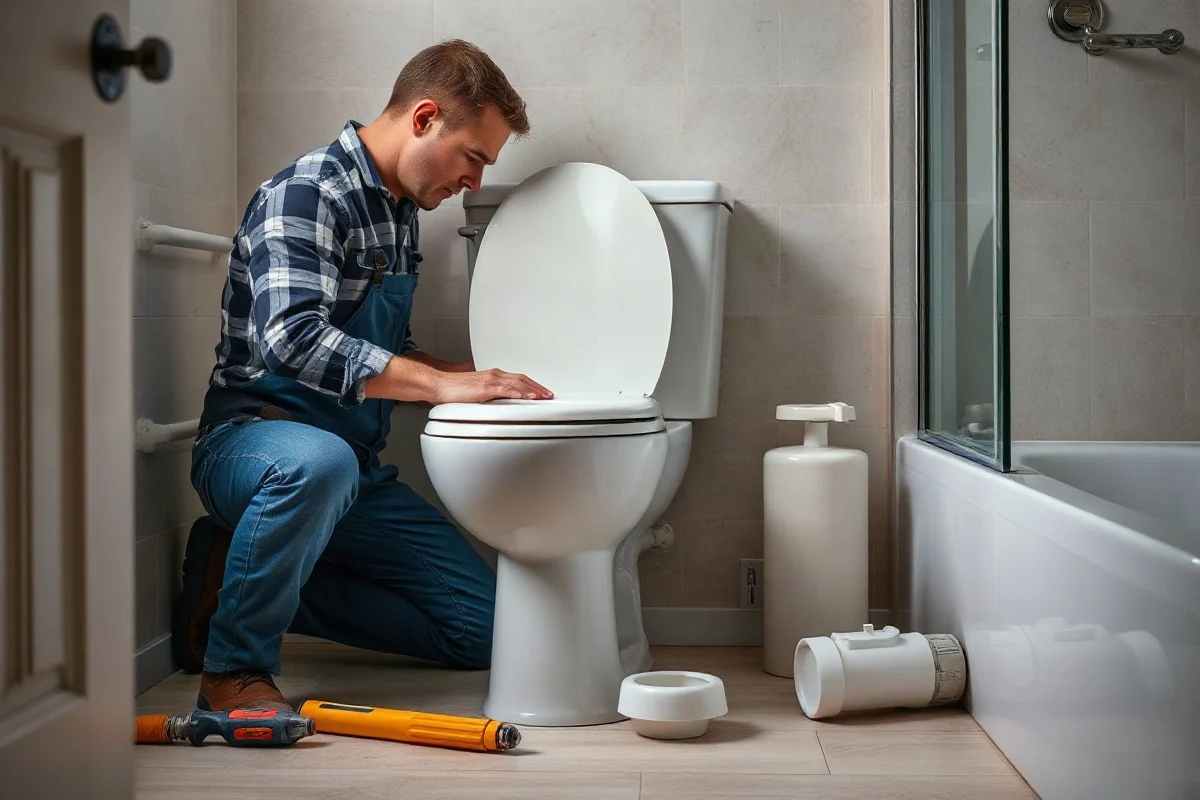
A straightforward toilet installation usually takes a plumber about one to two hours. That estimate assumes the new toilet fits the existing drain opening, the closet flange is sound, the shutoff valve works, the floor is stable, and no hidden water damage is found. A replacement can take longer if the old toilet is difficult to remove, the flange is damaged, the supply line or valve leaks, or the plumber must repair the floor or drain connection.
What happens during a typical toilet installation?
Toilet installation is more than setting a bowl in place and tightening a few bolts. A careful plumber generally follows a sequence that helps prevent leaks, rocking, and damage to the fixture.
1. Inspecting the existing connection
Before removing the old toilet, the plumber may check how the toilet is connected to the water supply and waste line. This includes looking at the shutoff valve, supply line, closet bolts, visible flooring, and the base of the toilet. The plumber also considers whether the replacement toilet will fit the existing rough-in and bathroom layout.
2. Removing the old toilet
The water is shut off, the tank and bowl are drained, and the remaining water is removed. The supply line is disconnected, the mounting hardware is loosened, and the old toilet is lifted away. Older toilets may be heavy, stuck to the floor, or secured with corroded hardware. Removing a toilet carefully matters because forcing it can damage the flange, nearby flooring, or the drain connection.
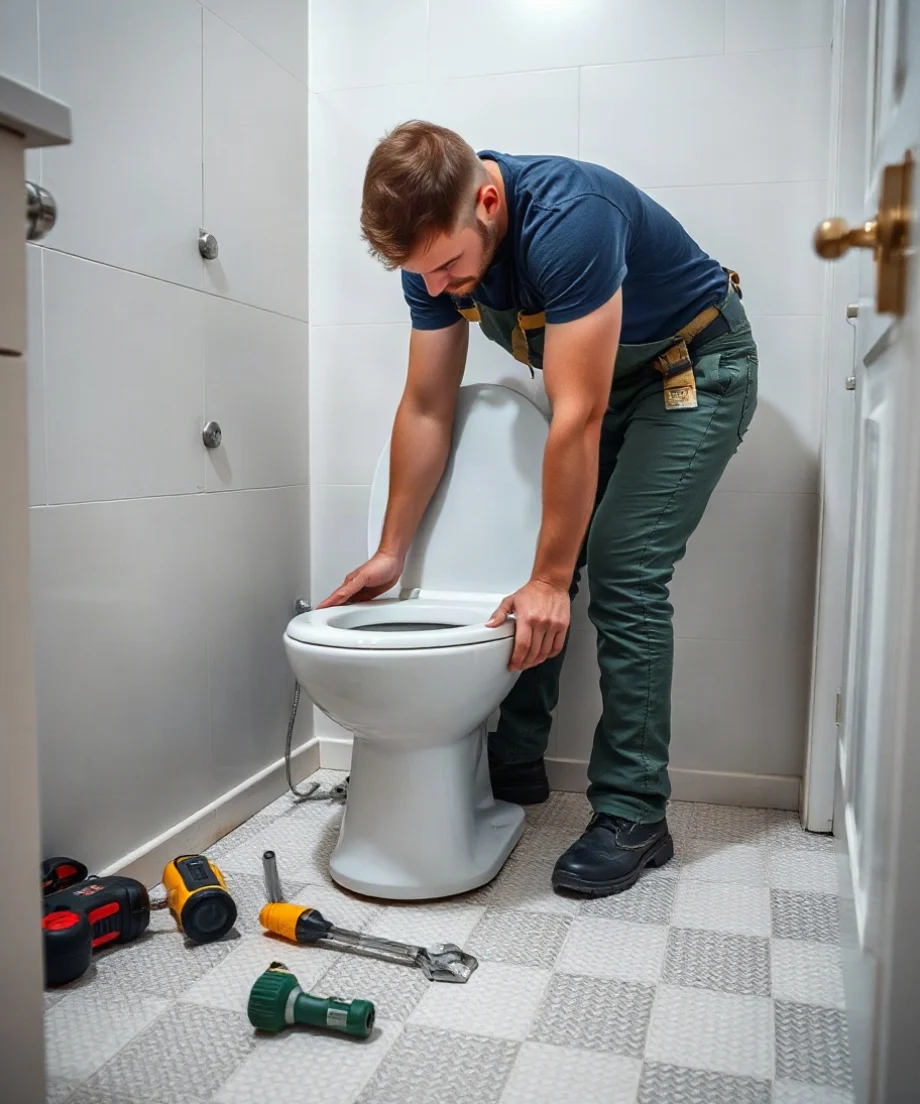
3. Preparing the flange and floor
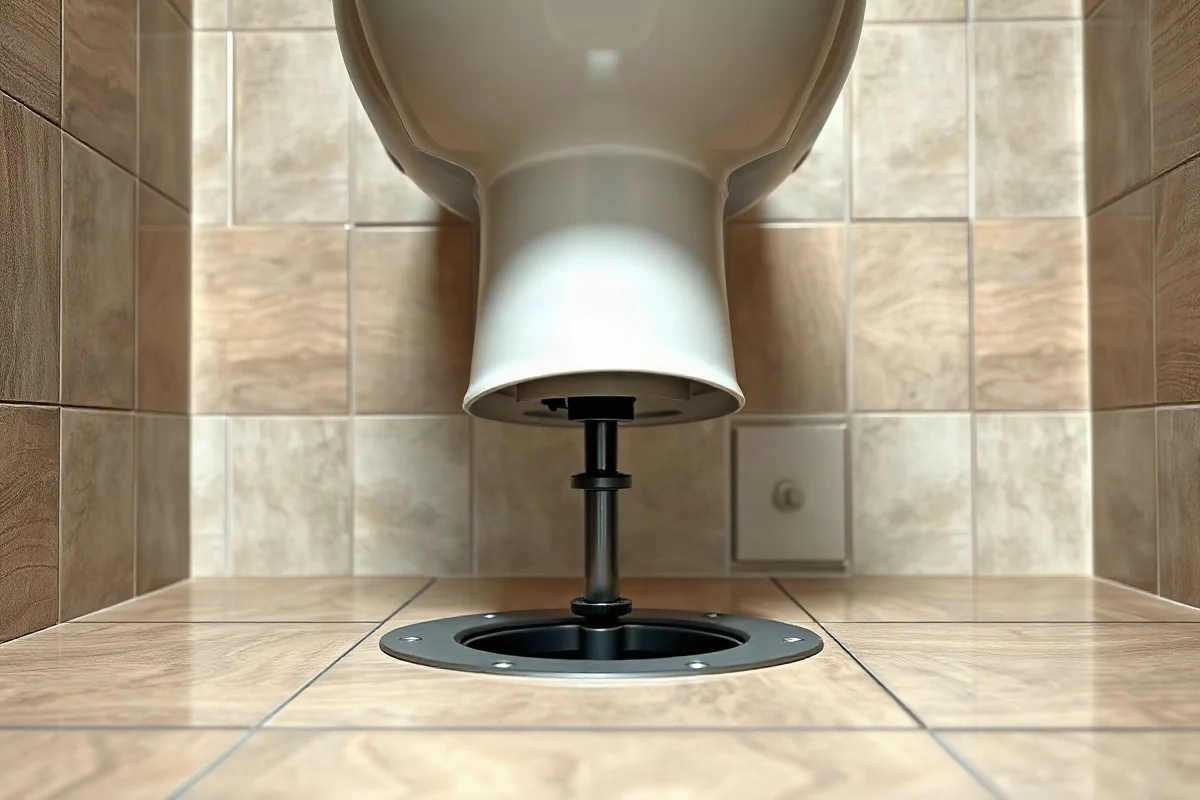
After removal, the plumber cleans away the old sealing material and inspects the closet flange. The flange is the fitting that connects the toilet to the drain and provides the mounting points that hold the toilet in place. It must be properly supported and positioned so the new toilet can seal correctly.
If the flange is cracked, loose, too low, or damaged by corrosion, the plumber may need to repair or replace it. A soft or uneven floor can also prevent the toilet from sitting securely. These conditions are common reasons a job takes longer than a basic replacement.
4. Setting and securing the new toilet
The plumber installs a new seal, positions the bowl over the flange, and secures it without applying excessive force. Porcelain can crack if mounting hardware is overtightened. The toilet is checked for movement and leveled as needed. Depending on the fixture design, the tank may then be attached to the bowl and connected to the water supply.
5. Testing the installation
The water is turned on gradually, the tank is filled, and the toilet is flushed several times. The plumber checks the supply connection, tank-to-bowl connection, toilet base, and surrounding floor for leaks. The flush and refill operation are also observed. Any rocking or seepage should be addressed before the installation is considered complete.
Why can toilet installation take longer?
The one- to two-hour estimate applies to a relatively uncomplicated replacement. Several conditions can extend the appointment.
- Damaged closet flange: A broken or poorly supported flange may require additional repair before the toilet can be installed.
- Water-damaged flooring: Moisture around the toilet base can weaken flooring or the subfloor. The visible toilet problem may be connected to a larger leak.
- Old shutoff valve: A valve that will not close, drips when operated, or leaks at the connection may need attention before the new toilet is connected.
- Corroded or stuck hardware: Rusted bolts and fittings can make removal slow and increase the risk of damaging nearby components.
- Drain or sewer concerns: A toilet that repeatedly backs up may have a problem beyond the fixture, such as a blocked branch drain or sewer line.
- Different toilet dimensions: A replacement toilet may not fit the existing rough-in, wall clearance, or bathroom configuration without additional work.
- Multiple fixtures or changes: Moving a toilet, changing the drain location, or altering water lines is a more involved plumbing project than a direct replacement.
If the toilet has been leaking for some time, do not assume a new wax ring or seal will solve every problem. Water can travel beneath flooring and remain hidden. Signs such as a soft floor, staining on the ceiling below, musty odors, or recurring moisture deserve a professional evaluation. You can learn more about related warning signs in this guide to toilet leaks.
Safe checks a homeowner can make before the plumber arrives
A few low-risk checks can help you describe the job accurately without taking apart the plumbing.
- Measure or photograph the space around the toilet, including the distance from the wall to the center of the floor bolts.
- Look for visible water around the base, supply connection, or shutoff valve.
- Check whether the toilet rocks when you sit down or gently place a hand on the tank. Do not force it from side to side.
- Identify whether the toilet is clogged, constantly running, leaking, or simply being replaced for appearance or performance reasons.
- Test the shutoff valve only if it turns easily and does not appear corroded. Stop if it begins leaking or feels stuck.
- Clear personal items from the bathroom so the plumber can access the toilet and nearby water connection.
Do not remove the toilet yourself if sewage is backing up, the floor feels unstable, water is spreading into walls or ceilings, or the shutoff valve cannot control the water. For severe flooding or an urgent leak, contact a qualified local professional. You can also review guidance for finding an emergency plumber when the situation cannot safely wait.
When is repair better than replacement?
A toilet does not always need to be replaced. Repair may make sense when the bowl and tank are intact, the fixture is stable, and the problem is limited to a fill valve, flush valve, flapper, handle, supply line, or minor adjustment. A running toilet, for example, may waste water because an internal component is worn or misaligned rather than because the entire fixture has failed.
Replacement is more reasonable when the porcelain is cracked, the toilet cannot be stabilized, repeated repairs have not solved the problem, or a leak has damaged the base or connection. A plumber can inspect the fixture and explain whether a repair is dependable or whether replacement is likely to be the better long-term choice. More information about common repair situations is available in the toilet repair guide.
What affects the cost of toilet installation?
The number of hours is only one part of the total cost. A plumber may consider labor, the toilet model, disposal of the old fixture, replacement parts, and any repairs discovered during removal. Because service rates and material costs vary by location and project, it is better to request a written estimate than rely on a single general price.
Ask whether the estimate includes removing the old toilet, installing the new fixture, connecting the supply line, testing for leaks, hauling away the old toilet, and repairing related components if needed. Also ask what happens if the plumber finds a damaged flange or wet flooring. A clear explanation can prevent an unexpected change in scope.
Other factors that can affect the appointment include access to the bathroom, the weight and design of the toilet, the condition of the shutoff valve, the availability of compatible parts, and whether the work involves moving plumbing. Work involving concealed leaks, sewage, structural damage, or code-related changes should be handled by a qualified local professional familiar with applicable requirements. For broader budgeting guidance, see the plumbing costs resource.
How to choose the right plumber for the job
Look for a plumber who regularly handles fixture replacement and can inspect the connection beneath the toilet, not just install the visible fixture. Before scheduling, describe whether this is a direct replacement, whether the old toilet is leaking or rocking, and whether you have noticed soft flooring or water damage.
Useful questions include:
- Does the estimate cover removal, installation, testing, and cleanup?
- Will you inspect the flange and floor before setting the replacement?
- What additional work might be needed if the shutoff valve or flange is damaged?
- Who supplies the toilet and confirms that it fits the existing bathroom layout?
- What documentation will be provided for the work and materials?
Be cautious of anyone who promises an exact installation time without asking about the existing toilet, or who wants to cover a rocking toilet with sealant without investigating the cause. A professional installation should leave the toilet stable, the connections dry, and the flush operating properly. If the job includes significant drain changes, sewage exposure, hidden water damage, or other unsafe conditions, use a qualified local plumber rather than treating it as a simple fixture swap.
Planning for the appointment
For a normal replacement, plan for roughly one to two hours, while keeping extra time available in case the plumber finds a damaged flange, bad valve, unstable flooring, or a drain problem. Avoid using the toilet immediately before the appointment if possible, and have the new fixture, installation parts, and manufacturer instructions available if you purchased it yourself.
The fastest installation is not necessarily the best one. Careful inspection, correct sealing, gentle tightening, and repeated leak testing help protect the floor and prevent a small toilet problem from becoming concealed water damage. When the existing connection is in good condition, the work may be completed within the basic estimate. When it is not, the additional time is usually spent correcting the underlying issue so the new toilet has a sound, leak-resistant installation.
Comments
0No comments yet. Be the first to share a helpful note or question.
Leave a Comment
Your email address will not be published. Comments are reviewed before appearing on the site.