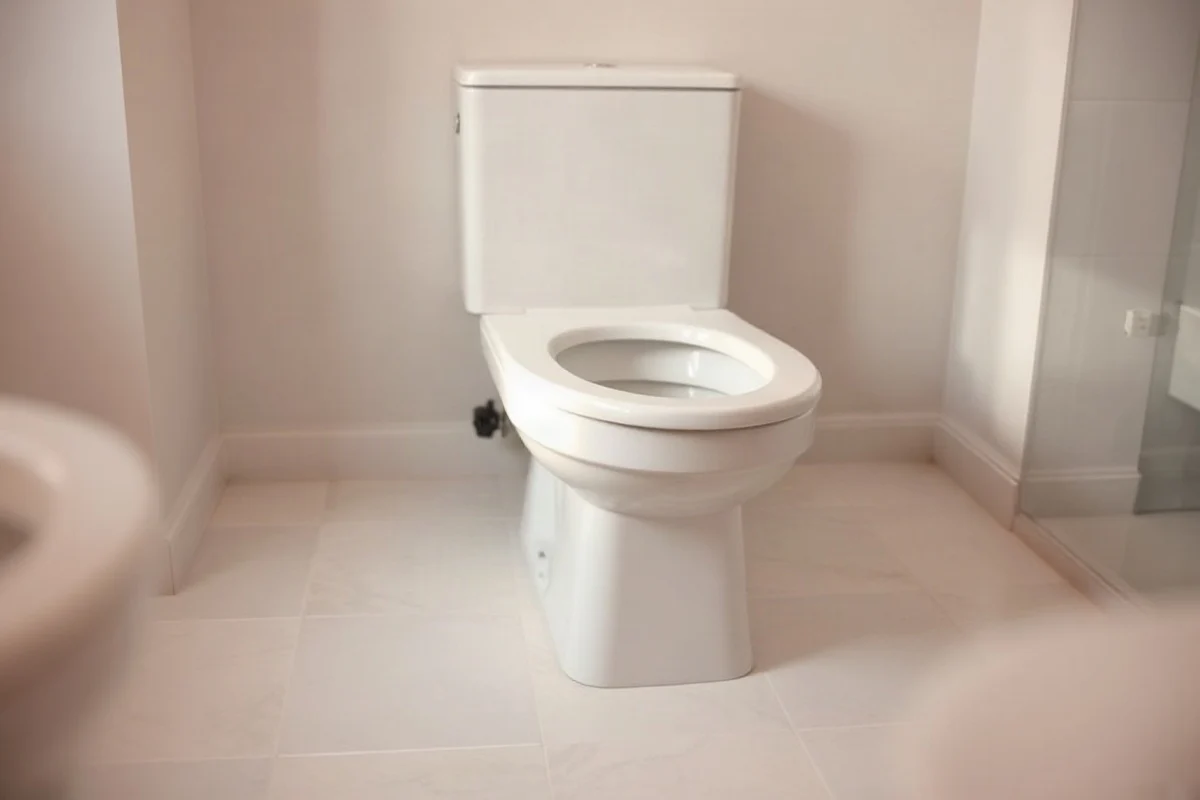
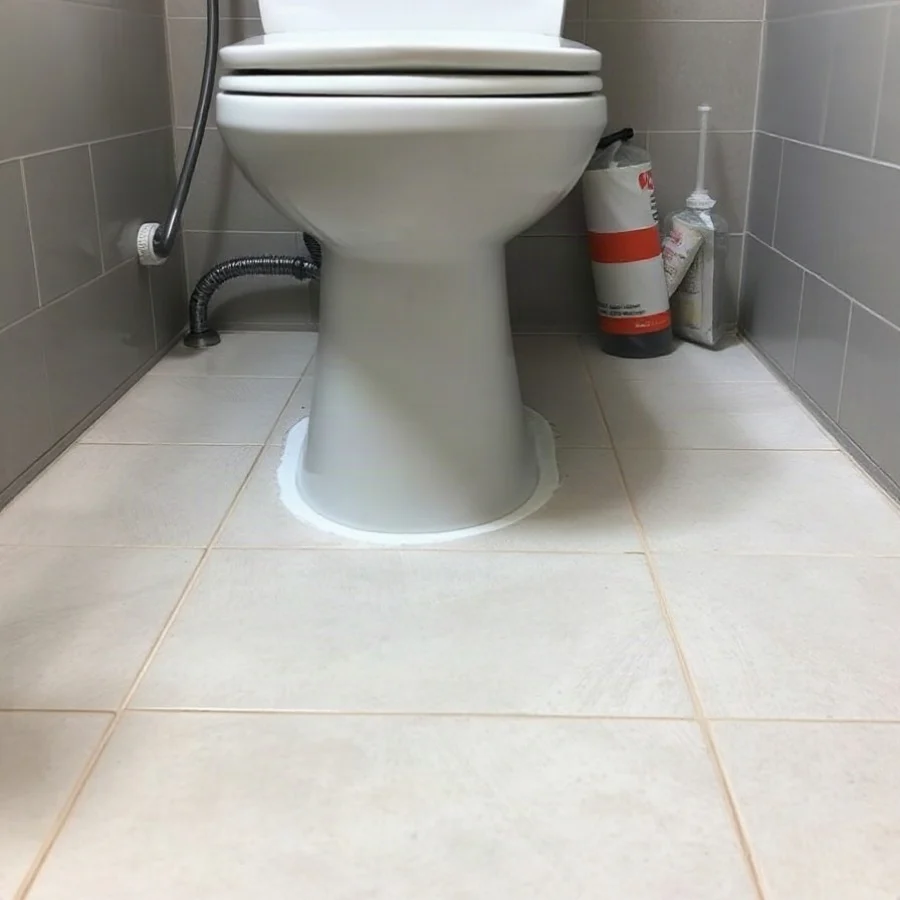
Yes, a toilet is commonly sealed around the base, but silicone should not be used as a substitute for a proper installation. The toilet should sit firmly on the finished floor, connect securely to the drain through an appropriate seal, and remain stable before caulk is applied. A bead of bathroom-grade silicone or another suitable sealant can help keep mop water and spills from getting under the toilet. However, sealing a loose, rocking, cracked, leaking, or poorly fitted toilet can conceal a problem and make water damage harder to detect.
Why seal around a toilet base?
The joint between a toilet and the bathroom floor is exposed to splashes, cleaning water, and occasional spills. A carefully applied sealant can keep surface moisture from collecting beneath the bowl. It can also give the finished installation a neat appearance and reduce the chance that the toilet shifts slightly during normal use.
Sealing the base does not create the watertight connection between the toilet and the drain. That connection depends on the toilet flange, the mounting hardware, the floor condition, and the wax or wax-free seal selected for the installation. The caulk around the outside edge is a surface seal; it is not a replacement for the internal drain seal.
Some installers leave a small unsealed section at the back of the toilet. The reasoning is that water from a failed internal seal may be more visible instead of being trapped beneath a continuous bead. Practices can vary by installation and local requirements, so homeowners should not assume that caulk alone confirms a correct installation. If you are replacing a toilet or changing the flange, ask a qualified local plumber how the finished base should be sealed for that installation.

When caulking is appropriate
Caulking is generally reasonable when the toilet is already installed correctly and passes a few basic checks:
- The bowl does not rock when you sit down or gently apply hand pressure.
- There is no visible water around the base after flushing.
- The toilet is aligned properly and does not appear to lean.
- The floor around it is solid, dry, and not noticeably swollen or damaged.
- The mounting nuts and caps are present and the toilet does not shift during normal use.
Use a sealant intended for bathroom or plumbing applications, follow the product directions, and apply a controlled bead. Excess sealant can look untidy, collect dirt, and make future removal more difficult. The floor and porcelain should be clean and dry before application. Allow the product to cure as directed before exposing it to regular cleaning or water.
Caulk is not meant to compensate for a gap caused by an uneven floor. A small, stable gap may sometimes be managed with an appropriate installation method, but a large gap, persistent movement, or a visibly tilted toilet deserves diagnosis before sealing.
Signs the toilet should not be siliconed yet
Stop and investigate if you notice any of the following conditions:
The toilet rocks or shifts
A rocking toilet can indicate loose mounting hardware, an uneven floor, a damaged flange, or an installation that was not properly supported. Repeated movement can stress the drain connection and may eventually damage the seal. Tightening the nuts too aggressively can crack the porcelain, so avoid forcing them. A plumber can determine whether the toilet needs careful shimming, hardware adjustment, flange repair, or removal and resetting.
Water appears after flushing
Moisture at the base after a flush may point to a failed bowl-to-drain seal, a cracked toilet, a leaking supply connection, or water running down from a tank or shutoff valve. Dry the area, do not assume the source, and watch closely during a flush if doing so is safe. If water returns, stop using the toilet when practical and arrange professional service. You can learn more about possible causes through this toilet leak guide.
The floor is soft, swollen, or stained
A soft floor near the toilet may indicate long-term water damage. Covering the joint with silicone will not repair the subfloor or stop an active leak. Hidden moisture can affect flooring, framing, or the ceiling below. Because concealed damage may require removing the toilet and inspecting the surrounding area, this is usually a job for a qualified local professional.
The toilet is cracked or damaged
Porcelain can fail suddenly if it is cracked or stressed. Do not try to stabilize a cracked bowl with sealant. Replace the damaged fixture and have the installation checked. If the crack is near the base, tank connection, or bowl, avoid using the toilet until the risk has been assessed.
Safe checks a homeowner can make
Several low-risk observations can help you describe the problem to a plumber. First, look at the floor and the supply line without removing parts. Check whether the water is clean, whether it appears only after flushing, and whether the dampness begins near the tank, shutoff valve, or bowl base.
Next, place a dry paper towel around the outside of the base and run one flush while watching from a safe position. Do not reach into contaminated water, and stop if the toilet overflows. If the bowl rocks, you can gently test it with your hands, but do not use your body weight or tools to force it into place.
Make sure the shutoff valve is accessible. If there is active clean-water leakage from the supply connection, turn the valve clockwise only if it operates easily. Do not force a corroded valve. For an overflowing toilet, remove the tank lid and close the flapper only if you can do so safely, or turn off the water supply. If sewage is present, wear appropriate protection, keep children and pets away, and seek qualified help.
These checks are for observation and immediate risk reduction. They do not replace removing the toilet, inspecting the flange, correcting a damaged floor, or testing a drain connection.
Repair, reset, or replace?
The right solution depends on the symptom rather than the appearance of the caulk. A clean, stable toilet with no sign of leakage may only need the old sealant removed and a new bead applied after the surfaces are prepared. A loose toilet may need the mounting hardware adjusted or the bowl reset with proper support.
If the toilet is removed, the installer should inspect the flange, the finished-floor height, the mounting bolts, and the drain seal. A new seal is typically used when a toilet is reset; reusing an old seal can create a leak even when the bowl looks stable. The toilet should be positioned carefully and tightened evenly, because excessive force can damage porcelain.
A damaged flange, deteriorated subfloor, or uneven finished floor may require additional work before the toilet can be reinstalled. In some cases, replacement is more practical than repairing an old or cracked fixture, but that decision depends on the condition of the toilet and the underlying connection.
For related service information, see the toilet installation and toilet repair resources.
Why sealing a leak can make damage worse
A continuous bead of silicone can make a toilet look finished while hiding a slow leak. The water may spread beneath flooring before it becomes visible at the edge. By the time staining, odor, loose flooring, or a ceiling mark appears below, the damage may be more extensive than the original drain-seal failure.
This does not mean every sealed toilet is defective. It means the base should be sealed only after the installation has been checked. If a previously caulked toilet begins rocking or leaking, do not simply add another layer. Remove the visible sealant as needed during a proper repair, identify the source, and correct the underlying issue.
Cost factors to consider
The cost of addressing a toilet base problem varies according to the work required, the fixture condition, access, and the condition of the floor and drain connection. A simple reseal is different from removing and resetting a toilet. Repairing a flange or replacing damaged flooring adds separate labor and materials. A new toilet also introduces the cost of the fixture and any compatible installation parts.
When requesting an estimate, ask whether the quoted work includes diagnosis, removal, a new drain seal, hardware, disposal of the old fixture, floor repairs, and final testing. Ask what happens if the technician finds a damaged flange or moisture beneath the toilet. These questions help you compare estimates without relying on an unexplained single price. The plumbing costs guide offers broader information about factors that can affect service pricing.
When to call a qualified local plumber
Professional help is appropriate when the toilet rocks after basic tightening is avoided, water continues to appear after flushing, the floor feels soft, the flange may be damaged, or the toilet must be removed and reset. Call promptly for major flooding, sewage exposure, water entering a ceiling below, or a leak that cannot be isolated.
Choose a plumber who will identify the source instead of simply covering the joint. Ask whether the technician has experience with toilet resets, flange issues, flooring damage, and leak testing. Request a written description of the recommended work, the parts included, and any conditions that could change the scope. Licensing and permit rules differ by location, so verify applicable requirements with your local authority and confirm that the professional is properly qualified for the work in your area.
Final practical guidance
Silicone around a toilet base can be a useful finishing step, but it should come after the bowl is stable, the drain connection is sound, and the surrounding floor is dry and solid. Do not use caulk to stop movement, cover a recurring leak, fill a large gap, or hide water damage. Observe the symptoms, limit use if water or sewage is present, and bring in a qualified local plumber when the problem involves the flange, concealed leakage, structural damage, or contaminated water. A neat bead is helpful only when it is part of a correct installation rather than a cover for a problem underneath.
Comments
0No comments yet. Be the first to share a helpful note or question.
Leave a Comment
Your email address will not be published. Comments are reviewed before appearing on the site.