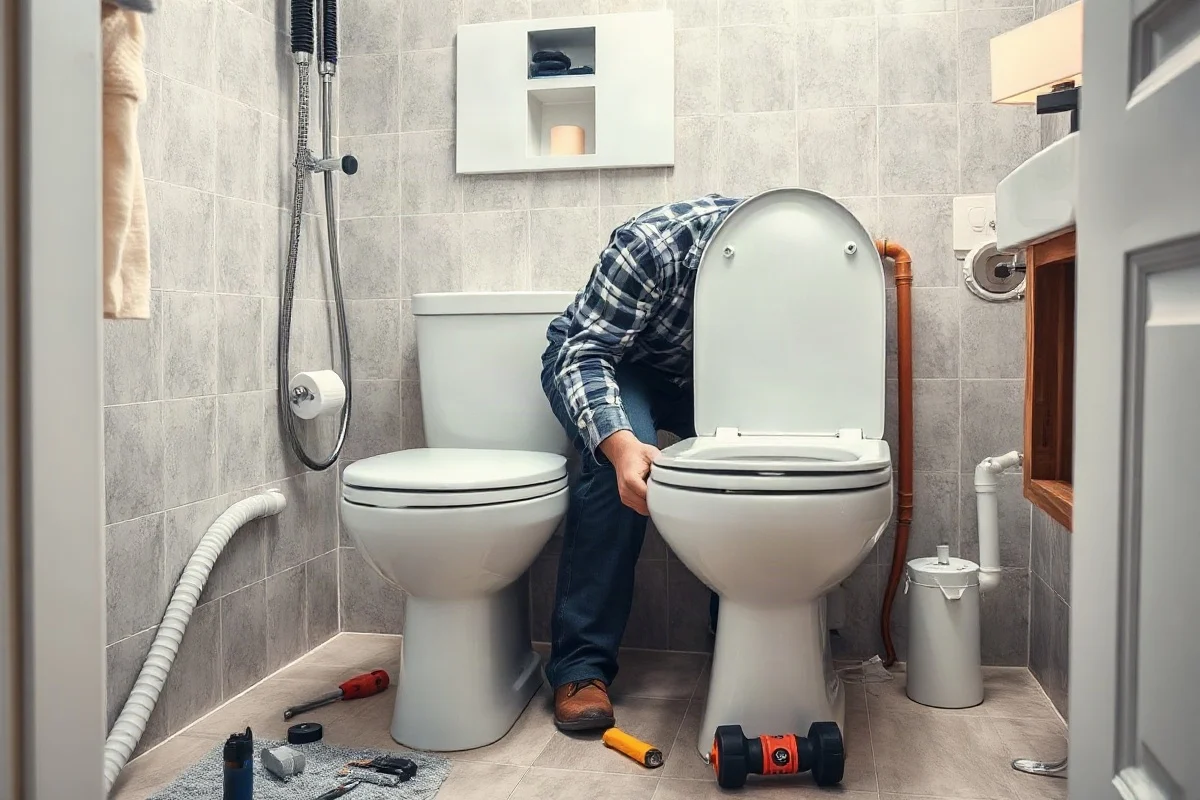
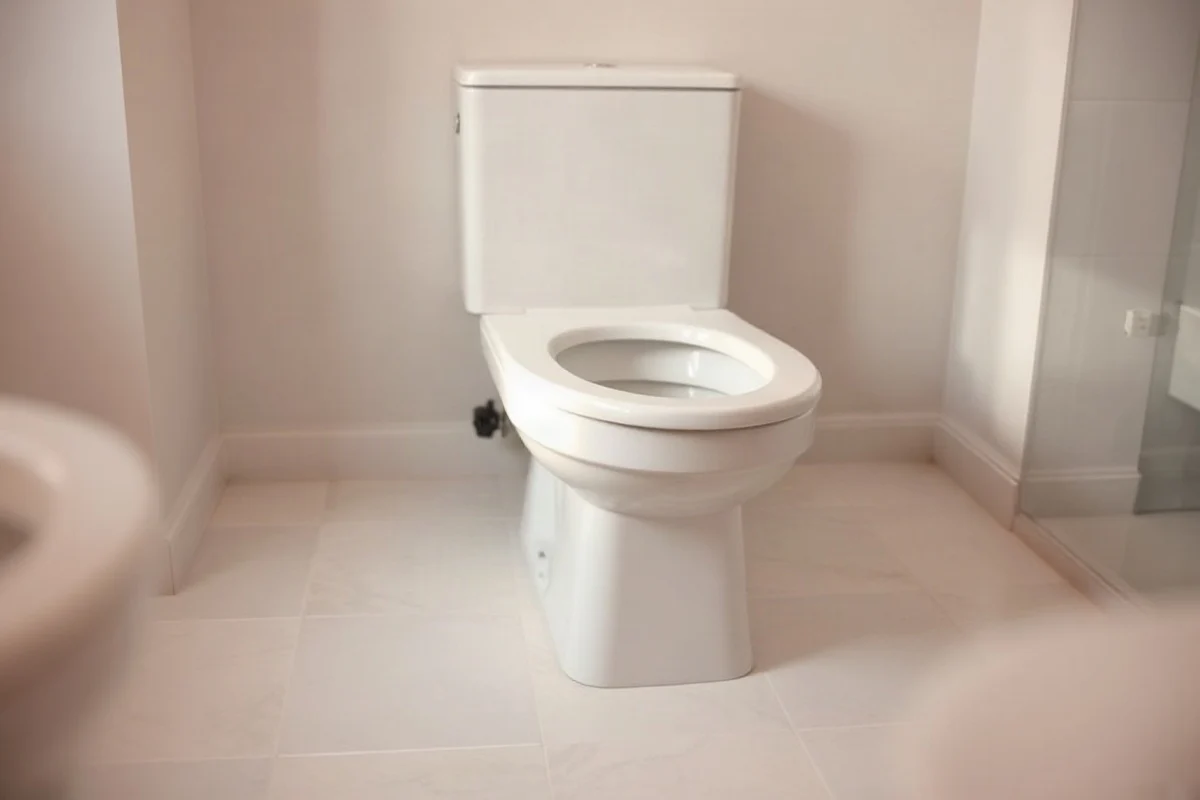
Most plumbers recommend a well-built, standard-height, two-piece gravity-flush toilet from a reputable manufacturer. This style is usually dependable, straightforward to install, easier to repair than many specialty designs, and supported by commonly available replacement parts. The best choice still depends on your bathroom layout, user needs, flushing performance, water efficiency, and the condition of the existing flange and drain connection.
A plumber is more likely to recommend a toilet that performs consistently and can be serviced in the future than one chosen only for appearance or a long list of features. A premium toilet may be a good fit in some homes, but reliability, parts availability, bowl comfort, and correct installation generally matter more than having the most complicated design.
Why plumbers often prefer gravity-flush toilets
A gravity-flush toilet uses the weight of water in the tank to move water through the bowl and drain. Its basic operation is familiar to most plumbing professionals, and many of its service parts are easy to identify and replace. That simplicity can be an advantage when a fill valve, flush valve, flapper, handle, or supply connection eventually needs attention.
Pressure-assisted toilets can provide a forceful flush and may be useful in certain applications, but they have a different internal mechanism and can be noisier. They are not automatically a poor choice; they simply may not be the first recommendation for every household. A plumber should consider the bathroom's drainage, the user's preferences, and the availability of suitable repair parts before recommending one.
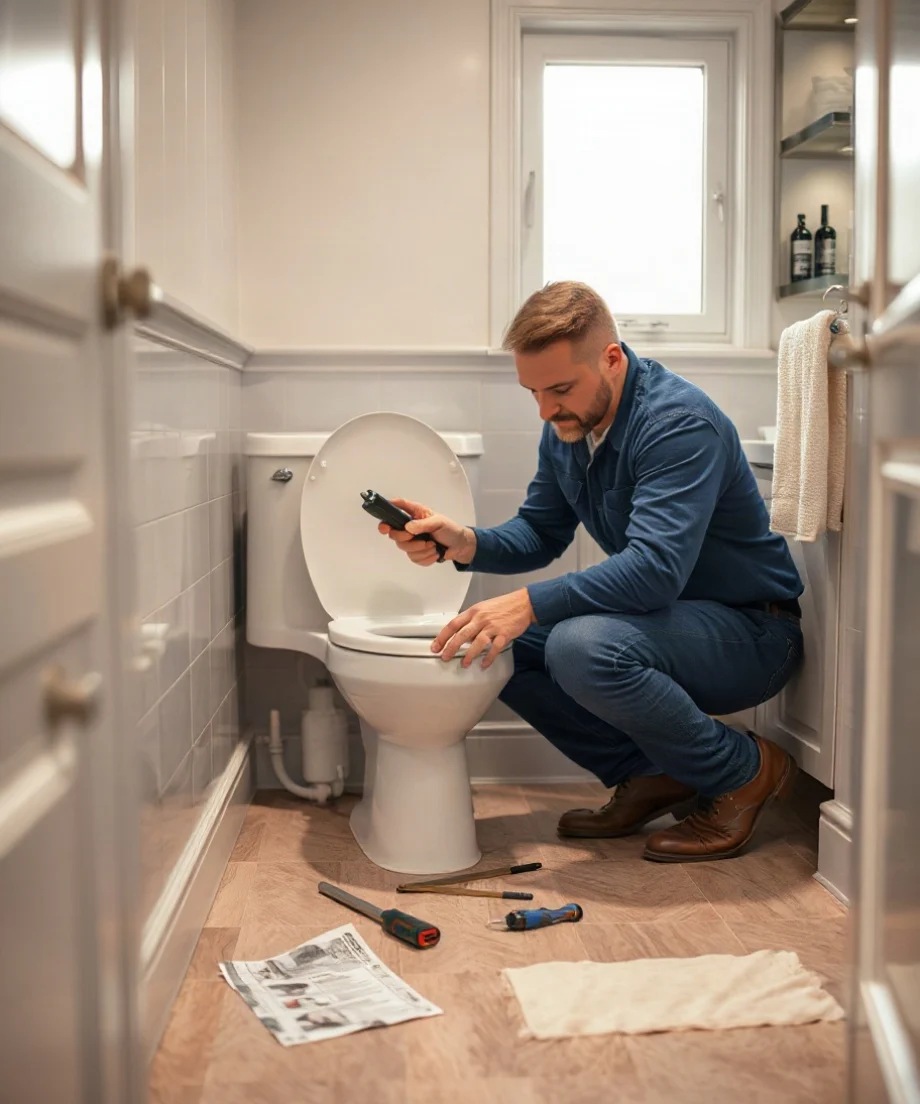
Features plumbers commonly look for
Reliable flushing performance
Flushing performance is usually more important than decorative features. Look for independent performance information, a clear manufacturer warranty, and a design that is appropriate for your existing plumbing. Marketing claims can vary, so ask a local plumber which models they regularly install and service in your area. Their experience with actual repairs may be more useful than a product display alone.
Standard-height or comfort-height design
Standard-height toilets work well for many households and can be more comfortable for children or shorter users. Taller toilets, often described as comfort height or chair height, may be easier for adults with limited mobility or knee discomfort. However, a higher bowl is not automatically better for everyone. Consider the people who use the bathroom, the available space, and whether the seat height will be comfortable.
A two-piece configuration
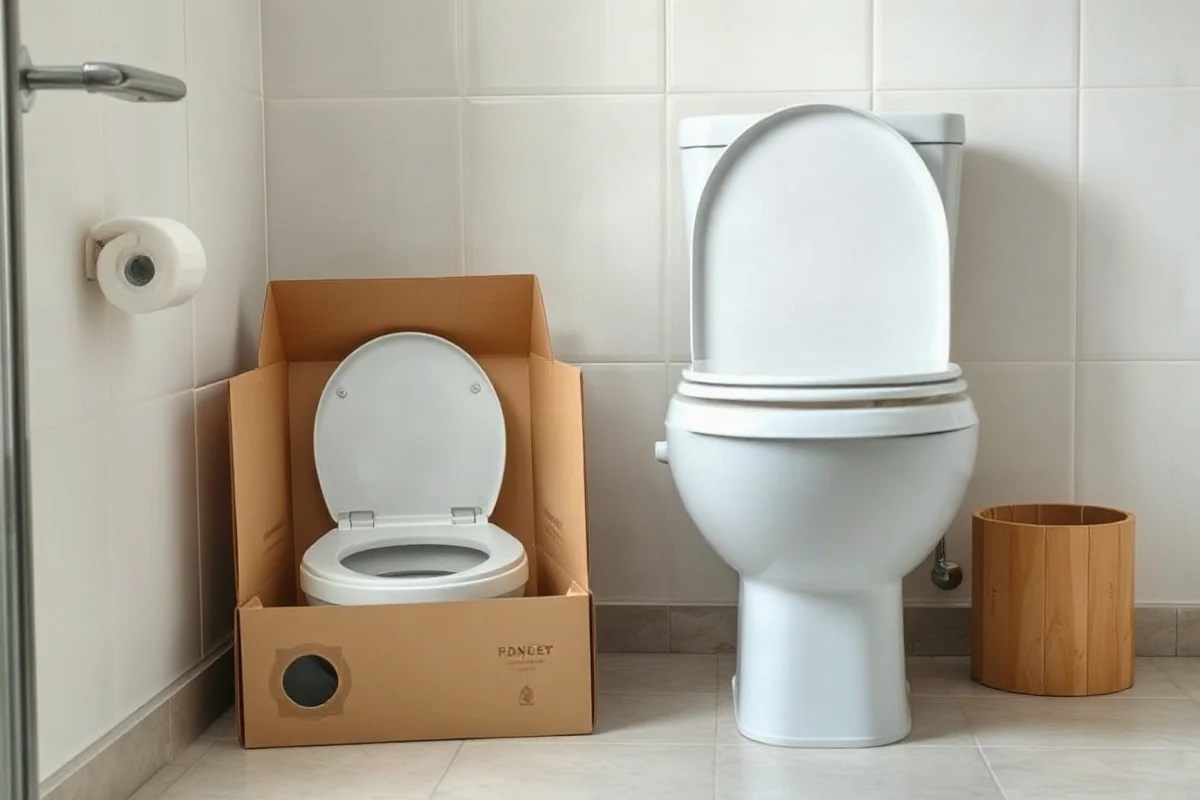
Two-piece toilets have a separate tank and bowl. They are widely available, often easier to transport into a bathroom, and generally simple for plumbers to service. One-piece toilets can be easier to clean around the tank connection and may have a more streamlined appearance, but they can be heavier and more difficult to maneuver during installation.
Neither design is universally superior. A plumber may recommend either style based on access, bathroom layout, weight, cleaning preferences, and the condition of the floor and drain connection.
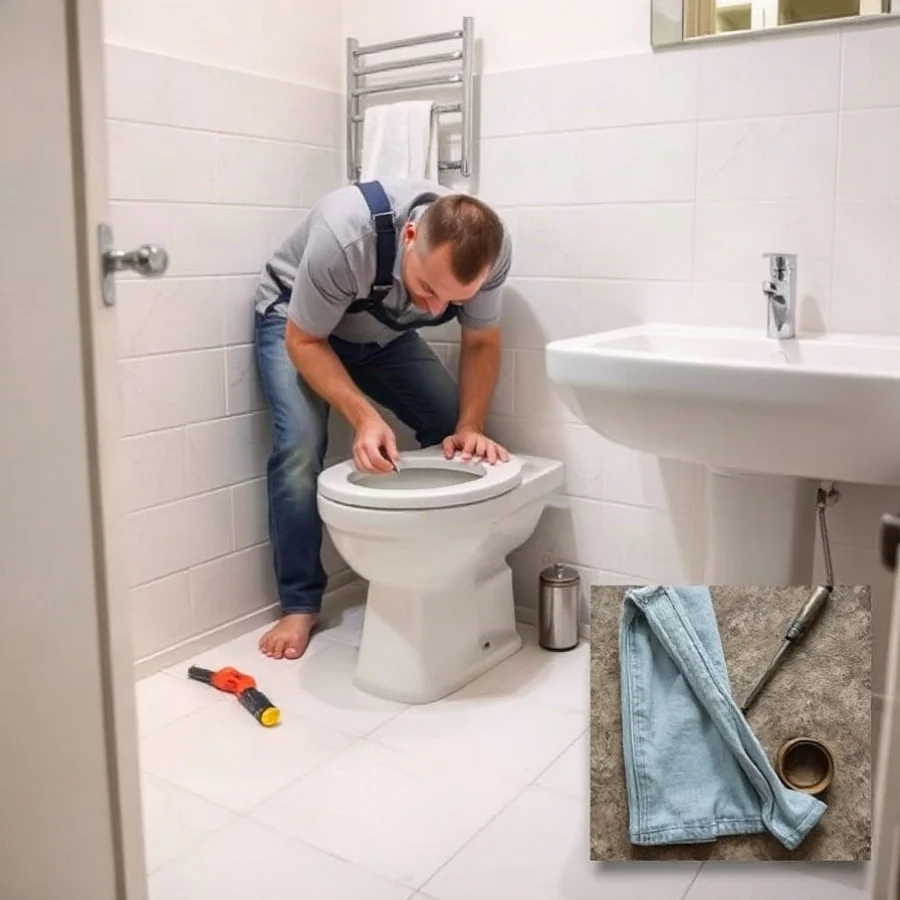
Readily available replacement parts
A toilet should not become difficult to repair because its internal parts are proprietary or unavailable. Before buying, check whether the fill valve, flush valve, flapper or seal, handle, and seat can be replaced with commonly available parts. Some specialty toilets have unique components that may require ordering directly from the manufacturer.
A bowl shape that fits the room
Round-front bowls are often useful where space is limited. Elongated bowls may provide more seating room but require additional clearance in front of the toilet. Measure the bathroom before shopping, including the distance from the wall to the center of the floor connection, the side clearances, the door swing, and the location of nearby cabinets.
What to check before replacing a toilet
Replacing the toilet itself may not solve a problem if the underlying issue is a damaged flange, a blocked drain, an uneven floor, or a leaking supply connection. A careful inspection can help determine whether the problem is limited to the fixture.
Safe homeowner checks
- Look for water around the base, supply line, shutoff valve, and tank bolts.
- Check whether the toilet rocks when gently tested. Do not force it or tighten bolts aggressively.
- Lift the tank lid and observe whether the water continues running after a complete flush.
- Confirm that the shutoff valve turns without leaking. Stop if the valve is seized or begins to drip.
- Inspect the bowl and tank for visible cracks. Do not use a cracked fixture.
- Measure the available space and record the toilet's connection location before selecting a replacement.
These checks are low risk when performed carefully. Keep the shutoff valve accessible, avoid leaning on the tank, and stop immediately if water begins flowing uncontrollably.
When a professional should investigate
A qualified local plumber should handle a toilet that leaks into the floor or ceiling below, repeatedly overflows, drains slowly despite plunging, or rocks because the floor or flange may be damaged. Sewage exposure, hidden moisture, major flooding, and work that may affect code compliance also require professional evaluation.
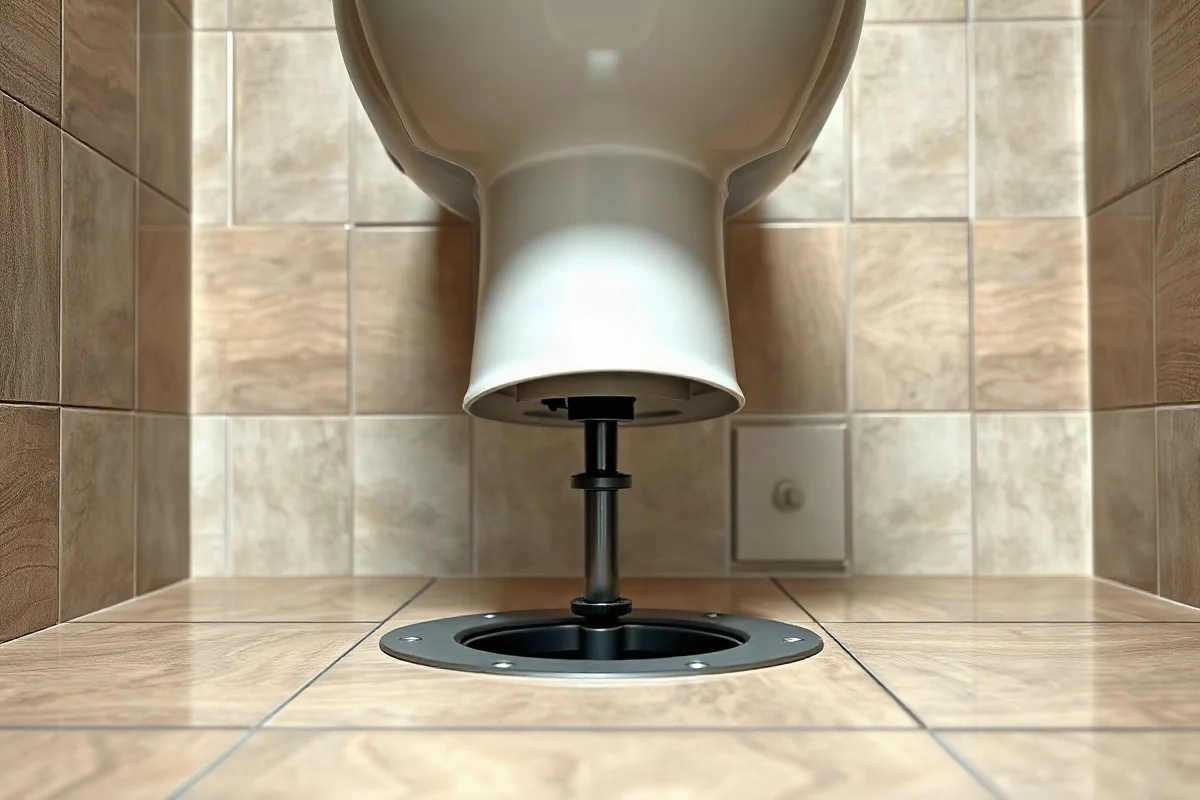
Do not remove a toilet casually if you suspect a damaged flange or a concealed leak. Once the fixture is removed, the drain opening must be protected and the replacement must be sealed correctly. An improperly installed toilet can leak beneath the floor without being immediately visible.
Repair or replace: how plumbers usually decide
A running toilet is often repairable. A worn flapper, faulty fill valve, misadjusted float, or damaged handle may be inexpensive to address compared with replacing the entire fixture. If the bowl and tank are intact and the toilet flushes properly, repair is often a sensible first option. See our guide to running toilet problems for common symptoms and service considerations.
Replacement becomes more reasonable when the porcelain is cracked, the toilet repeatedly clogs because of design or drainage limitations, the fixture is unstable, or leaks continue after proper repairs. Persistent leaks at the base may point to a failed seal, a damaged flange, an uneven floor, or a combination of problems. The toilet should not simply be replaced without checking the connection beneath it.
Older toilets may also be replaced when the owner wants improved flushing, easier cleaning, better comfort, or lower water use. Water savings should be considered realistically: the result depends on household use, the toilet's actual performance, and whether users need to flush repeatedly.
Common reasons a new toilet performs poorly
Even a quality toilet can cause trouble when the installation or surrounding plumbing is not correct. Common causes include an incorrectly positioned flange, a damaged floor, a poor seal, a supply line that is strained, a bowl that is not level, or a drain obstruction farther down the line.
A weak flush does not always mean the toilet is defective. A partial blockage in the bowl or trapway, a clogged vent, or a developing drain problem can produce similar symptoms. If several fixtures drain slowly or gurgle when the toilet flushes, the issue may extend beyond the toilet. In that situation, repeated plunging or chemical drain products may not solve the cause.
If the toilet overflows and the water may contain sewage, keep people and pets away from the area and contact a qualified professional. For a toilet that is actively overflowing, close the fixture's shutoff valve if it is safe to do so. More serious flooding or contamination may require urgent local service; our overflowing toilet guide explains immediate precautions.
Cost factors to consider
The total cost of a toilet project depends on more than the fixture's retail price. Important factors include the toilet model, seat and supply line, removal and disposal, installation labor, the condition of the shutoff valve, the flange and floor, and whether the drain needs additional diagnosis or repair.
Access can also affect the work. A bathroom with tight clearances, difficult stairs, or limited working space may take longer to service. If the toilet is being moved to a different location, the project becomes a larger plumbing alteration rather than a simple replacement. Ask for a written scope that separates the toilet, installation, disposal, and any possible repair work. Avoid choosing solely on the lowest initial quote if it does not explain what is included.
For general planning, review our information about plumbing cost factors. Exact pricing should come from local quotes because labor conditions, access, fixture selection, and repair findings vary by property.
How to choose a qualified plumber
Look for a plumber who routinely installs toilets and is willing to inspect the flange, shutoff valve, floor, and drain connection instead of treating every job as a simple fixture swap. Ask what will happen if the flange is damaged or the floor is uneven, and request details about cleanup, disposal, and any follow-up work.
Before work begins, confirm the scope in writing and ask whether the plumber is properly qualified for the work in your location. Licensing, insurance, permit, and inspection requirements can vary, so verify current requirements with the appropriate local authority rather than relying on general online advice.
For a straightforward replacement, a dependable gravity-flush toilet with a practical bowl shape, suitable height, and accessible repair parts is often the safest recommendation. The right model is the one that fits the room, serves the household comfortably, works with the existing plumbing, and is installed correctly. When the problem involves sewage, hidden leaks, major water damage, a damaged floor, or uncertain drainage, have a qualified local professional evaluate the conditions before choosing a fixture.
Comments
0No comments yet. Be the first to share a helpful note or question.
Leave a Comment
Your email address will not be published. Comments are reviewed before appearing on the site.