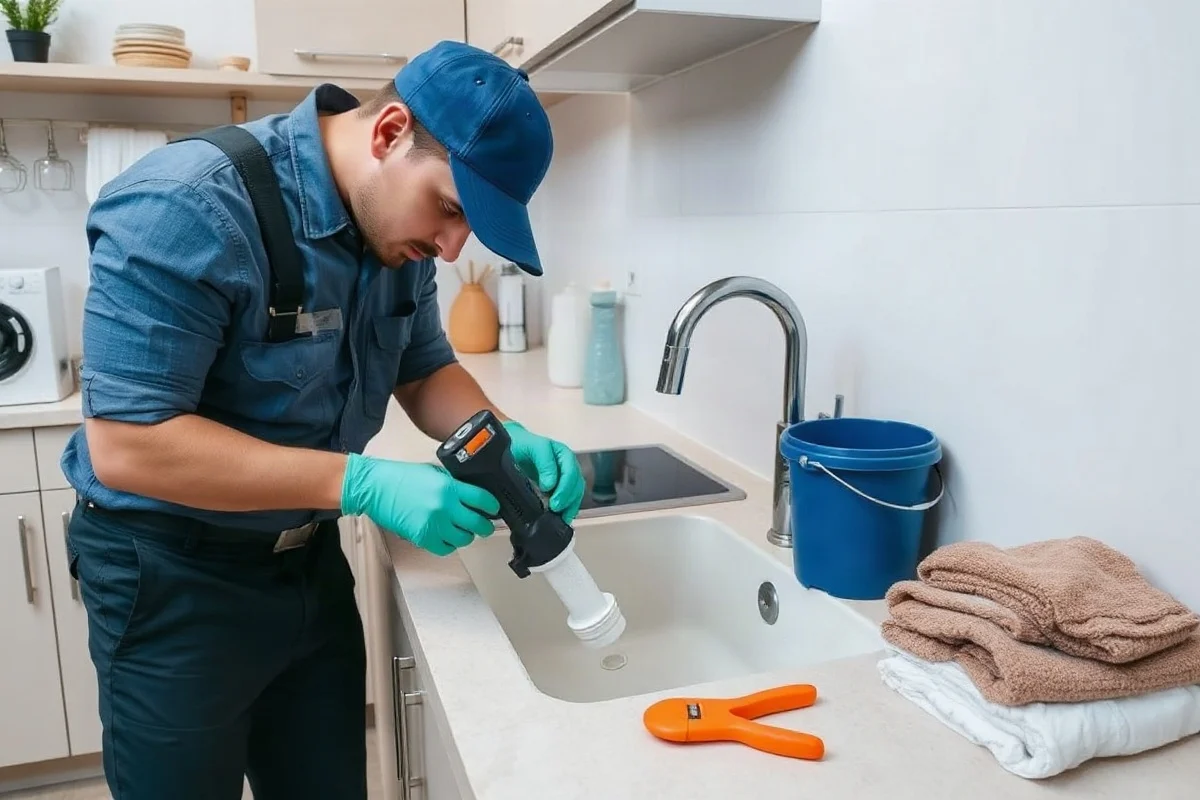
Professional drain cleaning costs for a house vary widely because the job may involve anything from a simple fixture clog to a blockage deep in the main drain or sewer line. The final price usually depends on the location and severity of the clog, the equipment required, how accessible the pipe is, and whether the plumber finds damaged or collapsed piping. A straightforward, reachable blockage is generally less involved than a recurring backup that requires a camera inspection, specialized cleaning equipment, or pipe repair.
Before agreeing to service, ask the plumber what is included in the estimate, whether the charge is flat-rate or time-based, and what could cause the price to change. A reputable professional should explain the planned work instead of promising a one-size-fits-all price without seeing the problem.
What a professional drain cleaning visit may include
A drain cleaning appointment often begins with questions about the symptoms. The plumber may ask which fixtures are affected, when the problem started, whether wastewater is backing up, and whether the issue has returned after previous treatments. These details help identify whether the problem is isolated to one fixture or located farther downstream.
The visit may include a visual inspection, a basic test of nearby fixtures, and an attempt to clear the obstruction with an appropriate tool. Depending on the situation, the plumber may use a hand auger, a powered drain machine, or hydro jetting equipment. A camera inspection may be recommended when the blockage is persistent, when several drains are affected, or when the plumber needs to check the condition and alignment of the pipe.

Drain cleaning and drain repair are not always the same service. Cleaning removes buildup or an obstruction. Repair may be necessary if the pipe is cracked, crushed, separated, invaded by roots, or badly corroded. If the drain opens temporarily but repeatedly clogs, cleaning alone may not solve the underlying cause.
Common signs that a house drain needs professional attention
Drain problems often develop gradually. Watch for changes rather than waiting until wastewater reaches the floor.
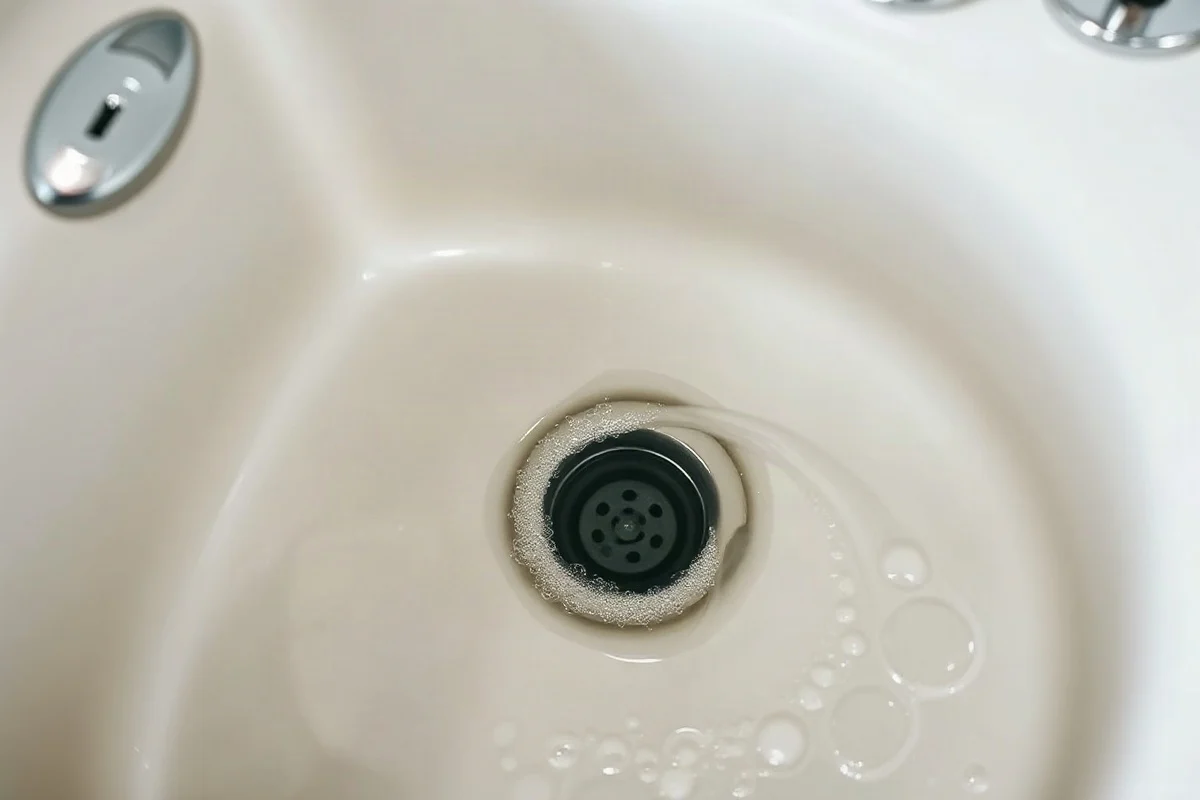
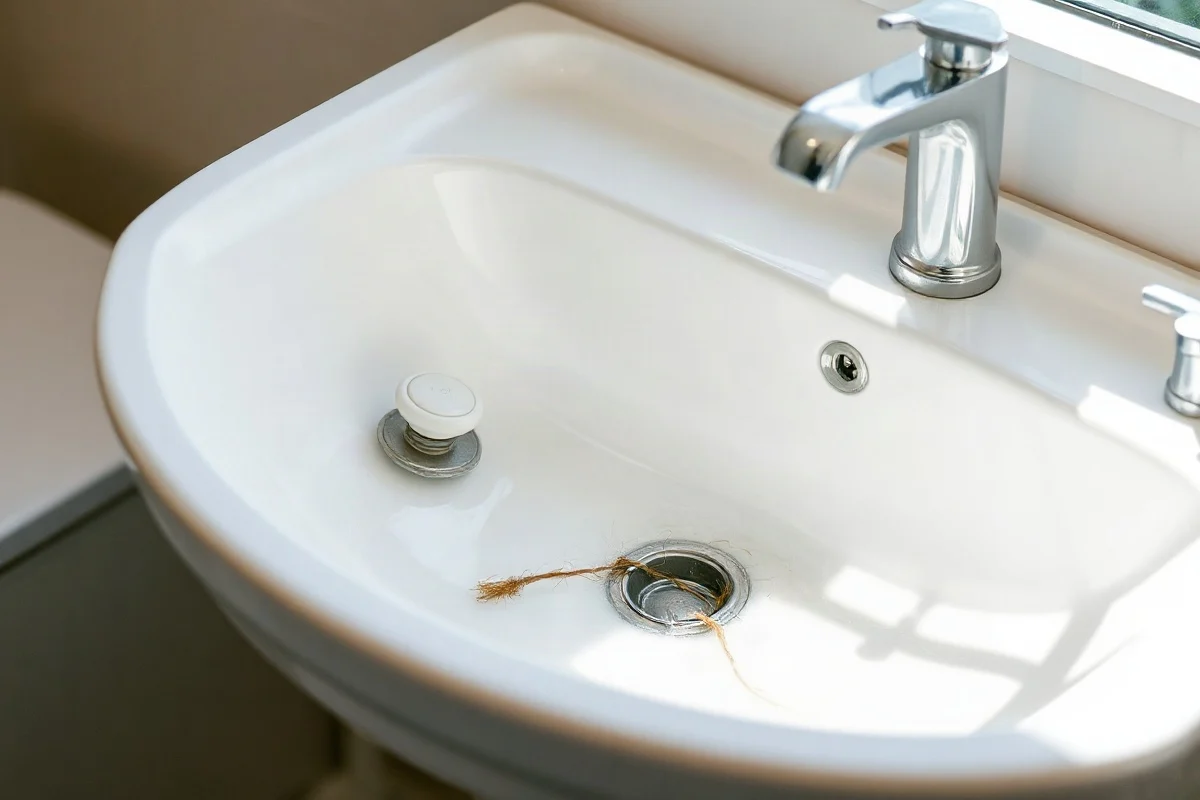
- One slow drain: Hair, soap residue, food particles, grease, or other material may be collecting near that fixture.
- Several slow drains: A blockage may be farther along in a branch drain or the home’s main drain.
- Gurgling sounds: Air trapped by a partial blockage can create bubbling or gurgling noises as water moves through the system.
- Water backing up in another fixture: Wastewater appearing in a shower, tub, floor drain, or lower sink can indicate a downstream obstruction.
- Bad odors: Odors may come from organic buildup, a dry trap, poor venting, or a damaged drain or sewer connection.
- Repeated clogs: Frequent recurrence can point to a deeper obstruction, pipe damage, improper slope, or a sewer-line problem.
When multiple fixtures back up at the same time, avoid assuming that each drain needs a separate treatment. The shared section of plumbing may be the actual problem. For broader guidance, review the drain cleaning service category.
Safe checks a homeowner can perform
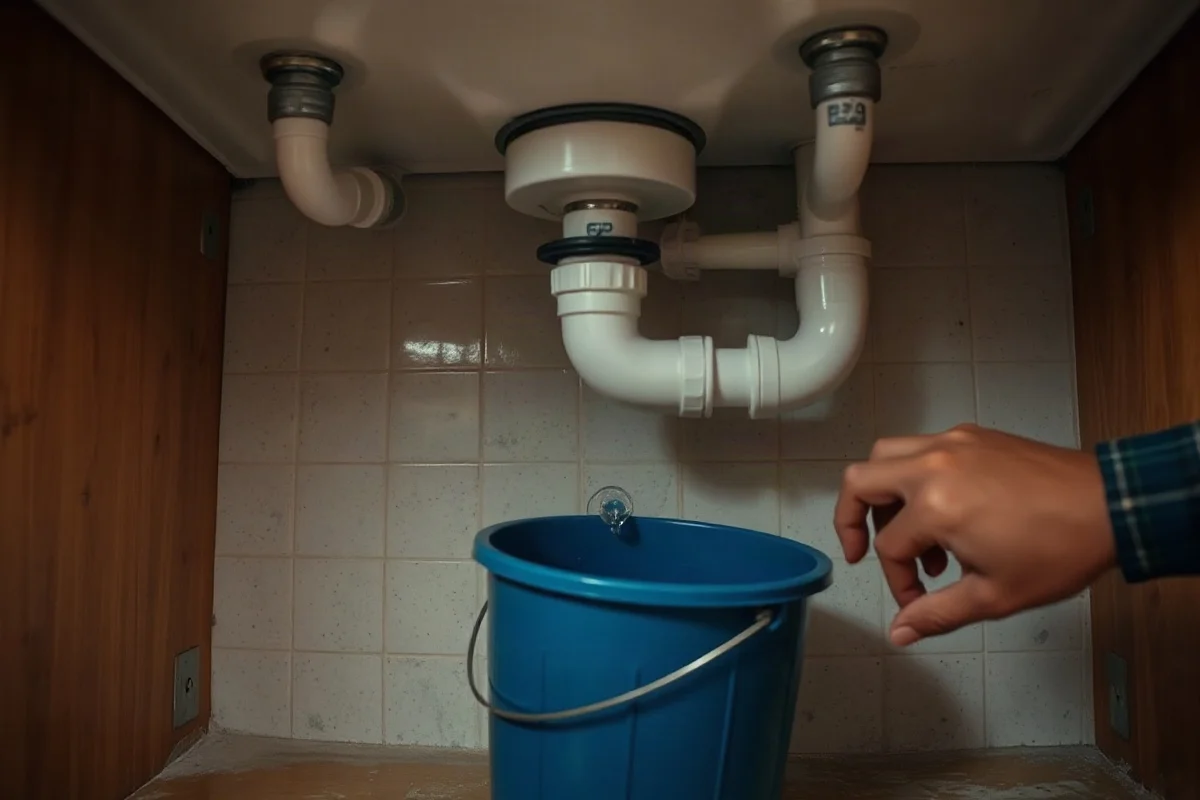
Some basic checks are low risk and can help you describe the problem accurately. Stop using the affected fixture and remove visible debris from the drain opening. In a sink, clean the stopper and inspect the accessible trap area for obvious buildup if you are comfortable doing so. Keep a bucket and towels nearby, and reassemble any removable parts carefully.
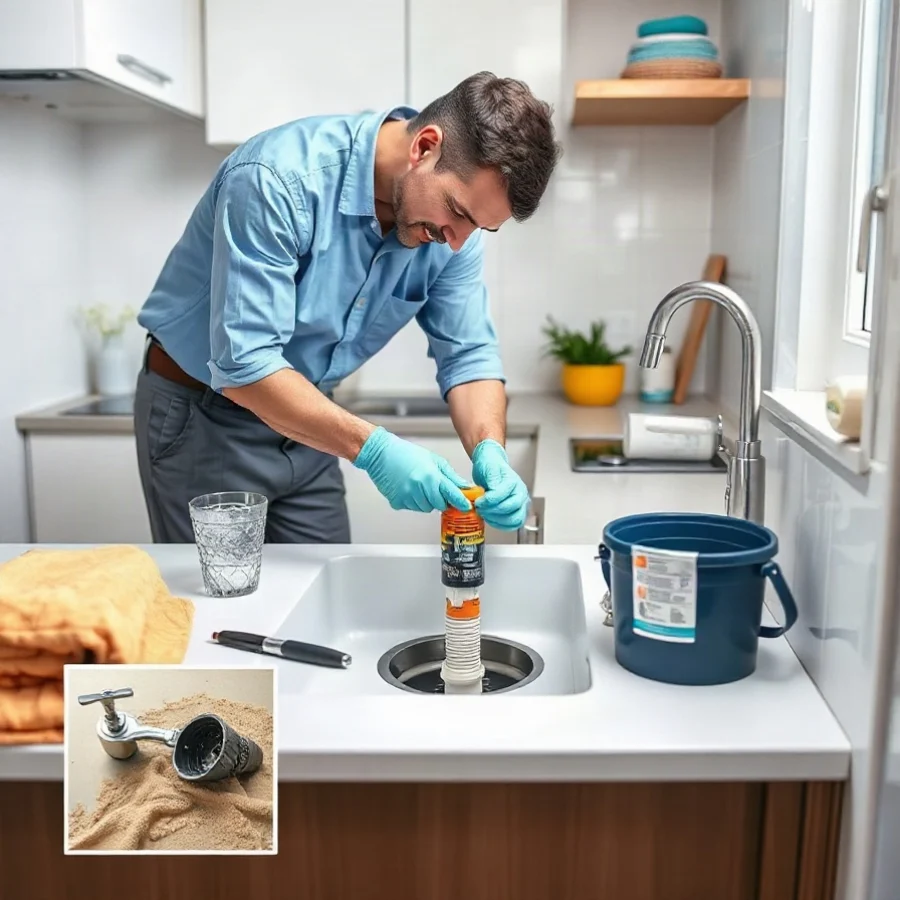
For a toilet, confirm that the shutoff valve is accessible in case the bowl begins to rise. A properly sized flange plunger may clear a simple toilet obstruction when used with controlled pressure. Do not keep plunging if water is rising rapidly or if other fixtures are backing up.
Do not mix chemical drain cleaners. Combining products can create toxic fumes or a dangerous reaction. Chemical residue can also splash onto skin and eyes or remain in the pipe when a professional later opens the drain. Tell the plumber if any drain cleaner has already been used.
Homeowners should not open a drain, clean up sewage, or continue testing fixtures when contaminated water is present. Sewage exposure requires appropriate protective practices and professional guidance. A major indoor flood, hidden leak, or unsafe electrical condition near water also calls for qualified local help.
When professional drain cleaning is the safer choice
Call a qualified local plumber when a blockage does not respond to a reasonable low-risk attempt, returns quickly, affects multiple fixtures, or causes wastewater to back up. Professional help is also appropriate when you cannot locate the obstruction, the cleanout is inaccessible, or the drain serves a basement, crawl space, or other difficult area.
Use extra caution with sewage backups, standing water near electrical equipment, suspected broken pipes, or flooding that may be entering walls or floors. Do not enter contaminated or electrically unsafe areas simply to inspect a drain. If wastewater is spreading or property damage is increasing, use the emergency plumbing guidance and contact a qualified local professional.
Factors that affect the cost of drain cleaning
Location of the blockage
A clog near a sink, shower, or tub may be easier to reach than one located deep in a branch drain or main line. Access points, cleanouts, pipe depth, and the location of the affected fixture can all influence the amount of labor involved.
Type and severity of the obstruction
Soft organic buildup may be easier to remove than hardened grease, mineral deposits, roots, foreign objects, or construction debris. A partial blockage can also be more difficult to diagnose than a complete stoppage because water may continue moving while the problem remains hidden.
Equipment and cleaning method
Different conditions call for different tools. A hand auger may be suitable for a small, accessible obstruction. A powered cable machine may be needed for a deeper blockage. Hydro jetting uses pressurized water to clean suitable piping, but it is not automatically the right choice for every drain. The plumber should assess the pipe’s condition and explain why a particular method is recommended.
Inspection and diagnosis
A camera inspection can add to the service cost, but it may provide useful information when a clog keeps returning or when a main drain is involved. The inspection can help distinguish between removable buildup and a structural problem. Ask whether the inspection is included in the estimate or billed separately.
Time, access, and service conditions
Labor can be affected by how long the work takes, whether furniture or stored items must be moved, and whether the plumber needs access to a basement, crawl space, exterior cleanout, or other restricted location. After-hours, holiday, or emergency appointments may follow different pricing terms than scheduled service. Confirm those terms before work begins whenever possible.
Repairs discovered after cleaning
A drain may be blocked because the pipe itself is damaged. If the plumber finds a broken connection, root intrusion, severe corrosion, or a collapsed section, the estimate may change because repair or replacement is a separate scope of work. Do not approve major work based only on a vague description. Request an explanation, photographs or inspection findings when available, and a written proposal.
Cleaning, repair, or replacement: how to think about the decision
Cleaning is usually the first step when the pipe appears intact and the obstruction is removable. Repair becomes more likely when the same line clogs repeatedly, a camera shows a defect, or water leaks from a concealed section. Replacement may be considered when a section of pipe has extensive damage or when repeated repairs are no longer practical.
Do not agree to pipe replacement solely because a drain is slow. Ask what evidence supports the recommendation and whether a less invasive cleaning or inspection can clarify the condition. At the same time, repeated temporary cleanings can become wasteful if the pipe has a structural problem. The best decision connects the proposed work to a documented cause.
If a drain problem appears connected to a damaged water supply pipe rather than a waste line, see the pipe repair information. Suspected sewer-line problems may require a different inspection and repair plan than an indoor fixture clog.
Questions to ask before hiring a drain cleaner
- What do you think is causing the blockage?
- Is the estimate flat-rate, hourly, or based on another pricing method?
- What equipment do you expect to use?
- Is the initial inspection included?
- Could the price change if the blockage is deeper or the pipe is damaged?
- Will you explain and document any recommended repair?
- What should I do if the drain backs up again?
- How will you protect nearby floors, cabinets, and finished surfaces?
Compare more than the lowest advertised price. Look for clear communication, relevant experience, appropriate equipment, and a willingness to explain the scope of work. Use local directories and recommendations to identify qualified providers, then verify the details that matter in your area rather than relying on a generic online claim. The guide to hiring a plumber can help you organize those questions.
How to reduce future drain problems
Use sink strainers where appropriate, keep grease and cooking oils out of drains, and avoid flushing wipes or other products that are not intended for the plumbing system. Clean removable stoppers regularly and respond to slow drainage before it becomes a full backup. If a particular fixture repeatedly clogs, record when it happens and what was used before the symptom appeared. That information can help a plumber find the cause faster.
There is no single price that applies to every house drain cleaning job. The most reliable way to control the expense is to identify the affected fixtures, stop unsafe testing, ask for a clear estimate, and understand whether the recommendation is cleaning, inspection, repair, or replacement. A qualified local plumber can then match the method to the actual condition of the drain instead of guessing from the symptom alone.
Comments
0No comments yet. Be the first to share a helpful note or question.
Leave a Comment
Your email address will not be published. Comments are reviewed before appearing on the site.