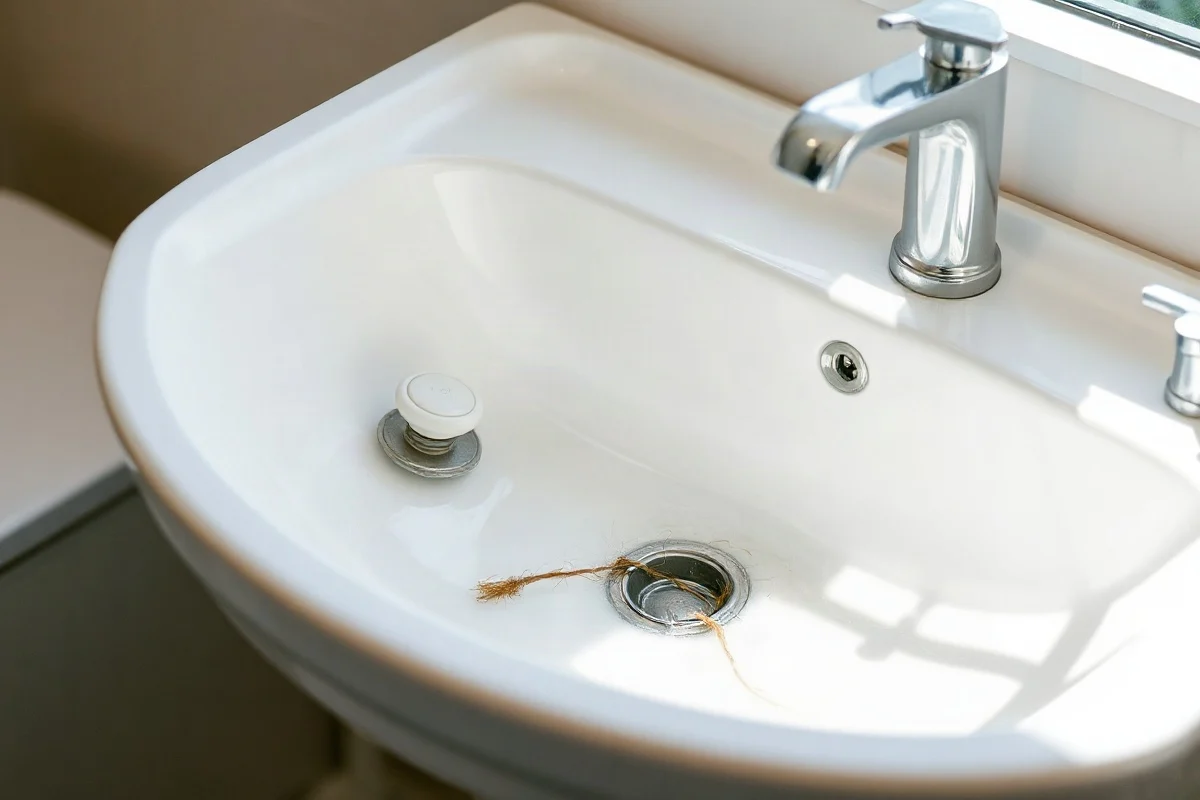
A bathroom sink that drains slowly but does not stop completely usually has a partial blockage, not a fully closed drain. Hair, soap residue, toothpaste, shaving debris, mineral buildup, or a dirty pop-up stopper can narrow the passage enough to slow water while still allowing some flow. The problem may also involve buildup inside the trap or drainpipe. A few low-risk checks can help, but recurring slow drainage, leaks, sewage odors, or a blockage deeper in the plumbing system should be evaluated by a qualified local plumber.
What a Slowly Draining Bathroom Sink Usually Means
When water eventually disappears but takes longer than it used to, something is restricting the drain pathway. A complete clog blocks water entirely. A partial clog leaves a smaller opening, so the sink may drain slowly at first and become worse over time.
The restriction is often close to the drain opening, especially when the sink has a lift rod and pop-up stopper. However, the obstruction can also be inside the curved P-trap beneath the sink or farther down the branch drain. The location matters because surface cleaning may solve a nearby buildup but will not correct a deeper problem.
Common Causes of a Slow Bathroom Sink Drain
Hair and soap residue
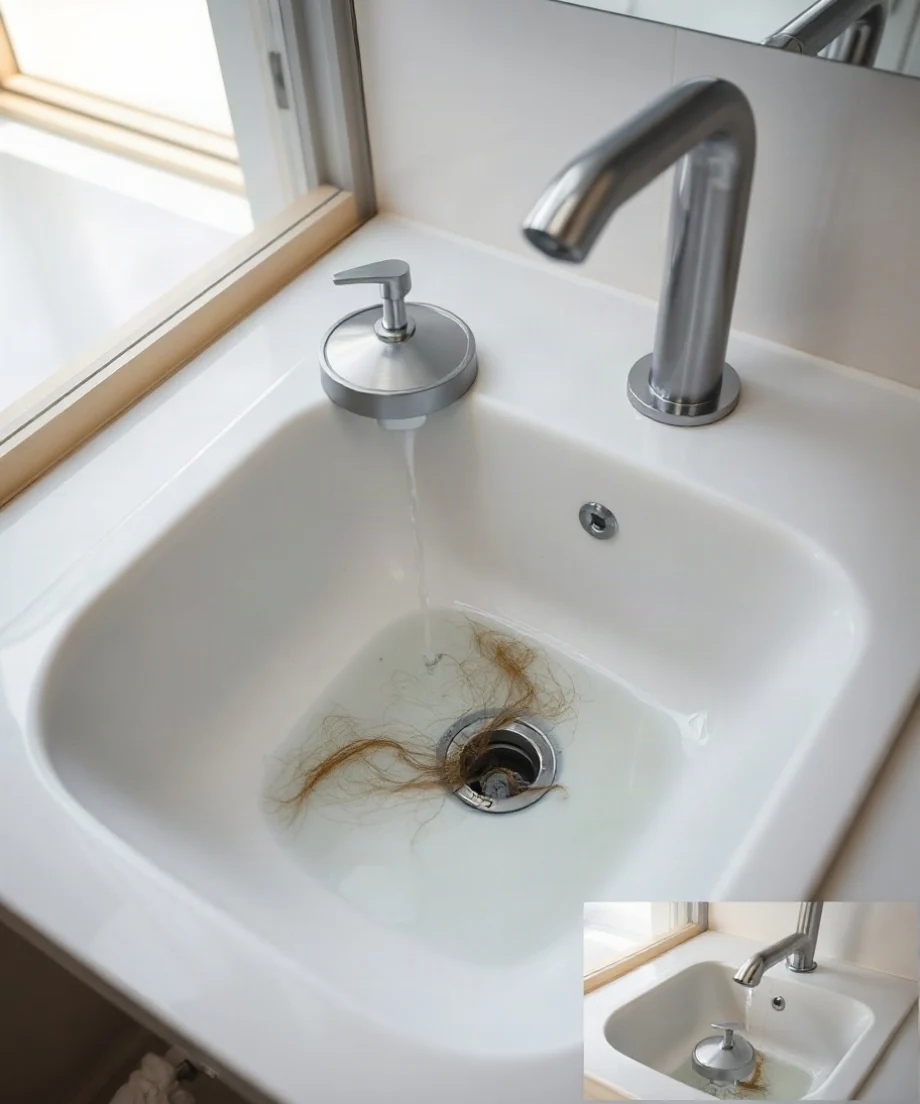
Hair commonly catches on the stopper mechanism or on rough areas inside the drain. Soap, toothpaste, skin oils, and shaving products can then stick to that hair and form a soft, sticky mass. This combination is one of the most common reasons a bathroom sink becomes slow without being completely clogged.
A dirty or restricted pop-up stopper
The stopper sits inside the drain opening and is designed to hold water in the basin. Over time, it can collect hair and residue underneath the cap or around the connecting rod. If the stopper is not opening fully, it may reduce the available space for water to pass through.
Buildup inside the P-trap
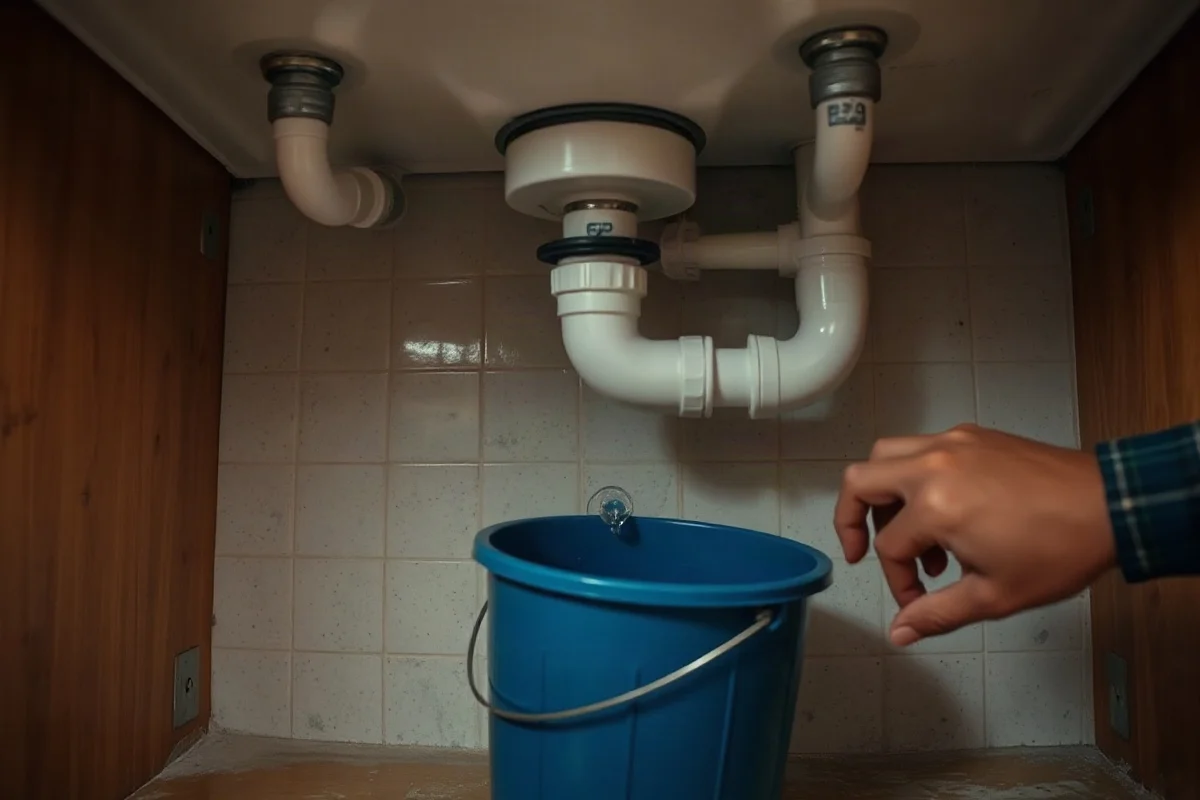
The P-trap is the curved section of pipe beneath the sink. It holds water to help block sewer gases from entering the room. Sediment, toothpaste, hair, and other debris can accumulate in the trap and restrict flow. A partially blocked trap may allow the sink to drain slowly while still preventing a complete backup.
Mineral deposits
Hard-water minerals can build up on the inside of drain components. This narrows the passage and gives debris more places to catch. Mineral buildup is more likely when the slow drainage develops gradually and cleaning the stopper does not make a noticeable difference.
A blocked vent or deeper drain restriction
Plumbing vents help air move through the drainage system. If a vent is blocked or a restriction exists farther down the drain, the sink may drain slowly, gurgle, or make bubbling sounds. A deeper obstruction becomes more likely when nearby fixtures also drain slowly or when the problem returns soon after cleaning.
A problem with the drainpipe or surrounding plumbing
Older, damaged, misaligned, or heavily corroded pipes can restrict drainage. A hidden leak or pipe defect may also affect how water moves through the system. Work involving concealed pipes, structural damage, or suspected leaks is best handled by a qualified professional rather than treated as a simple drain-cleaning task.
Safe Checks Homeowners Can Try
Start with simple observations and low-risk cleaning. Stop if a fitting begins to leak, a pipe appears damaged, or you are unsure how the components are assembled.
1. Check the stopper and drain opening
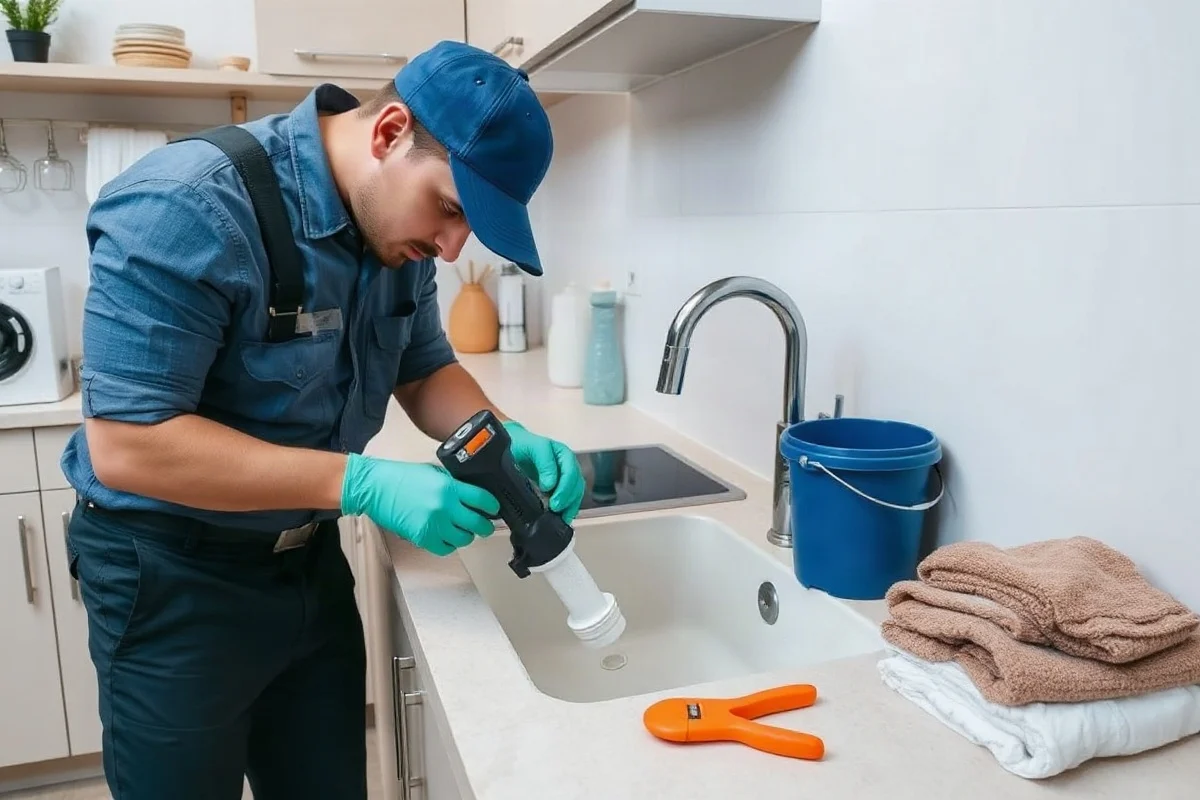
Remove visible debris from around the drain opening. If the pop-up stopper lifts out easily according to its design, inspect it for hair and residue, then clean it with a paper towel or disposable brush. Wear gloves and wash your hands afterward.
Do not force a stopper that is stuck. The lift rod, retaining clip, or pivot rod beneath the sink can be damaged if pulled or twisted aggressively. A plumber can remove and repair a stubborn mechanism without turning a minor blockage into a fitting problem.
2. Clean the sink overflow opening
Many bathroom sinks have an overflow opening near the upper inside wall of the basin. It can collect residue and may contribute to unpleasant odors. Wipe the accessible area and rinse it carefully with warm water. Avoid inserting sharp objects deep into the opening, where they could damage internal components or become lodged.
3. Try a sink plunger carefully
A small cup-style sink plunger may help loosen a nearby partial blockage. Add enough water to cover the plunger’s rim, and cover the overflow opening with a damp cloth to improve pressure. Use controlled plunges rather than extreme force.
Do not plunge if you recently poured chemical drain cleaner into the sink. Splashback can cause serious chemical injuries. Also use caution if the sink has fragile fixtures, a loose drain assembly, or visible leaks.
4. Inspect the cabinet for leaks
Look beneath the sink for moisture around the drain body, tailpiece, P-trap, shutoff valves, and supply connections. Place a dry paper towel under the fittings, run a small amount of water, and check whether it becomes wet. A leak may be unrelated to the slow drain, but finding one early can help prevent cabinet, flooring, or wall damage.
If you find active leaking, swelling wood, water near electrical equipment, or water entering a wall or floor, stop using the sink and contact a qualified local professional. Hidden leaks and significant water damage should not be handled as routine drain cleaning.
Should You Use Chemical Drain Cleaner?
Chemical drain cleaners are not always the best first response to a slow bathroom sink. They may fail to remove hair or solid debris, and leftover product can remain in the trap. That creates a hazard for anyone who later opens the pipe or plunges the sink. Some products can also damage certain plumbing components or finishes, depending on the product and the installation.
Do not mix drain-cleaning chemicals with bleach, ammonia, vinegar, another drain product, or any other cleaner. If chemical cleaner has already been used and the sink remains blocked, tell the plumber exactly what product was used before service begins. For practical homeowner projects and safety limits, review this DIY plumbing guide.
When a Professional Should Inspect the Drain
Call a qualified local plumber when the slow drainage continues after basic cleaning, returns repeatedly, or affects more than one fixture. Professional help is also appropriate when:
- The sink makes gurgling or bubbling sounds.
- Water backs up into the basin after another fixture drains.
- The sink and shower, tub, or toilet are all draining slowly.
- There is a persistent sewage odor.
- The P-trap or drain assembly leaks after cleaning.
- You see corrosion, cracked pipe, or damaged fittings.
- A plunger does not improve the flow.
- The obstruction appears to be inside a wall, floor, or deeper drain line.
Multiple slow fixtures can indicate a shared branch-drain or sewer-line issue rather than a problem limited to the sink. Sewage exposure, major flooding, concealed leaks, and damaged piping require qualified local help. If wastewater is backing up or spreading, limit contact, keep children and pets away, and seek professional assistance.
Repair or Replacement: What Usually Makes Sense?
A cleaning or minor adjustment is often reasonable when the stopper is dirty, the trap contains removable debris, or a nearby partial blockage is found. The plumber may remove the stopper, clean the trap, clear the drain with appropriate equipment, and test the sink afterward.
Replacement may make more sense when the pop-up assembly is corroded, the drain body is damaged, or repeated repairs do not restore reliable operation. A P-trap or drain section may need replacement if it is cracked, severely corroded, or unable to maintain a watertight connection. The correct decision depends on the condition of the parts, access to the plumbing, and whether the restriction is isolated or part of a larger drainage problem.
Avoid replacing visible parts simply because the sink is slow. A new stopper will not solve a blockage farther down the line, and replacing a trap will not correct a vent or shared-drain problem. Diagnosis should come before replacement whenever the cause is unclear. For related sink and fixture issues, see faucet and sink repair information.
What Affects the Cost of Professional Drain Service?
The total cost depends on the cause and difficulty of the repair, not just the fact that the sink is slow. Important factors can include:
- Whether the blockage is at the stopper, trap, branch drain, or a deeper line.
- How accessible the plumbing is beneath the sink or inside a wall.
- Whether the plumber needs specialized drain-cleaning or inspection equipment.
- Whether a leaking or corroded component must be repaired or replaced.
- Whether more than one fixture is affected.
- The timing and service conditions of the visit.
- Any water damage, cleanup, or additional diagnostic work.
Because local labor rates and job conditions vary, request a written explanation of the recommended work and ask whether the estimate covers diagnosis, drain clearing, parts, and follow-up testing. You can also review general plumbing cost factors without relying on a one-size-fits-all price.
How to Choose the Right Plumber
Choose a local plumbing professional who clearly explains the likely cause, the proposed method, and the limits of the diagnosis. Ask whether the person has experience with bathroom drain restrictions, leaking traps, and recurring blockages. Before work begins, confirm the service scope, parts that may be replaced, payment terms, and any documentation the company provides.
Be cautious of anyone who immediately recommends extensive replacement without inspecting the sink, trap, or affected fixtures. A dependable professional should distinguish a simple local blockage from a possible branch-drain, vent, or sewer-line issue. For more guidance, use this guide to hiring a plumber.
Preventing Another Slow Drain
Keep hair, cotton products, wipes, and other debris out of the sink. Clean the stopper regularly, especially if several people use the bathroom or the sink is used for shaving. Do not pour grease, thick creams, paint, or harsh chemicals into the drain. Run water long enough to carry away normal residue, but do not treat frequent slow drainage as something that must be managed indefinitely.
A bathroom sink that drains slowly is often a manageable partial blockage, but the pattern matters. If basic cleaning restores normal flow and the problem stays resolved, continued monitoring may be enough. If the sink repeatedly slows down, other fixtures are affected, or leaks and odors appear, professional diagnosis can prevent a small restriction from becoming a larger plumbing problem.
Comments
0No comments yet. Be the first to share a helpful note or question.
Leave a Comment
Your email address will not be published. Comments are reviewed before appearing on the site.