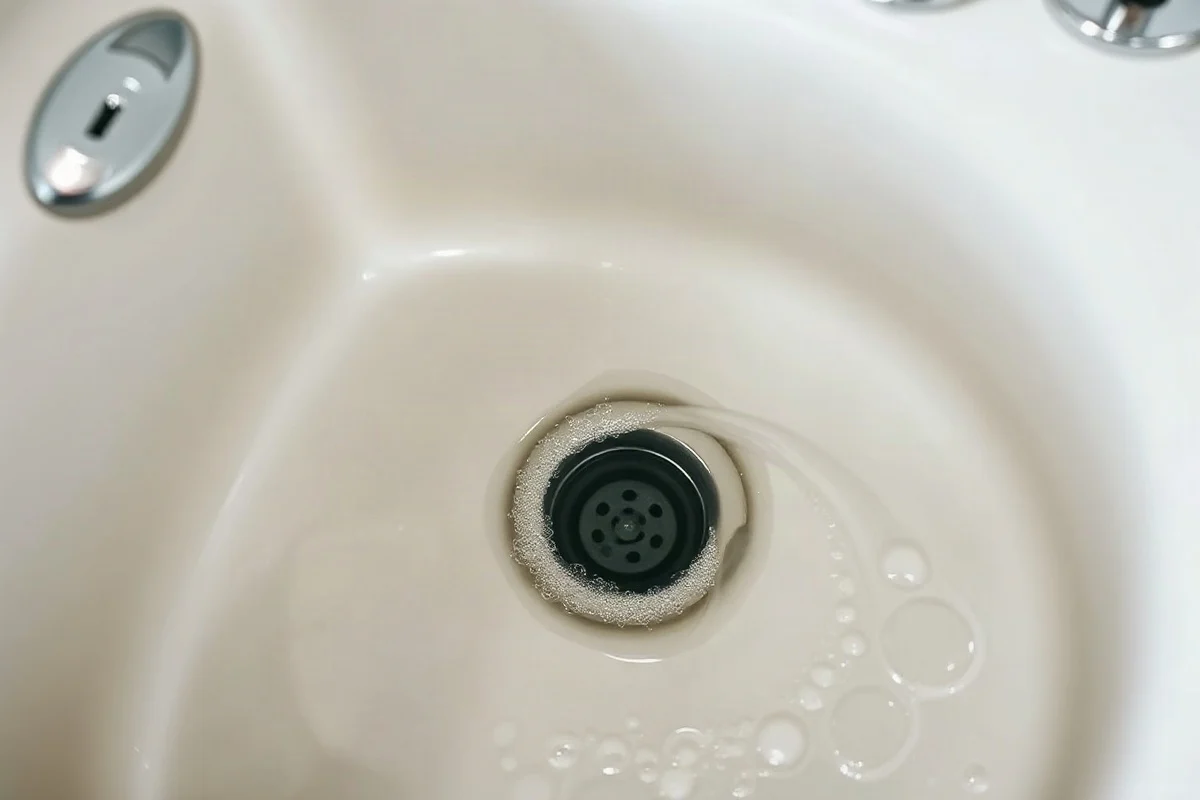
A gurgling sound in a kitchen sink drain usually means air and water are not moving normally through the plumbing. The most common causes are a developing clog in the trap or drain line, a blocked or poorly functioning vent, a garbage disposal restriction, or a problem farther along the shared drain system. Occasional noise after draining may be minor, but repeated gurgling—especially with slow drainage, odors, or backup—deserves attention before the blockage becomes a larger plumbing problem.
What the Gurgling Sound Means
Drainpipes need both water flow and air movement. As water travels down a pipe, the plumbing vent system helps balance air pressure so the water can drain smoothly. When a partial obstruction or vent problem interferes with that balance, air may be pulled through the water in the trap. That bubbling or gulping movement creates the familiar gurgling noise.
In practical terms, the sound is a warning that the drain system is working harder than it should. It does not identify one specific failed part by itself, so the timing, location, and accompanying symptoms matter.
Common Causes of a Gurgling Kitchen Sink
A Partial Clog in the Sink Trap or Drainpipe
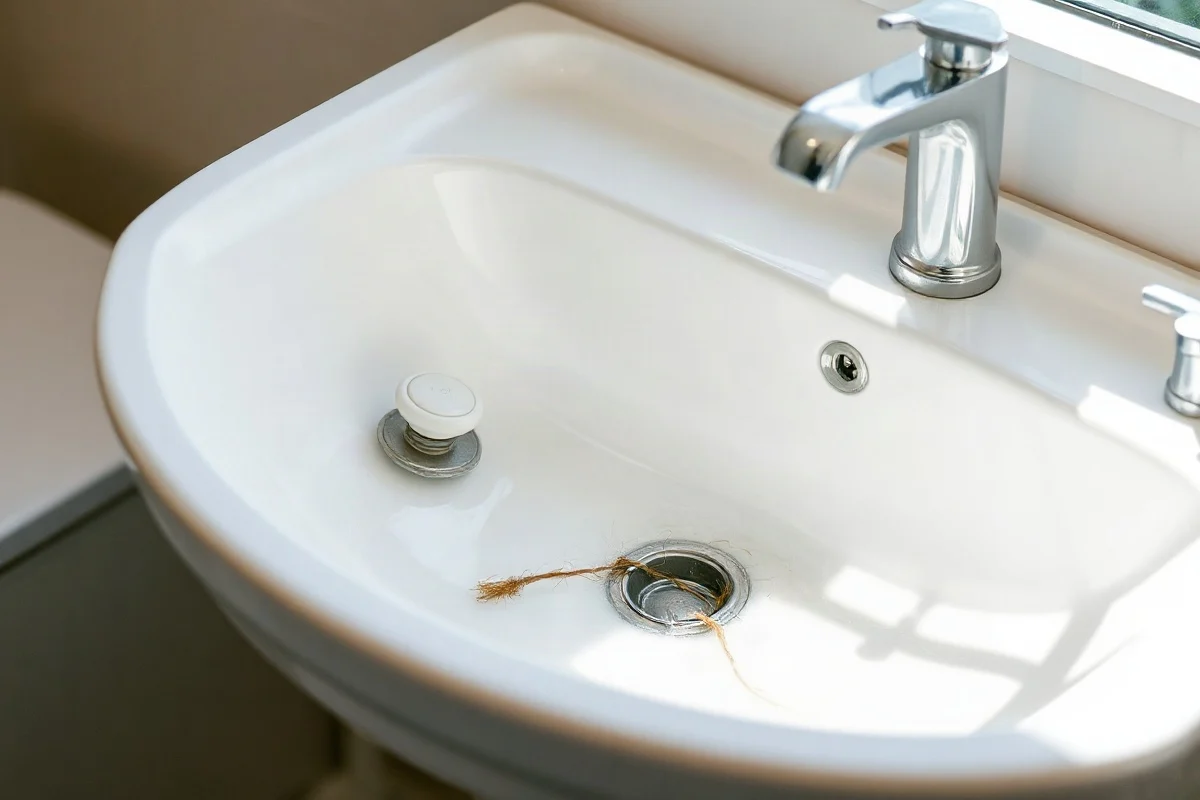
Grease, food particles, soap residue, and mineral buildup can narrow the inside of a drain without stopping it completely. Water may still flow, but the restricted passage can trap air and create bubbling or gulping sounds.
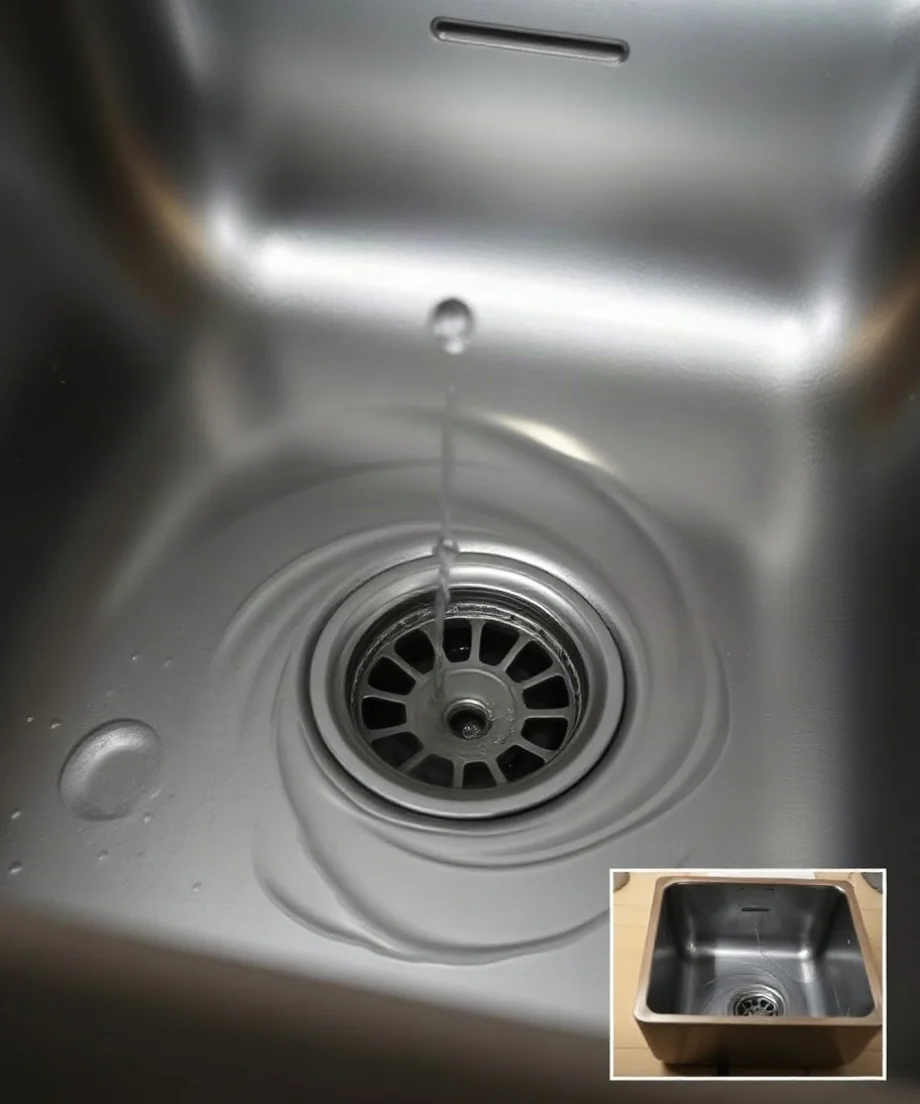
A partial clog often comes with one or more additional signs:
- The sink drains more slowly than it used to.
- Water rises briefly in one basin when the other basin drains.
- The drain makes noise for several seconds after the water is turned off.
- There is a sour, greasy, or sewage-like odor near the sink.
- The dishwasher discharge causes the sink to bubble or fill.
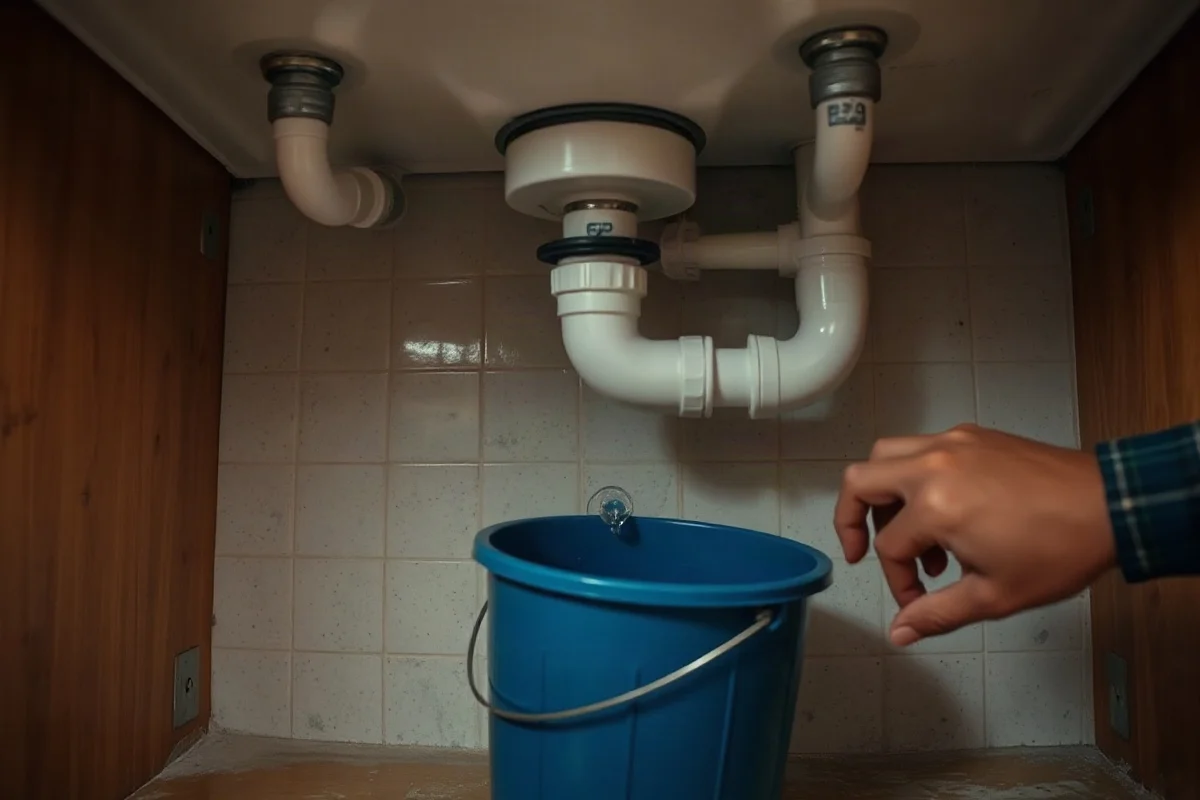
The obstruction may be in the curved trap directly below the sink or deeper in the wall drain. This distinction matters because a trap blockage can sometimes be addressed with basic maintenance, while a wall-pipe restriction may require professional snaking or another appropriate drain-cleaning method. You can review the difference in how to tell whether a clog is in the trap or the wall pipe.
A Blocked or Restricted Plumbing Vent
Plumbing vents extend through the building and allow air into the drainage system. If a vent is blocked by debris, an animal nest, ice, or another obstruction, the drain may struggle to maintain normal pressure. The sink can gurgle even when the visible drain opening is relatively clear.
Vent-related problems may affect more than the kitchen. You might notice bubbling in another fixture, slow drainage in several rooms, or unusual noises when toilets are flushed. Accessing a roof vent can involve fall hazards, and diagnosing or clearing a vent may require specialized equipment. Do not climb onto a roof or dismantle concealed plumbing to investigate this yourself. A qualified local plumber can determine whether the vent or another part of the drainage system is responsible.
A Garbage Disposal Restriction
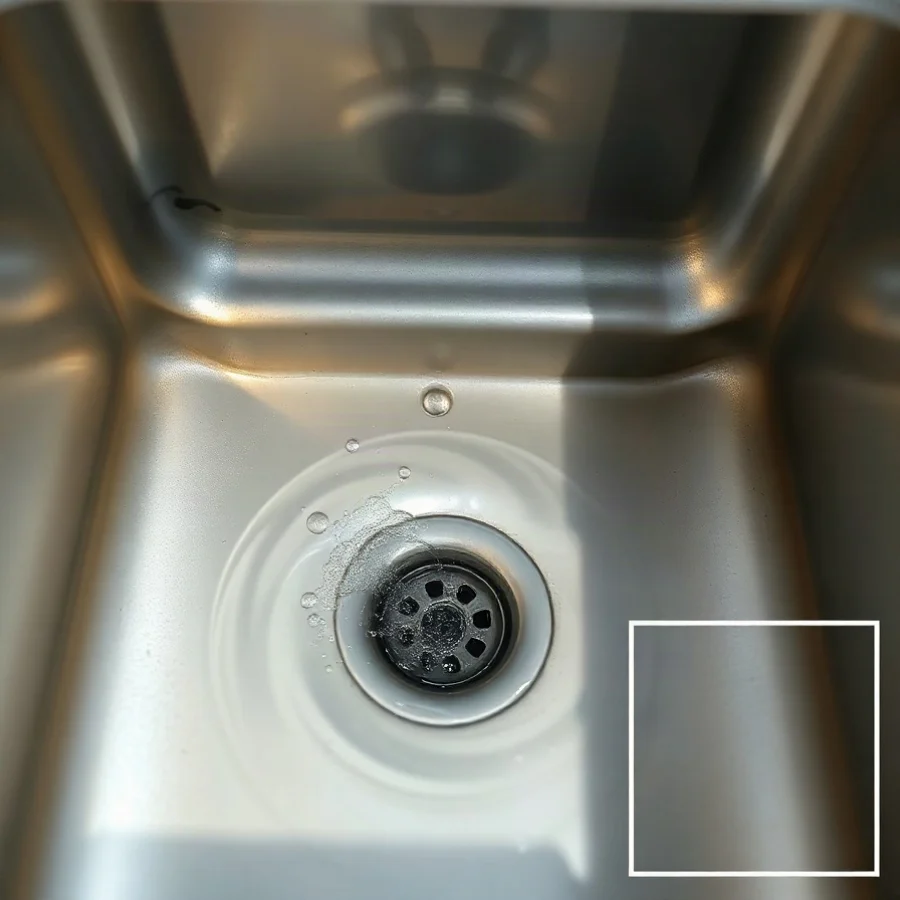
If the sink is connected to a garbage disposal, food waste can collect inside the disposal chamber, discharge elbow, or nearby drainpipe. A disposal that hums, drains slowly, or leaves standing water may contribute to gurgling. A newly installed or replaced disposal can also drain poorly if the dishwasher connection was not prepared correctly, but that issue should be evaluated by someone familiar with the appliance and the plumbing connection.
For a low-risk check, turn off the disposal switch and avoid placing your hands inside the unit. Use a flashlight to look for visible material near the opening, but do not reach into the disposal. If the unit is jammed, trips a breaker, leaks, smells burned, or requires electrical troubleshooting, stop and use a qualified professional. Electrical components and disposal wiring are not appropriate areas for guesswork.
A Clogged Shared Drain or Sewer Line
Kitchen drains can connect to larger branch lines serving other fixtures. If the restriction is farther downstream, the sink may gurgle when a dishwasher runs, a nearby bathroom fixture is used, or a washing machine drains. Multiple slow or bubbling fixtures suggest that the problem may not be limited to the kitchen sink.
Backups involving sewage, wastewater rising from a floor drain, or repeated blockages throughout the home require prompt professional attention. Avoid contact with contaminated water, keep children and pets away, and do not continue running water in the building until the source is assessed. A possible sewer-line issue is best handled through a qualified local sewer or plumbing professional.
An Improperly Installed or Damaged Drain Assembly
Changes to the sink, disposal, dishwasher, trap, or drain piping can sometimes create drainage and air-flow problems. Incorrect pipe alignment, an unsuitable trap configuration, a loose connection, or a sagging section of pipe may produce gurgling and recurring slow drainage.
This possibility becomes more likely if the noise began after a renovation, fixture replacement, cabinet work, or drain repair. Take photographs of the visible piping and note what changed, but avoid repeatedly disassembling the connections. Hidden leaks inside the cabinet or wall can cause serious damage before they become obvious.
Safe Checks You Can Make First
Homeowners can perform a few basic observations without taking apart the plumbing. These checks can help describe the problem to a professional:
- Run a small amount of water and observe how quickly the basin empties.
- Listen for gurgling during draining and for bubbling when the dishwasher or another fixture runs.
- Check whether one sink basin affects the other in a double-bowl sink.
- Look under the cabinet for visible drips, dampness, corrosion, or water staining.
- Notice whether the odor smells like food residue, grease, or sewage.
- If a disposal is present, confirm that its switch is off before looking into the opening.
A plunger may help with a simple, localized sink clog, but use the correct type for the fixture and protect any nearby openings in a double-basin sink. Stop if water backs up elsewhere, the blockage does not improve, or force is required. Avoid mixing drain chemicals or using them immediately before professional service. Chemical products can injure people, damage some plumbing components, and create a hazard for anyone who later opens the trap or drain line. For more context, see chemical drain cleaner versus professional snaking.
When a Plumber Should Inspect the Drain
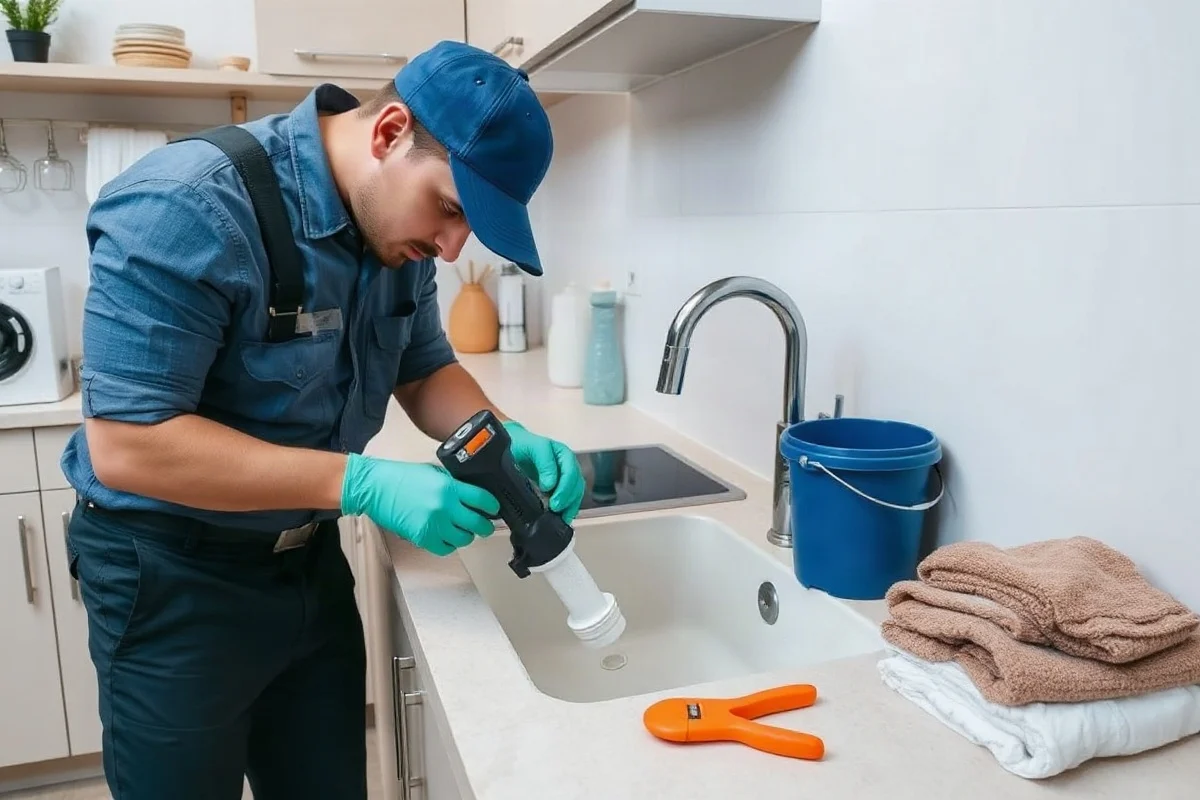
Schedule qualified local help when gurgling is persistent, returns soon after a temporary improvement, or occurs with slow drainage and foul odors. Professional evaluation is also appropriate when the clog appears to be in the wall pipe, when several fixtures are affected, or when the sink backs up repeatedly.
Call for prompt assistance if water is spreading into cabinets or flooring, a concealed leak is suspected, wastewater is backing up, or a major blockage prevents normal use of the kitchen. If electrical wiring, a garbage disposal connection, sewage exposure, or structural water damage is involved, avoid do-it-yourself repairs and use a qualified professional. You can find additional guidance through the drain cleaning service category.
Repair or Replacement: What Usually Makes Sense?
A gurgling sound does not automatically mean a pipe or fixture must be replaced. If the cause is a localized buildup, the appropriate repair may be drain cleaning. A damaged trap, loose connection, failed disposal component, or visibly corroded section may be repairable or replaceable depending on its condition and accessibility.
Replacement becomes more likely when a component is cracked, repeatedly leaks, badly corroded, unsafe, or no longer functions reliably. A professional should also assess recurring problems rather than treating each episode as a separate clog. Repeated cleaning may provide only temporary relief if the underlying issue is a vent, damaged pipe, improper installation, or restriction deeper in the drainage system.
What Affects the Cost of Professional Service?
The final cost depends on the actual cause and the work required, so a single universal price would be misleading. Important factors may include:
- Whether the obstruction is in the trap, branch drain, vent, or larger sewer line.
- How accessible the affected pipe or fixture is.
- Whether specialized drain-cleaning or inspection equipment is needed.
- Whether water damage, contaminated water, or a hidden leak is present.
- Whether a disposal, trap, pipe section, or other component needs repair or replacement.
- The timing and urgency of the visit, as well as local service conditions.
Ask the plumber to explain the suspected cause, recommended method, parts and labor included, and any conditions that could change the estimate. The plumbing costs category offers broader guidance without assuming a specific local price.
How to Choose the Right Plumber
Choose a local plumbing professional who is equipped to diagnose both drain restrictions and vent or sewer-related problems. Before work begins, describe when the gurgling occurs, which fixtures are affected, whether the kitchen has a disposal, and whether you have noticed odors, leaks, or backups.
Ask what inspection or cleaning method is recommended and why. A careful professional should distinguish a simple sink clog from a problem in the wall pipe or shared drainage system. For work involving sewage, concealed leaks, electrical connections, major flooding, or code-related changes, confirm that the provider has the appropriate qualifications for the work in your area. Avoid anyone who promises a guaranteed diagnosis without inspecting the plumbing or pressures you to approve unnecessary replacement immediately.
A gurgling kitchen sink is often an early sign of restricted drainage or an air-pressure problem. Safe observations can help narrow the possibilities, but persistent noise, multiple affected fixtures, sewage, leaks, and disposal or electrical concerns call for qualified local help. Addressing the cause early can reduce the chance of a complete blockage or water damage later.
Comments
0No comments yet. Be the first to share a helpful note or question.
Leave a Comment
Your email address will not be published. Comments are reviewed before appearing on the site.