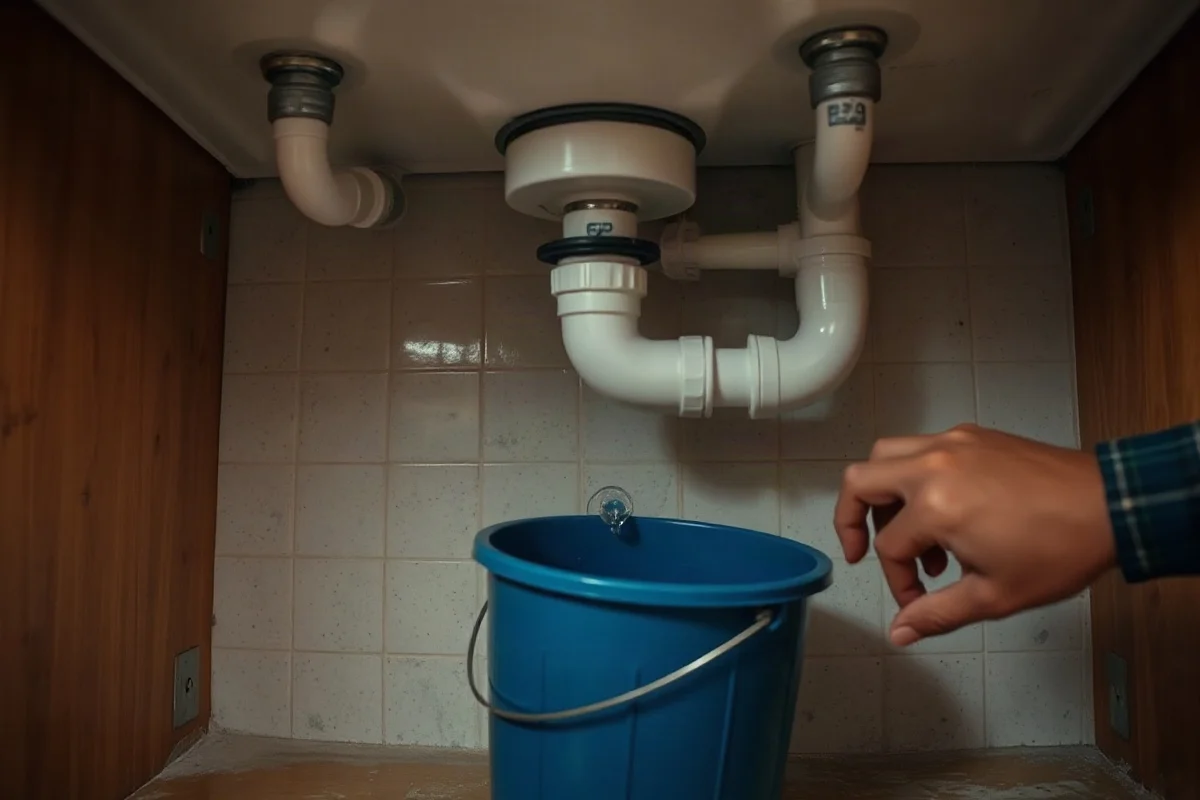
If water backs up in only one sink, the clog is often in the drain opening, tailpiece, or removable P-trap beneath the fixture. If the trap is clear but the sink still drains slowly or not at all, the blockage is more likely in the wall pipe or a shared drain line. You can perform a few low-risk checks, but work inside the wall, sewage-related problems, hidden leaks, and persistent backups should be handled by a qualified local plumber.
What the Trap and Wall Pipe Do
The P-trap is the curved section of pipe directly beneath a sink. It holds a small amount of water that helps block sewer gases from entering the room. Because the trap is accessible and its curved shape collects debris, it is a common location for clogs caused by hair, soap residue, grease, food particles, or small objects.
The wall pipe begins where the drain passes through the wall behind the sink. It connects the fixture branch drain to the larger drainage system. A blockage in this section may be farther from view and can affect more than one fixture, especially when several drains share the same branch line.
Signs the Clog Is Probably in the Trap
A trap clog usually produces a localized problem. Look for a pattern that affects one fixture without causing drainage problems elsewhere.
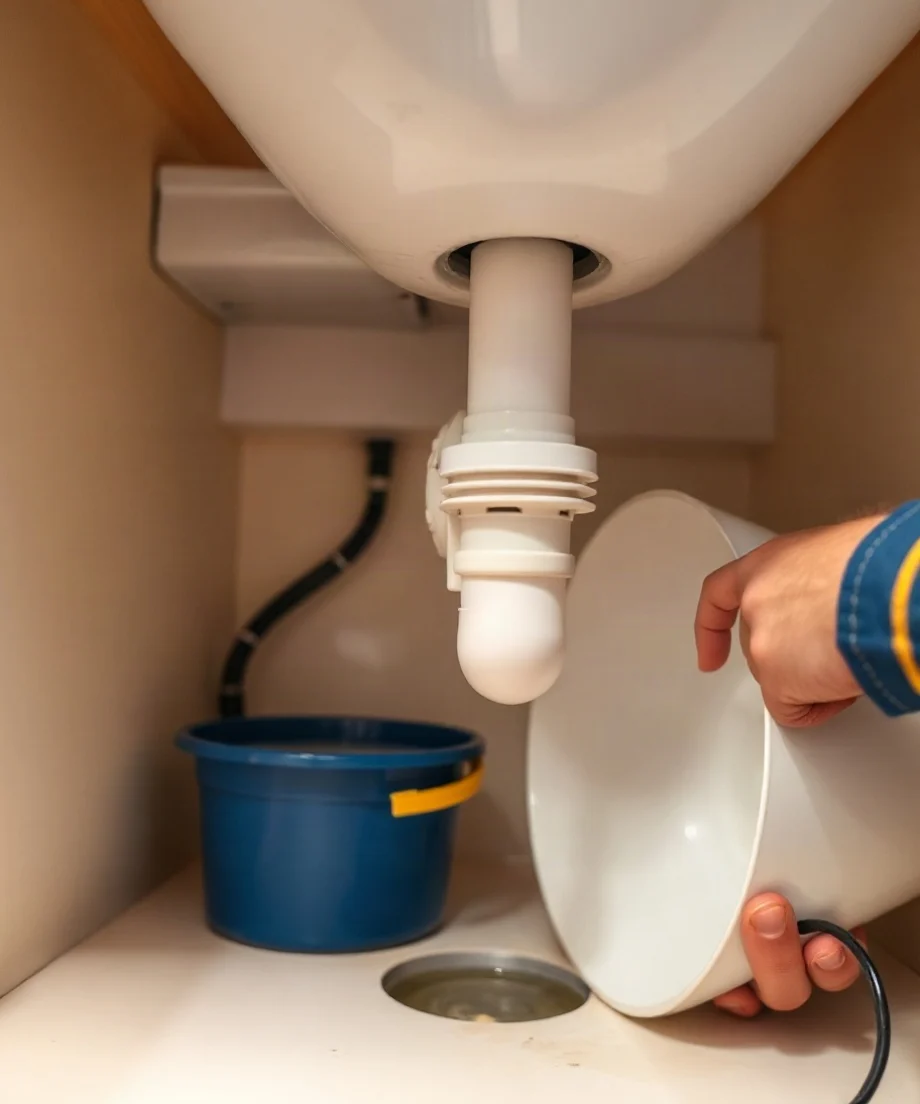
- Only one sink is affected. Nearby fixtures, such as a toilet, shower, or second sink, drain normally.
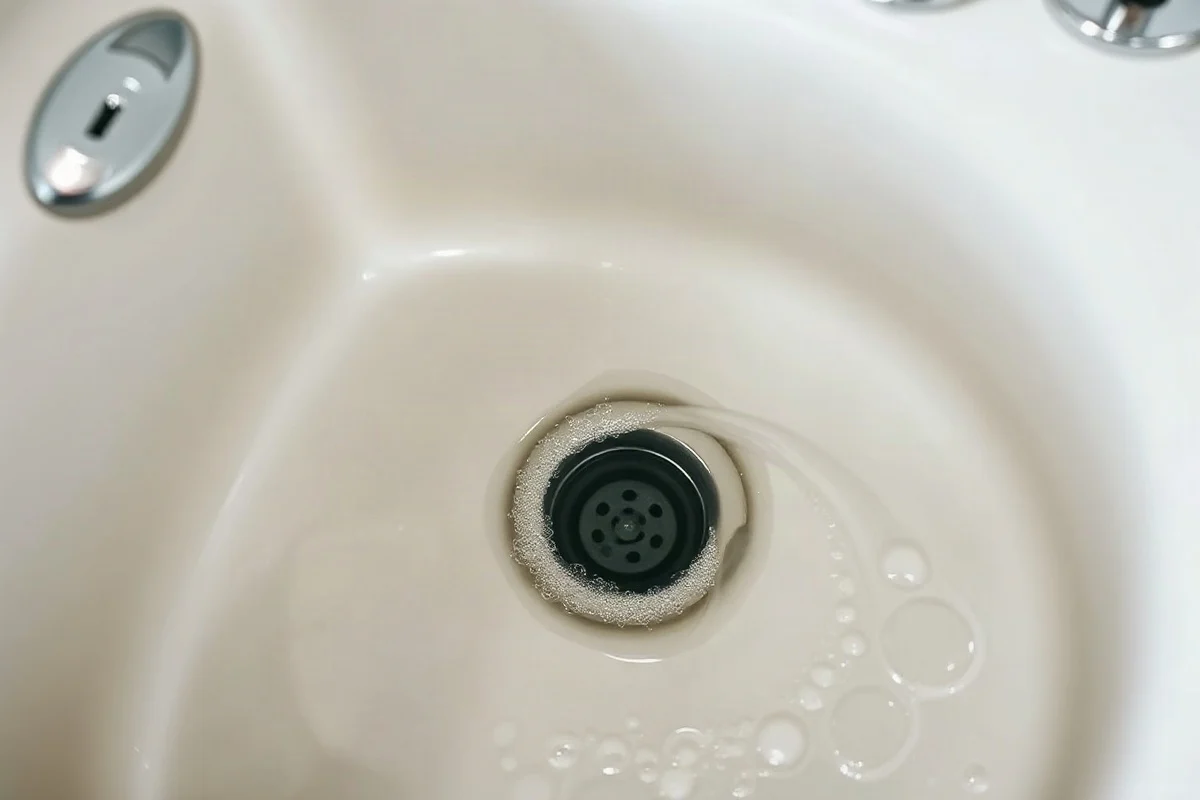
- The water level rises quickly. A complete trap blockage can cause water to remain in the basin with little or no movement.
- The problem started after a small object fell into the drain. Jewelry, a bottle cap, food, or a cleaning tool may become lodged in the trap.
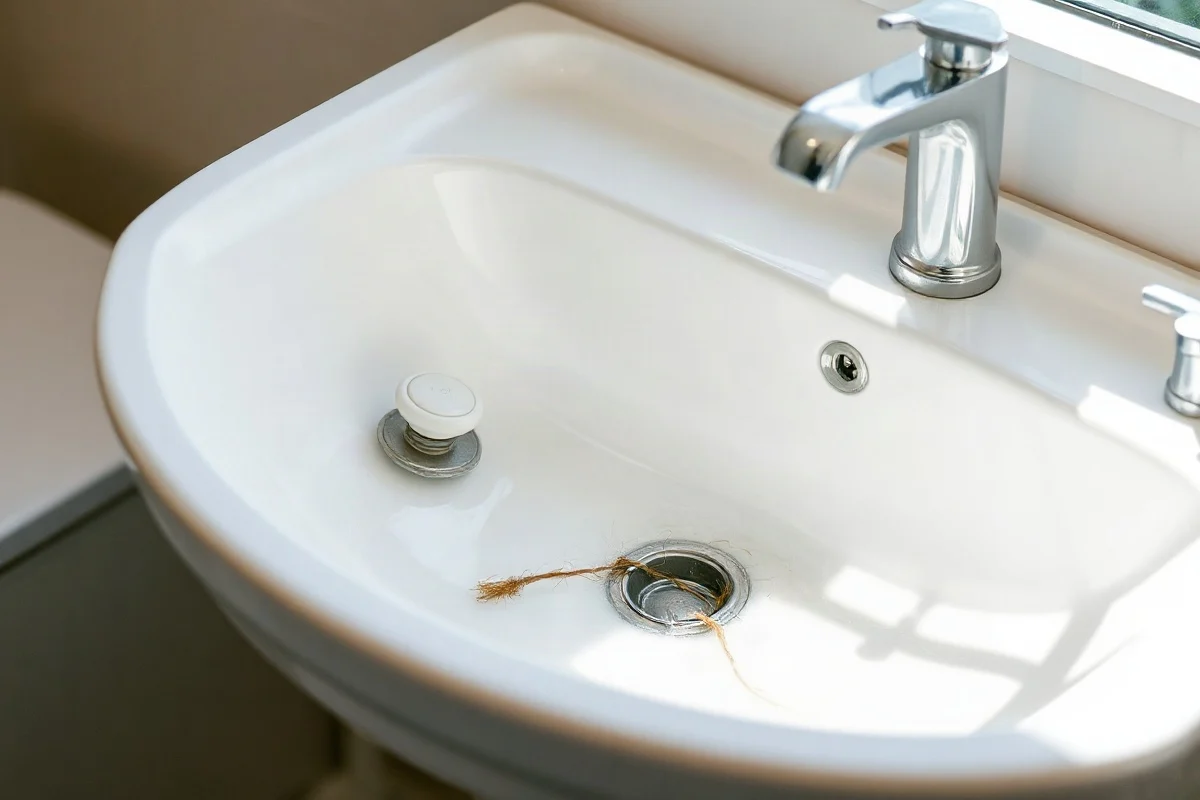
- The drain stopper or pop-up assembly is dirty. Hair and sludge can collect around the stopper before the water reaches the trap.
- You hear little or no gurgling elsewhere. A localized clog generally does not disturb other fixtures.
A slow bathroom sink often has buildup around the stopper or in the trap. For additional clues, see this guide to why a bathroom sink drains slowly without being completely clogged.
Signs the Clog Is in the Wall Pipe or Shared Drain
A blockage beyond the trap is more likely when the problem does not stay limited to one fixture. These signs suggest that the drain line in or beyond the wall may need professional attention:
- Several fixtures drain slowly or back up. A bathroom sink, tub, shower, or toilet may show related symptoms.
- Water backs up in another fixture. For example, water from a sink may appear in a tub or shower drain.
- The sink drains temporarily after plunging but quickly slows again. This can indicate that the plunger moved water through a partial blockage without removing it.
- There is gurgling from nearby drains. Bubbling or gurgling may occur when air is trapped behind a blockage.
- The problem returns repeatedly. Recurring clogs can result from heavy buildup, a damaged pipe, poor drainage, or a blockage farther down the line.
- There is sewage odor, dirty water, or wastewater backup. Avoid contact with contaminated water and arrange qualified local help.
If multiple fixtures are involved, do not assume that repeatedly plunging one sink will solve the underlying problem. A shared branch drain or sewer line may be obstructed. Problems involving a building sewer or main line deserve prompt evaluation by a qualified professional; information about this type of work is available in the sewer line plumbing guide.
Safe Checks You Can Try First
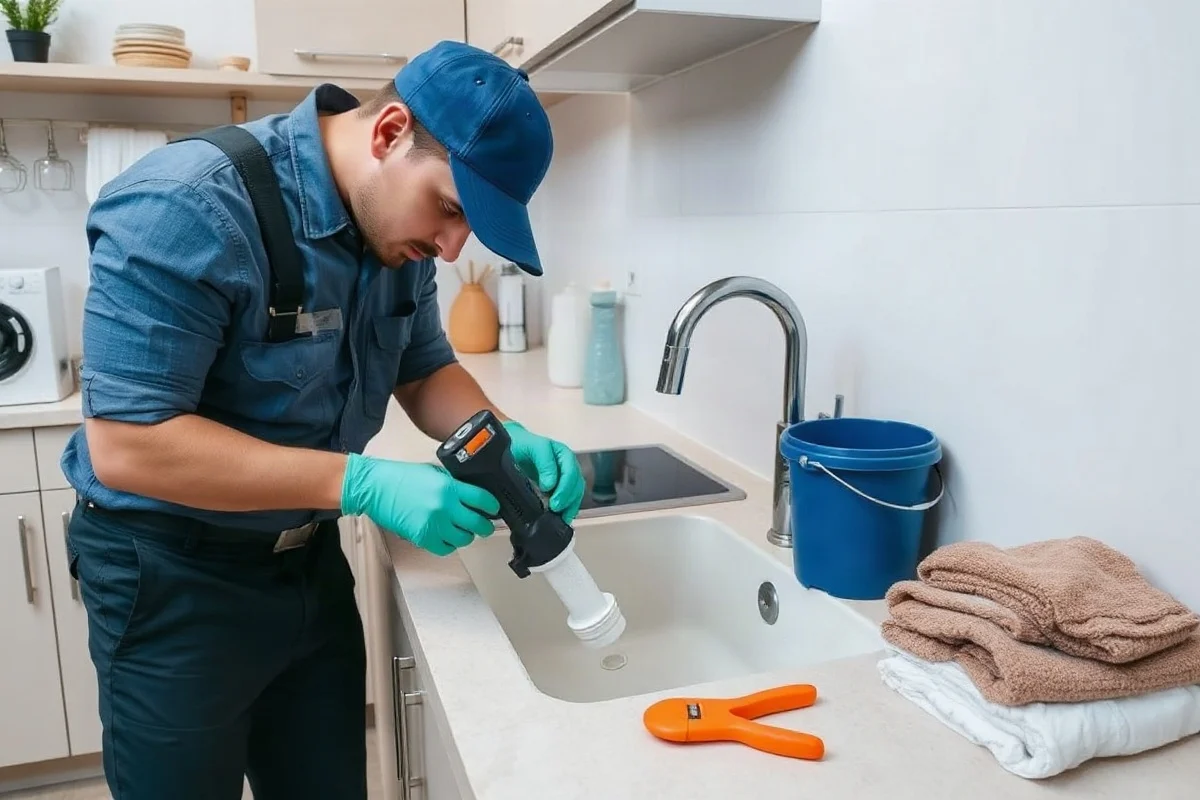
Before removing pipes, stop using the affected fixture. Place a bucket and towels under the sink, and protect the cabinet from standing water. Then work through the following low-risk checks.
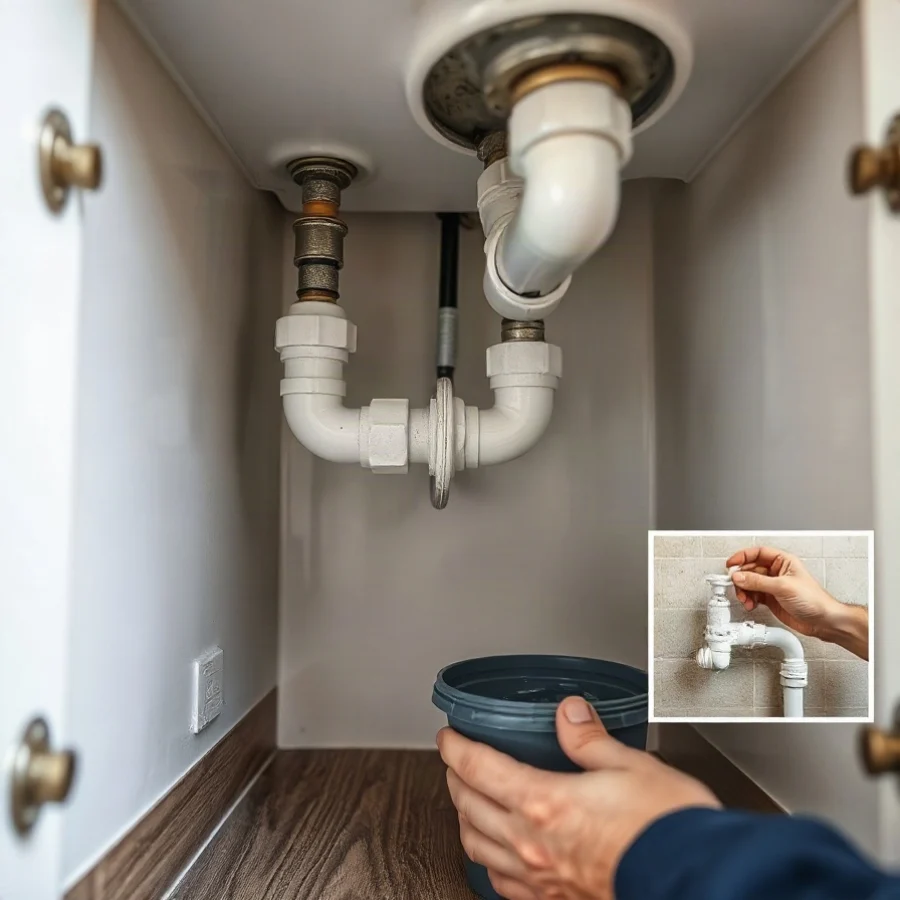
Inspect the drain opening and stopper
Remove the sink stopper if it can be lifted out or released using the manufacturer’s intended mechanism. Pull away visible hair and sludge with a paper towel or disposable tool. Do not force a tool deep into the pipe, where it could push an object farther into the drain or damage a component.
Try a properly fitted plunger
For a sink, use a clean cup plunger rather than a toilet flange plunger. Add enough water to cover the plunger’s rim and seal the overflow opening with a damp cloth if the fixture has one. Use controlled, short strokes instead of excessive force. If the sink connects to a garbage disposal, make sure the disposal is switched off and never place your hand into it. A separate guide to safe DIY plumbing checks can help you decide which basic tasks are appropriate.
Check whether other fixtures are affected
Run a small amount of water in a nearby fixture only if there is no standing wastewater and no risk of overflow. Observe whether it drains normally. Do not continue testing if water rises in a tub, shower, floor drain, or toilet. That pattern may point to a shared blockage and can make a backup worse.
Look for leaks under the sink
Inspect the trap, slip-joint nuts, and visible connections for dripping. A leak does not necessarily identify the clog location, but a loose connection can allow water to escape and make drainage performance appear confusing. If water is reaching electrical equipment, cabinets, flooring, or a neighboring room, stop using the fixture and seek professional help.
When It Makes Sense to Remove and Clean the Trap
A homeowner may be able to clean a standard, accessible P-trap if there is no sewage exposure, no hidden leak, and the connections are designed to be loosened by hand or with appropriate basic tools. Place a bucket beneath the trap, support the pipe, and loosen the connections carefully. Keep track of washers and their orientation. Remove the debris, rinse the trap, and reinstall it without cross-threading the nuts.
After reassembly, run a small amount of water and check every connection for leaks. Do not overtighten plastic fittings; excessive force can distort or crack them. If the trap is glued, corroded, damaged, difficult to access, or connected to unusual piping, stop rather than forcing it apart.
Never remove a trap when contaminated wastewater may spill into the cabinet or room. Sewage exposure requires careful cleanup and may present health risks. A professional should also handle situations involving a concealed leak, damaged pipe, extensive corrosion, or water damage behind walls or cabinets.
Trap Cleaning Did Not Fix the Problem
If the trap is clear and correctly reinstalled but the fixture still will not drain, the wall pipe or a downstream branch is the likely next location. A plumber may use a drain cable, inspection camera, or other equipment suited to the piping and blockage. The correct method depends on the pipe material, access, type of obstruction, and whether the line is shared with other fixtures.
Avoid pouring chemical drain cleaner into a line that may later be opened. These products can leave caustic liquid in the trap or pipe, creating a burn hazard for anyone who disassembles it. They may also damage some fixtures or piping and do not correct structural problems. For a comparison of approaches, read about chemical drain cleaner versus professional snaking.
Repair or Replacement: What Usually Determines the Choice?
A simple blockage can often be cleared without replacing the trap or wall pipe. Replacement becomes more likely when the pipe is cracked, badly corroded, deformed, repeatedly obstructed, or leaking at a connection. A plumber may also recommend replacing an inaccessible or improperly assembled trap if cleaning it would create a greater risk of leaks.
Do not replace a part merely because a drain is slow. The real obstruction may be farther downstream, and installing a new trap will not solve a damaged branch drain or sewer-line problem. The diagnosis should come before the repair recommendation.
Cost Factors to Consider
The cost of clearing or repairing a clogged drain varies by location and job conditions, so a reliable estimate requires information from the plumber. Important factors can include:
- Whether the blockage is in the stopper, trap, wall pipe, branch drain, or main sewer line
- How accessible the piping is and whether a cabinet, wall, floor, or other finish must be opened
- Whether the issue is a routine obstruction or a damaged, collapsed, or severely corroded pipe
- The tools needed, such as a hand auger, powered cable, or camera inspection
- Whether wastewater cleanup, water-damage mitigation, or replacement parts are required
- The timing and service conditions stated by the local plumbing company
Ask what the diagnostic or service charge includes, whether the quote covers labor and materials, and what circumstances could change the estimate. Avoid choosing a provider solely on the lowest initial number. More information about common variables is available in this overview of plumbing costs.
How to Choose the Right Plumber
Choose a qualified local plumber who can explain where the blockage is likely located and what evidence supports that diagnosis. Before work begins, ask whether the plumber expects to access the trap, the wall pipe, a branch drain, or a sewer line. You can also ask which clearing method is recommended and whether the company will notify you before performing additional work.
Look for clear written communication, itemized estimates when available, and a willingness to explain risks. Confirm that the company is appropriately qualified for the work in your area rather than assuming every drain-cleaning provider handles sewer lines, concealed leaks, or pipe repairs. Use a professional for sewage exposure, major flooding, hidden leaks, unsafe conditions, or any work involving electrical equipment or other hazards.
Use the Symptoms to Narrow the Location
The most useful clue is the pattern: one sink with a sudden, complete backup often points toward the stopper or P-trap, while several affected fixtures, gurgling, wastewater, or repeated backups suggest a blockage in the wall pipe, branch drain, or sewer line. Start with safe visual checks and a properly used plunger. If those steps do not restore normal drainage, stop escalating the DIY effort and arrange an evaluation before the problem causes a leak or contaminated backup.
Comments
0No comments yet. Be the first to share a helpful note or question.
Leave a Comment
Your email address will not be published. Comments are reviewed before appearing on the site.