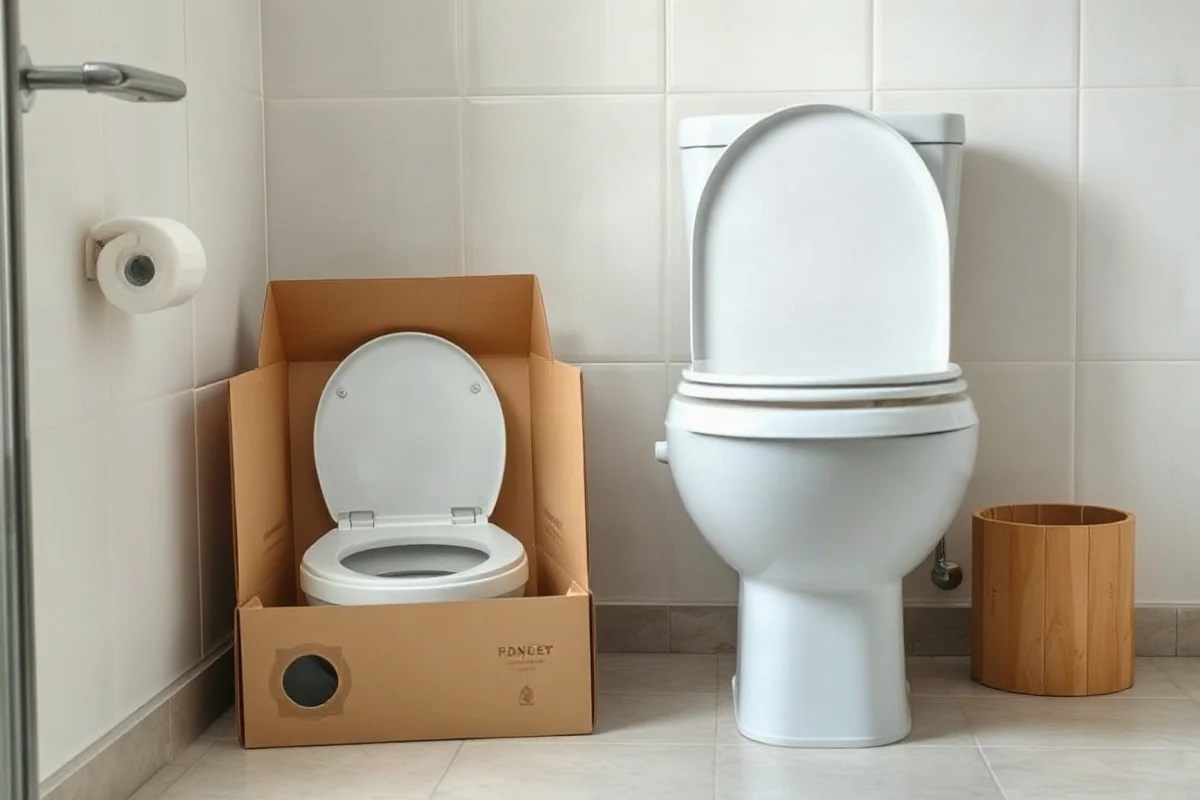
A good-quality toilet typically costs more than the cheapest model on the shelf, but price alone does not guarantee better performance. For many homeowners, a sensible toilet budget is the cost of a reliable midrange fixture plus installation, replacement parts, and any repairs needed to prepare the bathroom. The right amount depends on the toilet’s design, size, flushing system, comfort features, brand support, and whether the existing flange, shutoff valve, and supply line are in good condition.
When comparing toilets, focus on the total value rather than the bowl and tank price alone. A low-cost toilet may be perfectly suitable if it fits the bathroom and has a dependable flush. A more expensive model may be worthwhile when you need a specific rough-in size, a compact shape, a comfort-height bowl, easier cleaning, improved accessibility, or a design that works with an unusual installation.
What you are really paying for
The retail price of a toilet reflects more than its appearance. Several features and construction details can affect what a fixture costs and how well it performs over time.
Flushing performance
A toilet should clear the bowl effectively without repeated plunging or multiple flushes. Manufacturers use different flushing designs, including gravity-fed and pressure-assisted systems. Performance can vary between models, so do not assume that the most expensive option will automatically flush better than a reasonably priced one.
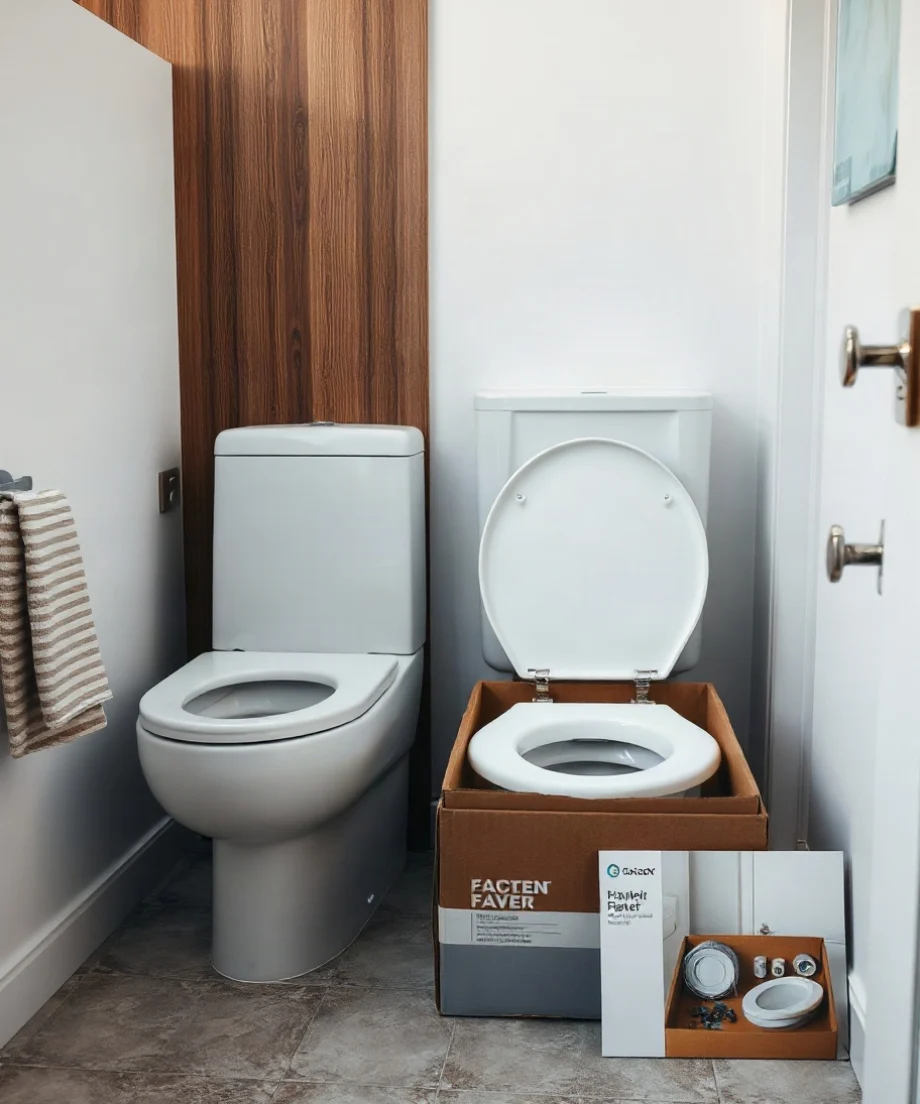
Look for independently verified performance information when it is available, and compare the model’s flushing design, water-use information, and replacement-part availability. A toilet that performs consistently is usually a better investment than one chosen only for its low purchase price.
Materials and construction
Most residential toilets are made from vitreous china or similar ceramic materials. The quality of the finish, glazing, hinges, seat hardware, tank components, and internal valves can affect the ownership experience. A smooth, well-finished surface may be easier to clean, while sturdy seat hardware can reduce movement and repeated adjustments.
Internal parts are especially important because fill valves, flappers, seals, and flush mechanisms eventually require maintenance. Before buying, check whether replacement parts are commonly available and whether the design uses standard components or specialized assemblies.
Shape, height, and configuration
Round-front toilets often take up less space, while elongated bowls may provide more seating room. Comfort-height models can be easier for some adults to use, but they may not suit every bathroom or every household member. One-piece toilets can have fewer exposed seams and may be easier to clean, while two-piece toilets are often easier to handle during delivery and installation.

Wall-hung, corner, compact, bidet-integrated, and other specialized designs may require different connections or more involved installation. Their higher purchase price may be justified by the layout or features, but the installation should be evaluated before ordering.
Price ranges are only part of the budget
Toilet prices vary widely by region, retailer, design, features, and availability. Rather than relying on one universal dollar figure, divide the project into several cost categories:
- The fixture: This includes the bowl, tank, flush mechanism, and sometimes the seat. Confirm exactly what is included before comparing listings.
- Installation labor: A straightforward replacement may be simpler than an installation involving an incompatible flange, damaged shutoff valve, difficult access, or a different rough-in.
- Connection materials: A new wax or other approved seal, supply line, closet bolts, and related hardware may be needed.
- Subfloor or flange repairs: Water damage, movement, corrosion, or an uneven mounting surface can add work that is not visible when you first shop for the fixture.
- Disposal and cleanup: Ask whether removal of the old toilet and disposal are included in the written estimate.
For a broader look at factors that affect plumbing project pricing, review this guide to plumbing costs. The most useful estimate is itemized, identifies the toilet model, and separates the fixture from labor and possible additional work.
Check fit before you buy
A toilet can be high quality and still be the wrong choice if it does not fit the bathroom. The most important measurement is usually the rough-in: the distance from the finished wall behind the toilet to the center of the floor outlet or mounting bolts, depending on how the measurement is taken. Baseboards, trim, wall coverings, and an old toilet can make this measurement less obvious.
Also consider the toilet’s overall depth, width, tank clearance, door swing, nearby cabinets, and access to the shutoff valve. If the bathroom is small, compare the manufacturer’s dimensional drawing with the actual space rather than relying on a product photo.
If you are not confident about the measurement, have a qualified plumber verify the installation conditions before you purchase the fixture. Returning a toilet after it has been installed can be difficult, and a poor fit may lead to leaks, uncomfortable clearances, or an unfinished-looking repair.
Safe checks a homeowner can make
You can gather useful information without disassembling the toilet or disturbing the plumbing connections.
- Check whether the toilet rocks when you sit down or gently test it by hand. Do not force it or tighten bolts aggressively.
- Look for water around the base, supply connection, tank bolts, and shutoff valve.
- Listen for a toilet that continues running after the tank has filled.
- Flush once and observe whether the bowl clears normally, refills correctly, and stops running.
- Inspect the floor around the base for staining, soft flooring, damaged trim, or a musty odor.
- Measure the available space and note the approximate rough-in before shopping.
These checks can help you describe the problem, but they do not prove that the seal, flange, drain connection, or subfloor is sound. Avoid removing the toilet solely to investigate unless you are prepared to address a damaged seal or mounting problem.
When repair may be better than replacement
A toilet does not automatically need replacement because it runs, leaks from the tank, or flushes poorly. Many common problems involve a worn flapper, fill valve, handle, flush valve, or adjustment issue. If the bowl and tank are not cracked and the fixture fits the bathroom, a repair may restore normal operation at a lower overall cost.
Replacement becomes more reasonable when the porcelain is cracked, the toilet repeatedly clogs despite proper drainage, the fixture cannot be repaired with available parts, it uses an outdated or inefficient design, or the base no longer sits securely. A toilet that rocks may have a mounting or floor problem rather than a simple hardware issue. Installing a new fixture without correcting the underlying condition can lead to another leak.
For symptoms such as running water, a loose base, or a slow leak, a plumber can evaluate whether repair or replacement makes more sense. You can also review information about toilet repair before scheduling service.
Signs that professional help is needed
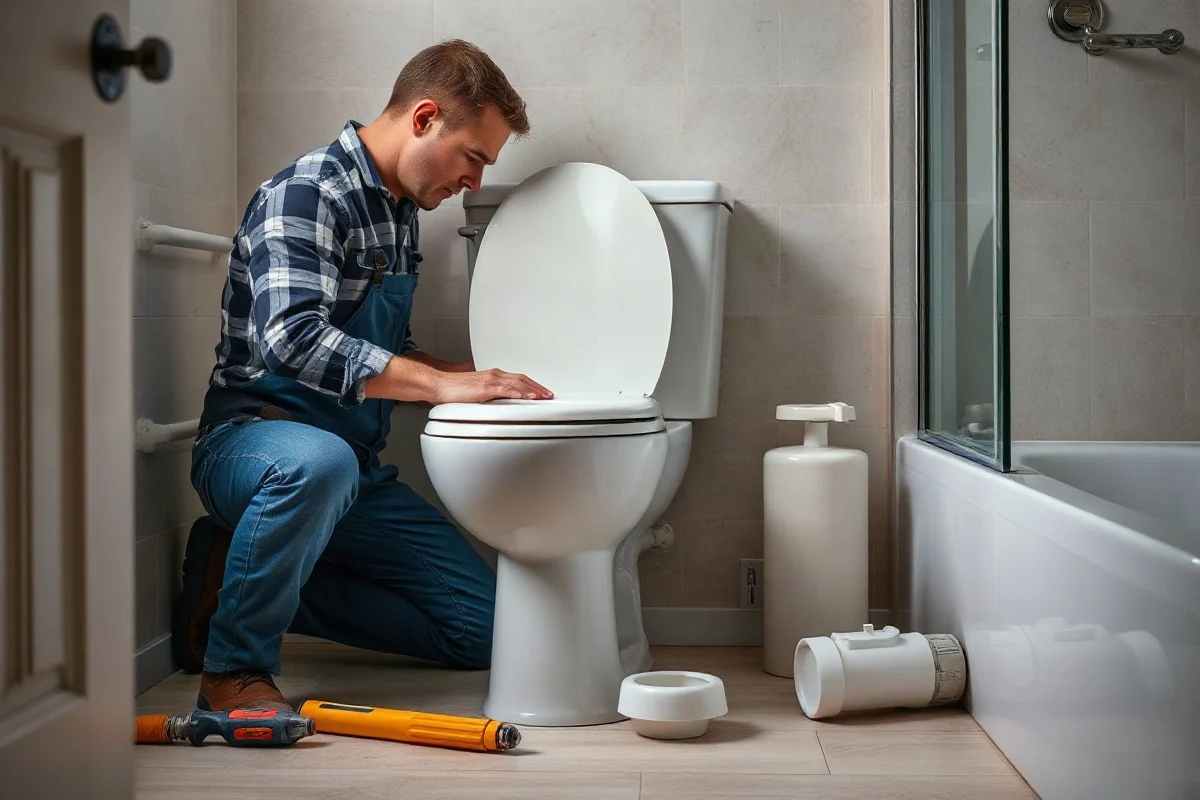
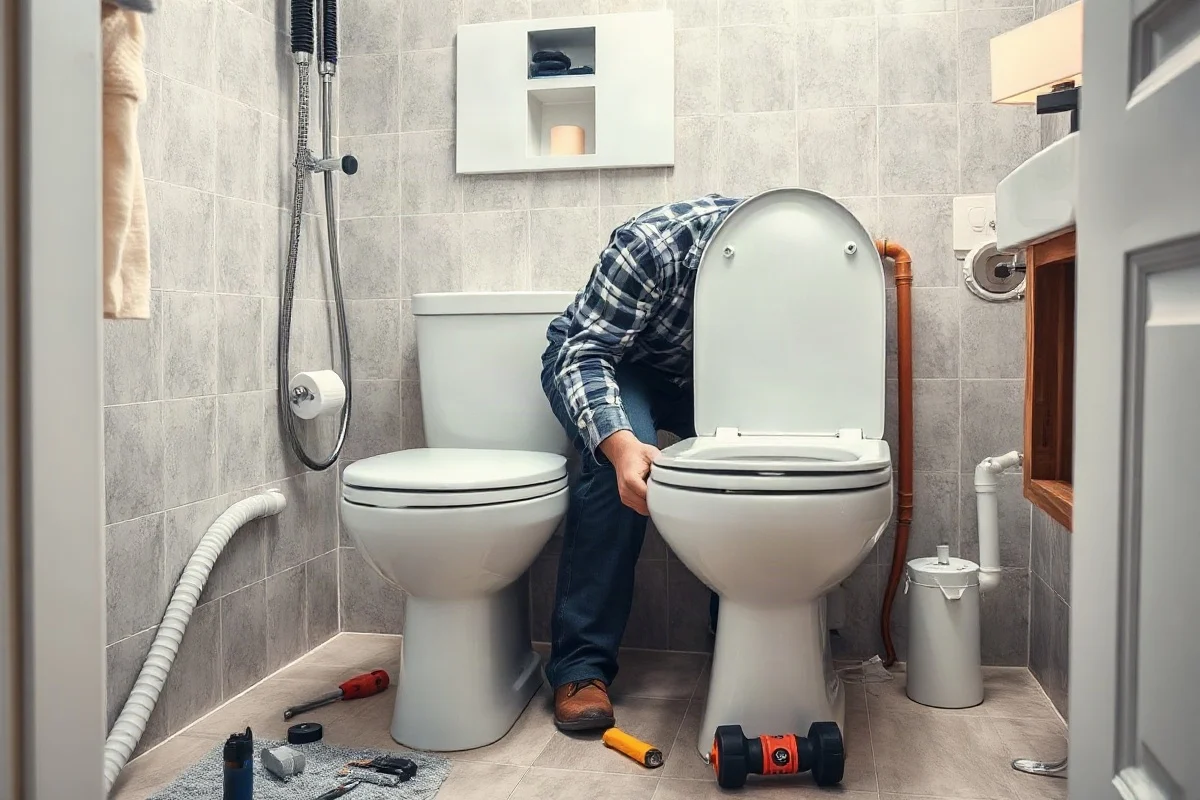
Some toilet projects are reasonable for an experienced DIY homeowner, but the risk increases when the toilet must be removed or the surrounding plumbing is damaged. Contact a qualified local professional if you notice any of the following:
- Water is leaking from the base, especially if the floor feels soft or the leak returns after flushing.
- The toilet rocks, the mounting bolts are broken, or the flange appears damaged.
- The shutoff valve will not close, leaks when operated, or is badly corroded.
- The drain backs up, multiple fixtures drain slowly, or sewage comes into the bathroom.
- The toilet is installed over damaged flooring or a concealed leak is suspected.
- You need a nonstandard, wall-hung, bidet-integrated, or electrically connected fixture.
Sewage exposure, major flooding, hidden leaks, and electrical connections should not be handled casually. Keep people and pets away from contaminated water, stop using affected fixtures when appropriate, and use qualified local help. For urgent water damage, see the guidance for an emergency plumber.
Questions to ask before hiring a plumber
Installation prices and requirements vary by location and by the condition of the existing plumbing, so obtain a written estimate instead of relying on a general online average. Ask the plumber:
- Does the estimate include removal and disposal of the old toilet?
- Is the new toilet supplied by the plumber or purchased by the homeowner?
- What happens if the flange, shutoff valve, floor, or supply connection needs repair?
- Are the seal, bolts, supply line, and seat included?
- Will the plumber verify the rough-in and confirm that the selected model fits?
- What payment terms and written service conditions apply?
Choose a professional who clearly explains the work, provides an itemized estimate, and is willing to identify unexpected conditions before proceeding. Licensing, insurance, and other requirements differ by location, so verify applicable qualifications with local authorities or the relevant professional organization rather than assuming that every provider has the same credentials. More practical questions are available in this guide to hiring a plumber.
How to choose the best value
The best toilet is usually not the least expensive model or the most feature-packed one. Start with the bathroom’s measurements and your household’s needs. Then compare flush performance, comfort, cleaning requirements, replacement parts, included components, and installation complexity.
For a standard replacement with a sound flange, a dependable midrange toilet may offer an excellent balance of price and performance. Spend more when a specific configuration solves a real problem, such as limited space, accessibility needs, difficult cleaning, or a required design. Avoid paying extra for features you will not use, and avoid choosing a bargain model if its fit, parts, or installation requirements are unclear.
In practical terms, a good-quality toilet is one that fits the room, flushes reliably, can be maintained with available parts, and is installed on a sound connection. Set your budget around the complete project—not just the box on the store shelf—and have a professional inspect any leak, movement, drainage problem, or hidden damage before it becomes a larger bathroom repair.
Comments
0No comments yet. Be the first to share a helpful note or question.
Leave a Comment
Your email address will not be published. Comments are reviewed before appearing on the site.