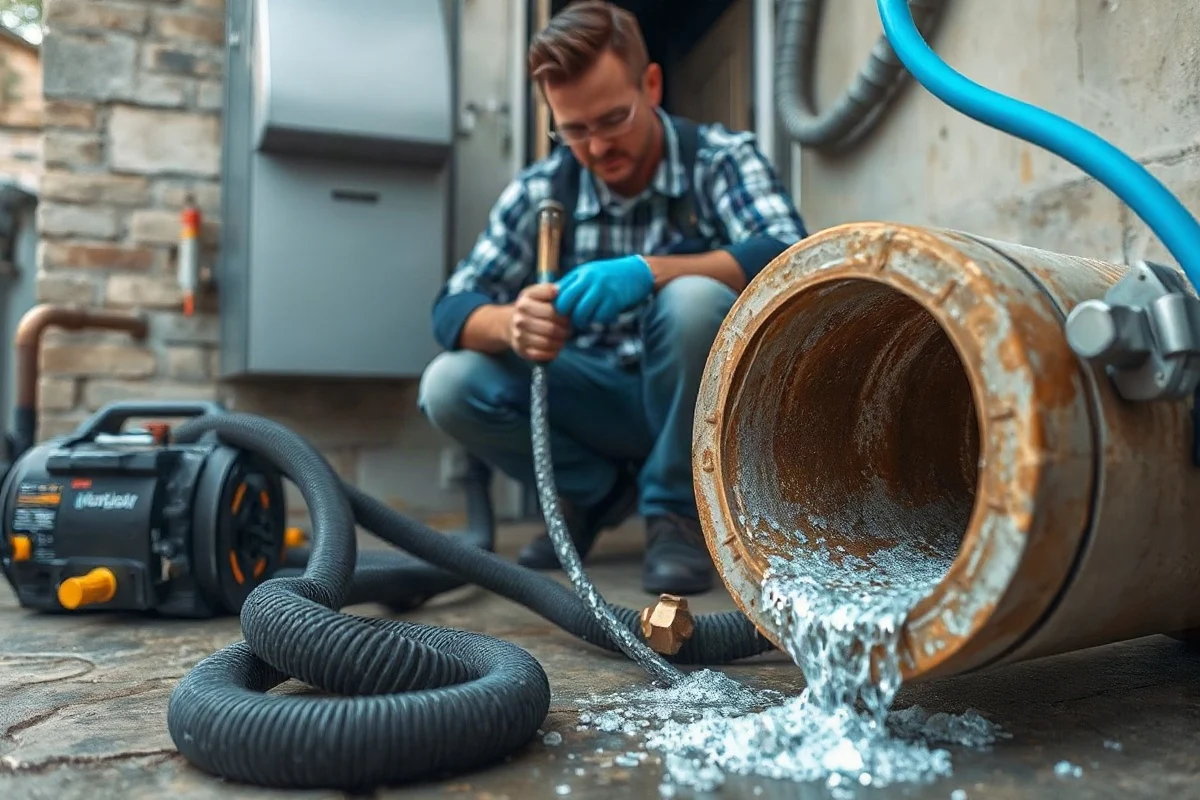
Hydro jetting can remove some hard water scale from the inside of drain and sewer pipes, especially when mineral buildup has combined with grease, sludge, or other debris. It is not a universal solution, however. A qualified plumber should inspect the piping first because high-pressure water can worsen damage in weak, cracked, severely corroded, or improperly connected lines. If scale is causing repeated clogs or slow drainage, professional evaluation is usually more useful than repeatedly using chemical drain cleaners.
How hard water scale affects plumbing
Hard water contains dissolved minerals, commonly including calcium and magnesium. When water flows through a pipe, some of those minerals can separate from the water and form a hard deposit on the interior surface. Scale is especially noticeable around faucets, showerheads, water heaters, and valves, but it can also develop inside drain and sewer lines.
Drain-line scale does not always form as a smooth, even coating. It may create a rough surface that catches hair, soap residue, grease, paper, and other material. Over time, the usable opening becomes smaller. Even if the original obstruction was modest, the narrowed pipe can make future clogs more frequent.
Hard water scale is more likely to be part of a drain problem when several fixtures drain slowly, the issue returns soon after basic snaking, or a camera inspection shows mineral buildup along a significant section of pipe. A single slow sink, on the other hand, may have a local blockage in the trap or branch drain rather than a whole-line scale problem.
What hydro jetting does
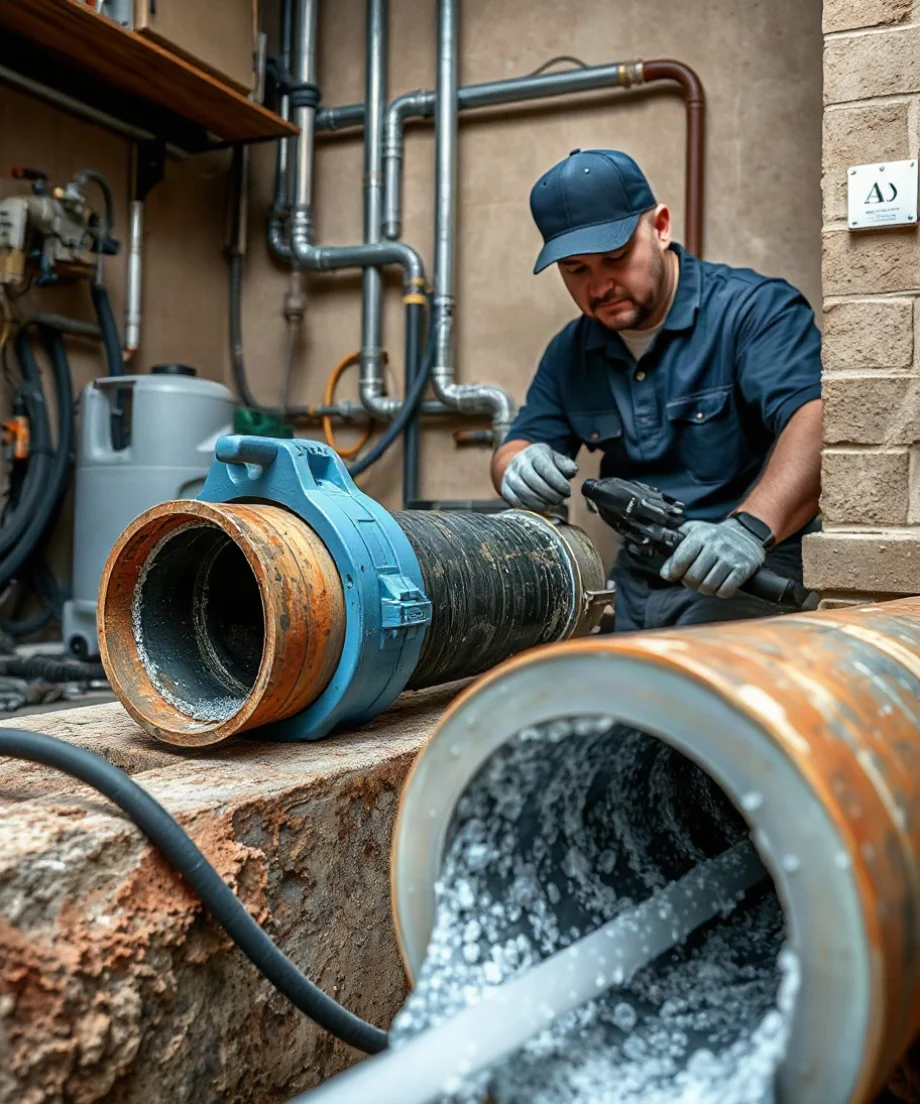
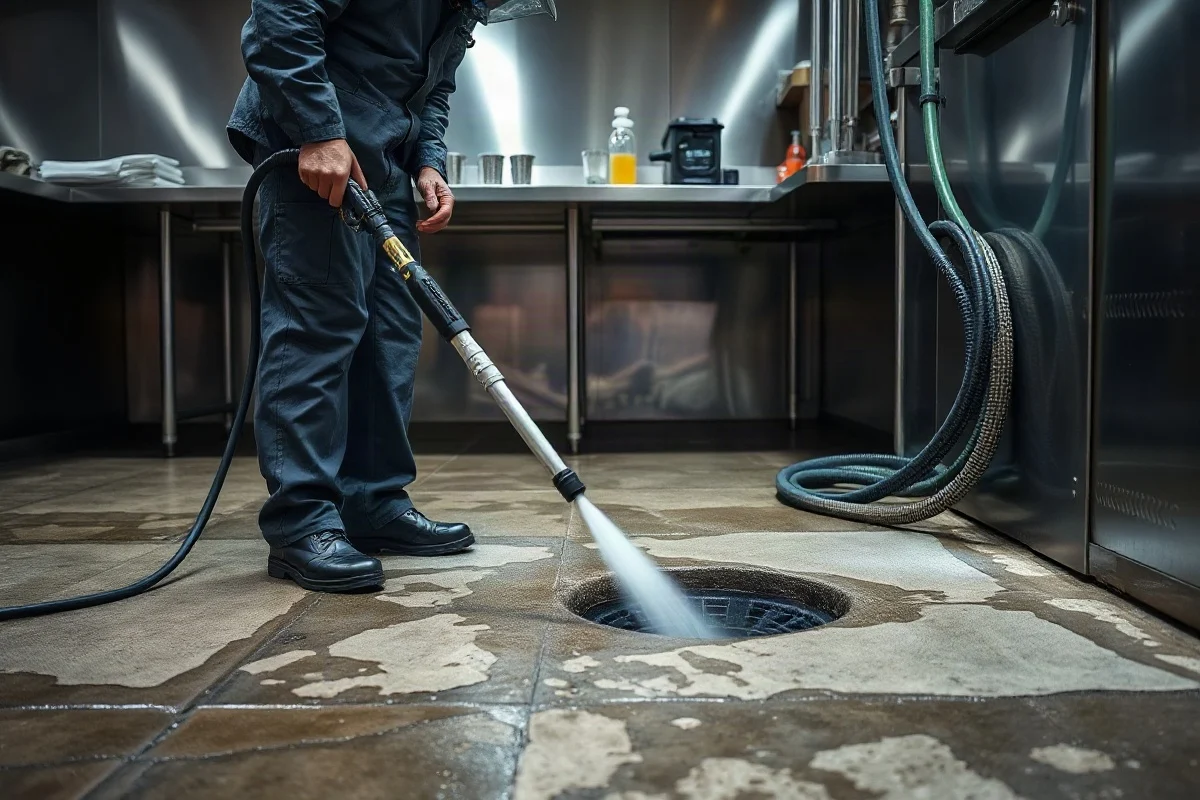
Hydro jetting uses specialized equipment to send pressurized water through a drain or sewer line. The nozzle directs water forward and backward. The forward spray helps cut through soft obstructions, while the rear-facing spray helps flush loosened material toward an access point.
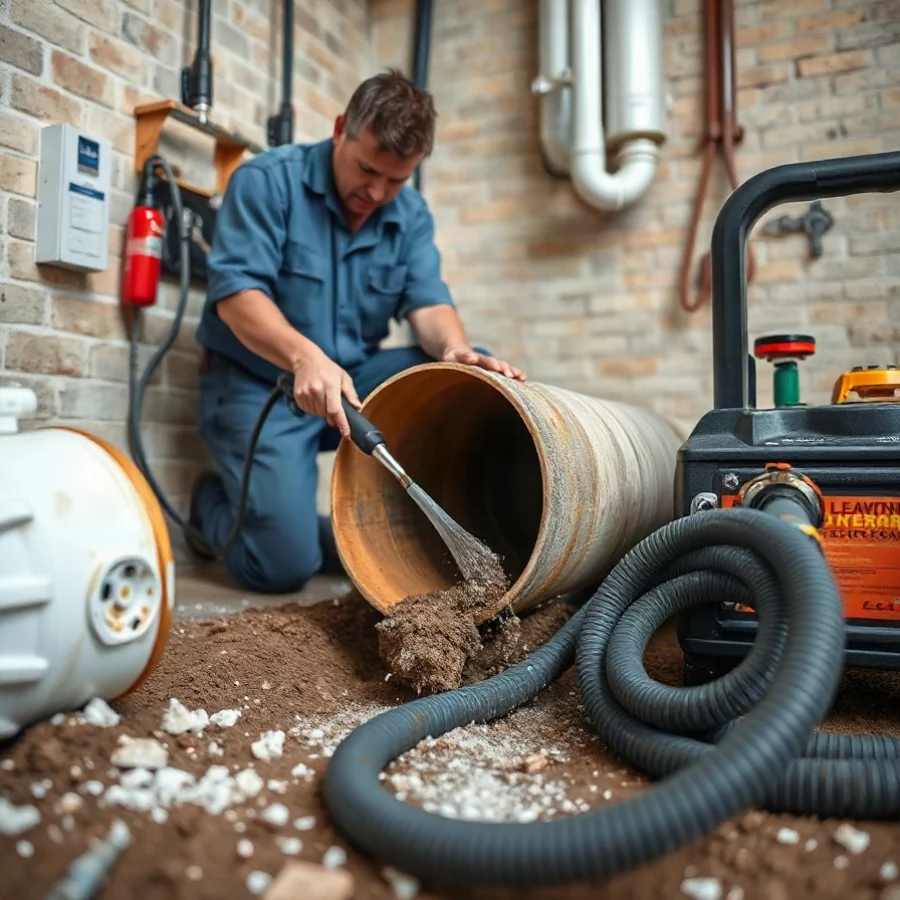
For mineral scale, the result depends on the type, thickness, and location of the deposit. Water pressure may remove loose or moderate buildup and wash the fragments out of the line. Heavier scale may require a specialized nozzle, mechanical descaling, or a different repair plan. In some cases, the pipe is too damaged for aggressive cleaning, and replacement or sectional repair is safer.
Hydro jetting is different from using a cable machine. A drain cable typically creates a passage through a blockage. Hydro jetting can clean more of the pipe wall, which may help when residue and scale have reduced the pipe's interior diameter. Neither method repairs a collapsed, offset, broken, or badly corroded pipe.
Signs that scale may be contributing to a clog
Symptoms alone cannot confirm mineral buildup, but certain patterns justify a closer inspection:
- Slow drainage returns after conventional snaking.
- Several fixtures connected to the same branch line drain poorly.
- Gurgling or bubbling occurs when another fixture drains.
- Water backs up during heavy use, such as laundry or multiple showers.
- The property has a known hard water problem and older metal drain piping.
- A camera inspection shows a rough, narrowed, or crusted pipe interior.
- Recurring blockages contain a mixture of grease, sludge, and hard mineral fragments.
These signs can also point to tree-root intrusion, a belly in the line, pipe corrosion, poor slope, or a damaged sewer connection. That is why hydro jetting should not be selected solely because a drain is slow.
Safe homeowner checks before calling a plumber
Homeowners can perform a few low-risk checks, but these steps cannot determine whether a buried or concealed pipe can withstand jetting.
- Note which fixtures are slow and whether they share a wall, floor, or drain branch.
- Check whether the problem affects only hot water fixtures or both hot and cold water fixtures. This distinction can help separate a supply-side mineral issue from a drain issue.
- Clean a removable faucet aerator or showerhead by following the fixture manufacturer's care instructions. Do not force brittle parts or use tools on concealed connections.
- Remove visible hair or debris from a sink stopper or shower drain without pushing material farther into the pipe.
- Record when the problem occurs, whether it follows laundry or showers, and whether wastewater backs up.
Avoid mixing chemical drain cleaners. These products can create hazardous fumes, damage some plumbing materials, and leave caustic liquid in a trap or line for a technician to encounter. Do not open a cleanout if sewage is already backing up, if the cap is difficult to remove, or if you are unsure where the discharge could go.
Why a professional inspection matters
Before hydro jetting, a plumber should identify the affected line and assess its condition. Depending on access and symptoms, the evaluation may include a drain opening, cleanout, flow testing, or a camera inspection. A camera can help show whether the obstruction is scale, roots, grease, a broken pipe, or a structural defect.
The plumber also needs to consider pipe material, age, diameter, access points, previous repairs, and the location of the blockage. Older or weakened piping may not be a good candidate for aggressive cleaning. The correct pressure and nozzle selection are professional decisions; more pressure is not automatically better.
Ask the plumber to explain what the inspection found before approving the work. A clear recommendation should identify the suspected cause, the section of line involved, the cleaning method proposed, and what limitations remain if the pipe cannot be fully restored.
When hydro jetting may be a good option
Hydro jetting is often considered when a drain or sewer line has recurring obstructions and the pipe is structurally sound enough to clean. It may be useful for long runs with accumulated grease, sludge, and mineral residue, particularly when a cable has only opened a narrow channel.
It can also be appropriate as part of a maintenance plan for some commercial or multifamily drainage systems, where repeated buildup is documented and the piping has been evaluated. Maintenance should be based on actual conditions rather than a generic schedule.
For residential service, the best candidates are usually lines with confirmed buildup, adequate access, and no evidence of collapse or major separation. A camera inspection may be especially valuable when the same line has needed multiple cleanings.
When hydro jetting may not solve the problem
Jetting cannot correct every cause of poor drainage. It may not solve the problem when:
- The pipe has collapsed, cracked, or separated at a joint.
- A section of buried pipe is offset or has an improper slope.
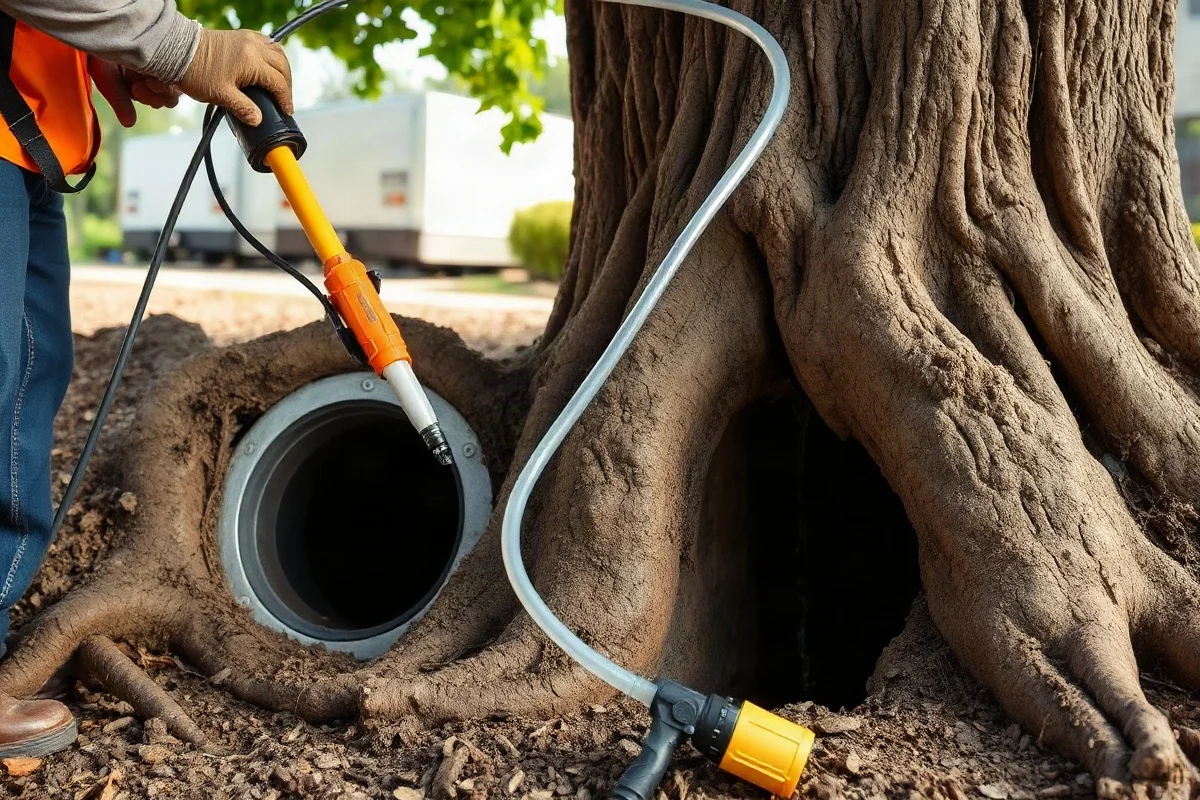
- Tree roots have entered through a damaged connection.
- The line has a persistent low spot where water and sediment collect.
- A fixture, trap, or branch connection is incorrectly installed.
- The blockage is caused by a foreign object that needs careful removal.
- The pipe wall is too thin or deteriorated for high-pressure cleaning.
If an inspection finds structural damage, the choice may be between a targeted repair, pipe replacement, or another method suited to the site. Cleaning a damaged line can provide temporary flow while leaving the underlying failure in place.
Repair versus replacement
Hydro jetting is a cleaning service, not a pipe replacement. If the pipe is in usable condition and the main issue is removable buildup, cleaning may be a reasonable repair step. If the interior is badly corroded or the pipe has lost its shape, replacement may offer a more durable solution.
Do not base this decision on age alone. Two homes of the same age can have very different pipe materials, installation histories, soil conditions, and maintenance records. Ask for documentation such as camera images when available, and ask whether the proposed work addresses the cause or only restores temporary flow.
For a suspected sewer-line problem, a drain camera inspection can help distinguish removable scale from a structural defect. If the issue appears to involve the building sewer or a buried line, review information about sewer line service and discuss the findings with a qualified local professional.
Cost factors to discuss before service
There is no reliable single price for hydro jetting because the work varies significantly from one property to another. Before scheduling, ask how the company determines the estimate and what is included. Important cost factors may include:
- Whether a camera inspection or diagnostic visit is needed first.
- The length, diameter, and location of the affected pipe.
- Access difficulty and the condition of cleanouts or other openings.
- The type and thickness of scale, grease, roots, or sludge.
- Whether specialized nozzles, descaling equipment, or additional passes are required.
- Whether wastewater removal, cleanup, or follow-up inspection is needed.
- Any separate repair required after cleaning reveals damaged pipe.
Get a written description of the scope before work begins. Confirm whether the estimate covers inspection, cleaning, disposal, and any return visit. Be cautious of recommendations that promise permanent results without examining the pipe.
For general planning, the site's plumbing cost guide may provide useful context, but local conditions and the actual diagnosis should control the estimate.
How to choose the right plumber
Look for a company that regularly handles drain and sewer diagnostics, not just emergency unclogging. Ask whether the technician can perform or arrange a camera inspection, explain the pipe condition, and select equipment appropriate for the line.
Before authorizing service, ask these questions:
- What evidence suggests hard water scale is involved?
- Will the line be inspected before high-pressure cleaning?
- Could the pipe material or condition make jetting unsafe?
- What exactly is included in the written estimate?
- What happens if the line cannot be cleaned completely?
- Will the plumber provide camera images or a description of the findings?
Use a qualified local professional for concealed piping, sewage backups, buried sewer lines, major flooding, or any condition that could expose you to contaminated water. If wastewater is entering the home, keep people and pets away from it, avoid contact with electrical equipment, and seek prompt professional help. The hydro jetting service category can help you understand the type of work involved while you compare local providers.
Reducing future scale and drain problems
Hydro jetting may remove existing buildup, but it does not change the mineral content of incoming water. For scale affecting faucets, showerheads, or water-using appliances, a water treatment professional can evaluate whether a treatment system is appropriate. Any treatment choice should account for the home's water quality and maintenance needs rather than relying on a one-size-fits-all claim.
For drains, keep grease, cooking oils, wipes, and unsuitable materials out of the plumbing. Use strainers where practical, clean removable screens regularly, and respond to slow drainage before a complete backup develops. Do not rely on repeated chemical treatments as routine maintenance.
The key question is not simply whether hydro jetting can remove hard water scale. It is whether the line is sound, whether scale is actually causing the restriction, and whether cleaning is more appropriate than repair or replacement. A proper inspection gives you the information needed to make that decision safely and avoid paying for a method that cannot address the real problem.
Comments
0No comments yet. Be the first to share a helpful note or question.
Leave a Comment
Your email address will not be published. Comments are reviewed before appearing on the site.