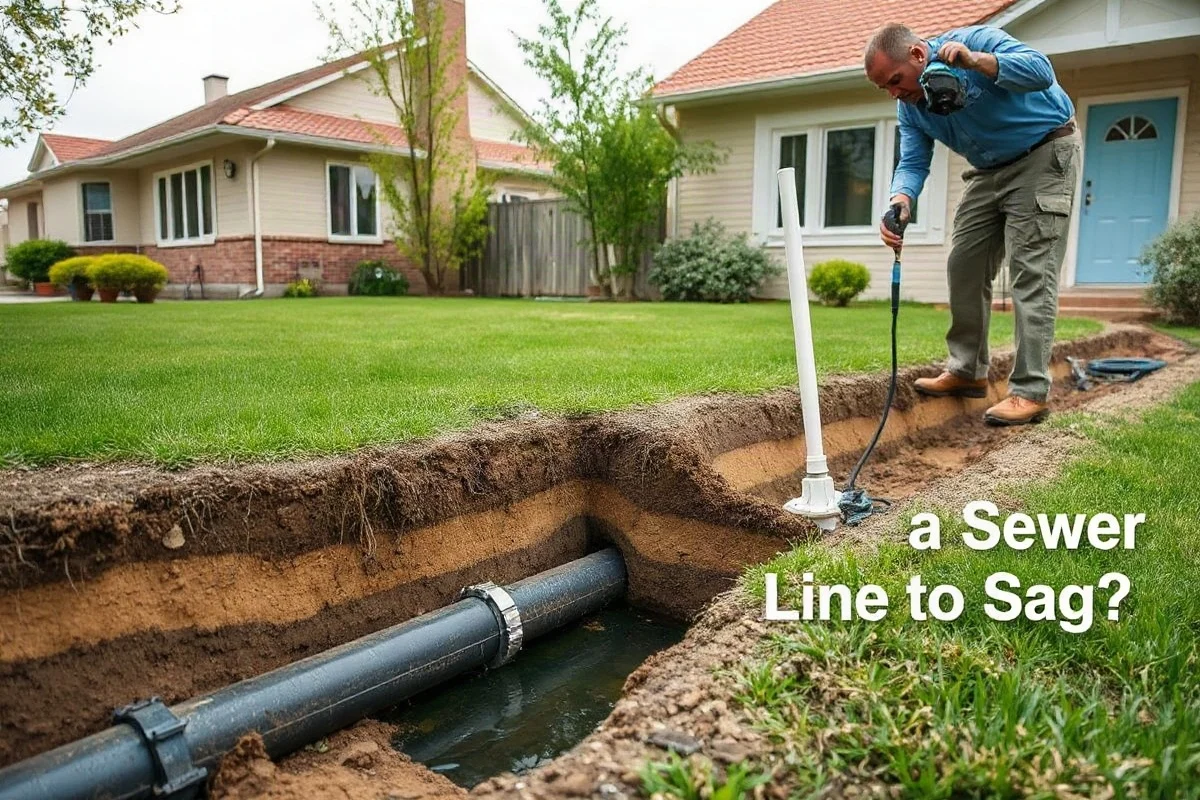
A sewer line sags when a section of underground pipe settles below the proper slope, creating a low spot where wastewater and solids can collect. This condition, sometimes called a belly or dip, is usually caused by shifting soil, poor installation, erosion, or damage around the pipe. A small sag may cause occasional slow drains, while a deeper or longer dip can lead to repeated backups, sewage odors, and eventual blockage. Because the problem is underground and may affect sewage, homeowners should use professional inspection and repair for anything beyond basic, low-risk observations.
How a Sewer Line Sag Creates Problems
A properly installed sewer line relies on a consistent downward grade so gravity can move wastewater toward the municipal sewer or private septic system. The pipe does not need to be perfectly straight, but it should not contain a low section that holds water and debris after the rest of the line has drained.
When a sag develops, paper, grease, sediment, and other solids can settle in the dip. Over time, the buildup narrows the pipe and may cause wastewater to drain slowly or stop moving altogether. A sewer cable or other cleaning method may open the line temporarily, but it cannot correct the underlying change in elevation. If the dip remains, the same symptoms often return.
Common Causes of a Sagging Sewer Line
Soil settlement
The most common cause is movement in the soil surrounding the pipe. Newly disturbed soil may compact after a sewer trench is backfilled, leaving less support beneath part of the line. Natural changes in moisture, drought, heavy rain, or nearby excavation can also alter soil conditions. As the bedding shifts, the pipe may drop in one area while the connected sections remain at their original elevations.
Poor installation or inadequate bedding
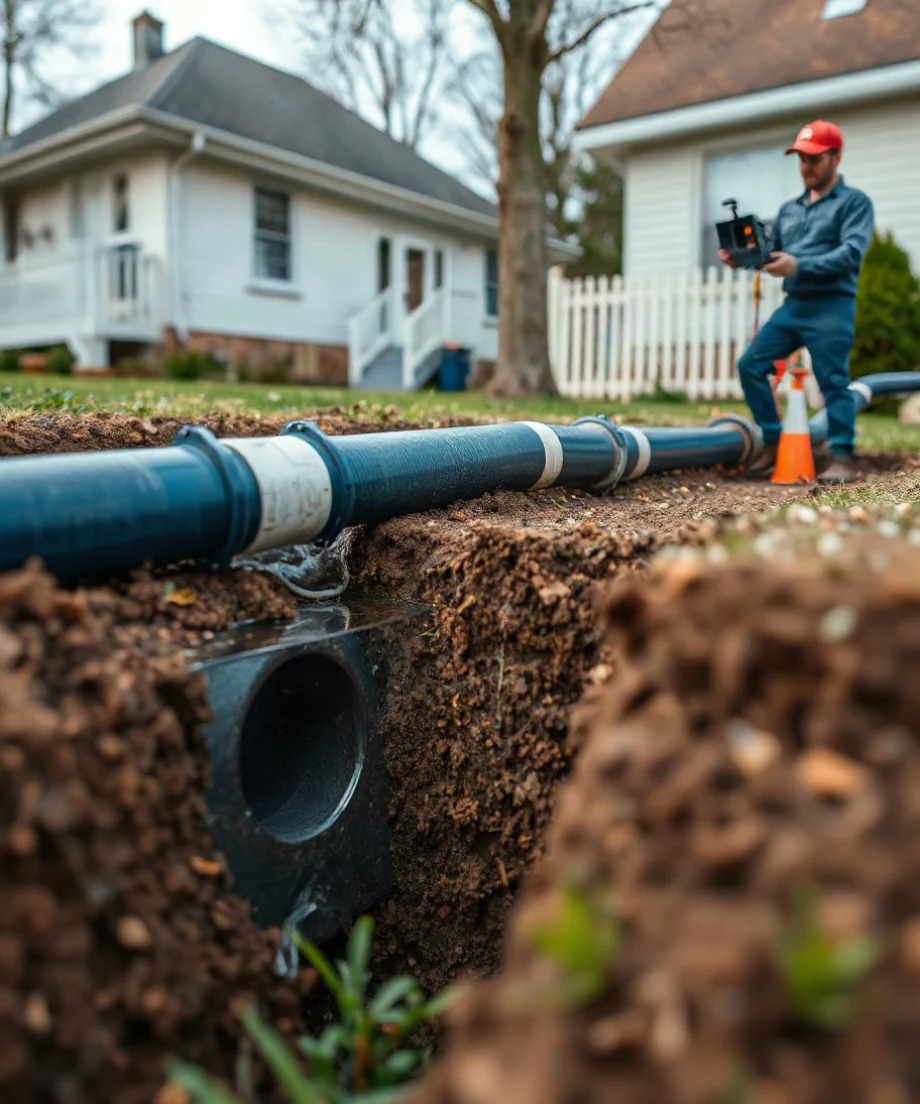
A sewer line can sag if it was installed without a stable, properly prepared base or if the trench was not backfilled evenly. Incorrect slope, loose fill, misaligned joints, and insufficient support can create a low spot from the beginning. Some installation problems do not become obvious until years later, when normal soil movement and repeated wastewater flow make the dip more pronounced.
Erosion and groundwater movement
Water moving through or around the soil can wash away support below a pipe. This may happen after flooding, a broken nearby water line, poor drainage, or changes in groundwater conditions. The risk can be greater where the sewer line passes through loose soil, near a slope, or close to construction activity.
Pipe deterioration or structural damage
Older sewer materials may crack, break, separate at joints, or deform as the surrounding ground changes. A damaged section may lose its original position and create a sag. Tree roots can enter through joints or cracks and contribute to blockages, although roots alone do not always cause the pipe to settle. A camera inspection is needed to distinguish a true belly from a blockage, broken pipe, offset joint, or root intrusion.
Heavy loads above the line
Vehicles, additions, retaining walls, patios, and other structures can place pressure on shallow or poorly supported sewer piping. The added load may compress soil or damage the pipe. This does not mean every driveway or building over a sewer line will cause a problem, but changes in the area above the pipe can be relevant when symptoms begin after construction or landscaping work.
Signs That a Sewer Line May Have a Sag
A sag can produce symptoms that resemble an ordinary clog. Watch for patterns rather than relying on one isolated event:
- Repeated backups that return after drain cleaning
- Several fixtures draining slowly at the same time
- Toilets that bubble or gurgle when a sink, tub, or washing machine drains
- Sewage odors near floor drains, cleanouts, or parts of the yard
- Wet, unusually green, sunken, or foul-smelling areas over the sewer route
- Wastewater backing up through a low fixture or floor drain
- A history of recurring main-line blockages without a clear household cause
These signs do not prove that a sag exists. A clogged main line, damaged pipe, root intrusion, broken cleanout, septic problem, or municipal sewer issue can create similar symptoms. The pattern and location of the problem help a professional decide what to inspect next.
Safe Homeowner Checks
Homeowners can make a few low-risk observations before calling a plumber, but do not enter a sewer trench, handle sewage, or open a pressurized cleanout without appropriate knowledge and protective equipment.
- Note which fixtures are affected and whether they back up at the same time.
- Check whether the problem occurs only after using a particular fixture or appliance.
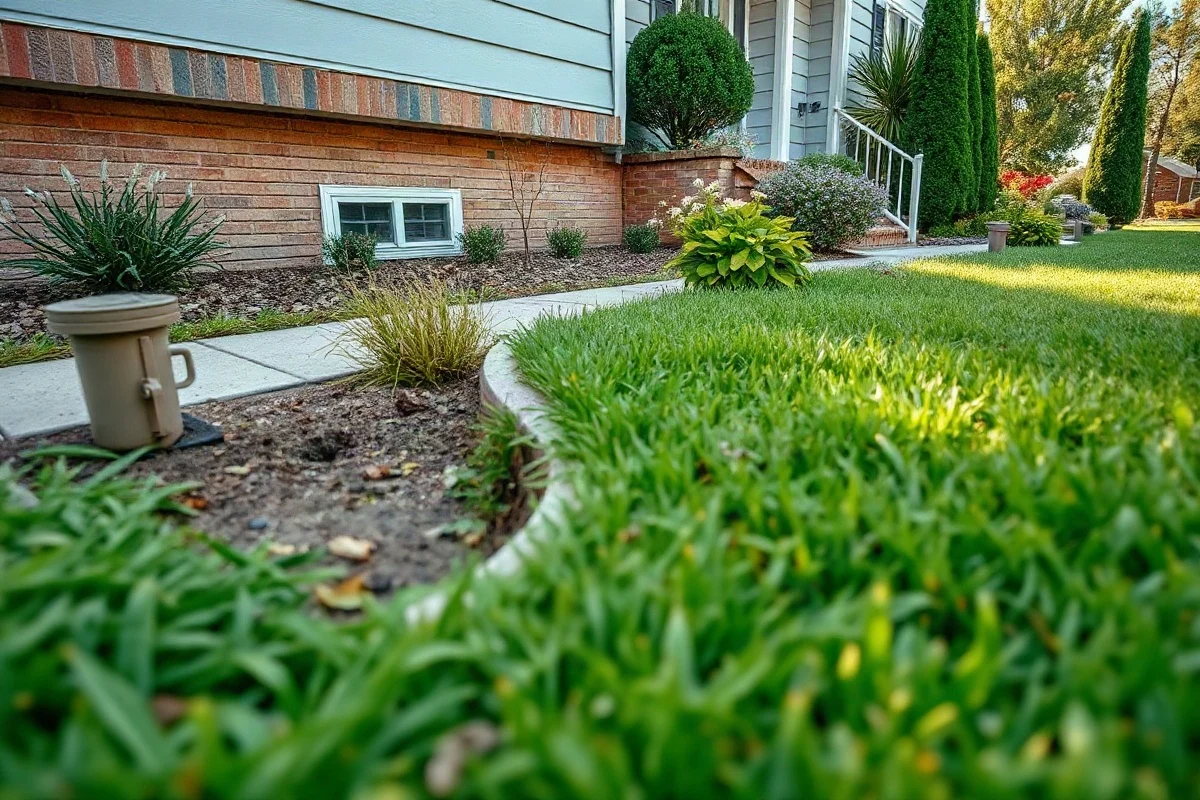
- Look for visible sewage, standing water, soft soil, or unusual plant growth in the yard.
- Identify the location of accessible cleanouts without removing caps that are stuck, damaged, or under pressure.
- Ask whether nearby construction, flooding, excavation, or landscaping changes occurred before the symptoms began.
- Keep records of drain cleanings, backups, odors, and any temporary improvements.
Do not pour harsh chemical drain cleaners into a suspected main-line problem. They may not clear a deep obstruction and can create a hazard for anyone who later opens the line. If sewage is present, keep children and pets away, avoid direct contact, and arrange qualified local help. For urgent backup or active contamination, an emergency plumber may be appropriate.
How Professionals Confirm a Sewer Line Sag
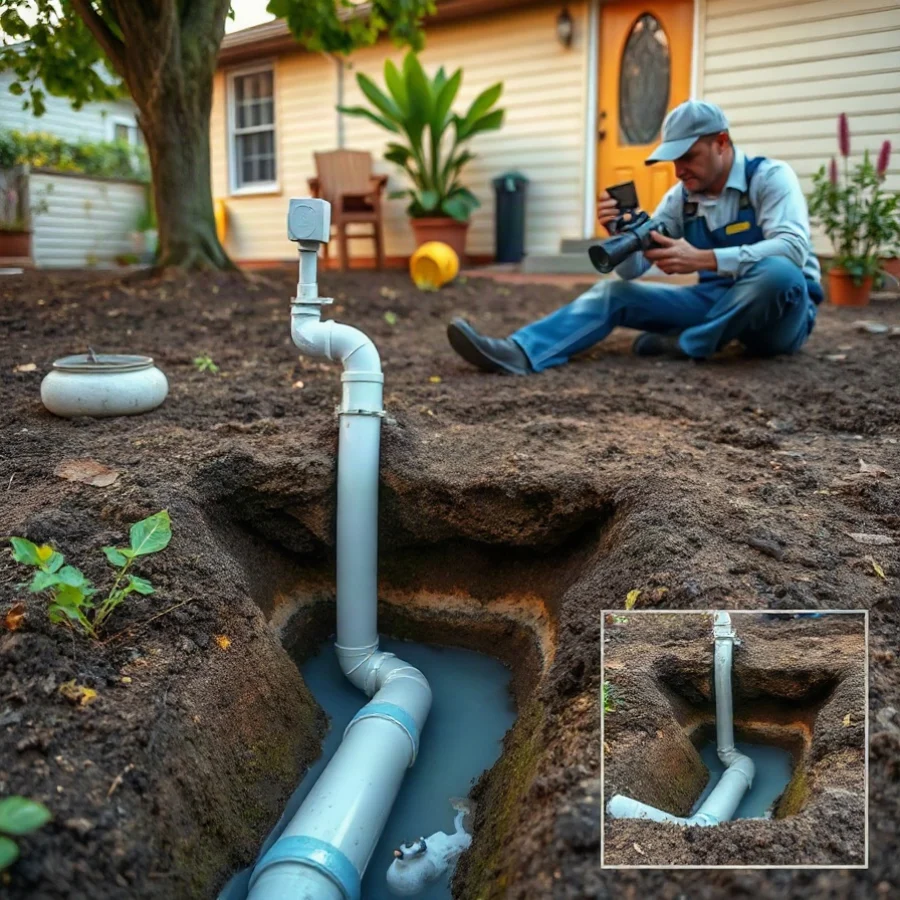
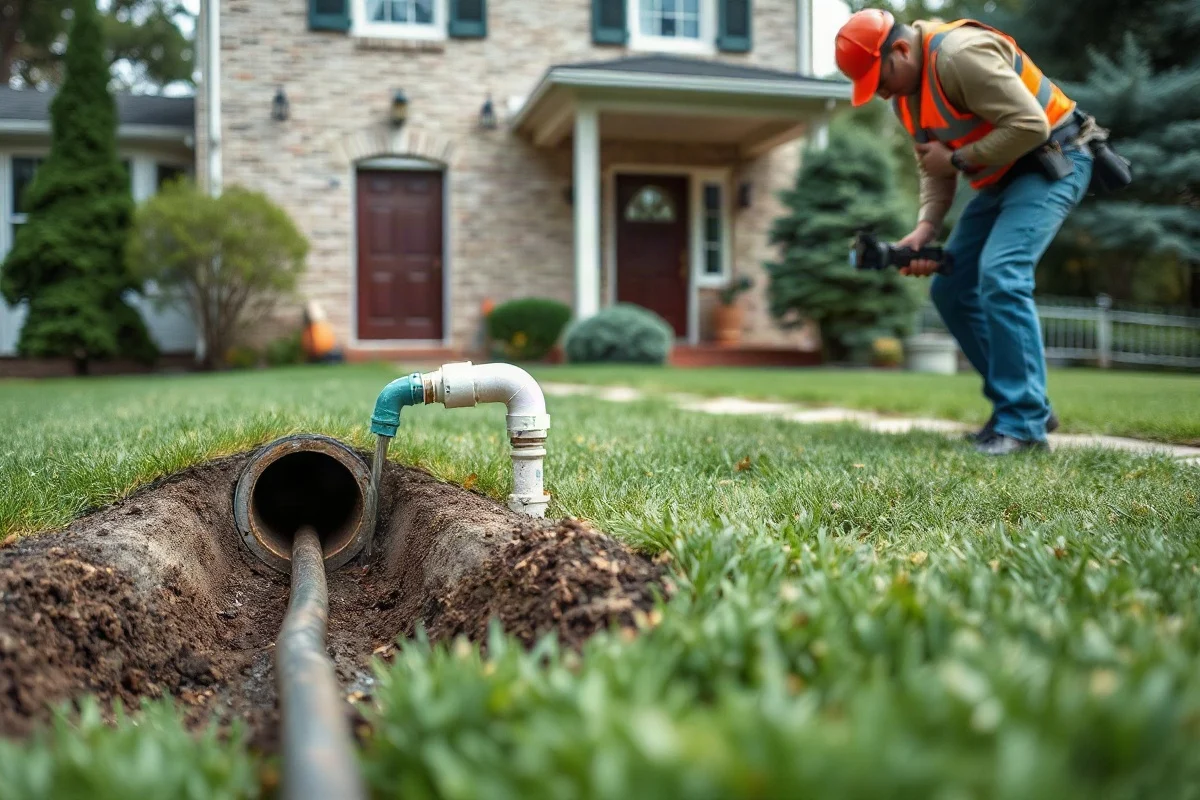
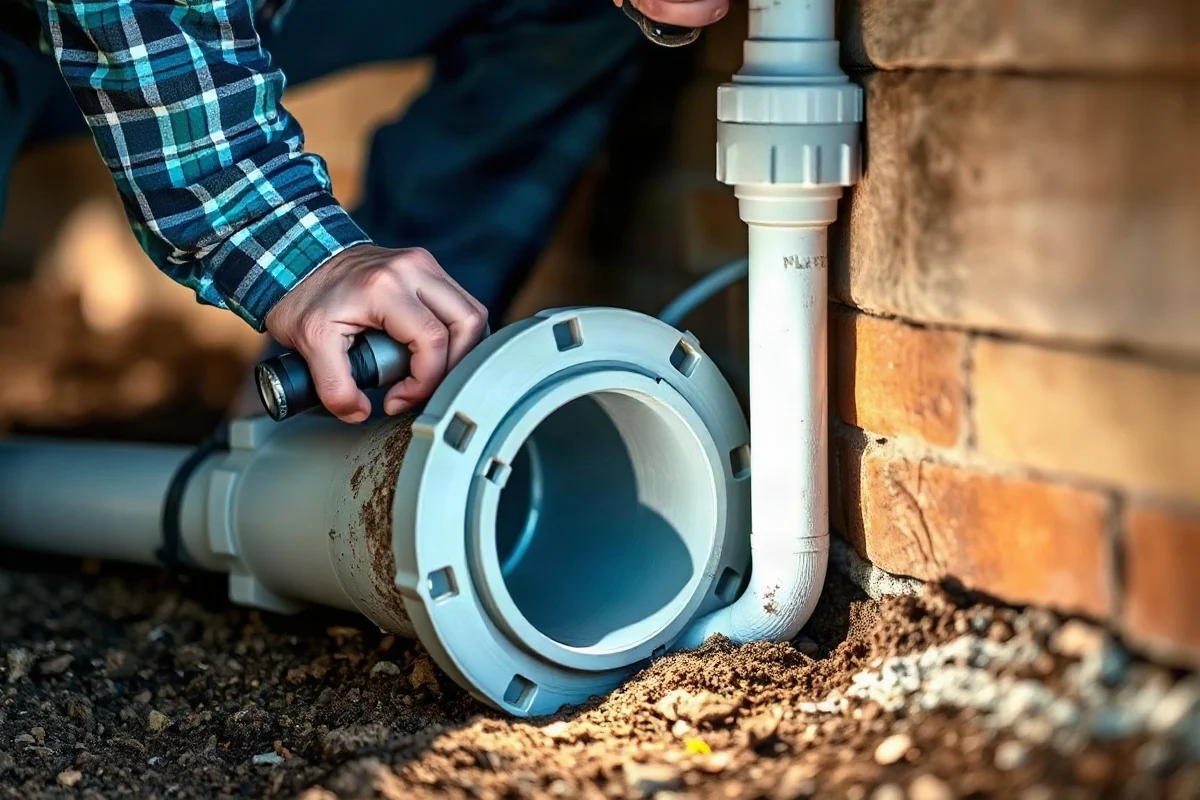
The usual diagnostic step is a drain camera inspection. A plumber feeds a specialized camera through an accessible cleanout or another suitable entry point and watches the pipe interior as the camera travels. The video may show standing water, accumulated debris, a separated joint, roots, cracks, crushed sections, or a low area where the camera dips and rises.
A camera inspection is most useful when the plumber documents the location and explains whether the finding is structural or simply a temporary obstruction. Ask for the recorded footage or clear images when available, along with measurements or reference points that help identify where the defect lies. A professional may also use locating equipment to mark the pipe’s path and estimate the depth of the affected section.
In some situations, additional evaluation is needed. The plumber may need to determine whether the issue is on private property or in a public connection, whether the line is shared, or whether a septic system is contributing to the symptoms. Local authorities, utilities, or septic professionals may be involved depending on the system and location. Rules and responsibilities vary, so a qualified local professional should explain what applies rather than making assumptions.
Repair and Replacement Options
Cleaning as a temporary measure
If the pipe is structurally sound and the sag is minor, professional drain cleaning may remove accumulated material and restore flow for a time. This treats the blockage, not the low spot. Ask how likely the buildup is to return and whether the plumber recommends monitoring or a more permanent correction.
Excavation and spot repair
When the affected section is limited and accessible, a plumber or sewer contractor may excavate the area, improve the bedding, reset the pipe, and replace damaged material. This approach can address a localized sag directly, but it may disturb landscaping, paving, flooring, or other structures above the line.
Trenchless rehabilitation or replacement
Some sewer lines can be repaired or replaced through limited access points using trenchless methods. These methods may reduce surface disruption, but they are not suitable for every pipe. A severe sag, collapsed section, incorrect grade, or unstable soil may require excavation. The contractor should explain whether the proposed method corrects the pipe’s position or only creates a new flow path inside the existing line.
Full sewer line replacement
Replacement may make more sense when the line has multiple defects, extensive deterioration, repeated failures, or a long section with poor grade. The right choice depends on the pipe material, access, depth, soil, connections, surface features, and the expected condition of the remaining line. A repair recommendation should be based on inspection findings rather than symptoms alone.
Repair Versus Replacement: Questions to Ask
Before approving major work, ask the contractor to explain the exact location and length of the sag, what caused it, and whether other defects are present. Request a description of the proposed repair, what areas must be opened, how removed material will be handled, and how the line will be tested afterward.
It is also reasonable to ask whether a temporary cleaning option exists, what risks come with delaying the repair, and whether a second opinion would be useful. If the work involves sewage exposure, excavation, public connections, traffic areas, structural supports, or other hazardous conditions, use a qualified local professional rather than attempting it yourself. The drain camera inspection service category can help you understand the diagnostic step involved.
What Affects Sewer Line Repair Cost?
There is no reliable single price for correcting a sagging sewer line. Cost depends on the diagnosis and site conditions, including:
- The length, depth, and location of the affected section
- Whether the line is under soil, concrete, pavement, landscaping, or a structure
- Pipe material, diameter, age, and overall condition
- Whether excavation, access points, hauling, restoration, or traffic control are needed
- The presence of roots, groundwater, unstable soil, or a collapsed section
- Whether a localized repair, trenchless work, or full replacement is appropriate
- Any required coordination with a utility, municipality, septic professional, or other contractor
Get a written scope that separates inspection, cleaning, repair, restoration, and any optional work. Comparing estimates is more useful when each contractor is responding to the same camera findings and describing the same repair limits. For general budgeting guidance, see the plumbing costs category, but treat any estimate as site-specific until the line has been inspected.
How to Choose the Right Sewer Professional
Look for a contractor who routinely handles sewer lines and can explain camera findings in plain language. Before scheduling, ask whether the company performs camera inspections, provides documentation, and has experience with both excavation and less disruptive repair methods when appropriate. Confirm the business information, insurance, and any licensing or credential requirements that apply in your area through the relevant local sources.
Be cautious of anyone who recommends full replacement without showing the defect, promises a permanent result without discussing soil or pipe conditions, or pressures you to approve work immediately when there is no active emergency. A clear professional should distinguish between a temporary blockage and a structural sag, explain the risks of waiting, and provide a practical written plan.
Preventing Future Sewer Line Problems
You cannot prevent every change in underground soil, but you can reduce avoidable stress on the sewer system. Keep grease, wipes, paper towels, and non-flushable products out of household drains. Maintain trees and landscaping with the sewer route in mind, and keep records of prior repairs. If you plan excavation, major paving, additions, or drainage changes, identify underground utilities and sewer piping first.
Repeated blockages deserve investigation rather than endless cleaning. Early camera documentation can show whether the line has a developing structural problem and may help you plan repairs before sewage enters the home. For related sewer-line information and professional service guidance, visit the sewer line category.
A sewer line sag is an underground structural problem, not simply a stubborn household clog. Safe observations can help describe the symptoms, but only an appropriate inspection can show whether the line has a belly, a break, roots, or another defect. When backups recur, sewage is present, or multiple fixtures are affected, arrange an evaluation from a qualified local sewer professional and base repair decisions on documented findings.
Comments
0No comments yet. Be the first to share a helpful note or question.
Leave a Comment
Your email address will not be published. Comments are reviewed before appearing on the site.