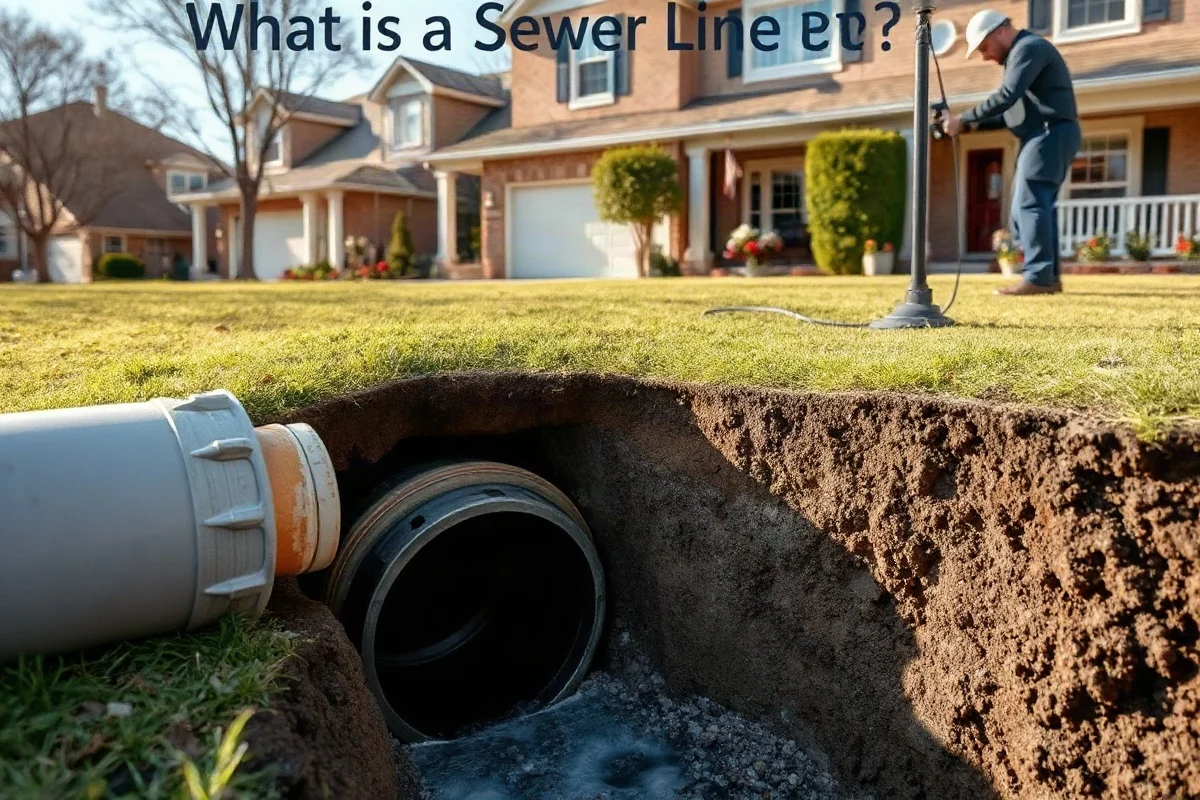
A sewer line belly is a low or sagging section of an underground sewer pipe where wastewater, sediment, and solids can collect instead of flowing normally. This condition, sometimes called a sewer pipe dip, can cause recurring backups, slow drains, unpleasant odors, and repeated clogs. Because the problem is usually buried and may involve sewage, identifying and repairing it should generally be handled by a qualified local plumbing professional.
How a Sewer Line Belly Forms
Building sewer pipes are installed with a gradual slope so wastewater can move toward the municipal sewer or a private septic system. A belly develops when part of the pipe settles, shifts, separates, or loses support. The affected section becomes lower than the surrounding pipe, creating a pocket where water remains after other parts of the line have drained.
Small amounts of paper, grease, soil, and other debris can collect in this pocket. Over time, the buildup may narrow the passage and make backups more likely. A belly does not always cause immediate problems. Some pipes continue to drain for a while, especially when the dip is shallow or the household produces relatively little wastewater. Symptoms may become more noticeable as the buildup increases or the pipe moves farther out of alignment.
Common Causes of a Sewer Pipe Belly
Several conditions can cause an underground sewer line to sag:

- Soil settlement: Loose, shifting, or poorly compacted soil can allow the pipe to lose support beneath one section.
- Erosion or washout: Water movement around the pipe can remove surrounding soil and leave part of the line unsupported.
- Improper installation: Incorrect slope, inadequate bedding, or poorly joined sections can create drainage problems from the beginning.
- Ground movement: Expansive clay, freeze-thaw cycles, nearby construction, or other changes in the soil can shift buried piping.
- Pipe deterioration: Older materials may crack, deform, separate at joints, or collapse as they age.
- Heavy loads above the line: Vehicles, additions, retaining walls, or other construction can place stress on shallow underground piping.
A belly is not necessarily caused by a single event. A pipe may have a minor installation problem and later worsen because of soil movement or deterioration. A camera inspection can help distinguish a sag from roots, a crack, a blockage, or a separated joint.
Signs You May Have a Sewer Line Belly
The symptoms often overlap with other sewer problems, so they do not prove that a belly exists. Still, a pattern of recurring issues can justify further investigation.
Recurring sewer backups
If the main sewer line backs up repeatedly after it has been cleaned, a low section may be collecting water and debris. A temporary improvement after snaking does not necessarily mean the underlying problem is gone.
Multiple slow drains
A single slow sink may have a local clog. Several fixtures draining slowly at the same time can point to a restriction in the main building sewer. Toilets, showers, tubs, and floor drains may all show symptoms when the shared line is affected.
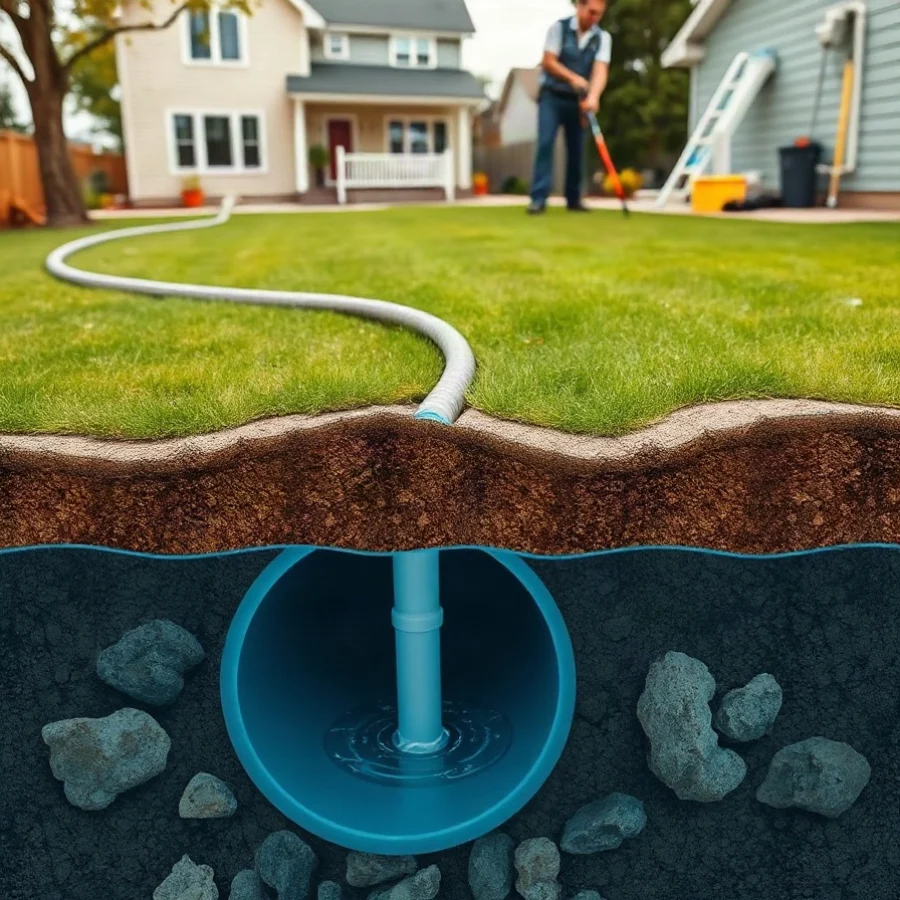
Gurgling or bubbling fixtures
Air trapped by standing wastewater can produce gurgling sounds when another fixture is used. A toilet may bubble when a nearby sink, washing machine, or shower drains. These sounds can also have other causes, including a separate blockage or venting issue.
Sewer odors
Persistent sewage odors near cleanouts, floor drains, crawl spaces, or parts of the yard may indicate wastewater is not moving as it should. Odors can also result from dried drain traps, broken pipes, or plumbing vent problems.
Wet or unusually green areas in the yard
A sewer line problem may contribute to damp soil, lush vegetation, settlement, or foul-smelling ground above the buried pipe. These signs are not conclusive because irrigation leaks, stormwater, and other underground plumbing problems can look similar.
Safe Checks Homeowners Can Make
Homeowners can document symptoms and perform a few low-risk observations, but a buried sewer line should not be excavated or opened casually.
- Note which fixtures drain slowly and whether they are affected at the same time.
- Record when backups occur, what fixtures were running, and whether cleaning temporarily helped.
- Check visible cleanout covers for standing water, sewage, damage, or unusual odors without removing a stuck or pressurized cover.
- Look for unexplained wet soil, sinkholes, or unusually vigorous plant growth along the likely sewer route.
- Stop using affected fixtures if sewage is backing up into the home.
Do not enter sewage-contaminated areas without appropriate protection, and keep children and pets away from contaminated water. Avoid chemical drain cleaners when a main sewer problem is suspected. These products may not clear the underlying issue and can create a hazard for anyone who later works on the line.
A homeowner should not dig into the yard, cut a sewer pipe, operate heavy equipment over the suspected area, or attempt to correct the pipe slope without professional guidance. Excavation can damage utilities, destabilize soil, expose sewage, and turn a difficult repair into a more extensive one.
How Professionals Confirm a Sewer Belly
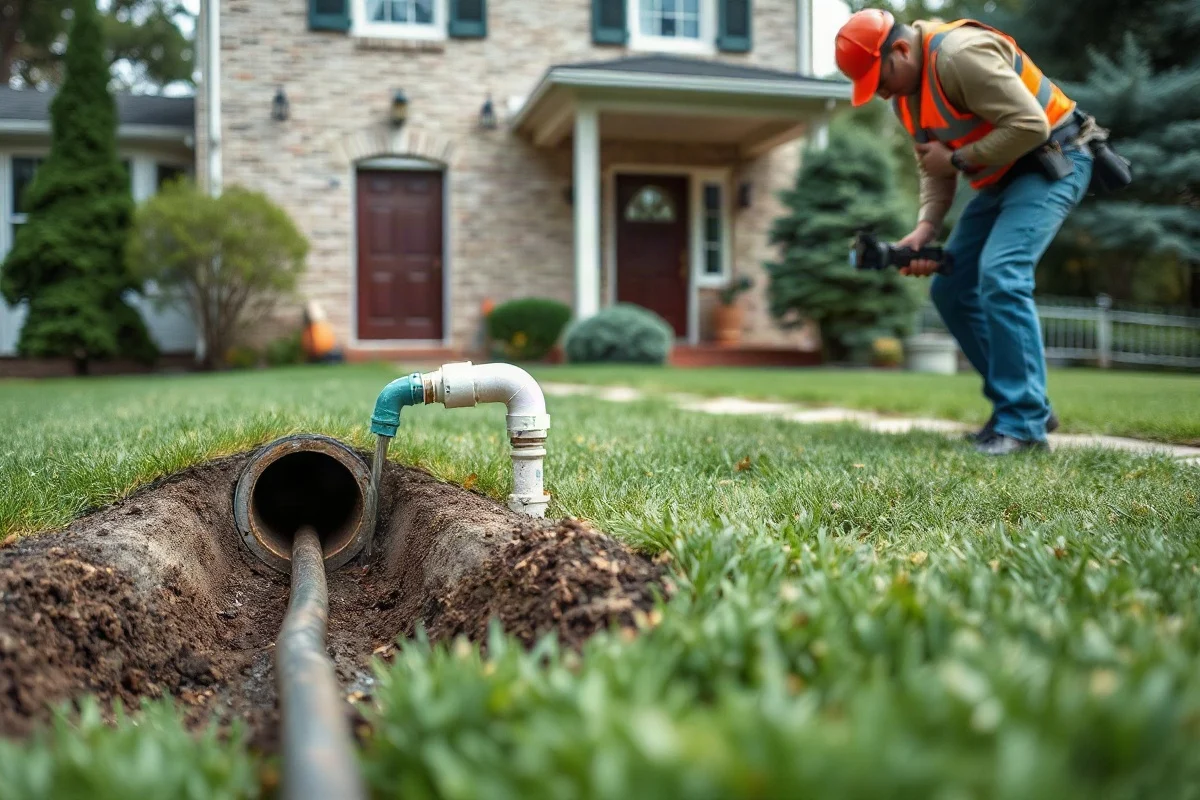
A qualified plumber will usually begin by asking about the history and pattern of the problem. They may then inspect the sewer line with a drain camera. A camera inspection can show standing water, a change in pipe elevation, roots, cracks, collapsed sections, offsets, grease, and other obstructions.
For a useful inspection, the line may need to be opened through an appropriate access point and cleared enough for the camera to pass. The plumber should explain what the camera shows rather than relying only on a verbal diagnosis. Ask whether the suspected belly is visible, how long it appears to be, and whether the recording or images can be provided for your records.
When you need a closer look at a buried line, a drain camera inspection can help separate a structural problem from a recurring blockage. A camera cannot always measure every detail of slope or soil condition, so the final repair recommendation may require additional investigation.
Repair and Replacement Options
The right solution depends on the pipe material, depth, accessibility, severity of the sag, surrounding structures, and the condition of the rest of the line.
Cleaning or temporary obstruction removal
If debris has collected in the low section, drain cleaning may restore flow temporarily. This can be useful as a short-term measure or as preparation for inspection, but cleaning does not raise a pipe that has physically settled. Recurring symptoms after cleaning suggest that more investigation may be needed.
Excavation and spot repair
If the belly is short and the surrounding pipe is sound, a plumber may recommend exposing that section, correcting its support and alignment, and replacing damaged pipe or joints. This approach can be appropriate when the problem is localized and the line is accessible.
Trenchless repair or replacement
Some properties may be candidates for trenchless methods, which use limited access points rather than opening the entire sewer route. Suitability depends on the pipe's size, material, layout, condition, access, and the specific method available. Trenchless work is not automatically appropriate for every sag, especially when the pipe has lost the grade needed for reliable flow.
Full sewer line replacement
Replacement may make more sense when the line has multiple bellies, widespread cracks, severe corrosion, repeated root intrusion, collapsed sections, or poor overall condition. A professional should explain why replacement is being considered instead of presenting it as the only option without inspection findings.
More information about related sewer work is available through the sewer line service guide. If sewage is actively entering the home or a major backup is causing property damage, treat the situation as urgent and seek qualified local help.
When Repair Makes More Sense Than Replacement
A localized belly in an otherwise serviceable line may be repairable. Replacement becomes more compelling when the problem is long, deep, difficult to access, or accompanied by multiple defects. The age and material of the pipe also matter, but age alone does not prove that replacement is necessary.
Ask the plumber to explain the condition of the entire accessible line, not just the most obvious low spot. A repair that corrects one section may not solve problems caused by another sag, root intrusion, or a damaged connection farther downstream. If the recommendation is extensive, getting a second opinion from another qualified local professional can help you compare options.
What Affects Sewer Belly Repair Cost?
There is no dependable universal price for this work. Local labor conditions, site access, and the condition of the pipe can change the total substantially. Important cost factors may include:
- The length, depth, and location of the affected section
- Pipe material, diameter, and overall condition
- Whether excavation is required and what is above the pipe
- Soil conditions, groundwater, erosion, and access for equipment
- Whether landscaping, pavement, flooring, or other surfaces must be restored
- The need for cleaning, camera inspection, locating, pumping, or additional testing
- Whether the repair is a spot correction, trenchless project, or full replacement
- Urgency, scheduling, and the possibility of related defects
For broader planning information, review a general plumbing cost guide, but use a written local estimate for an actual sewer project. The estimate should identify the diagnosed defect, proposed method, materials, excavation or restoration responsibilities, and any conditions that could change the scope.
How to Choose the Right Sewer Line Professional
Look for a local plumbing company with relevant experience in underground sewer diagnostics and repair. Before authorizing work, ask:
- Will the line be inspected with a camera before a major repair is recommended?
- Can the plumber show you the suspected belly and explain its location?
- Is the proposed work intended to correct the sag or only clear the symptoms?
- What alternatives are reasonable for this property?
- Who handles excavation, surface restoration, and cleanup?
- What assumptions or exclusions are included in the written estimate?
- What qualifications, insurance, and local requirements apply to this type of work?
Confirm local licensing or other requirements through the appropriate local authority rather than relying on general internet advice. For sewage exposure, major flooding, concealed damage, excavation, or work that may involve public infrastructure, use a qualified local professional and follow local safety guidance.
Keep the Problem From Getting Worse
Once a belly is confirmed, avoid flushing wipes, paper towels, grease, and other items that can increase buildup. Use only normal amounts of toilet paper and address repeated clogs instead of treating them as routine. Do not rely on chemical cleaners to manage a structural sewer problem.
The most important step is to investigate recurring symptoms before a backup causes broader damage. A sewer line belly is a physical drainage defect, not simply a stubborn household clog. Professional inspection can clarify whether the line needs cleaning, localized repair, trenchless work, or replacement, allowing you to make a decision based on evidence rather than guesswork.
Comments
0No comments yet. Be the first to share a helpful note or question.
Leave a Comment
Your email address will not be published. Comments are reviewed before appearing on the site.