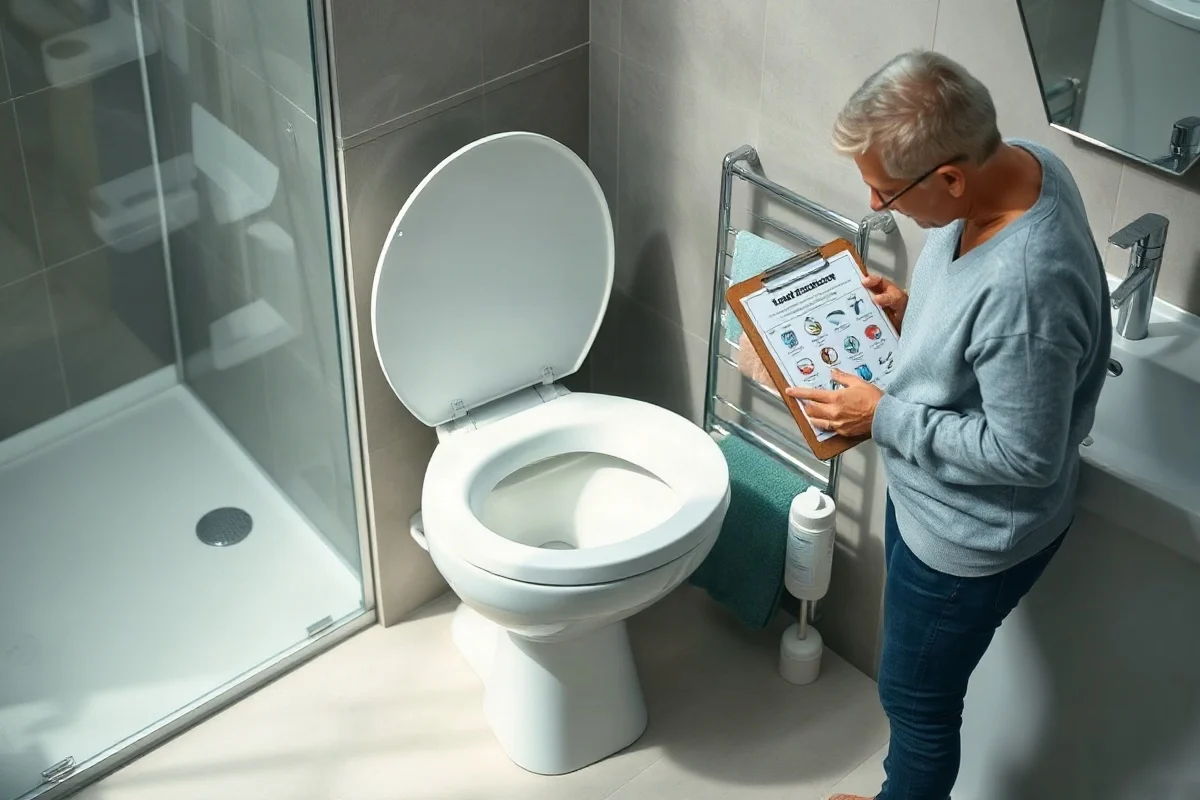
TOTO, Kohler, and American Standard are among the brands most often associated with powerful toilet flushing, but no single brand wins for every model. The specific toilet’s flush design, performance testing, water usage, bowl shape, drain condition, and installation quality matter more than the logo on the tank. For a dependable comparison, look for independent MaP performance results or other clearly documented testing for the exact model—not just a marketing claim about “powerful flushing.”
A toilet that flushes well should move waste through the trapway and into the drain without repeated flushing, excessive swirling, or frequent clogs. However, a strong flush cannot compensate for a blocked drain, a weak water supply, an incorrect installation, or a sewer-line problem. Understanding those differences can help you choose the right toilet and avoid replacing a fixture when the real problem is elsewhere.
Which toilet brands are known for strong flushing?
Several established manufacturers offer models designed for effective waste removal. TOTO is widely recognized for pressure-assisted and gravity-flush designs that use carefully engineered bowl and trapway geometry. Kohler offers multiple flushing systems, including gravity and canister-style designs, with performance varying substantially from one model to another. American Standard also produces toilets with strong flush ratings and designs intended to reduce clogging.
Other brands may perform well too. The important point is that a brand reputation is only a starting point. A premium model from one manufacturer may outperform a basic model from the same company, while a well-tested toilet from a less frequently discussed brand may work better than an expensive fixture chosen without reviewing its specifications.
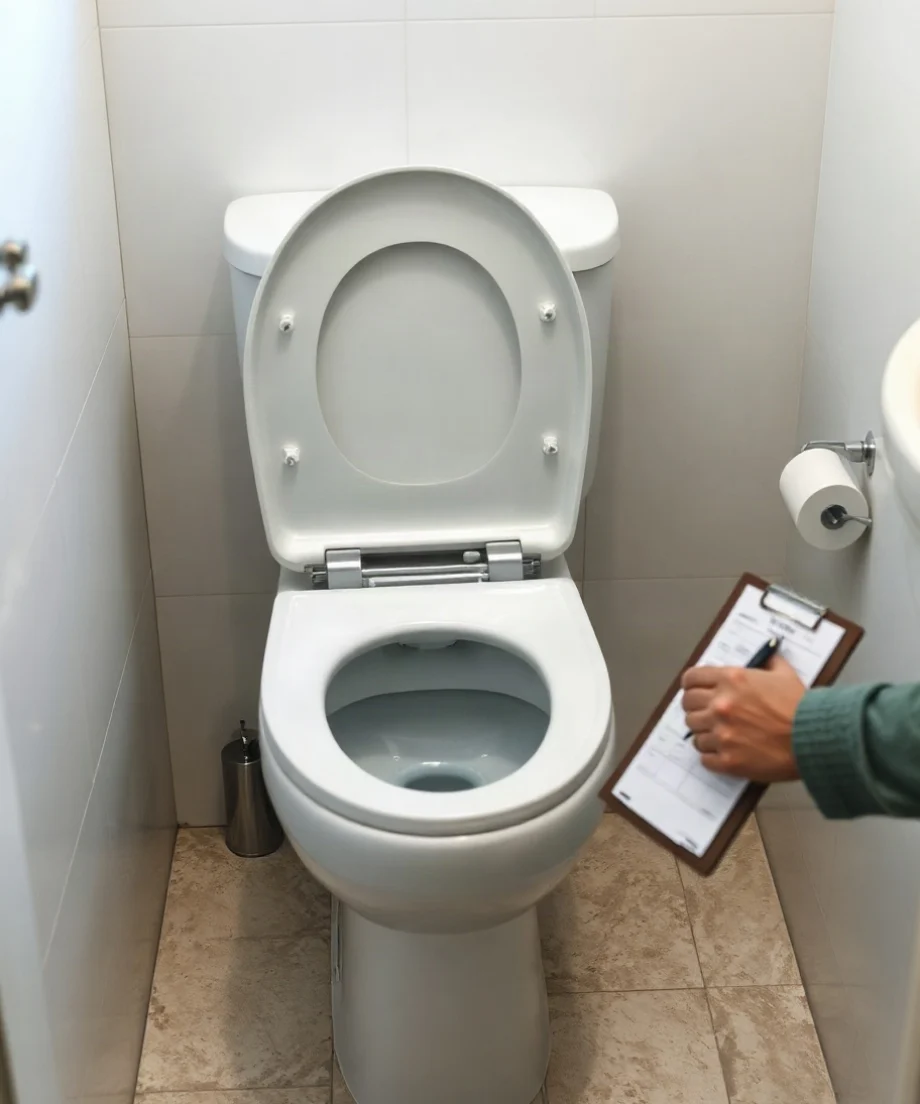
Check the exact model’s performance rating
When comparing toilets, search for the exact model number and review independent performance information. The MaP testing program is one commonly used reference because it evaluates how much solid waste a toilet can remove in a standardized test. A higher rating generally indicates stronger tested waste-removal performance, although it does not measure every aspect of ownership.
Also review the toilet’s flush type, water consumption, trapway design, bowl shape, rough-in measurement, and replacement-parts availability. A toilet advertised as powerful may still be a poor fit if it does not match the existing drain layout or if replacement components are difficult to obtain.
How toilet flushing power actually works
Flush performance comes from several components working together. In a gravity toilet, water stored in the tank flows into the bowl when the flush valve opens. The shape of the bowl, rim outlets, trapway, and outlet passage directs that water into a siphoning action that carries waste away.
Pressure-assisted toilets use compressed air inside a sealed tank or cartridge to push water into the bowl with greater force. These toilets can produce a fast, forceful flush and may be useful in some high-use settings. They can also sound louder and may require model-specific replacement parts. Gravity toilets are often quieter and simpler, but their performance depends heavily on the design of the tank and bowl.
Rimless or redesigned bowl systems may direct water more efficiently around the bowl, while larger trapways can help reduce the chance of waste catching at the toilet outlet. None of these features guarantees trouble-free operation. The fixture still depends on adequate water, a properly connected flange, a clear drain, and correct installation.
Why a powerful toilet may still clog
A toilet that clogs repeatedly is not always a weak toilet. Common causes include too much paper, objects placed in the bowl, a partially blocked trapway, or a restriction farther down the drain. Older homes may also have drainage problems that affect several fixtures at once.
Look for patterns. If only one toilet has trouble and plunging temporarily restores normal operation, the obstruction may be in that toilet’s trapway or nearby branch drain. If multiple fixtures drain slowly, gurgle, or back up, the problem may involve a shared drain or sewer line. In that situation, replacing the toilet may not solve the underlying issue. A qualified plumber may need to inspect the line, sometimes with specialized equipment.
A toilet that flushes weakly but does not clog may have a low tank water level, a worn flapper, a restricted fill valve, mineral buildup in the rim openings, or a partially closed shutoff valve. These problems are often repairable without replacing the entire fixture.
Safe checks homeowners can perform
Before calling for service, homeowners can perform a few low-risk checks:
- Confirm that the water-supply shutoff valve is fully open, without forcing a stuck valve.
- Remove the tank lid and check whether the water reaches the marked fill line or the level specified by the manufacturer.
- Make sure the chain or flush mechanism allows the flapper or flush valve to open fully.
- Use a toilet plunger with a flange designed for toilets if the bowl is clogged.
- Check whether other toilets, sinks, tubs, or showers are also draining slowly.
- Look for visible water around the toilet base, supply connection, and tank bolts.
Do not use repeated chemical drain treatments in a toilet. They may damage components, create splash hazards, and make later repairs more dangerous. Do not keep flushing an overflowing bowl. Turn the shutoff valve clockwise if it operates normally, or lift the tank lid and close the flapper temporarily to stop additional water from entering the bowl.
When a professional should diagnose the problem
Contact a qualified local plumber when a toilet continues to clog after reasonable plunging, when several fixtures are affected, or when water backs up from a floor drain, tub, or shower. Sewage exposure should be treated as a health hazard; avoid contact and arrange professional cleanup and plumbing service.
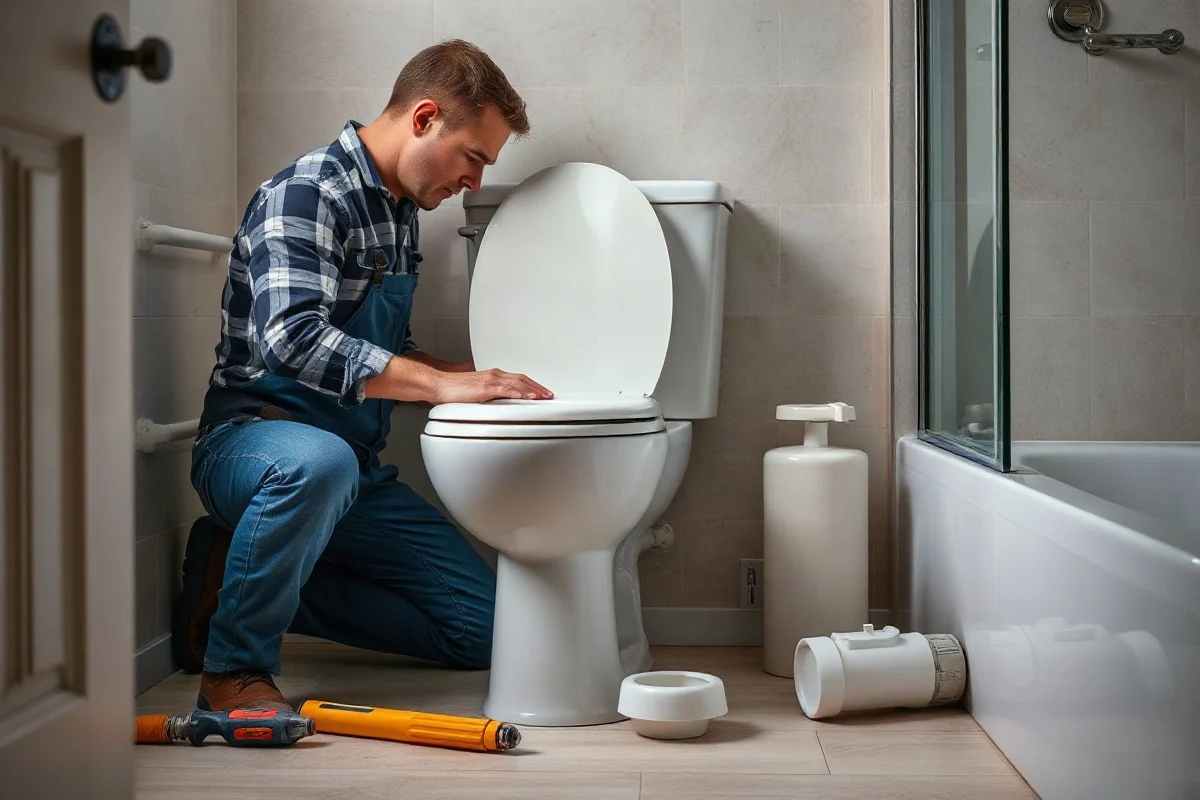
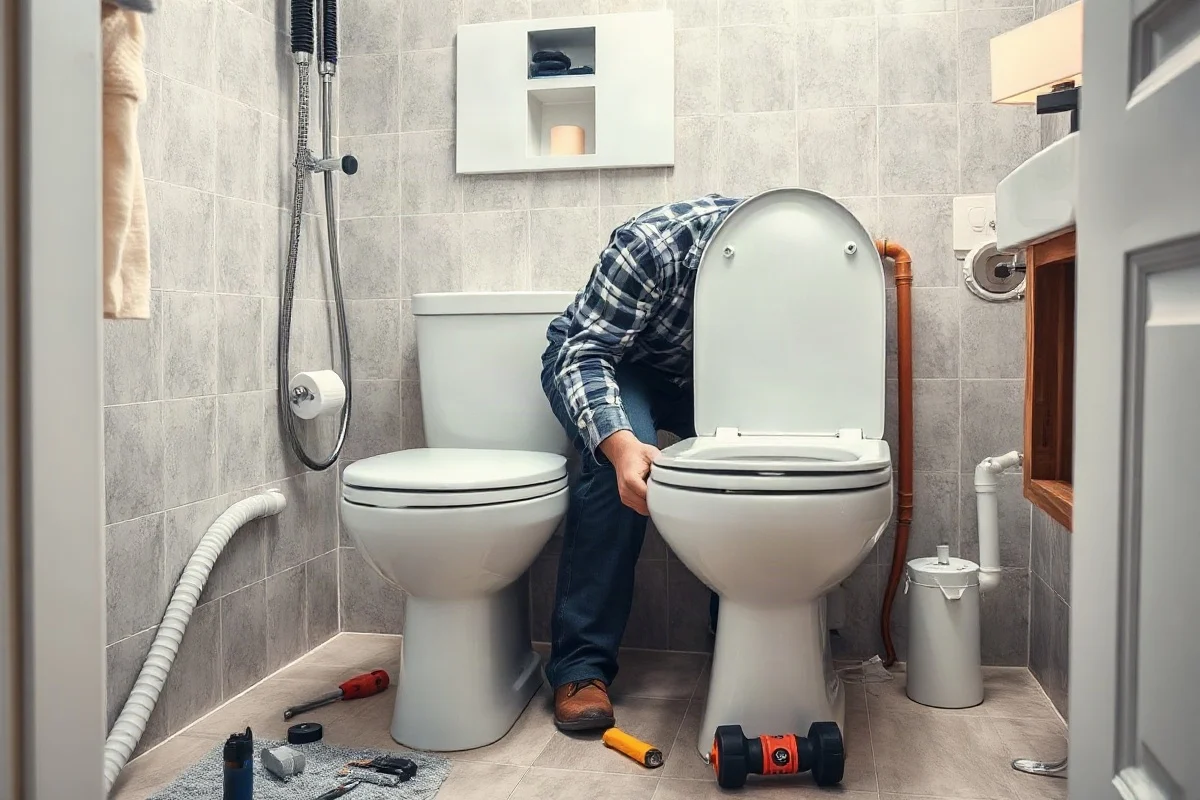
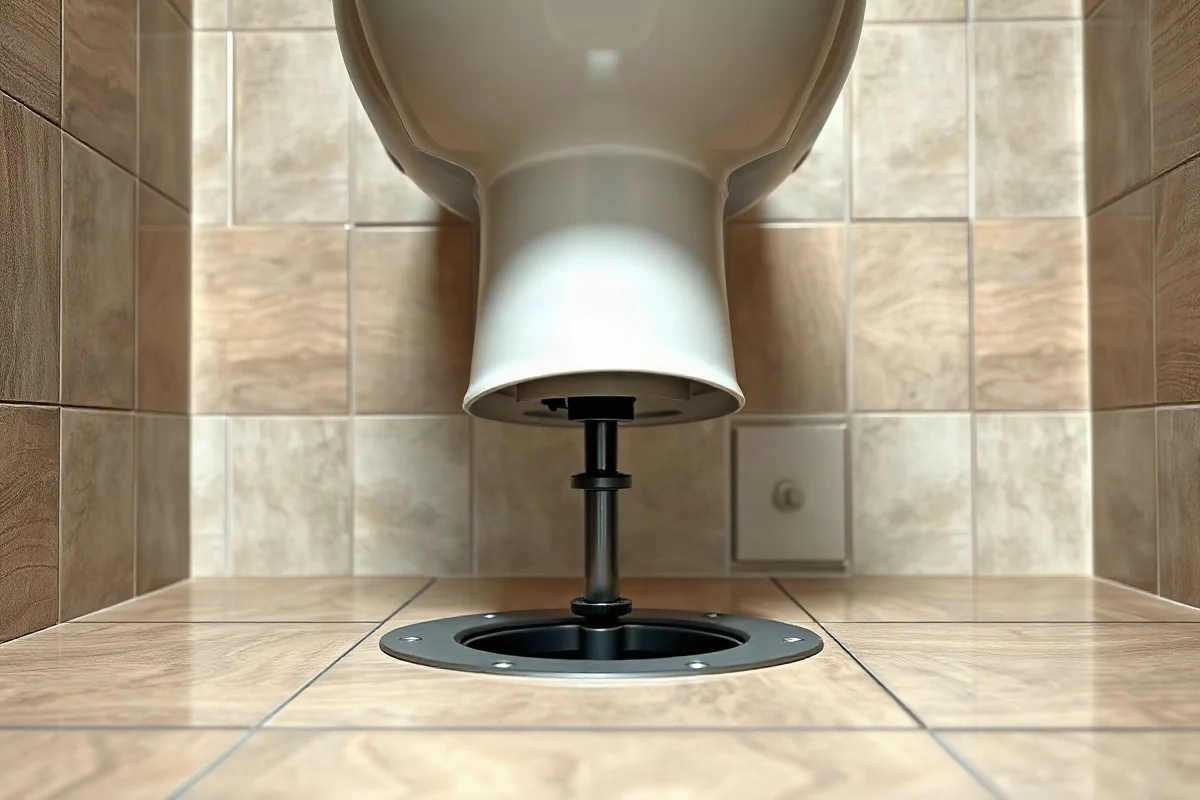
Professional help is also appropriate for a toilet that leaks from its base, rocks on the floor, has a damaged flange, or shows signs of a concealed leak. Removing and resetting a toilet involves the seal between the fixture and drain flange. An incorrect installation can cause hidden water damage even when the leak is not immediately visible.
If the bathroom floor is significantly wet, water is reaching nearby electrical equipment, or a leak cannot be controlled, shut off the water if it is safe to do so and seek prompt local assistance. For related service information, you can review this toilet repair guide or the page about overflowing toilets.
Repair or replace: how to decide
Repair is usually worth considering when the toilet has a sound bowl and tank but needs a new flapper, fill valve, flush valve, handle, or supply connection. These parts can wear out while the porcelain remains in good condition. A repair may restore normal performance without changing the toilet’s height, footprint, or appearance.
Replacement may make more sense when the porcelain is cracked, the toilet is unstable because of flange or floor damage, the model uses obsolete parts, or repeated repairs have not corrected persistent performance problems. Replacement is also an option when the current bowl does not fit household needs, such as comfort height, accessibility, or water-efficiency goals.
Do not assume a newer toilet will solve a drain-line problem. If the existing fixture is not the source of the restriction, installing a different model may produce the same symptoms. A plumber can help determine whether the issue is the toilet, the branch drain, the main sewer line, or a combination of factors.
What affects the cost of a powerful-flushing toilet project?
The total cost depends on more than the toilet’s purchase price. Important factors include the model and finish, whether the toilet is one-piece or two-piece, the installation location, removal and disposal of the old fixture, the condition of the shutoff valve and supply line, and whether the flange or flooring needs attention.
Extra work may be needed if the rough-in measurement does not match, the drain connection is damaged, the floor is uneven, or the existing shutoff valve cannot be operated safely. A clog, hidden leak, or sewer-line restriction can add diagnostic and repair work. Ask for a written explanation of the proposed work and whether the estimate includes removal, installation, testing, cleanup, replacement parts, and disposal.
For general planning, the site’s plumbing costs guide explains why plumbing prices vary by job conditions rather than by fixture price alone.
How to choose the right toilet
Start by measuring the existing rough-in from the finished wall to the center of the floor bolts, while accounting for the baseboard or other wall trim. Confirm the bowl projection, seat height, water-use information, and connection location. Review the exact model’s performance testing instead of relying on a brand-wide claim.
Think about how the bathroom is used. A pressure-assisted toilet may suit someone who prioritizes a forceful, rapid flush, while a gravity model may be preferable when quiet operation and straightforward maintenance matter more. Households with children or frequent visitors may value a bowl and flush system that is easy to keep clean. Make sure replacement parts can be identified for the specific model.
How to choose a qualified plumber
Ask prospective plumbers whether they regularly install and diagnose toilets, whether they will inspect the flange and supply connection, and how they distinguish a toilet problem from a drain or sewer problem. Request a clear description of the work before authorizing installation.
Choose a professional who communicates clearly, follows applicable local requirements, carries appropriate insurance, and is willing to explain the repair or replacement recommendation. Licensing, insurance, and permit rules vary by location, so verify the requirements with the relevant local authority rather than relying on a generic online statement. You can also review this guide to hiring a plumber before scheduling service.
The most powerful flush is not necessarily the loudest one or the fixture with the most aggressive advertising. The best choice is a correctly sized, independently tested toilet installed on a sound drain system and maintained with the right parts. Compare exact models from reputable manufacturers, investigate any existing clog or leak first, and use a qualified local professional for installation problems, sewage concerns, hidden leaks, or other unsafe conditions.
Comments
0No comments yet. Be the first to share a helpful note or question.
Leave a Comment
Your email address will not be published. Comments are reviewed before appearing on the site.