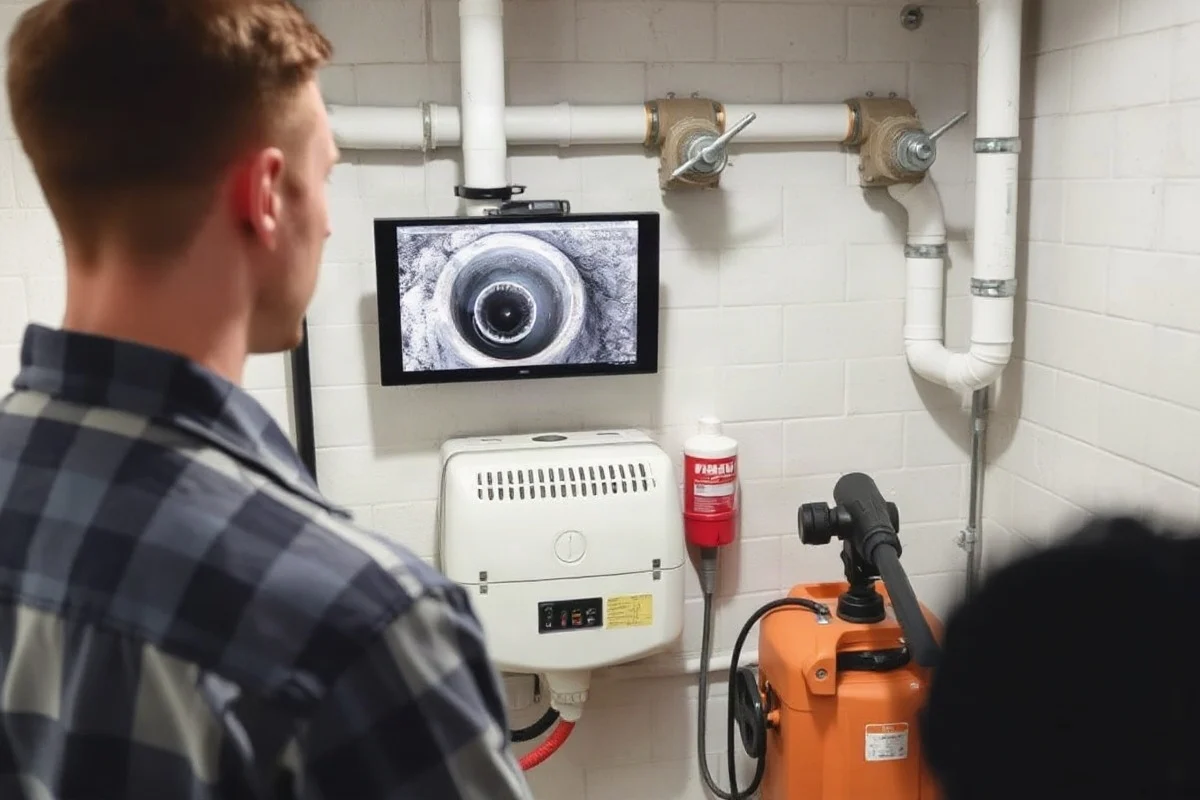
Plumbers inspect pipes before hydro jetting because high-pressure water can expose or worsen problems that are hidden inside a drain line. A camera inspection helps identify the blockage, evaluate the pipe's condition, locate vulnerable sections, and choose a cleaning method that fits the system. Without that information, hydro jetting may be ineffective or unnecessarily risky, especially when pipes are cracked, collapsed, severely corroded, or damaged by roots.
What hydro jetting does
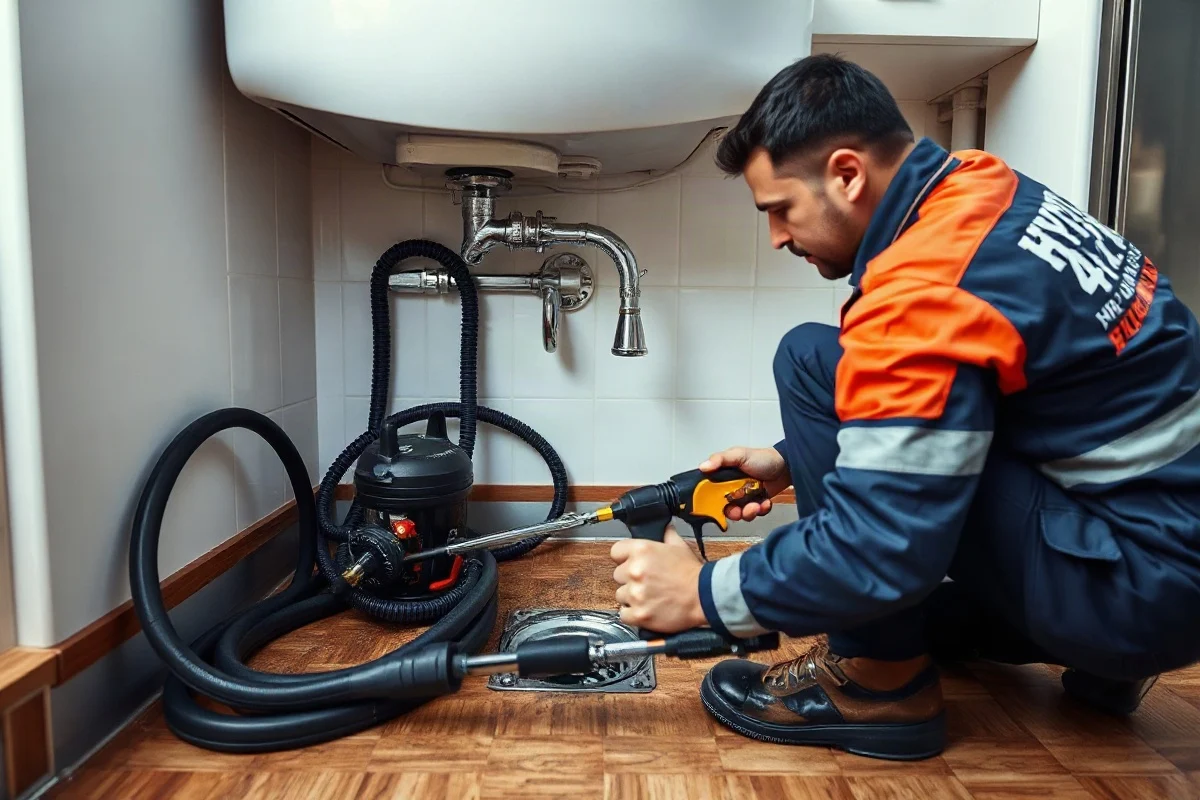
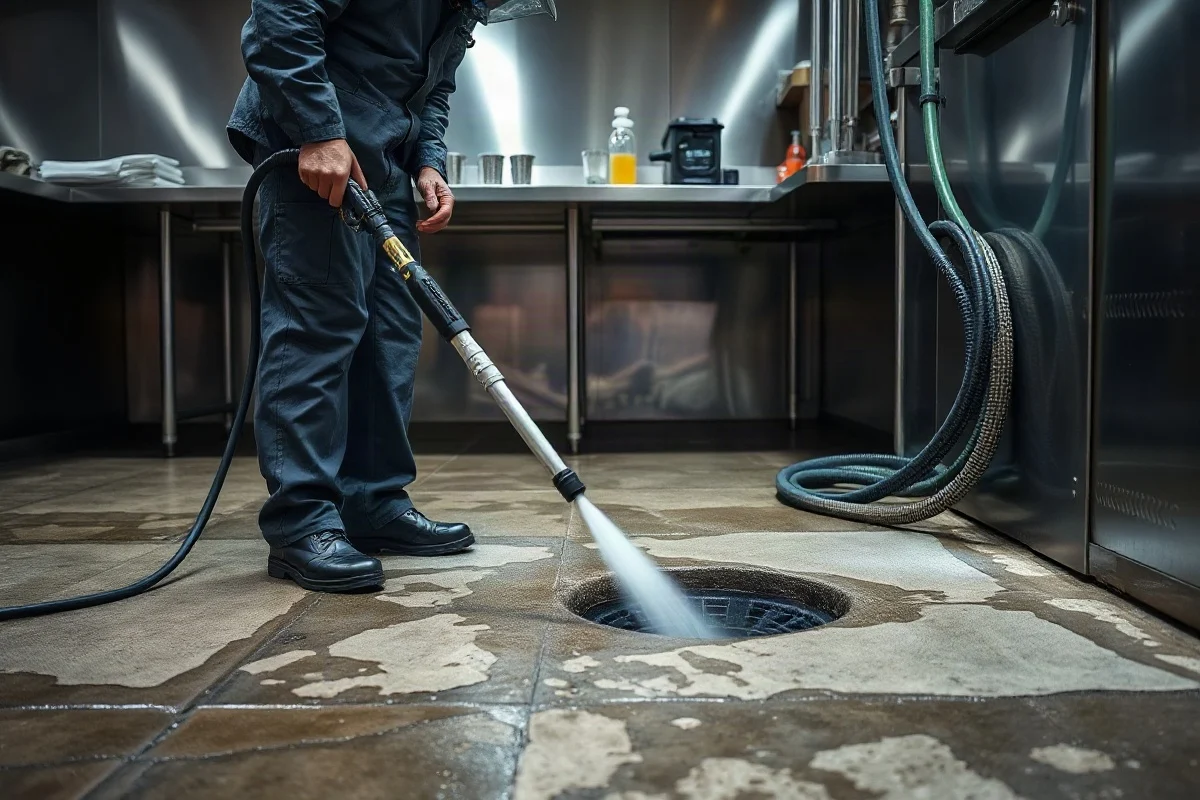
Hydro jetting uses specialized equipment to direct pressurized water through a drain or sewer line. Depending on the equipment and the condition of the line, the water can break apart grease, sludge, soap residue, mineral buildup, and other deposits clinging to the interior walls. It can also flush loosened material farther through the pipe instead of leaving a partial opening behind.
That deep cleaning makes hydro jetting useful for some recurring or stubborn blockages. However, it is not a universal solution. Water pressure can clean a sound pipe, but it cannot repair a broken pipe, restore a collapsed section, or reliably remove every object lodged in a line. An inspection gives the plumber information needed before choosing the equipment, nozzle, pressure approach, and access point.
What a pipe inspection can reveal
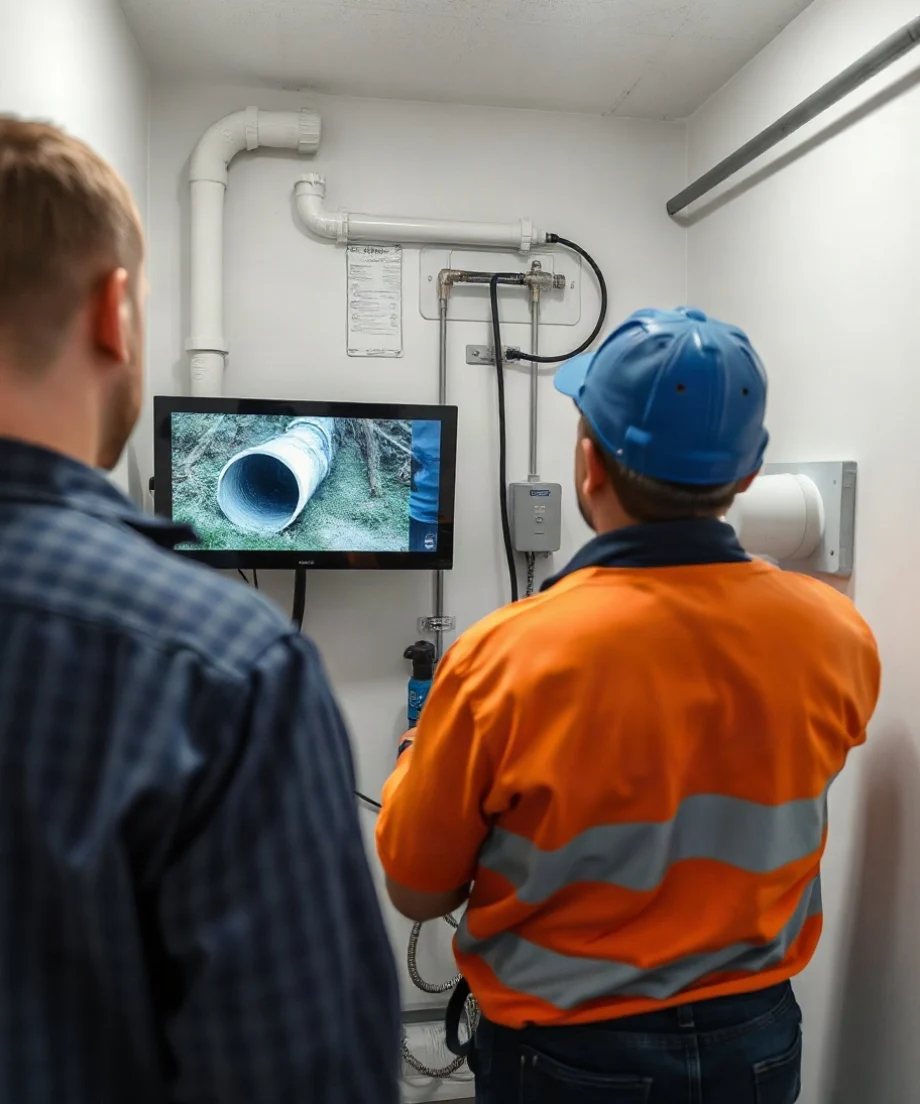
A plumber commonly uses a small drain camera to view the inside of the line. The camera may show where the obstruction is located and whether the pipe has enough structural strength for jetting. It can also help distinguish between a removable buildup and a physical defect that requires a different repair.
Cracks, breaks, and missing pipe sections
A cracked or broken drain line may already be leaking into surrounding soil, a wall cavity, a crawl space, or another concealed area. High-pressure cleaning does not correct that defect. In some situations, it could move debris into the damaged opening or make an existing problem more difficult to manage. If the inspection suggests a break, the next step may involve pipe repair or replacement rather than routine cleaning.
Collapsed or badly deformed pipes
A collapsed section creates a physical restriction that water cannot simply wash away. The camera may show a flattened line, a separated joint, or a section that has shifted out of alignment. These conditions generally call for a professional repair plan. Repeated attempts to force water through a collapsed pipe can waste time and may increase the risk of flooding or additional damage.
Tree-root intrusion
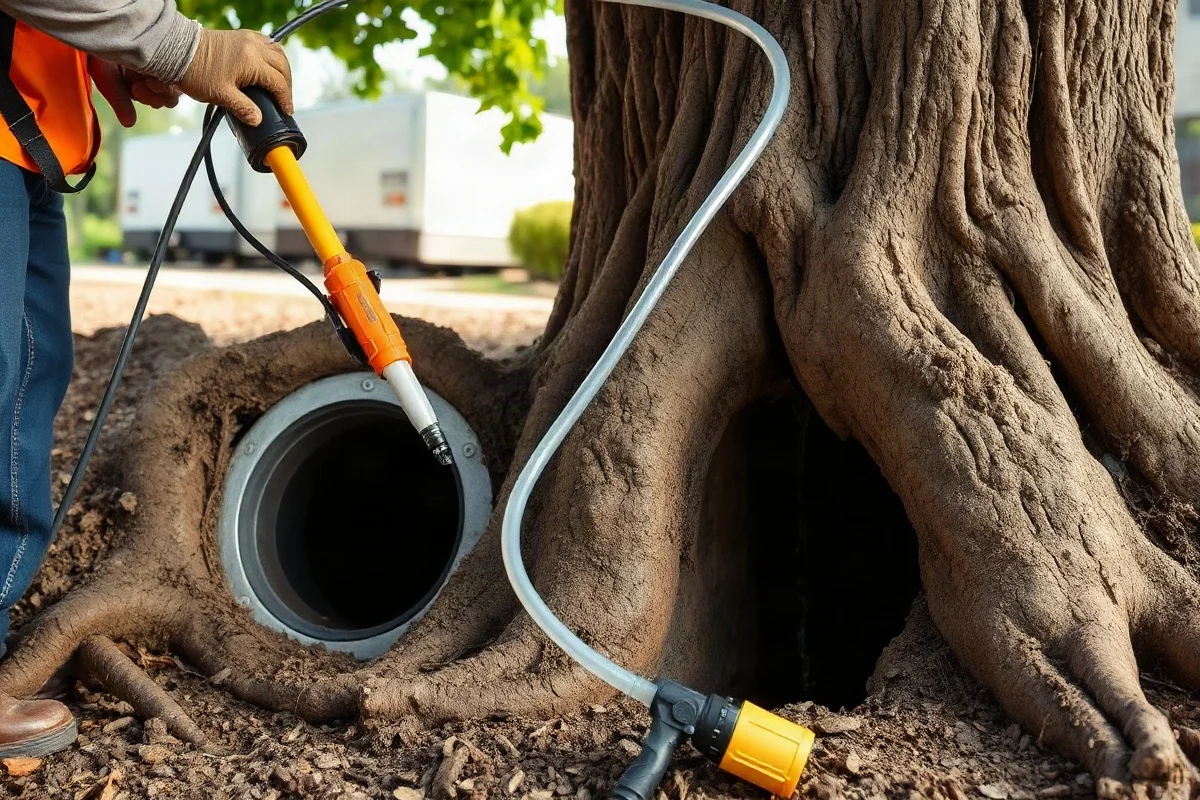
Roots can enter through small joints, cracks, or other weak points in an underground sewer line. Hydro jetting may remove root growth from the interior, but it does not eliminate the outside source or repair the point of entry. The plumber may recommend additional evaluation and a longer-term solution. If several fixtures are backing up or the problem keeps returning, a sewer line professional can help assess the broader issue.
Grease and hardened deposits
A camera can help confirm whether a line is narrowed by grease, scale, sludge, or another deposit. This is the type of condition hydro jetting may address effectively when the pipe itself is in suitable condition. The inspection also helps the plumber avoid mistaking a deposit for a structural failure.
Foreign objects and construction debris
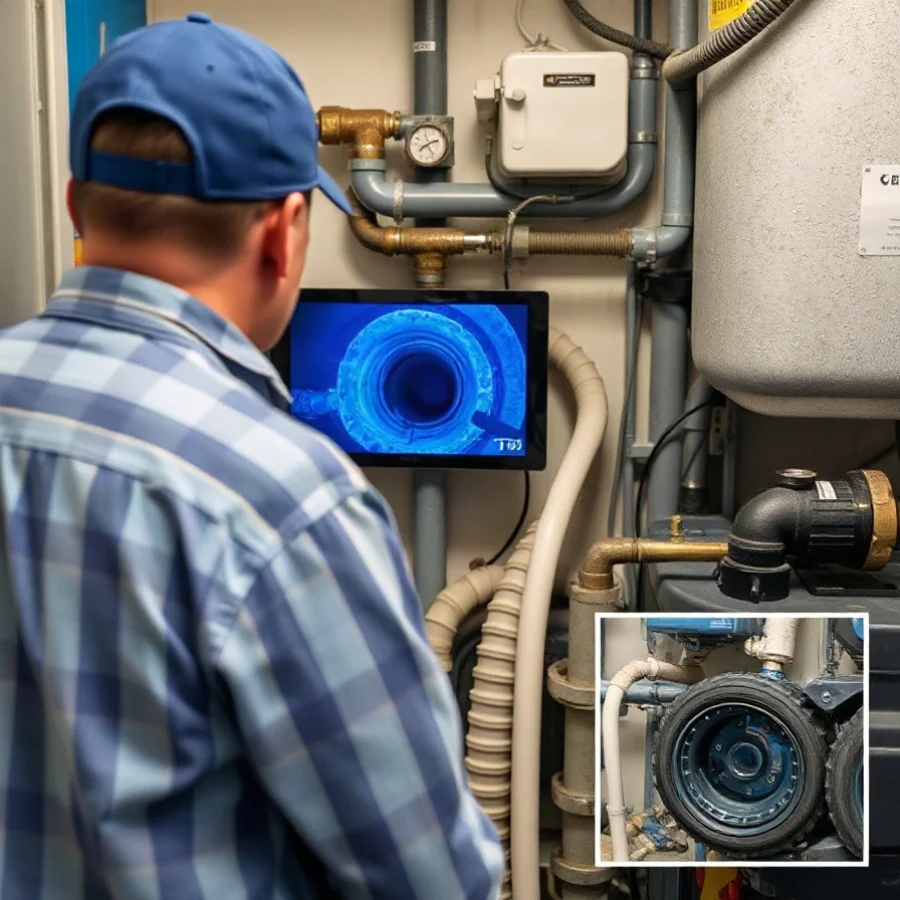
Small objects, rags, excess grout, concrete, or other debris may block a drain. Pressurized water may not be the right first choice for every object. A plumber may need to retrieve, break up, or mechanically clear the material using a method selected for the pipe and obstruction.
Why skipping the inspection can create problems
Hydro jetting is more than running a hose into a drain. The equipment, water pressure, nozzle, and cleaning direction need to match the line. If a plumber cannot see the pipe's condition, it is harder to predict how the line will respond.
For example, a blockage may be hiding a damaged section. The drain may appear to work after cleaning, while water continues leaking outside the pipe. A line may also have a low spot where wastewater and debris collect repeatedly. Cleaning the interior could provide temporary relief without addressing the underlying installation or structural issue.
Inspection can also prevent unnecessary work. If the camera shows a relatively clean line with a localized obstruction, the plumber may recommend a less aggressive clearing method. The goal is not automatically to use the most powerful equipment. The goal is to restore flow while protecting the plumbing system and identifying conditions that could cause another failure.
Signs that a drain may need professional evaluation
One isolated sink clog does not always require a camera inspection. A simple, accessible obstruction may respond to routine maintenance performed by a qualified plumber. A camera becomes more useful when symptoms suggest a deeper, recurring, or shared-line problem.
- Multiple fixtures drain slowly or back up at the same time.
- A toilet bubbles when a nearby sink, tub, or washing machine drains.
- Backups return soon after snaking or other clearing attempts.
- There is a sewage odor, unexplained wet area, or unusually lush strip of vegetation near an underground line.
- Wastewater backs up through a floor drain or the lowest fixture in the building.
- The property has older, poorly documented, or previously repaired drain piping.
- The blockage began after construction, landscaping, heavy rain, or a known pipe disturbance.
These symptoms can have several causes, so they should not be treated as proof of a sewer-line failure. A professional inspection can help separate a localized drain issue from a larger plumbing problem. For recurring indoor stoppages, see this overview of drain camera inspections.
What homeowners can safely check first
Homeowners can perform a few low-risk checks before scheduling service. Stop using fixtures that appear connected to the backup, and note which drains are affected. Check whether the problem is limited to one fixture or occurs throughout the home. If a sink has a removable strainer, remove visible debris from the top without reaching deeply into the pipe.
You can also look under accessible sinks for obvious drips, confirm that a shutoff valve is not accidentally closed, and check whether a toilet bowl is rising. Keep children and pets away from contaminated water. If sewage has entered the home, avoid contact and arrange qualified local help for safe cleanup and plumbing evaluation.
Do not open cleanouts that are full of wastewater unless you understand the risk of sudden discharge. Do not mix chemical drain cleaners, and do not use them as a substitute for diagnosing recurring backups. Chemical products can create hazards for occupants and technicians and may damage some plumbing components. Gas lines, electrical connections, concealed leaks, major flooding, sewage exposure, and work requiring code compliance should be handled by a qualified local professional.
How plumbers decide whether hydro jetting is appropriate
After reviewing the symptoms and inspection images, the plumber considers several factors:
- Pipe material and condition: The age, construction, corrosion, cracking, and joint condition influence the cleaning approach.
- Blockage type: Grease, sludge, mineral scale, roots, and foreign objects may require different methods.
- Pipe size and layout: Length, bends, access points, and connections affect how equipment can be positioned.
- Location of the restriction: A blockage inside the home may be approached differently from one in an underground building sewer or property sewer.
- Risk of damaging a weak line: If the pipe cannot safely tolerate the proposed work, repair or replacement planning may come first.
A responsible plumber should explain what the inspection showed, what method is recommended, what alternatives exist, and what limitations remain. Ask whether the camera findings will be documented with images or video, particularly if the problem is recurring or the proposed work is extensive.
Repair, replacement, or cleaning?
Hydro jetting is usually a cleaning service, not a structural repair. If the pipe is intact and narrowed by removable buildup, cleaning may restore normal flow. If the line is cracked, offset, collapsed, or repeatedly invaded by roots, cleaning may be only a temporary measure or may not be appropriate at all.
The repair decision depends on the inspection findings, the location of the damage, access requirements, the extent of the affected section, and the expected durability of each option. A plumber may discuss spot repair, sectional replacement, pipe lining, excavation, or another approach when appropriate. The available methods vary by property and pipe condition, so avoid choosing a repair based only on a general online description.
If the issue involves a damaged building drain, underground sewer, or concealed pipe, request a written explanation of the problem and the proposed scope of work. You can use the inspection information to compare qualified local providers rather than paying for repeated temporary clearings.
Cost factors to discuss before service
There is no single price for hydro jetting because the work depends on the situation. Important cost factors may include the inspection, access to the line, the location and length of the blockage, equipment setup, the number of affected lines, cleaning difficulty, and whether follow-up repairs are needed.
Ask whether the estimate includes camera inspection, equipment use, removal of the obstruction, cleanup, and any recommended repair. Also ask what happens if the plumber finds a damaged or inaccessible pipe before jetting begins. A clear scope helps prevent confusion when cleaning is not the right solution.
For broader budgeting information, review a general guide to plumbing cost factors, but use a local written estimate for your specific property. Published ranges cannot account for every building layout, access condition, or repair requirement.
How to choose the right plumber
Look for a local plumbing company that regularly handles drain cleaning, sewer lines, and camera diagnostics. Before work begins, ask:
- Will the line be inspected before hydro jetting is recommended?
- What did the camera show, and can the findings be explained clearly?
- What cleaning method is being proposed, and why is it suitable for this pipe?
- What alternatives are available if the line is damaged?
- What parts of the work are included in the estimate?
- What safety precautions are needed if sewage, flooding, or concealed damage is involved?
Choose a qualified local professional who communicates the risks and does not promise that cleaning will permanently solve a problem before the pipe has been evaluated. For help comparing service questions and providers, see this guide to hiring a plumber.
A camera inspection protects the decision
Inspecting pipes before hydro jetting is a safeguard, not an unnecessary delay. It helps identify what is blocking the line, whether the pipe can tolerate high-pressure cleaning, and whether a repair is needed instead. Homeowners can document symptoms and perform simple visual checks, but diagnosing concealed drain conditions and operating hydro jetting equipment should be left to a qualified professional.
When recurring backups, sewage odors, multiple slow drains, or underground drainage problems are involved, request an inspection before authorizing aggressive cleaning. The right sequence—evaluate the pipe, explain the findings, choose the least risky effective method, and plan any necessary repair—can reduce avoidable damage and lead to a more lasting solution.
Comments
0No comments yet. Be the first to share a helpful note or question.
Leave a Comment
Your email address will not be published. Comments are reviewed before appearing on the site.