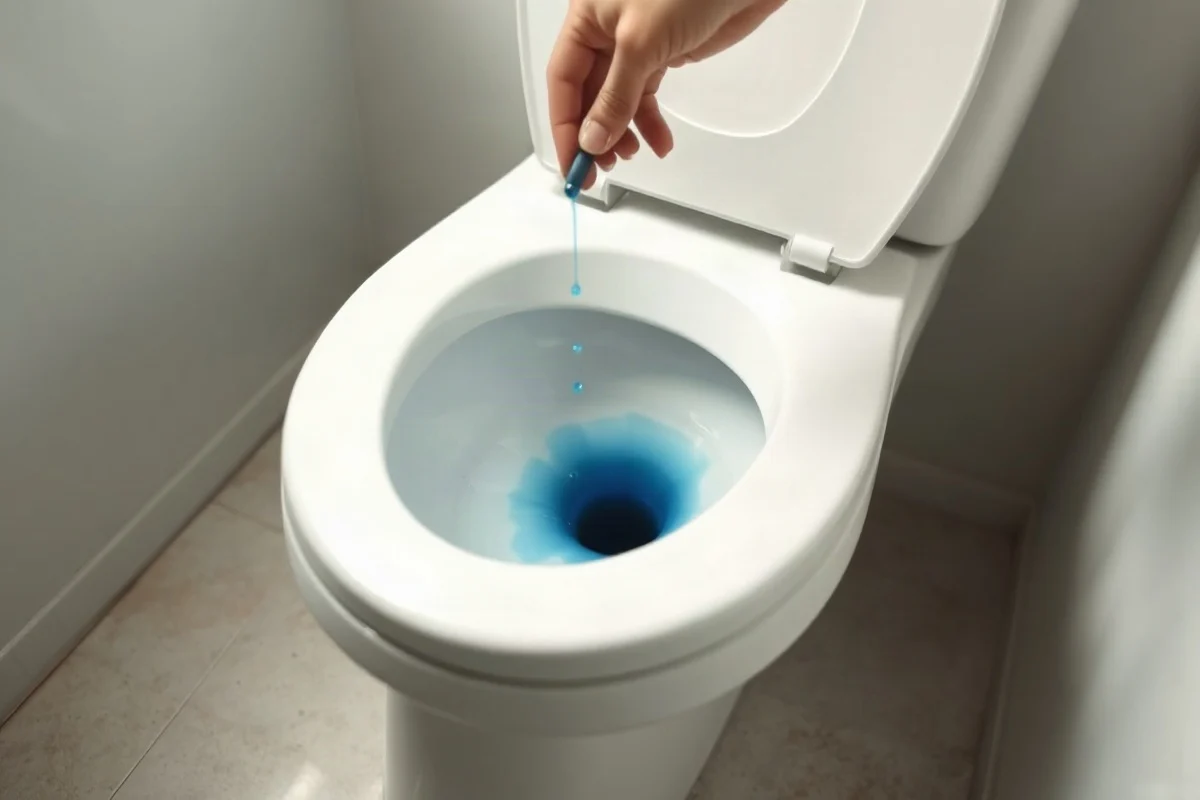
Yes, a toilet tank leak can waste water even when the bathroom floor stays completely dry. The most reliable homeowner test is to remove the tank lid, make sure the water is still, add a few drops of food coloring to the tank, and wait about 10 to 15 minutes without flushing. If colored water appears in the bowl, water is escaping from the tank through the flush valve, flapper, overflow tube, or another internal path. A toilet that refills by itself, makes a faint hissing sound, or shows ripples in the bowl when no one has used it may also be wasting water.
Why a toilet tank leak is easy to miss
Most toilet tank leaks happen inside the fixture. Unlike a supply-line leak or a cracked tank, an internal leak may not produce visible water around the base. Instead, clean water slowly moves from the tank into the bowl and then down the drain. The toilet may compensate by opening its fill valve periodically, creating a short refill cycle that is easy to overlook.
Small leaks can continue around the clock. The amount of water depends on the size of the opening, the condition of the parts, and how often the toilet refills. A slow leak may be quiet, while a larger one can cause frequent cycling, a noticeable hissing noise, or a toilet that seems to run for no obvious reason.
Common signs that the tank is leaking
- The toilet runs after flushing: A brief refill is normal, but water should stop once the tank reaches its proper level.
- The toilet starts on its own: A periodic refill often means tank water is slowly entering the bowl.
- You hear hissing or trickling: Listen when the bathroom is quiet, especially at night or early in the morning.
- The water surface ripples: Ripples or a thin stream in the bowl can indicate water entering from the tank.
- The tank water level is too high: Water that reaches or enters the overflow tube may be escaping continuously.
- The water bill changes unexpectedly: A higher bill can have many causes, but an unexplained increase is worth investigating.
- There is moisture around the tank: External moisture may point to a loose connection, a cracked tank, condensation, or a leaking tank-to-bowl seal.
A wet floor is not required for a toilet tank leak. If water is disappearing internally, the problem can remain hidden until the fixture becomes noisy or the water use becomes noticeable.
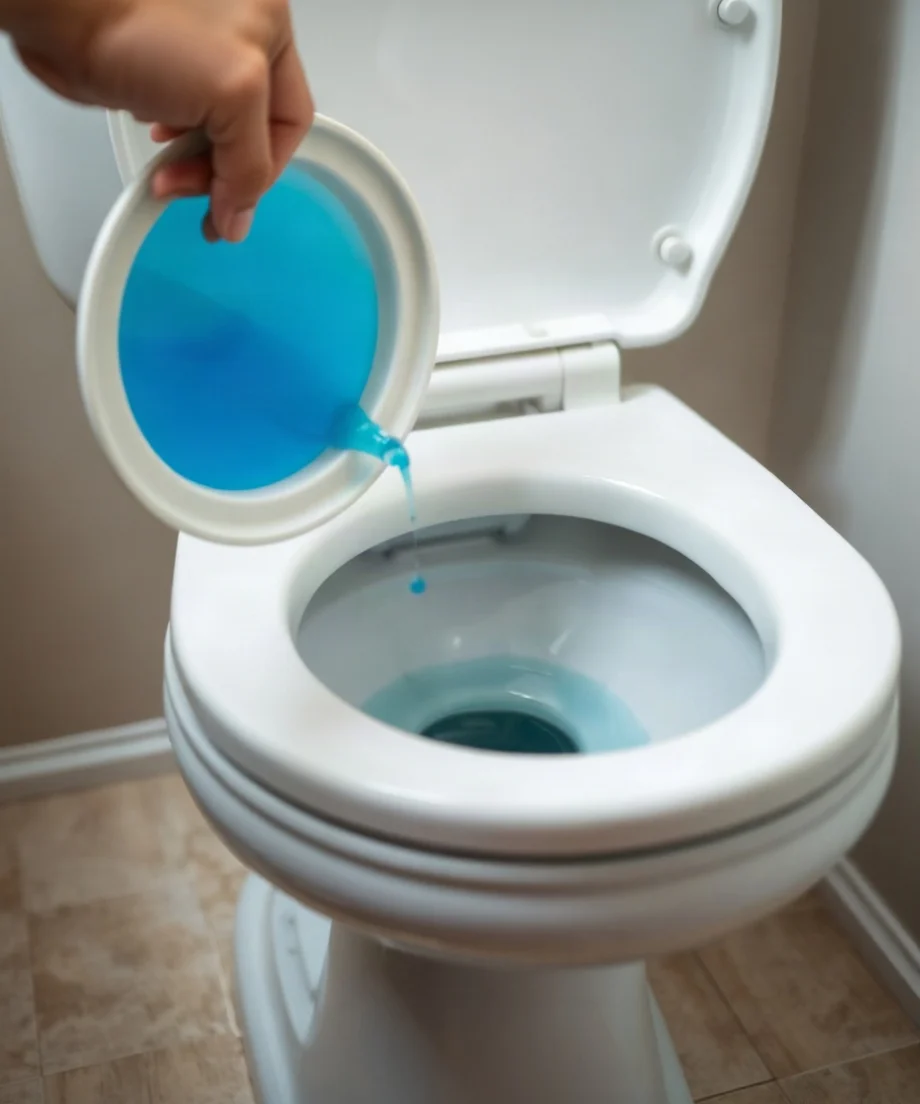
How to perform the food-coloring test
Safe homeowner steps
- Remove the toilet tank lid carefully and place it on a stable, protected surface.
- Check whether the toilet is currently running. If it is, wait for the refill cycle to stop or briefly close the toilet's shutoff valve.
- Add several drops of dark food coloring to the tank water. Avoid using cleaners or chemicals for this test.
- Do not flush the toilet or use it while waiting.
- After about 10 to 15 minutes, look inside the bowl.
If the bowl water has changed color, the tank is leaking internally. Flush the toilet afterward to clear the colored water. Food coloring can help confirm the leak, but it usually cannot identify the exact failed part.
If the color does not appear in the bowl, listen for hissing and watch the water level for several minutes. You can also check whether the fill valve turns on without anyone using the toilet. If the symptoms continue but the test is inconclusive, a plumber can inspect the internal components and water level.
What usually causes a toilet tank leak?
Worn or damaged flapper
The flapper is the rubber or plastic valve that seals the flush opening at the bottom of the tank. Over time, it may become stiff, warped, cracked, or coated with mineral buildup. A flapper that no longer seals correctly allows water to pass into the bowl.
Sometimes the flapper itself is not the only issue. The chain may be too short and hold the flapper open, or it may be too long and interfere with the seal. A chain that catches under the flapper can also cause an intermittent leak.

Incorrect water level
If the tank fills above the recommended level, water may enter the overflow tube. This can happen because of a misadjusted float, a worn fill valve, or sediment inside the valve. Look for a steady stream entering the overflow tube after the toilet finishes filling. The correct water level depends on the fixture design, so use the manufacturer's markings or instructions when available.
Failing fill valve
A fill valve controls the flow of water into the tank. A worn valve may hiss, shut off slowly, or allow water to continue entering after the tank is full. In some cases, the valve's float or adjustment mechanism is the problem. Replacing the fill valve is often more involved than adjusting a float, particularly if the shutoff connection is old or difficult to access.
Mineral buildup or damaged sealing surfaces
Hard-water deposits can prevent a rubber seal from sitting flat. Deposits around the flush valve opening may also create a path for water to escape. Cleaning may help with light buildup, but a damaged seal or rough sealing surface generally requires replacement of the affected component.
Cracked tank or leaking connections
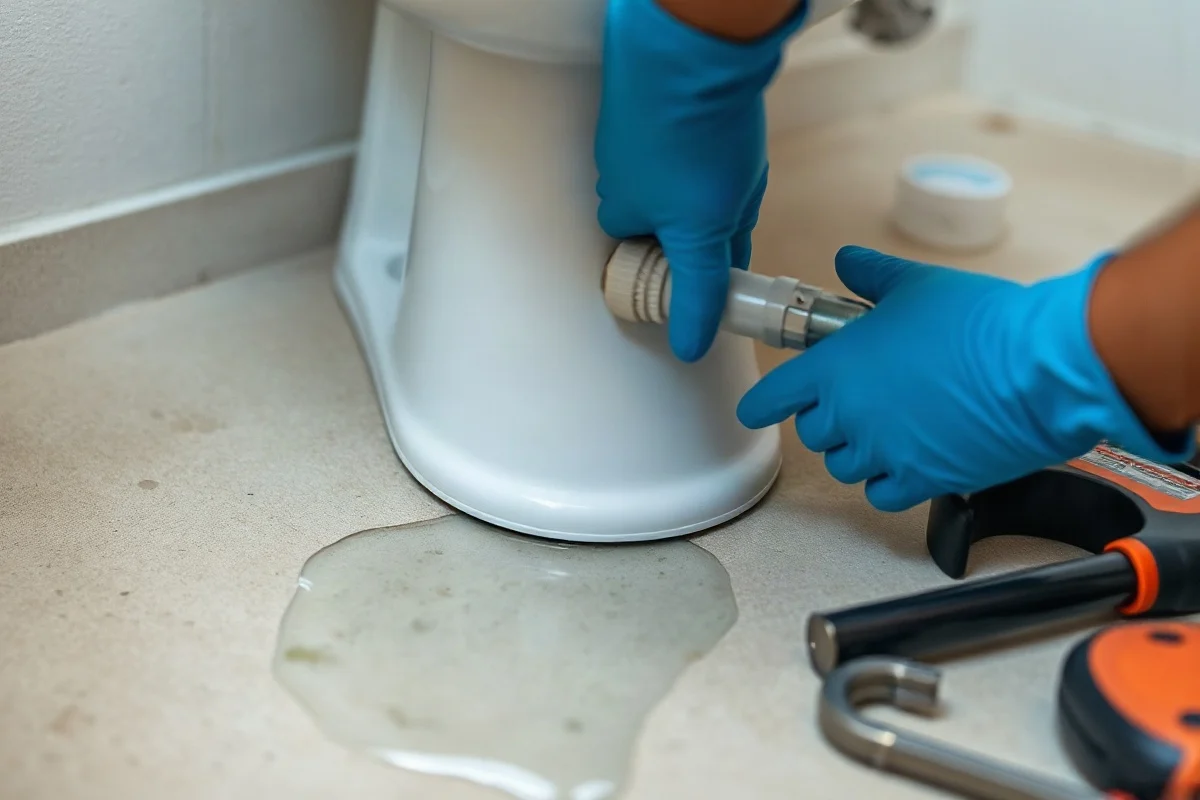
A crack in the porcelain tank can release water externally and may worsen without warning. Leaks can also occur at the tank bolts, the tank-to-bowl gasket, or the water supply connection. Stop using the toilet and close the shutoff valve if you see active leaking, a spreading crack, or water collecting on the floor.
Repair or replace: how to decide
Internal parts such as a flapper, fill valve, or chain can often be replaced without replacing the entire toilet. A homeowner may be able to handle a simple part replacement if the shutoff valve works, the connections are accessible, and there is no sign of cracked porcelain or corrosion. Turn off the water before removing parts, keep a container or towel nearby, and avoid overtightening plastic or porcelain connections.
Replacement is a more appropriate option when the tank or bowl is cracked, the porcelain is unstable, several internal components have failed, or the fixture has repeated leaks after repairs. A toilet that rocks, leaks at the base, or has damage below the tank may involve issues beyond a tank leak. For related symptoms, see this guide to why a toilet may leak around the base.
Do not attempt to patch a cracked porcelain tank as a permanent solution. Porcelain can fail suddenly, and a large release of tank water can damage flooring and nearby materials. Close the shutoff valve and contact a qualified local plumber when the tank is cracked or the leak cannot be controlled.
When a professional should inspect the toilet
Use a qualified local professional if the shutoff valve will not close, the supply connection is corroded, the toilet is leaking into the floor or wall, or the tank has a crack. Professional help is also appropriate when a repair requires force on old fittings, when the toilet rocks after tightening, or when a replacement part does not correct the problem.
Stop and seek help if sewage is present, water is reaching electrical equipment, or a leak is causing major flooding. Sewage exposure and significant water damage require more than a simple internal tank adjustment. If the leak appears to be behind a wall or beneath the floor, avoid opening concealed surfaces unless a qualified professional has assessed the situation.
You can review additional guidance in the toilet repair category. A tank leak is usually a fixture problem, but symptoms can sometimes be confused with a leak around the wax ring, supply line, or floor connection.
What affects the cost of repair?
The cost of correcting a toilet tank leak depends on the failed part and the condition of the fixture, not simply on the fact that water is being wasted. Important factors include:
- Whether the repair involves a flapper, fill valve, flush valve, gasket, supply line, or complete toilet replacement.
- How accessible the shutoff valve and connections are.
- Whether old bolts, fittings, or valves are corroded or seized.
- Whether the tank, bowl, floor, or surrounding materials have water damage.
- Whether service is needed outside a plumber's normal scheduling hours.
- Whether the toilet has unusual or discontinued components that are difficult to match.
Ask for a written explanation of the diagnosis, the recommended repair, the parts involved, and any separate service charges before authorizing work. Avoid choosing a contractor based only on the lowest initial estimate. A qualified plumber should be willing to explain whether repair is practical and whether the toilet has other conditions that could cause another leak.
How to choose the right plumber
When professional service is needed, look for a local plumber who regularly handles toilet leaks and fixture repairs. Ask whether the company has experience with the toilet's brand or type, how the technician will protect the floor, and what the inspection includes. Confirm the business's qualifications and insurance directly, because requirements and consumer protections vary by location.
Before work begins, describe the symptoms clearly: how often the toilet refills, whether the food-coloring test changed the bowl water, whether the floor is wet, and whether the tank or connections show damage. These details help the plumber distinguish an internal tank leak from a supply-line leak, a base leak, or a concealed plumbing problem.
A toilet tank leak is often easy to confirm and may be simple to correct, but ignoring it wastes treated water and can allow a small external leak to damage flooring. Start with the food-coloring test and a careful visual inspection. If the toilet will not stop running, the porcelain is damaged, water is escaping onto the floor, or the repair involves unsafe or corroded connections, close the shutoff valve and arrange qualified local service. For broader guidance on finding a contractor, see how to choose a plumber.
Comments
0No comments yet. Be the first to share a helpful note or question.
Leave a Comment
Your email address will not be published. Comments are reviewed before appearing on the site.