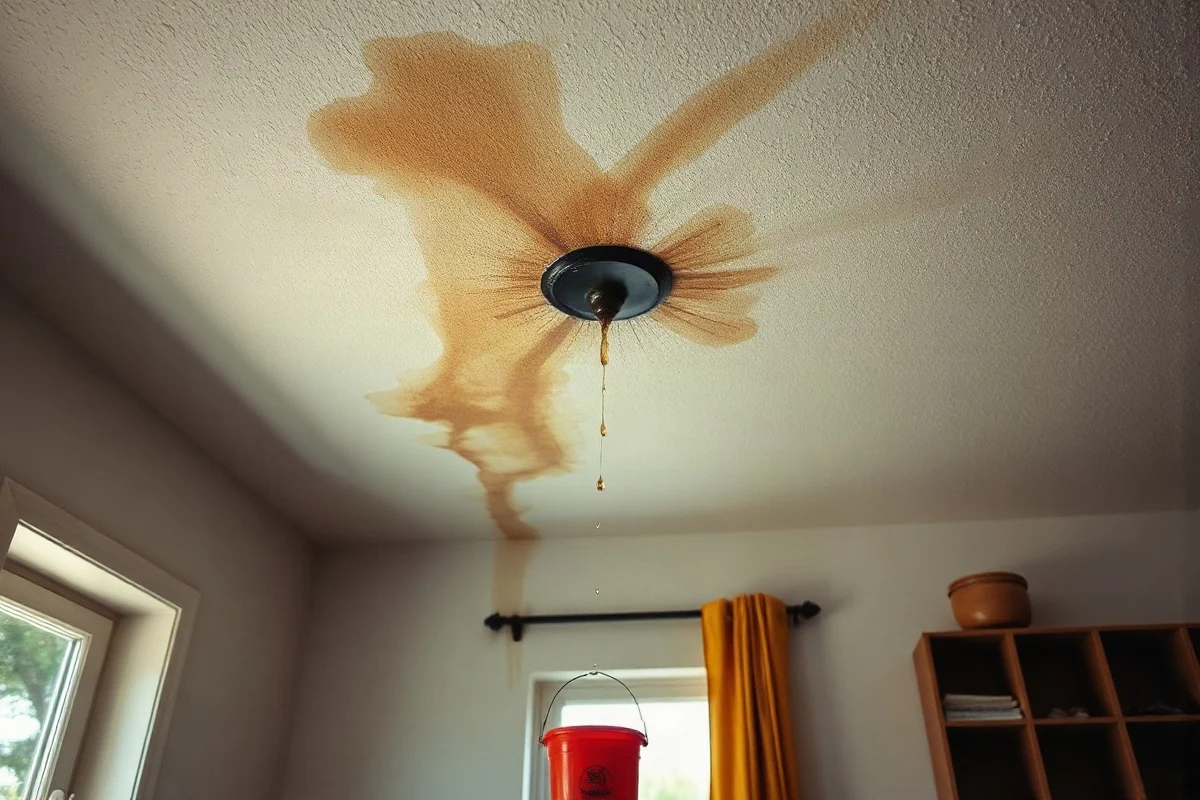
A burst pipe behind a ceiling or wall usually shows up through sudden water stains, dripping, bulging drywall, unusual sounds, damp odors, or an unexplained drop in water pressure. If water is actively spreading, shut off the home’s main water supply if you can reach it safely, keep away from wet electrical areas, and contact a qualified local plumber. Do not cut into the wall or ceiling until you know it is safe.
Common signs of a hidden burst pipe
A concealed leak may begin with a small mark and become a major water-damage problem within a short time. The location of the visible damage is not always directly below the failed section of pipe. Water can travel along framing, insulation, wiring pathways, and ceiling materials before it becomes visible.
Sudden ceiling stains or wall discoloration
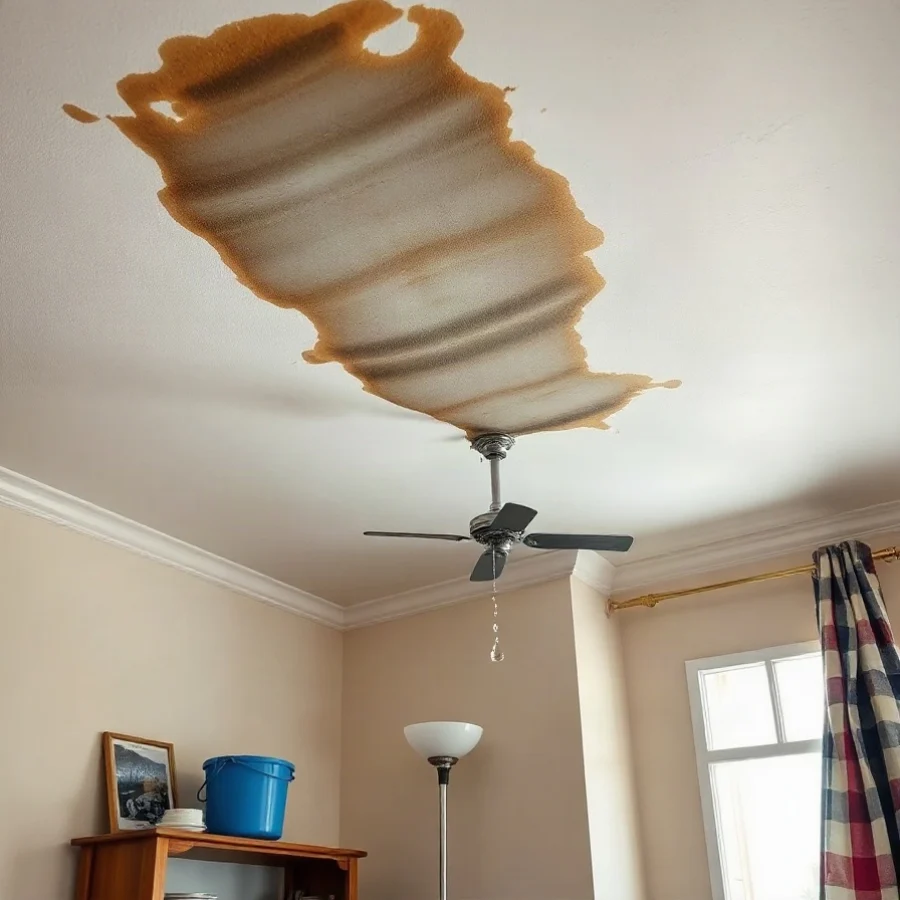
A tan, yellow, brown, or spreading wet spot can indicate water behind the surface. A ceiling stain beneath a bathroom, kitchen, laundry area, or second-floor room deserves prompt attention. Wall discoloration near a sink, shower, toilet, water heater, or exterior wall may also point to a concealed supply-line leak.
A stain that grows between observations is especially concerning. Take a photograph and mark the outer edge lightly with a pencil, noting the date and time. This can help you determine whether the area is expanding while you arrange professional help. Do not press on a swollen ceiling or lean furniture against a damp wall.
Dripping, rushing, or hissing sounds
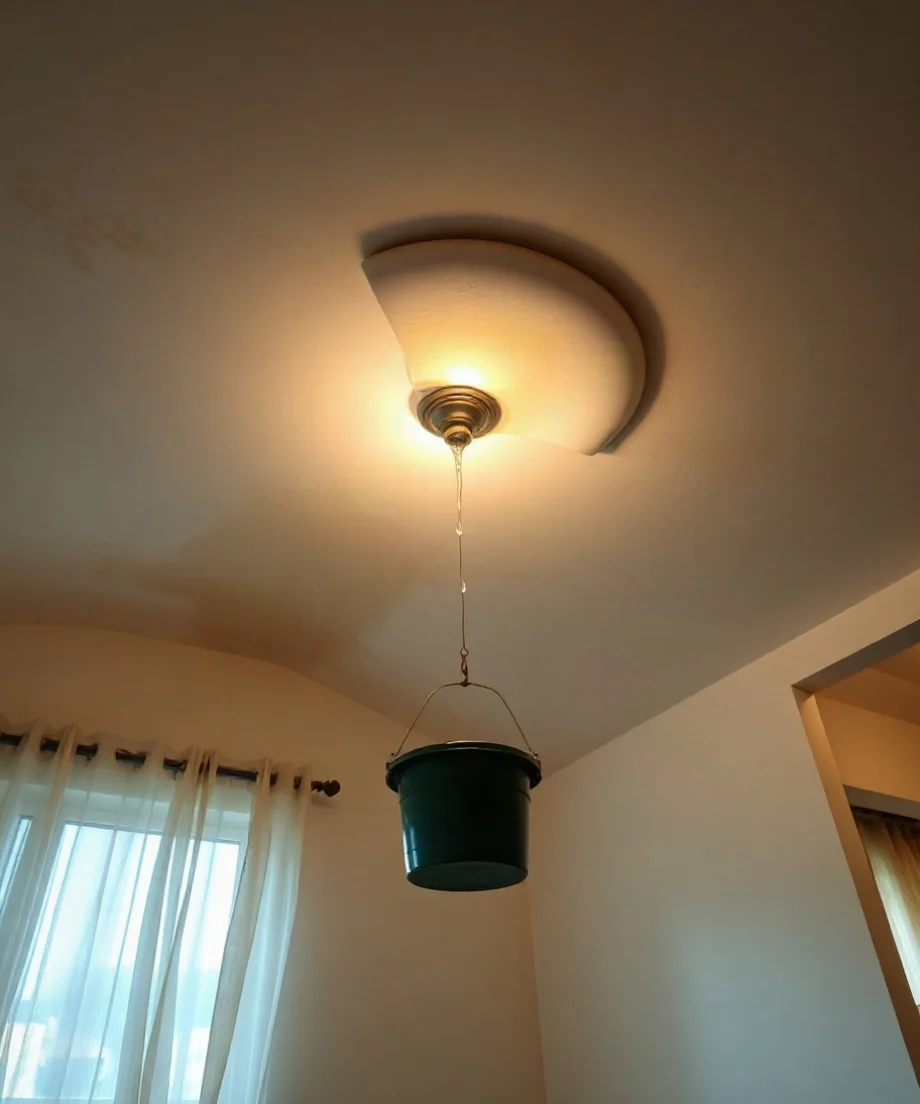
Listen for water when no fixture is running. A steady drip, faint hiss, rushing sound, or tapping inside a wall can suggest a pressurized water-line leak. The sound may become louder when someone uses a faucet, flushes a toilet, runs a washing machine, or starts a shower.
Sounds alone do not prove that a pipe has burst. They can also come from heating systems, drainpipes, toilets, or normal expansion and contraction. However, a new water sound combined with a stain, dampness, or pressure change should be treated as a possible leak.
Unexplained changes in water pressure
A sudden loss of pressure at several fixtures may occur when a pressurized pipe is leaking. You might notice a weak shower, a slow-filling toilet, or reduced flow from multiple faucets. If only one fixture is affected, the problem may be its aerator, shutoff valve, cartridge, or supply hose rather than a hidden burst pipe.
Pressure can also vary because of municipal work, a failing pressure regulator, a partially closed valve, or another plumbing issue. A significant change that occurs at the same time as water damage warrants an inspection.
Water appears when no fixture is being used
Look for damp flooring, wet baseboards, peeling paint, soft drywall, or water pooling near a wall. If the water returns after you dry the surface and no fixture is running, a concealed supply line may be leaking. Water near a ceiling light, outlet, switch, or electrical equipment creates an immediate safety concern.
Musty odors, mold-like growth, or damp insulation
A persistent musty smell can indicate that building materials have remained damp. Dark spotting or surface growth may develop after repeated moisture exposure, but visible growth does not identify the source. Do not rely on odor alone, and do not disturb heavily affected drywall or insulation without appropriate protection and professional advice.
What can cause a pipe to burst behind a wall?
Several conditions can damage concealed plumbing. Freezing temperatures can cause water inside a pipe to expand and place extreme pressure on the pipe and its connections. Corrosion, age, defective joints, physical damage, excessive pressure, and poor installation can also contribute. A nail or screw driven into a wall may puncture a pipe, sometimes immediately and sometimes after vibration or movement worsens the damage.
Supply pipes under pressure generally create a more active leak than drainpipes, although a failed drain can release a large amount of water when a fixture is used. A water heater connection, washing machine hose, refrigerator supply line, bathroom valve, or pipe in an attic or crawlspace may also leak and send water into a wall or ceiling. For additional background, see this guide to what causes pipes to burst inside a house.
Safe checks homeowners can make
Homeowners can make a few low-risk observations, but these checks should not replace a professional diagnosis:
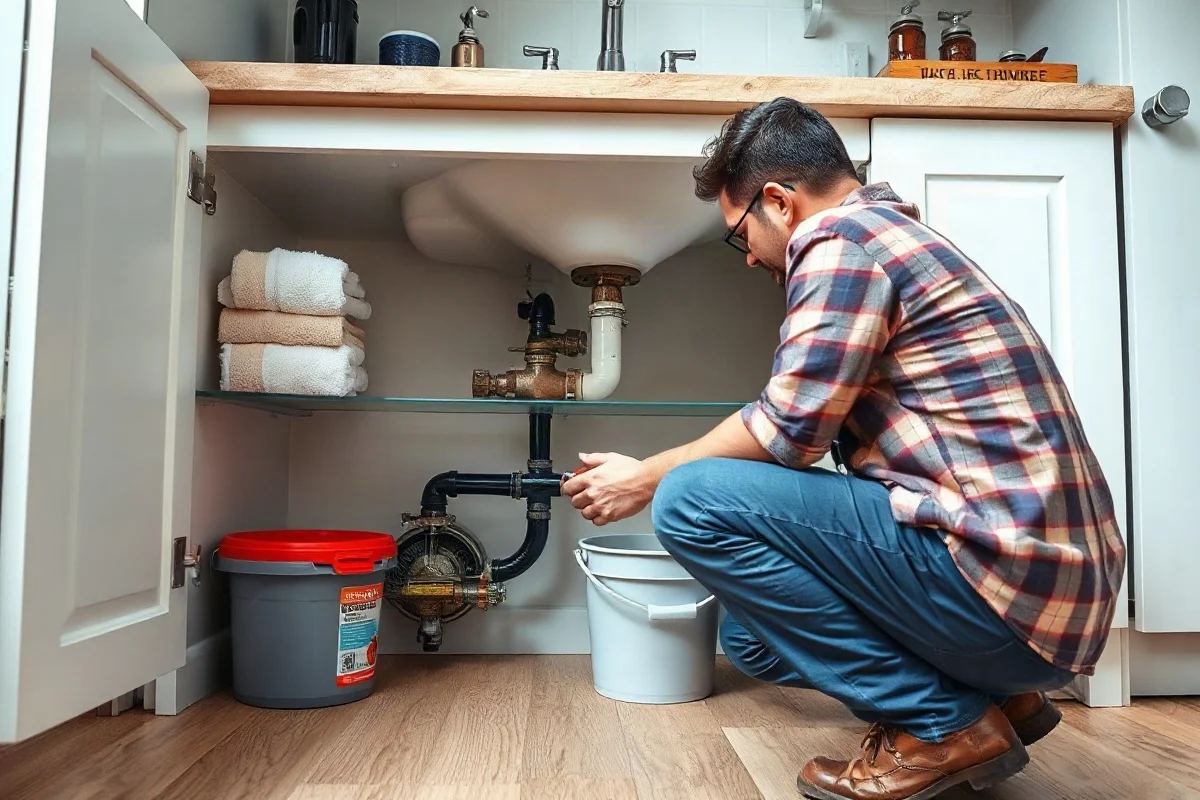
- Check visible areas under sinks, around toilets, near the water heater, and beside appliances for active dripping.
- Confirm that faucets, toilets, showers, appliances, and outdoor fixtures are not running.
- Look at the water meter, if accessible. After all water use has stopped, movement may indicate a leak, although the meter location and testing method vary.
- Identify the home’s main water shutoff valve before an emergency occurs. If water is actively escaping and the valve can be reached without entering an unsafe area, close it.
- Move furniture, rugs, boxes, and other belongings away from the wet area when doing so does not expose you to electrical or structural hazards.
- Take photographs and record when you first noticed the problem. This information may help a plumber and your insurer.
Do not remove ceiling panels, drill exploratory holes, pull down drywall, or reach into standing water. You may hit wiring, release trapped water, worsen structural damage, or expose yourself to contaminated materials. If sewage is involved, avoid contact and arrange qualified local help.
When to shut off electricity and leave the area
Water and electricity create a serious shock and fire risk. If water is near outlets, switches, light fixtures, electrical panels, appliances, or wiring, do not touch electrical equipment while standing on a wet surface. If you can safely reach the appropriate electrical shutoff from a dry location, follow your home’s safety procedures; otherwise, leave the area and contact emergency services or a qualified electrician as appropriate.
Leave the area and seek urgent professional assistance if the ceiling is sagging, cracking, or bulging, if water is rapidly spreading, if sewage is present, or if you smell gas. Never operate an electrical switch near a suspected gas leak. Gas-line work must be handled by a qualified professional.
Should the pipe be repaired or replaced?
The repair decision depends on the failed section, pipe material, accessibility, age, condition of nearby connections, and the cause of the failure. A plumber may be able to replace a short damaged section and its fittings. If the surrounding pipe is severely corroded, brittle, repeatedly failing, or part of a broader problem, replacement of a larger section may be more practical.
Access is another important consideration. A pipe behind removable cabinetry or an access panel may be easier to reach than one inside a finished ceiling. The least destructive access point is not always located directly below the leak, because water can travel before appearing. A professional may use moisture readings, pressure testing, acoustic equipment, thermal imaging, or a camera inspection when appropriate.
Temporary measures are not a substitute for a permanent repair. Drying the visible surface or applying sealant over a damaged area may hide the symptom while water continues to enter the structure. For related repair information, review the pipe repair guide.
What affects the cost of a hidden burst-pipe repair?
The final cost varies by location, access, materials, labor, and the extent of water damage. A plumber may consider:
- Whether the water can be stopped quickly or is still actively flowing.
- How much diagnostic work is needed to locate the failed pipe.
- Whether the pipe is behind drywall, tile, flooring, cabinetry, insulation, or structural materials.
- The type, size, and condition of the damaged pipe and fittings.
- Whether nearby sections need replacement rather than only the failed connection.
- Drying, cleanup, mold-related concerns, or restoration after the plumbing repair.
- Whether electrical, structural, sewage, or insurance-related professionals must also be involved.
Ask for a written explanation of the suspected source, the immediate shutoff or stabilization work, the repair plan, access requirements, and any separate restoration work. The plumbing repair and rebuilding of a wall or ceiling may be performed by different companies. For broader budgeting guidance, you can compare the factors discussed in burst pipe repair cost information, but avoid relying on a single generic figure for every home.
How to choose the right plumber
Look for a qualified local plumbing professional who regularly handles concealed leaks, burst pipes, water damage, and pipe access. Before work begins, ask how the plumber plans to locate the leak, protect the home, isolate the water, and document the repair. Confirm what is included in the estimate and which tasks, such as drywall repair or water extraction, are outside the plumbing scope.
For a fast-moving leak, sewage exposure, extensive flooding, or damage near electrical equipment, explain the urgency when you call. A reputable professional should be willing to discuss immediate safety steps, identify any limits on the diagnosis, and explain whether additional specialists are needed. Avoid anyone who wants to cover the damaged area without finding the source or who pressures you to approve unnecessary work before explaining the problem.
What to do after the water is stopped
Stopping the leak is only the first step. Wet drywall, insulation, flooring, framing, and personal belongings may continue to hold moisture. Promptly discuss drying and restoration with qualified professionals, especially if the affected area is large or remained wet for an extended period. Keep records of photographs, plumber reports, invoices, and cleanup decisions.
Once the repair is complete, watch the area for renewed staining, odor, dampness, or changes in pressure. Ask the plumber what signs would justify a follow-up visit. A hidden burst pipe should not be treated as only a cosmetic ceiling or wall problem: the source must be stopped, the damaged plumbing repaired appropriately, and the surrounding materials evaluated for moisture.
Comments
0No comments yet. Be the first to share a helpful note or question.
Leave a Comment
Your email address will not be published. Comments are reviewed before appearing on the site.